Amazon is turning to AI to help fight scammers by empowering Alexa for Shopping to verify message authenticity

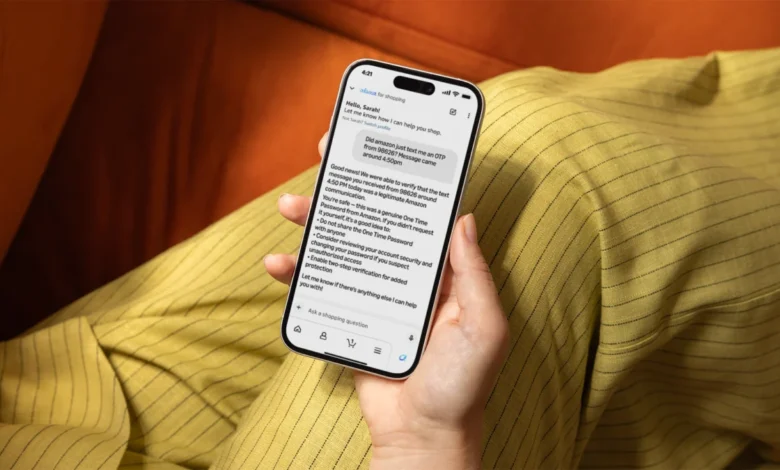
In a significant move to bolster consumer trust and security, Amazon has announced that it is integrating advanced artificial intelligence into its "Alexa for Shopping" service to help customers instantly identify and report fraudulent communications. This initiative addresses a persistent pain point for the e-commerce giant: approximately 360,000 customers annually reach out to Amazon’s support channels specifically to verify whether emails, texts, or notifications they have received are legitimate or part of an elaborate phishing scheme. By leveraging its vast internal database, Amazon intends to turn its shopping assistant into a digital shield, offering real-time verification against the billions of legitimate messages the company transmits globally.
The Growing Threat of Retail Impersonation
The rise of e-commerce has been matched by a surge in sophisticated cybercrimes targeting online shoppers. Bad actors frequently employ "brand impersonation" tactics to deceive consumers. These scams often manifest as urgent alerts regarding account suspensions, fake order confirmations, fraudulent shipping delays, or deceptive Prime membership renewal warnings. According to industry data from the Federal Trade Commission (FTC), billions of dollars are lost annually to impostor scams, with retail and delivery impersonation ranking among the most common vectors.
For Amazon, the challenge is twofold: protecting the financial and personal security of its customers and safeguarding the integrity of the Amazon brand. When scammers successfully impersonate the company, they erode the foundational trust that encourages users to store payment information and conduct repeat business on the platform. By providing a "definitive" verification tool, Amazon is attempting to move from a reactive support model to a proactive, automated defense.
How the AI Verification System Operates
The new AI-powered verification feature within Alexa for Shopping utilizes a multi-layered analytical framework. When a user presents a message for review, the AI cross-references the communication against a repository of Amazon’s official outgoing correspondence. This analysis is not merely a keyword match; it is a complex evaluation of:
- Sender Information: Analyzing email headers and SMS source codes to ensure they originate from verified Amazon servers.
- Metadata Evaluation: Inspecting technical delivery data that is often overlooked by the human eye but tells a clear story of the message’s origin.
- Content and Syntax: Detecting anomalies in tone, language, and request structure that deviate from Amazon’s established brand communications.
- Contextual Timing: Determining if the message aligns with the user’s actual shopping history or active account status.
As users interact with the tool, the system undergoes a continuous learning process. By aggregating data from user-reported suspicious messages, the AI model refines its sensitivity, allowing it to adapt to new phishing templates faster than traditional manual review processes could ever achieve.
A Timeline of Amazon’s Anti-Scam Evolution
Amazon’s integration of AI into Alexa for Shopping is the latest step in a multi-year effort to combat digital fraud. The following chronology outlines the company’s recent strategic interventions:
- Early 2024: Recognizing the scale of the impersonation issue, Amazon launched a dedicated verification email address, [email protected]. This allowed users to forward suspicious messages directly to the company’s fraud investigation team.
- Mid-2024: To reduce friction, Amazon introduced an online form on its customer service portal, allowing users to upload screenshots or copy-paste text from suspicious communications for rapid verification.
- September 2024: Building on its expanded Alexa capabilities, the company officially integrated the AI-driven verification tool into the Alexa for Shopping interface, accessible via both the desktop website and the mobile application.
This progression demonstrates a clear shift toward decentralized security. By moving the verification process into the consumer’s primary shopping interface, Amazon is attempting to intercept the scam before the user clicks a malicious link or enters sensitive data.
The Strategic Pivot of Alexa for Shopping
The integration of security features is part of a broader, strategic reorientation of Amazon’s Alexa ecosystem. While early iterations of Alexa were primarily focused on smart home control and general information queries, the current product strategy emphasizes "Shopping Assistant" capabilities.
Amazon has been aggressively expanding the utility of Alexa for the retail experience. Today’s assistant can generate personalized product recommendations, curate shopping guides, facilitate reordering of household essentials, and provide AI-generated product overviews that summarize customer sentiment. The addition of the "alert" feature—which notifies users when a favorite brand launches a new product or a preferred author releases a new book—further cements Alexa as an active participant in the consumer’s lifecycle rather than a passive voice-command tool.
By making security a core feature of this assistant, Amazon is reinforcing the value proposition of its ecosystem. Users are more likely to rely on Alexa for day-to-day tasks if they trust that the platform is actively working to shield them from digital threats.
Industry Implications and Future Outlook
The use of AI to solve consumer-facing fraud is a trend that extends far beyond Amazon. Cybersecurity analysts suggest that the "verification gap"—the time it takes for a user to realize a message is fake—is the most dangerous window in any phishing attack. By automating this check, Amazon is setting a new industry standard for retail security.
However, the efficacy of this system will depend heavily on user adoption. For the AI to function at peak performance, users must be diligent in utilizing the reporting tools. The effectiveness of the system is recursive: the more data points the AI receives regarding new, evolving scam tactics, the more accurate its predictive modeling becomes.
While some privacy advocates might raise questions regarding the depth of analysis performed on user-submitted messages, Amazon maintains that the system is designed strictly for fraud detection. The implications for the broader retail sector are significant; as Amazon sets this precedent, consumers may begin to expect similar, high-fidelity verification tools from other major retailers and financial institutions.
Addressing the Human Element
Despite the sophistication of artificial intelligence, security experts emphasize that technology is only one part of the solution. Scammers are notoriously adept at exploiting human psychology, particularly the fear and urgency associated with "account suspension" or "unauthorized purchase" alerts. Even with a verification tool, the battle remains one of awareness.
Amazon’s move to make the AI assistant the primary point of contact for these queries is a strategic attempt to lower the barrier to verification. If checking a message is as simple as asking a question to an app, users are significantly more likely to do so than if they have to navigate a complex customer service menu or wait for an email response from an investigation team.
Conclusion
The deployment of AI to verify communication authenticity represents a logical, albeit necessary, step in the ongoing war against online fraud. By folding this functionality into Alexa for Shopping, Amazon is not only enhancing the safety of its platform but also demonstrating how generative and analytical AI can be applied to practical, high-impact consumer problems. As the digital landscape continues to evolve, the success of this initiative will be measured not just by the technology itself, but by the measurable reduction in successful phishing attempts and the continued trust of the global consumer base. For now, the integration serves as a reminder that as scams grow more complex, the tools designed to thwart them must become equally intelligent and accessible.