DirecTV Moves to Acquire Dish TV and Sling TV in Major Satellite Industry Consolidation

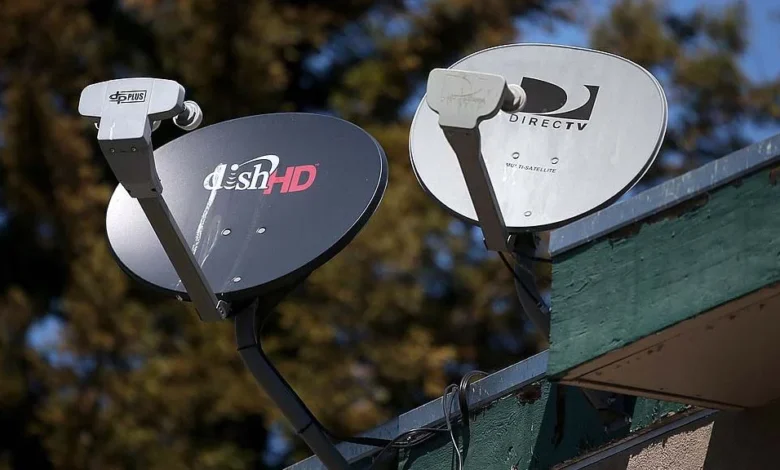
In a landmark transaction that signals a desperate effort to stabilize the rapidly eroding pay-TV landscape, DirecTV has announced a definitive agreement to acquire the video businesses of EchoStar, including the satellite giant Dish TV and the virtual multichannel video programming distributor (vMVPD) Sling TV. The deal, valued at a symbolic $1 in cash alongside the significant assumption of debt, marks the culmination of decades of on-again, off-again merger discussions between the two satellite titans. By combining forces, the companies aim to create a singular entity with approximately 20 million subscribers, effectively forming the largest pay-TV provider in the United States and creating a necessary defensive bulwark against the unrelenting momentum of cord-cutting and streaming services.
This acquisition arrives at a pivotal moment for the sector. Both DirecTV and Dish have seen their subscriber bases plummet as consumers pivot away from traditional bundled cable and satellite packages in favor of cheaper, direct-to-consumer streaming options. According to data from Leichtman Research Group, the major pay-TV providers in the U.S. have collectively lost millions of customers annually over the past several years. By merging, DirecTV hopes to achieve the economies of scale required to survive in a market where content costs are rising even as viewership numbers decline.
The transaction is further complicated and clarified by a simultaneous shift in ownership at DirecTV. AT&T, which had previously spun off DirecTV into a joint venture but retained a 70% stake, has confirmed it is divesting its remaining interest to the private-equity firm TPG. This shift effectively cleans the slate for the new, combined entity, allowing it to operate with a streamlined ownership structure as it navigates the integration of its two legacy satellite fleets.
A Chronology of Consolidation: Decades in the Making
The narrative of a DirecTV and Dish merger is one of the most enduring "will they, won’t they" sagas in telecommunications history. The two companies have spent nearly twenty years exploring various configurations. In 2002, the Federal Communications Commission (FCC) famously blocked a proposed merger between the two entities, citing antitrust concerns and the potential for reduced competition in the nascent satellite market.
At the time, the FCC argued that a merger would leave rural consumers, who rely almost exclusively on satellite for television, with no viable alternative to a single monopoly provider. However, the market dynamics of 2024 are vastly different. With the rise of high-speed internet via fiber, 5G home internet, and massive streaming platforms like Netflix, Disney+, and YouTube TV, the regulatory environment has shifted. The logic that once prohibited this merger is now being replaced by a pragmatic acknowledgment that the satellite industry is a shrinking business that requires consolidation simply to maintain operational viability.
Supporting Financial Data and Synergies
The financial mechanics of this deal are predicated on aggressive cost-cutting. DirecTV has publicly stated that it expects the combination of its operations with Dish to generate at least $1 billion in annual cost synergies by the third anniversary of the closing, which is currently projected for late 2025. These savings are expected to be derived from the integration of satellite transponder capacity, the reduction of redundant administrative and corporate overhead, and the harmonization of technology stacks.
Crucially, the deal is supported by a $2.5 billion financing package provided by TPG Angelo Gordon and associated co-investors. This capital is earmarked for the immediate purpose of refinancing Dish DBS’s November 2024 debt maturity. This was a critical hurdle; without this infusion, Dish’s financial position would have been precarious, potentially leading to a default that could have dismantled the business before a merger could be finalized. By providing this liquidity, the stakeholders are essentially betting that the combined scale of the two companies will create enough cash flow to service the remaining debt load and provide a sustainable path forward.
Strategic Vision and Executive Outlook
DirecTV CEO Bill Morrow, who will continue to lead the combined company alongside CFO Ray Carpenter, framed the acquisition as a necessary step for the future of content distribution. "DirecTV operates in a highly competitive video distribution industry," Morrow stated in a press release. "With greater scale, we expect a combined DirecTV and Dish will be better able to work with programmers to realize our vision for the future of TV, which is to aggregate, curate, and distribute content tailored to customers’ interests."
Morrow’s vision centers on the concept of the "aggregator." As the streaming landscape has become increasingly fragmented, consumers are experiencing "subscription fatigue," struggling to navigate dozens of different apps. By positioning the combined company as a single point of entry for both linear satellite channels and virtual streaming services like Sling TV, DirecTV hopes to capture value as the curator of the modern television experience. This strategy mirrors the ongoing efforts of companies like Apple and Amazon, which are increasingly bundling streaming services to make them more accessible and, more importantly, more likely to be retained by the customer.
Broader Industry Implications and Analysis
The merger of DirecTV and Dish is likely to be viewed by industry analysts as the final chapter in the legacy satellite television era. The implications of this deal are twofold: it provides a temporary lifeline for satellite-based content delivery, and it signals a massive consolidation of power in the pay-TV distribution market.
-
Impact on Content Negotiations: With 20 million subscribers, the combined DirecTV and Dish entity will have significantly more leverage when negotiating carriage agreements with major programmers and media conglomerates. Historically, these programmers have squeezed satellite providers for higher fees. A larger, more consolidated buyer may be able to demand more favorable terms, potentially slowing the pace of price increases for the end consumer.
-
Regulatory Scrutiny: While the market has changed since 2002, the deal will still face intense scrutiny from the Department of Justice and the FCC. Regulators will be looking closely at whether the merger results in higher prices for consumers in rural areas where satellite remains the only realistic option for video entertainment. The companies will likely argue that the "counterfactual" is worse—that without the merger, both companies could face bankruptcy, which would lead to a chaotic exit from the market that would hurt consumers more.
-
The Future of Sling TV: The acquisition of Sling TV is perhaps the most forward-looking aspect of the deal. Sling was a pioneer in the vMVPD space, offering a "skinny bundle" of channels at a lower price point than traditional cable. By integrating Sling into its portfolio, DirecTV gains a battle-tested streaming platform that can serve as a hedge against the continued decline of its legacy satellite business.
-
Private Equity Influence: The transition of DirecTV from an AT&T-controlled entity to one fully owned by TPG represents a significant shift in corporate governance. Private equity firms are typically focused on optimizing operations, stripping away inefficiencies, and maximizing cash flow for a potential exit or IPO down the line. This suggests that the combined DirecTV-Dish entity will likely undergo a period of intense operational restructuring, potentially including layoffs, office consolidations, and the sunsetting of older, less efficient satellite technologies.
Conclusion
The move to merge DirecTV and Dish is an admission that the traditional model of television delivery has reached its sunset years. By combining two former rivals into a single entity, the parties involved are seeking to extract maximum value from a declining asset class while attempting to pivot toward a more integrated, streaming-friendly future.
While the $1 price tag for the acquisition of Dish’s video business is symbolic, it belies the heavy lifting that will be required to manage the debt, integrate two disparate corporate cultures, and navigate the regulatory hurdles of Washington. For the 20 million subscribers of these services, the immediate impact will likely be minimal. However, the long-term success of this merger will depend on whether the company can successfully evolve from a simple distributor of satellite signals into a modern, nimble aggregator of content in an era defined by high-speed connectivity and on-demand consumption.
As the deal heads toward a projected closing in late 2025, all eyes will be on how the company manages its massive debt load and whether the promised $1 billion in annual synergies can be realized without further alienating the very customer base it needs to retain. The satellite television industry, once the undisputed king of home entertainment, is now fighting for its relevance, and this merger is its most significant attempt to remain in the game.
Related posts: