The High Cost of AI Ambition: Why Natural Gas Power Plants are Straining Tech Infrastructure

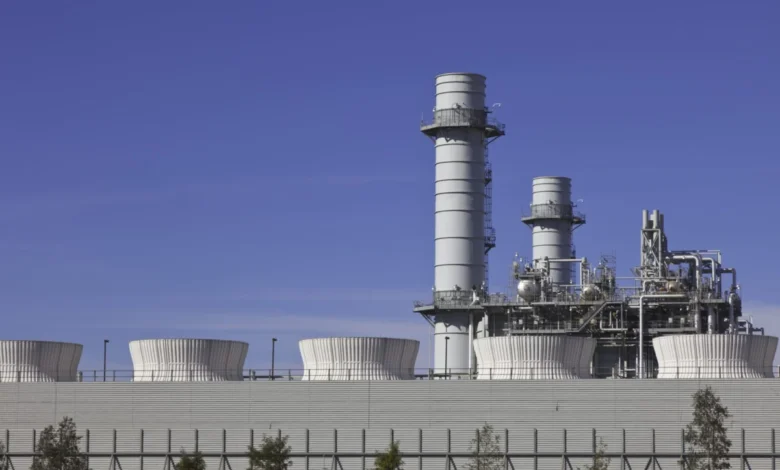
The rapid expansion of artificial intelligence is fundamentally reshaping the global energy landscape, forcing a historic pivot toward fossil fuels among the world’s largest technology conglomerates. As companies like Microsoft and Meta scramble to secure the massive, reliable power loads required to run high-density data centers, they have increasingly turned to natural gas. However, this strategic shift is colliding with a harsh economic reality: the cost of constructing new gas-fired power generation has skyrocketed, even as the infrastructure becomes increasingly difficult to source.
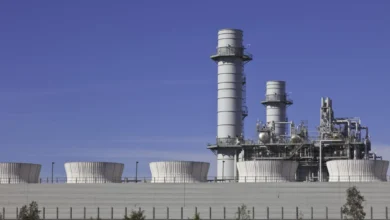
According to a comprehensive report from BloombergNEF, the capital expenditure required to build a new combined cycle gas turbine (CCGT) power plant has surged by 66% over the last two years. As of 2025, the price per kilowatt of generating capacity has climbed to $2,157, a significant leap from the sub-$1,500 figures observed in 2023. Beyond the ballooning price tags, the industry is grappling with severe logistical bottlenecks, with project completion timelines stretching by approximately 23%.
A Chronology of the Data Center Energy Crisis
The current state of affairs is the culmination of a multi-year shift in how tech firms approach energy procurement. For much of the last decade, the industry prioritized carbon-neutral goals, relying heavily on Power Purchase Agreements (PPAs) for wind and solar energy. However, the generative AI boom, which began in earnest in late 2022, changed the calculus.
- 2023: Tech giants realize that intermittent renewable sources alone cannot meet the "always-on", high-load requirements of new AI training clusters. Utilities begin reporting record-breaking connection requests.
- 2024: The "bring your own power" mandate, championed by policymakers and encouraged by the Trump administration, prompts tech firms to look beyond the public grid. Direct investment in private, gas-fired generation becomes the preferred route to bypass slow utility interconnection queues.
- 2025: Equipment shortages reach a breaking point. The scarcity of high-efficiency gas turbines leads to a 195% price increase compared to 2019 levels. Public backlash begins to mount as residential energy consumers fear that the massive demand from data centers will drive up local utility rates.
- 2026: Market analysis confirms that the cost-to-build for CCGT plants is unsustainable for many, forcing a re-evaluation of long-term energy strategies.
The Anatomy of the Supply Crunch
The surging cost of power plants is not merely a product of inflation; it is driven by a profound mismatch between supply and demand for critical infrastructure components. Gas turbines, the heart of any CCGT facility, are notoriously difficult to manufacture at scale. The specialized metallurgy and precision engineering required to produce these units mean that supply chains cannot easily ramp up to meet the sudden, explosive demand from Silicon Valley.
Data from industry analysts at Wood Mackenzie suggest that by the end of 2026, the price of these turbines—which account for up to 30% of total plant construction costs—will remain at historic highs. Furthermore, the specialized nature of these manufacturing processes creates a "bottleneck effect," where lead times for new equipment are now extending well into the 2030s. Companies placing orders today are effectively locking themselves into long-term, high-cost projects that may not come online for nearly a decade.
Data Center Scaling and Grid Impact
The sheer scale of the next generation of data centers is an overlooked driver of this crisis. Historically, a data center might have required 10 to 20 megawatts of power. Today, a typical hyperscale facility often starts at 50 megawatts, with a rapid migration toward 100-megawatt-plus designs.
BloombergNEF forecasts that data center electricity demand will grow from approximately 40 gigawatts today to 106 gigawatts by 2035—a nearly 300% increase. This surge is creating a "Goldilocks" problem for regional grids: demand is growing faster than the infrastructure can be upgraded, leading to reliability concerns. Because utilities are often obligated to pass the costs of new transmission lines and grid upgrades on to the general public, the social license to operate for data center developers is rapidly eroding. Public opposition, which began as localized protests against noise and traffic, has evolved into a nationwide conversation about the equitable distribution of electricity resources.

Divergent Paths: The Google Approach
While many tech companies remain committed to natural gas as a bridge fuel, not all industry leaders are following the same playbook. Google has recently begun to pivot toward a more diversified energy strategy that attempts to decouple AI growth from traditional fossil fuel generation.
Google’s emerging framework emphasizes "firm" clean power—renewables paired with advanced, long-duration energy storage. A key component of this strategy involves iron-air batteries, such as those produced by Form Energy. Unlike lithium-ion batteries, which are optimized for short-term discharge, iron-air technology is designed to release electricity over 100 hours or more. This allows for the storage of excess solar or wind energy during peak production periods and the discharge of that power during the extended periods required for data center operations.
This approach addresses two major risks: the volatility of natural gas pricing and the long-term regulatory risk of being tied to carbon-intensive infrastructure. As natural gas plants become more expensive to build and operate, the Levelized Cost of Energy (LCOE) for solar-plus-storage solutions continues to decline, making the alternative increasingly competitive.
Broader Economic and Regulatory Implications
The implications of this energy scramble extend far beyond the balance sheets of Big Tech. First, there is the potential for significant "energy inflation." If the massive costs of new gas-fired power plants are socialized through utility rate hikes, it could lead to political intervention. Legislators are already discussing stricter requirements for "data center energy impact assessments," which could further delay projects and add to the cost of AI development.
Second, the reliance on natural gas risks stranding assets. Should future carbon taxes or more stringent climate regulations come into effect in the 2030s, the current wave of gas-fired power plants could become liabilities, forcing tech companies to engage in costly retrofits or early decommissioning.
Finally, the crisis is forcing a re-examination of the relationship between tech companies and utility providers. The model of the utility as a simple service provider is shifting toward a model of "co-development," where tech companies are becoming active participants in the management of the power grid. This integration brings with it significant oversight, as these corporations now hold a level of influence over energy policy that was previously reserved for national governments and public utility commissions.
Conclusion
The "natural gas trap" currently ensnaring many tech companies serves as a stark reminder of the physical limits of the digital age. While the promise of AI is virtually limitless in terms of compute and data processing, the underlying requirement for physical, reliable, and affordable electricity remains governed by the laws of thermodynamics and the realities of global supply chains.
As costs continue to surge and public scrutiny intensifies, the industry stands at a crossroads. The choice between doubling down on traditional gas-fired generation or investing in the long-term viability of renewable energy storage will define not only the future of AI infrastructure but the stability of the power grids upon which the modern economy depends. For the tech sector, the race to build the next generation of AI may ultimately be won by those who can best manage their power consumption, rather than those who can simply afford to build the most expensive plants.