Embrace: How Producers Aaron Ryder and Andrew Swett Are Navigating the Shifting Landscape of Modern Hollywood

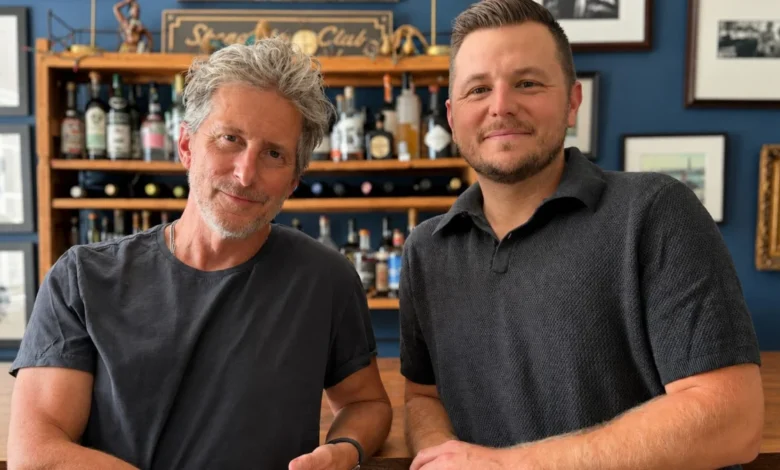
The evolution of independent film production in the 2020s has been marked by a transition from traditional studio dominance to a more fragmented, director-driven ecosystem. At the center of this shift stand Aaron Ryder and Andrew Swett, the producing duo behind the newly rebranded production banner, Embrace. Previously operating as Ryder Picture Company, the firm has emerged as a powerhouse for filmmakers seeking to balance creative autonomy with the logistical realities of the contemporary market. Their approach—characterized by a genre-agnostic philosophy and a focus on bespoke deal-making—is currently fueling a slate of high-profile projects that bridge the gap between auteur vision and commercial viability.
The trajectory of the company reflects a broader industry movement where producers are no longer mere financiers or facilitators, but strategic partners who navigate the often-conflicting interests of streamers, legacy studios, and independent financiers. With a portfolio that includes upcoming collaborations with Adam Wingard, Boots Riley, Michael Sarnoski, and Tim Miller, Ryder and Swett have positioned themselves as the bridge for filmmakers looking to return to their "scrappy roots" while retaining the benefits of modern production budgets.
The Genesis of a Partnership and a Rebrand
The history of the firm began in 2021 when industry veteran Aaron Ryder, known for his work on Christopher Nolan’s Memento and The Prestige, as well as his Oscar-nominated efforts on Arrival, launched Ryder Picture Company. Shortly thereafter, he recruited Andrew Swett, an executive who had cut his teeth under the mentorship of Lord Miller during the successes of The Lego Movie and Spider-Man: Into the Spider-Verse.
The decision to rebrand as "Embrace" was not a whimsical choice but a calculated effort to signal that the company has evolved into a collaborative entity. The name itself stems from a moment of reflection during a business dinner, where the duo realized their core competency lies in their ability to "embrace the chaos" of modern production. The rebrand marks a transition from a founder-led banner to a multi-employee organization designed to sustain long-term operations.
The "Onslaught" Model: Empowerment Through Creative Control
A prime example of the Embrace philosophy is the upcoming project Onslaught, directed by Adam Wingard. Following his tenure on blockbuster Godzilla films, Wingard sought to return to the gritty, low-budget aesthetic of John Carpenter’s early work, such as Assault on Precinct 13.
For Ryder and Swett, the project necessitated a different approach to deal-making. Instead of standard studio oversight, they orchestrated a package for A24 that granted Wingard final cut authority—a rarity for a director with his commercial pedigree. This type of negotiation, which the partners term "the non-starter conversation," involves determining the filmmaker’s boundaries early on, whether those pertain to price points, the use of film stock, or the number of shooting days. By isolating these variables, the producers can tailor a financial structure that serves the creative intent of the film rather than forcing the project into a pre-existing studio mold.
Navigating the Ecosystem: A Chronology of Current Projects
The current slate for Embrace demonstrates a diverse range of genres and platforms, highlighting their "agnostic" approach to distribution.
- Shiver (Warner Bros.): Directed by Tim Miller and starring Keanu Reeves, this high-budget time-loop film required navigating complex logistical challenges, including 45 days of production in a water tank in the Dominican Republic.
- The Death of Robin Hood (A24): Directed by Michael Sarnoski, this project underscores the company’s ability to secure talent and financing for high-concept, director-led intellectual property.
- I Love Boosters (Neon): A project from Boots Riley, which further cements the company’s commitment to unique, voice-driven cinema.
- Office Romance (Netflix): Directed by Ol Parker, this rom-com starring Jennifer Lopez and Brett Goldstein showcases the company’s ability to operate effectively within the streaming-first production model.
- Mother’s Helper: An erotic thriller currently in post-production, directed by Bridget Moloney and starring Shailene Woodley, proving their agility in mid-budget, genre-specific storytelling.
The Producer’s Role in an Era of "Marketplace Chaos"
Industry analysts suggest that the role of the producer has become increasingly vital as studios tighten their purse strings and streamers pivot away from aggressive original content acquisition. In this climate, Ryder and Swett act as political buffers for their directors.
Tim Miller, who has worked closely with the pair on Shiver, credits the duo with managing the "Hollywood politics" of a massive studio production. According to Miller, having producers who understand the specific needs of a director—and who have the experience to compare production styles to those of industry legends like Villeneuve or Nolan—allows the filmmaker to focus entirely on the craft.
"Aaron just knows everybody, and everybody likes him," Miller noted. This relational capital is not merely anecdotal; it is a functional asset in a business where access is often the primary bottleneck to project greenlights. When the duo approaches a talent, the weight of their track record ensures that the proposal is treated with serious consideration.
Analytical Implications: Scaling the Boutique Model
The emergence of firms like Embrace signals a shift away from the massive, monolithic production houses of the past. By maintaining a lean team of roughly half a dozen employees, the duo retains the ability to pivot quickly, a necessary trait in a market defined by fluctuating tax incentives, evolving labor agreements, and changing consumer tastes.
Their philosophy—that any story can be told at any price point—is a pragmatic rejection of the "bloated budget" trend that dominated the 2010s. By dissecting scripts into "studio versions," "streaming versions," and "pre-sales versions," Ryder and Swett offer a menu of options to filmmakers, essentially "hacking" the budget to preserve the narrative core. This approach is highly effective in the current "gap-financing" environment, where independent producers must often bridge the difference between tax credits and production costs through strategic pre-sales.
Looking Ahead: The Future of Embrace
As the company moves forward under its new identity, the primary challenge will be maintaining the high-touch, director-centric service that defined their early success as they scale. However, the move to rebrand suggests a long-term commitment to institutionalizing their processes.
By fostering relationships with both legacy studios like Warner Bros. and prestige-focused entities like A24 and Neon, Embrace has built a diversified pipeline that is shielded from the collapse of any single business model. Whether it is a $1 million independent film or a $150 million tentpole, their objective remains constant: identifying the version of the film that best serves the director’s vision while ensuring it finds a home where it can be "looked after."
In an era where many traditional producers are struggling to find relevance, Ryder and Swett have succeeded by acknowledging that the "set way of doing things" is effectively dead. By embracing the unpredictability of the current landscape, they have transformed the logistical chaos of film production into a repeatable, albeit bespoke, business model. As they look to the future, their focus will remain on the intersection of human connection and financial architecture—a combination that has already proven to be their most effective asset.