Tractor Supply Faces Unprecedented Headwinds as Pet Business Falters, Fuel Costs Soar, and Amazon Encroaches on Core Market

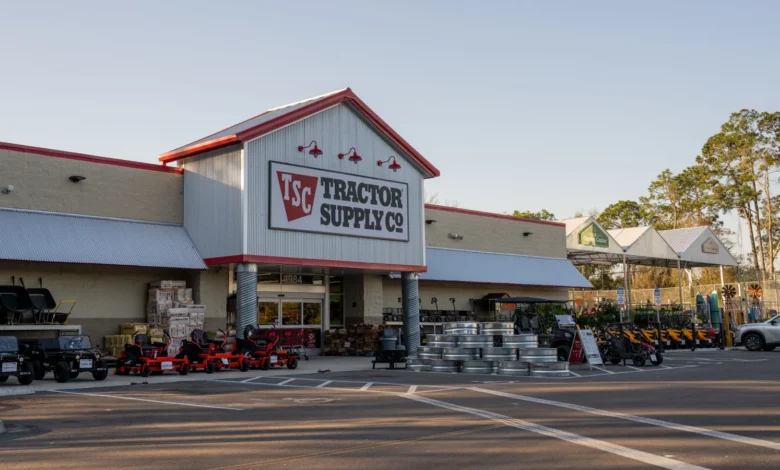
Tractor Supply Company, the nation’s largest rural lifestyle retailer, is navigating a tumultuous period marked by a confluence of adverse factors severely impacting its financial performance and future outlook. The company, which caters primarily to farmers, ranchers, and rural homeowners, reported a challenging second quarter for 2026, revealing a significant slowdown in sales growth, a faltering pet business, and heightened competitive pressures from retail giants like Amazon and Walmart. Compounding these internal and market-driven issues are external forces, including persistent drought conditions in key operating regions and sustained high fuel prices, which disproportionately affect its core customer base.
A Quarter of Unexpected Reversals
The retailer’s second-quarter results for 2026, released shortly before July 23, 2026, painted a grim picture for investors. What began as a promising period with positive comparable store sales growth in April and June was effectively "wiped out" by a sharp downturn in May. This volatility led to a disappointing overall comparable store sales decline of 1.8% for the quarter, significantly below analyst expectations for modest growth. Net sales for the quarter reached an estimated $4.1 billion, a marginal increase of 0.5% year-over-year, largely driven by new store openings rather than organic growth. Net income also saw a notable dip, falling by approximately 8% to $320 million, resulting in diluted earnings per share (EPS) of $2.85, missing consensus estimates by several cents.
In response to these results and the challenging operating environment, Tractor Supply CEO Hal Lawton addressed analysts on Thursday, July 22, 2026, detailing the various pressures facing the company. The previous guidance for full-year 2026, which had already been reined in during January, was further downgraded. The company now projects full-year comparable store sales to range from a decline of 1.0% to a modest increase of 0.5%, a stark contrast to earlier expectations of low-to-mid single-digit growth. This downward revision sent ripples through the market, with Tractor Supply’s stock experiencing a notable dip in after-hours trading.
Environmental and Economic Headwinds Mount
A primary contributor to Tractor Supply’s recent struggles has been the severe weather patterns impacting crucial agricultural and residential markets. Hal Lawton specifically highlighted "persistent drought conditions across several key Southeastern markets." This prolonged aridity has drastically limited normal seasonal activity, directly reducing demand for essential lawn care products, gardening supplies, and other outdoor-related purchases that typically drive sales during the spring and early summer months. Farmers in these regions face reduced crop yields and increased feed costs for livestock, leading to a tightening of their discretionary spending. Homeowners, too, curtail landscaping projects and outdoor recreational purchases when water restrictions are in place or when the land itself is parched. This environmental stress creates a ripple effect, impacting not just specific product categories but the overall economic health of the communities Tractor Supply serves.
Adding to the environmental woes, the sustained high prices for gasoline and diesel fuel present another significant hurdle. Rural residents, by nature of their geography, often depend heavily on personal vehicles for longer commutes to work, school, and essential services. Farmers, in particular, rely on diesel to operate a wide array of heavy machinery, from tractors and harvesters to irrigation pumps and delivery trucks. These elevated fuel costs act as a double-edged sword: they directly inflate operational expenses for agricultural businesses, squeezing profit margins, and they reduce the disposable income of rural consumers. Lawton noted that customers are "consolidating their trips," indicating a conscious effort to reduce travel, which directly translates to fewer visits to Tractor Supply stores and a more focused purchasing pattern, often bypassing less essential or discretionary items. This shift in consumer behavior forces retailers to adapt quickly, emphasizing value and convenience.
Broader economic uncertainties also play a role. While inflation has shown signs of moderation in some sectors, the cumulative effect of several years of rising costs continues to pressure household budgets. Consumers are becoming more discerning with their spending, prioritizing necessities for their homes, pets, and farms, while "pulling back on discretionary items." This trend impacts categories such as home décor, outdoor leisure equipment, and non-essential tools, which Tractor Supply typically offers alongside its core agricultural and pet supplies. The company is actively "reinforcing its value proposition" through competitive pricing, loyalty programs, and a focus on essential goods, hoping to retain customer loyalty in a challenging economic climate.
Intensifying Competitive Pressure
For years, Tractor Supply has carved out a unique and highly successful niche by focusing on the underserved rural American market. However, this competitive advantage is increasingly being challenged by two of the nation’s largest retailers: Amazon and Walmart. GlobalData Managing Director Neil Saunders articulated this concern, stating, "Tractor Supply has benefitted from its focus on rural America, but Amazon and Walmart are both encroaching on that territory."
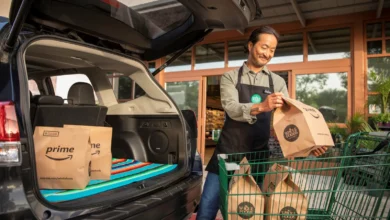
Amazon’s strategic push into sparsely populated areas represents a long-term threat. In 2025, Amazon announced plans to invest over $4 billion to significantly expand its logistics network into thousands of rural communities, aiming to speed up delivery times and enhance accessibility for customers traditionally outside its primary delivery zones. While Amazon’s initial focus might be on "commodity products rather than specialist farm and ranch supplies," as Saunders pointed out, its increasing presence inevitably chips away at Tractor Supply’s market share for everyday essentials. This expansion forces Tractor Supply to further differentiate its offerings, leveraging its expertise in specialized products, in-store services, and the unique community hub aspect of its physical locations. The digital giant’s reach means that even rural customers, who historically had fewer online options, now have greater access to a vast array of products, intensifying price competition and convenience expectations.
Walmart, with its extensive network of stores, many of which are strategically located in or near rural towns, also poses a persistent threat. Walmart’s competitive pricing and broad product assortment, including some farm and pet supplies, allow it to capture a segment of the rural consumer’s wallet. While it may not offer the same depth of specialized products as Tractor Supply, its sheer ubiquity and value proposition make it a formidable competitor for general merchandise and even some agricultural inputs. Tractor Supply must continually justify its premium, if any, through superior product knowledge, customer service, and a curated selection tailored to the specific needs of rural living.
The Unfulfilled Promise of Pet Care
A significant area of concern highlighted in the recent earnings call is the underperformance of Tractor Supply’s expanding pet business. Historically, the pet category has been a consistent growth driver for the company, benefiting from the increasing trend of pet humanization and the strong bond between rural residents and their animals. However, this segment is now "falling short" of expectations.
Several factors could contribute to this downturn. The pet supply market has become increasingly saturated, with intense competition from specialized pet retailers, grocery chains, big-box stores, and a burgeoning online pet supply sector. Consumers, feeling the pinch of inflation, might be trading down to more affordable private-label pet foods and supplies, or simply consolidating their pet-related purchases to fewer, more convenient locations. The "pullback on discretionary items" extends to pet accessories, toys, and grooming services, which often carry higher margins.

Tractor Supply had invested heavily in expanding its pet offerings, including dedicated "Pet Wash" stations, a wider array of premium and specialty pet foods, and veterinary services in some locations. The expectation was that these initiatives would not only drive sales within the pet category but also increase foot traffic for other store departments. The current underperformance suggests that these investments are not yielding the anticipated returns, forcing the company to re-evaluate its pet strategy. This could involve refining product assortments, optimizing pricing, or enhancing the perceived value of its pet services to better compete in a crowded market.
Strategic Course Corrections and Forward Outlook
Despite the immediate challenges, CEO Hal Lawton expressed confidence in the company’s long-term growth trajectory, stating, "We continue to believe we are a growth company." However, this optimism is tempered by immediate strategic adjustments aimed at navigating the current headwinds.
One significant change is the scaling back of store expansion plans for 2027. Tractor Supply will now open 85 to 90 new locations, a reduction from its previous target of 100 new stores. This adjustment reflects a more conservative approach to capital allocation, prioritizing profitability and market saturation over aggressive expansion. The company may be focusing on optimizing existing store performance, refining its site selection process, and ensuring that new stores are strategically positioned for maximum impact in a more competitive and economically constrained environment.
To counter the decline in discretionary spending and combat competitive encroachment, Tractor Supply is "reinforcing its value proposition." This likely involves a multi-faceted approach:
- Pricing Strategies: Implementing competitive pricing on essential items, potentially leveraging private brands to offer value alternatives.
- Loyalty Programs: Enhancing its "Neighbor’s Club" loyalty program to offer more personalized discounts, rewards, and exclusive access to promotions, thereby fostering customer retention and encouraging repeat visits.
- Product Assortment: Curating its product selection to ensure it meets the immediate and essential needs of its rural customers, while carefully managing inventory levels for discretionary items.
- Customer Service: Emphasizing its knowledgeable staff and community-centric approach, which differentiates it from online-only retailers and some big-box competitors.
Another area of uncertainty for Tractor Supply, and many other retailers, is the landscape of tariff refunds. Lawton mentioned this as a factor contributing to the overall uncertainty. Fluctuations in trade policies, ongoing international trade disputes, and the potential for changes in import duties can significantly impact supply chain costs and, consequently, retail pricing and profitability. The lack of clarity around these refunds complicates financial forecasting and inventory management, adding another layer of complexity to an already challenging operational environment.
Analyst Reactions and Market Sentiment
The recent performance and revised outlook have elicited strong reactions from industry analysts. Neil Saunders of GlobalData, commenting on the comparable sales decline, stated that the quarter "was one of the weakest sales performances Tractor Supply has produced in a while." He added, "At headline level, it suggests that the business is running out of steam." Saunders further emphasized the need for "sharper execution — particularly on range and pricing," indicating that the company must refine its core strategies to regain momentum.

Other analysts have echoed these concerns. Following the earnings call, several investment banks downgraded their price targets for TSCO stock, citing increased competition, macroeconomic pressures, and the unconvincing performance of the pet segment. One analyst from a major financial institution, speaking on background, noted, "While Tractor Supply has historically demonstrated resilience, the current combination of environmental, economic, and competitive factors presents a unique storm. Their ability to adapt their value proposition and differentiate their specialized offerings will be critical in the coming quarters."
The immediate market reaction on July 23, 2026, saw TSCO shares drop by over 5% in early trading, reflecting investor apprehension regarding the company’s near-term profitability and growth prospects. This market sentiment underscores the seriousness of the challenges and the pressure on management to demonstrate a clear path to recovery and sustained growth.
Broader Implications for Rural Retail
Tractor Supply’s struggles are indicative of broader shifts and challenges within the rural retail landscape. The evolving rural consumer, while still valuing community and traditional products, is increasingly adopting digital shopping habits and seeking greater value amidst economic pressures. This forces brick-and-mortar retailers to invest in omnichannel capabilities, enhance in-store experiences, and maintain competitive pricing.
The encroachment of e-commerce giants like Amazon into rural areas signifies a fundamental reshaping of retail accessibility. What was once a relatively protected market for specialized retailers is now becoming a battleground where convenience, speed, and price are paramount. Retailers serving rural communities must not only offer specialized products but also cultivate strong customer relationships, provide expert advice, and perhaps even integrate community services to maintain relevance.
Tractor Supply’s situation serves as a critical case study for how even established, niche market leaders must continuously innovate and adapt to a dynamic environment. The interplay of climate change impacts, economic fluctuations, and aggressive digital competition creates a complex operating reality that demands strategic agility, robust financial management, and a deep understanding of evolving customer needs. The coming months will be crucial in determining if Tractor Supply can effectively navigate these formidable headwinds and reaffirm its position as a dominant force in rural American retail.