The Basket Breakaway: How Amazon Is Turning Walmart’s Store Traffic Into a Retail Weakness

A recent PYMNTS Intelligence report, titled “The Basket Breakaway: How Amazon Is Turning Walmart’s Store Traffic Into a Retail Weakness,” has revealed a profound shift in consumer purchasing behavior, challenging long-held retail paradigms. The study indicates that while Walmart continues to dominate routine shopping trips, particularly for groceries, Amazon is significantly extending its lead in purchases that consumers research, plan, and have delivered—often referred to as "considered orders." This divergence suggests that the traditional retail logic, where frequent in-store visits for everyday essentials naturally lead to larger, discretionary purchases, is increasingly faltering. Consumers are no longer bound by the convenience of a single location for all their needs; instead, they are strategically choosing retailers that best fit the nature of each individual purchase, leveraging the strengths of both physical and digital channels.
The Inversion of Traditional Retail Logic
For decades, the weekly grocery run served as the cornerstone of retail strategy. Retailers, spearheaded by giants like Walmart, meticulously designed their supercenters to capitalize on this inherent foot traffic. The idea was simple yet effective: bring customers in for bread and milk, and they would inevitably pick up electronics, apparel, home goods, or seasonal items during the same visit. This "one-stop shop" model was incredibly powerful, allowing retailers to capture a significant share of a household’s total spending. The physical store was the primary gateway, creating opportunities for impulse buys and cross-category sales.
However, the new PYMNTS Intelligence data points to a significant weakening of this relationship. Consumers still rely heavily on Walmart for their routine, convenience-driven grocery shopping—what the report terms "trip spending." These are typically low-consideration, high-frequency purchases where speed, proximity, and price often outweigh other factors. Walmart’s extensive network of physical stores, competitive pricing, and efficient checkout processes make it an ideal choice for these quick, essential runs.
Conversely, for "considered order" spending—purchases that involve more research, planning, and often a higher price point, such as electronics, furniture, specialized apparel, or larger home improvement items—consumers are increasingly gravitating towards Amazon. This category of spending benefits from Amazon’s vast online selection, detailed product reviews, comparative pricing, personalized recommendations, and sophisticated logistics infrastructure that promises fast and reliable delivery. The decision-making process for these items often begins online, driven by convenience, breadth of choice, and the ability to conduct thorough comparisons from the comfort of one’s home.
The implication is stark: frequent store traffic no longer guarantees a larger share of discretionary spending. While Walmart’s aisles may be bustling with shoppers filling their carts with groceries, those same shoppers are often turning to Amazon when it comes to more deliberate, higher-value purchases. This "basket breakaway" signifies a fundamental re-evaluation of value and convenience by consumers, who are now more comfortable and adept at navigating a multi-channel retail landscape.
The Rise of the Omnichannel Consumer and Supporting Data
This shift is not an isolated phenomenon but rather the culmination of years of digital transformation and evolving consumer expectations. The proliferation of smartphones, ubiquitous internet access, and the maturation of e-commerce platforms have empowered consumers to shop on their own terms.
- E-commerce Growth: Global e-commerce sales have consistently grown year-over-year, a trend significantly accelerated by recent global health crises. According to various market research firms, online retail now accounts for a substantial percentage of total retail sales, with projections indicating continued expansion. While grocery e-commerce is still growing, non-grocery categories have long established a strong online presence. For instance, electronics, apparel, and home goods consistently rank among the top online spending categories, aligning perfectly with the "considered order" definition.
- Multi-channel Shopping: Studies by consulting firms like Deloitte and McKinsey regularly highlight that a majority of consumers engage in "omnichannel" shopping behavior. This means they might research a product online, visit a physical store to see it, and then purchase it online for delivery, or vice-versa. The PYMNTS Intelligence report suggests that this multi-channel behavior is becoming more strategic, with consumers consciously segmenting their shopping trips based on product type and desired experience.
- Convenience and Selection: Amazon’s strength lies in its unparalleled selection, competitive pricing, and the convenience offered by its Prime membership, which includes expedited shipping. For a "considered order," the ability to compare hundreds of models, read thousands of reviews, and have an item delivered directly to one’s door often outweighs the immediate gratification of an in-store purchase.
- Personalization: Amazon’s sophisticated algorithms provide highly personalized recommendations, often introducing shoppers to products they didn’t even know they needed, further driving "considered order" spending.
A Brief History of a Rivalry and Evolving Strategies
The competition between Amazon and Walmart is one of the defining narratives of modern retail.
- Walmart’s Ascendancy (Mid-20th Century – Early 2000s): Founded in 1962, Walmart revolutionized retail with its focus on everyday low prices, efficient supply chains, and supercenter format. By the late 20th century, it was the undisputed king of brick-and-mortar retail, leveraging its physical footprint and logistical prowess to dominate.
- Amazon’s Digital Birth (Mid-1990s – Present): Amazon, founded in 1994, began as an online bookseller and rapidly expanded to become the "everything store." Its innovation in e-commerce, logistics, and cloud computing (AWS) allowed it to build an unassailable lead in online retail, challenging Walmart’s physical dominance.
- The Digital Battleground (2010s – Present): As e-commerce gained traction, Walmart initially struggled to adapt its massive physical infrastructure to the digital age. However, under pressure, it invested heavily in its online presence, acquiring Jet.com in 2016 to accelerate its e-commerce capabilities, expanding its fulfillment centers, and developing services like grocery pickup and delivery. Amazon, in turn, recognized the enduring value of physical touchpoints, acquiring Whole Foods Market in 2017 and experimenting with Amazon Go stores to create integrated online-to-offline experiences.
This historical context illustrates that both giants have been striving to bridge the gap between physical and digital. However, the PYMNTS report suggests that while both have made strides, consumer behavior is now creating a new fault line that favors Amazon in one critical segment of spending.
Implications for Walmart: The Challenge and the Opportunity
For Walmart, the findings present a significant challenge but also a clear roadmap for future innovation. The company still attracts millions of shoppers every week, a coveted asset in retail. The task now is to convert that regular customer engagement—the "trip spending"—into a more comprehensive share of their overall wallet, including "considered orders."
Walmart is not oblivious to this trend and has been aggressively investing in capabilities designed to reconnect routine shopping trips with higher-value purchases.
- Walmart+: Launched in 2020, this membership program offers benefits like free unlimited grocery delivery, fuel discounts, and mobile scan-and-go. It aims to build customer loyalty and encourage more frequent engagement across Walmart’s ecosystem, both online and in-store. The goal is to make Walmart the default choice for all shopping, not just groceries.
- Curbside Pickup and Delivery: Walmart has expanded its omnichannel fulfillment options dramatically, making it convenient for customers to order groceries and other items online and pick them up at the store or have them delivered. This blurs the line between online and offline, allowing customers to integrate their digital shopping with their physical store visits.
- Walmart Marketplace: By expanding its online marketplace, Walmart directly competes with Amazon’s vast selection. Third-party sellers on Walmart.com offer a wider array of products, including many "considered order" items, giving consumers more reasons to stay within the Walmart ecosystem for their planned purchases.
- OnePay: While specific details vary, initiatives like OnePay aim to streamline the payment experience, often integrating digital wallets, loyalty programs, and flexible financing options. A seamless payment process can reduce friction and encourage customers to complete more of their shopping, regardless of whether it originates online or in-store.
These initiatives are crucial steps in transforming Walmart’s physical presence from merely a grocery destination into a fully integrated retail ecosystem. By making digital recommendations, loyalty programs, and flexible financing available during or immediately after a physical visit, Walmart can create additional chances to convert store traffic into larger, more diversified baskets.
Amazon’s Continued Dominance in "Considered Orders"
Amazon, on the other hand, is uniquely positioned to capitalize on the "basket breakaway." Its core business model is built around the very attributes that define "considered order" spending: vast selection, competitive pricing, extensive product information, customer reviews, and highly efficient delivery.
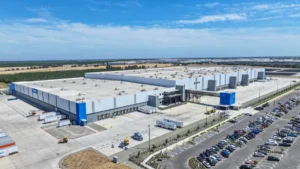
- Logistics Network: Amazon’s sophisticated logistics network, including fulfillment centers, last-mile delivery services, and even drone delivery experiments, ensures that "considered orders" arrive quickly and reliably. This speed and predictability are key drivers for online purchases.
- Customer Data and AI: Amazon’s unparalleled data analytics capabilities allow it to understand individual customer preferences and purchasing patterns with extreme precision. This enables highly effective personalized recommendations, targeted advertising, and proactive customer service, further cementing its role as the go-to platform for planned purchases.
- Prime Ecosystem: The Prime membership model creates a powerful lock-in effect, encouraging subscribers to default to Amazon for virtually all their online shopping needs to maximize the value of their subscription. This includes not just shipping but also streaming, music, and other digital perks.
While Amazon has made inroads into physical retail, its primary strategy remains focused on strengthening its digital dominance and leveraging technology to enhance the online shopping experience. The PYMNTS report suggests this strategy is yielding significant dividends in the "considered order" segment.
Broader Implications for the Retail Industry
The "basket breakaway" has profound implications for the entire retail industry, beyond just Amazon and Walmart.
- Omnichannel Imperative: Retailers can no longer afford to view their physical and digital channels as separate entities. A truly integrated omnichannel strategy is essential, where the customer experience is seamless across all touchpoints. This includes consistent branding, synchronized inventory, unified loyalty programs, and flexible fulfillment options (BOPIS – Buy Online, Pick Up In Store, curbside, delivery).
- Data-Driven Personalization: Understanding consumer behavior at a granular level is paramount. Retailers must invest in data analytics and artificial intelligence to offer personalized recommendations, promotions, and experiences that resonate with individual shoppers, regardless of how they choose to shop.
- Seamless Payment Experiences: The payment process itself is a critical part of the customer journey. Retailers need to offer a variety of flexible payment options, including mobile payments, buy now, pay later (BNPL) services, and integrated loyalty points, to reduce friction and improve conversion rates.
- Supply Chain Agility: The ability to fulfill orders quickly and efficiently, whether from a warehouse, a dark store, or a physical retail location, is a competitive differentiator. Investing in agile and resilient supply chains is no longer optional.
- Re-evaluating Store Purpose: Physical stores may need to evolve beyond mere transaction hubs. They can become experience centers, showrooms for online products, fulfillment hubs for local delivery, or spaces for community engagement, complementing rather than duplicating the online experience.
Expert Perspectives
Retail analysts widely acknowledge this evolving landscape. "This shift underscores the evolving consumer mindset," stated Dr. Eleanor Vance, a lead analyst at Global Retail Insights. "Shoppers are increasingly rational in their channel choice. They want speed and value for routine items, but depth of information and choice for considered purchases. Retailers who don’t recognize this segmentation risk losing out on significant revenue streams."
Another industry observer, speaking anonymously due to client relationships, noted, "Walmart’s challenge isn’t just about getting people to buy more in their stores. It’s about ensuring that when a customer leaves their store after buying groceries, the next time they think about a new television or a pair of running shoes, Walmart’s digital presence is top of mind, not just Amazon’s. Their omnichannel investments are critical, but the psychological habit change is the biggest hurdle."
A spokesperson for Walmart, while not directly commenting on the PYMNTS report, highlighted the company’s "unwavering commitment to providing customers with seamless shopping experiences, whether in-store, online, or through our innovative pickup and delivery services. We believe in meeting our customers wherever and however they choose to shop, and our investments in areas like Walmart+, our marketplace, and enhanced fulfillment are designed to do exactly that." An Amazon representative similarly emphasized their "customer-centric approach, continuously innovating to expand selection, offer competitive prices, and provide convenient delivery options that make shopping effortless and enjoyable for every purchase."
Conclusion
The "basket breakaway" represents a pivotal moment in retail. It signifies that the era of the monolithic "one-stop shop" may be giving way to a more nuanced, customer-driven approach where retailers specialize in different segments of the shopping journey. While Walmart’s physical dominance in everyday essentials remains strong, Amazon’s mastery of the digital realm for planned, higher-value purchases is reshaping the competitive landscape. The future of retail success will hinge on a retailer’s ability to seamlessly connect physical and digital touchpoints, understand granular consumer behavior, and offer integrated experiences that transcend traditional channel boundaries. For both established giants and emerging players, adapting to this evolving consumer behavior is not just a strategic advantage—it is an existential imperative. The battle for the consumer’s wallet is no longer fought solely within the four walls of a store or on a single website; it is an ongoing engagement across an increasingly fluid and interconnected retail ecosystem.