The Creator Economy’s Ascent: Strategies for Minority Creators to Bridge the Pay Gap and Forge Lasting Brands

The global creator economy is poised for unprecedented growth, with projections indicating it will reach a staggering $1.18 trillion USD by 2032. While skepticism persists in some quarters, this burgeoning digital landscape offers a particularly significant and transformative opportunity for minority creators and entrepreneurs from underrepresented groups. The advent of the digital age has unfurled a vast tapestry of avenues for self-expression, fostered deep connections within niche communities, and illuminated previously overlooked pain points and market opportunities. It is precisely creators from these very communities who are best positioned to address these needs and capitalize on these burgeoning markets.
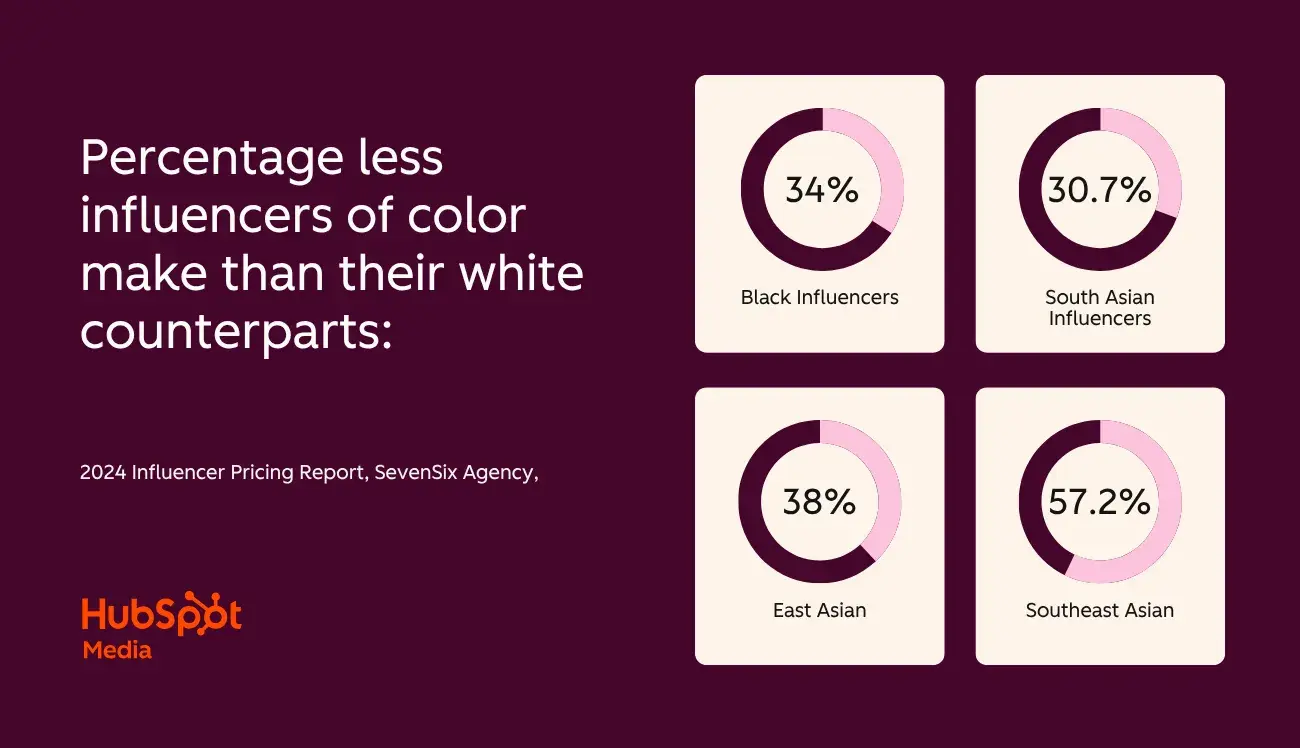
The path to becoming a successful content creator is inherently challenging for anyone, yet it presents amplified obstacles for minority creators. Empirical studies consistently reveal a substantial disparity, with minority creators earning, on average, 50% less than their white counterparts. This significant pay gap underscores the critical role that strategic branding can play in leveling the playing field and ensuring equitable compensation.
In this evolving digital ecosystem, the fundamental question for aspiring creators is no longer about belonging, but rather about how to cultivate a brand that exudes genuine authority, cultivates a devoted audience, and establishes a resilient business capable of thriving in a competitive environment. This article delves into eight actionable strategies designed to empower minority creators to build impactful brands and overcome systemic disadvantages.

The Evolving Landscape of the Creator Economy
The rapid expansion of the creator economy is undeniable. Research from HubSpot indicates that by 2025, an overwhelming 89% of companies engaged with content creators or influencers, with a substantial 77% planning to increase their investment in influencer marketing. Despite this widespread adoption, a significant majority, approximately 96% of creators, still earn less than $100,000 annually. This stark figure highlights a considerable chasm between those who achieve sustainable financial success and those who struggle to make a living wage.
Jason Davis, a contributor to Forbes, posits that this concentration of wealth among a select few creators is a natural consequence of the industry’s maturation. As the market has matured, brands have increasingly consolidated their investments in influencers with a proven track record, akin to the early days of search engines where early pioneers like Archie and Ask Jeeves eventually ceded dominance to Google, which leveraged integration, scale, and disciplined execution. The creator economy has apparently reached a similar inflection point.
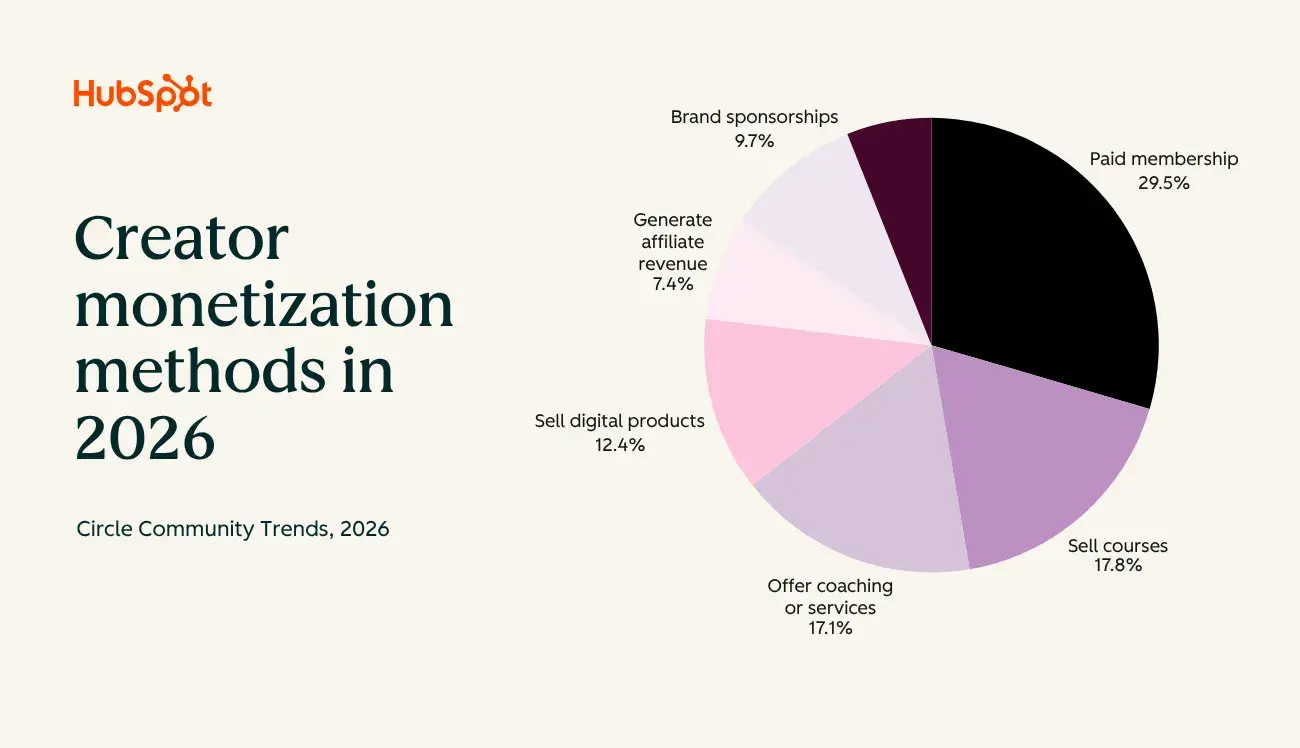
With over 200 million creators worldwide, the top earners are not merely increasing their output but are actively diversifying their income streams across five or more revenue channels. Data from Circle reveals that a mere 22% of creators report earning from affiliate revenue, and only 18% generate income through sponsorships. This indicates a significant reliance on, and potential vulnerability from, a limited number of monetization methods.
Elevating Your Brand as a Minority Creator: Strategies for Success
To navigate this complex terrain and address the inherent pay disparities, minority creators can implement a suite of strategic branding initiatives.

1. Lead with Your Unique Authority
While a niche audience and a distinct identity can open doors, it is unwavering authority that sustains these opportunities and scales a brand beyond ephemeral novelty. Marginalized entrepreneurs are often encouraged, or even implicitly expected, to center their personal narratives or backgrounds. However, without a clearly established expertise within their chosen niche, this attention rarely translates into sustained professional growth. Furthermore, there is a risk of one’s identity becoming perceived as a mere "gimmick."
In the face of potential bias, a brand must swiftly and unequivocally communicate its value proposition. The more precise a creator’s niche or focus, the more recognizable and in-demand they become. The key lies in defining a specialization so specific that replication becomes impossible, compelling brands and audiences to recognize that collaborating with you is not merely desirable, but essential.
Creators should leverage their platforms to showcase their most potent skills and knowledge. Speaking on topics where one possesses unique experience and genuine passion is paramount. This does not necessitate the suppression or dilution of one’s identity. Instead, identity should be viewed as a contextual layer that enriches perspective and distinguishes insights, rather than forming the sole basis of value. Over time, this strategic reframing shifts a brand from being merely interesting to being indispensable.
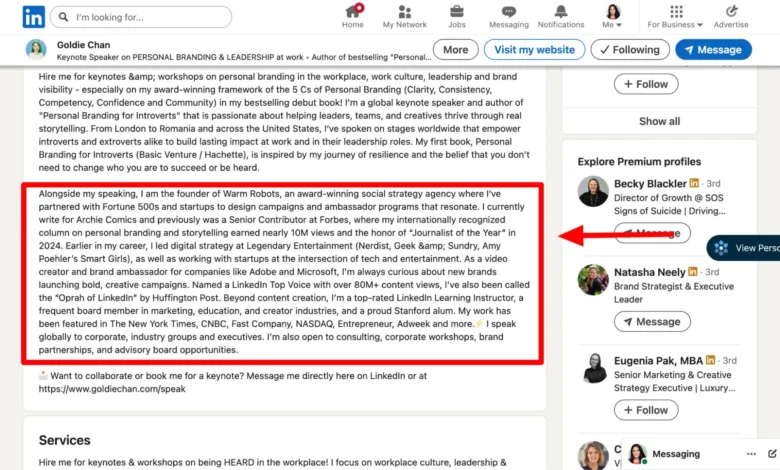
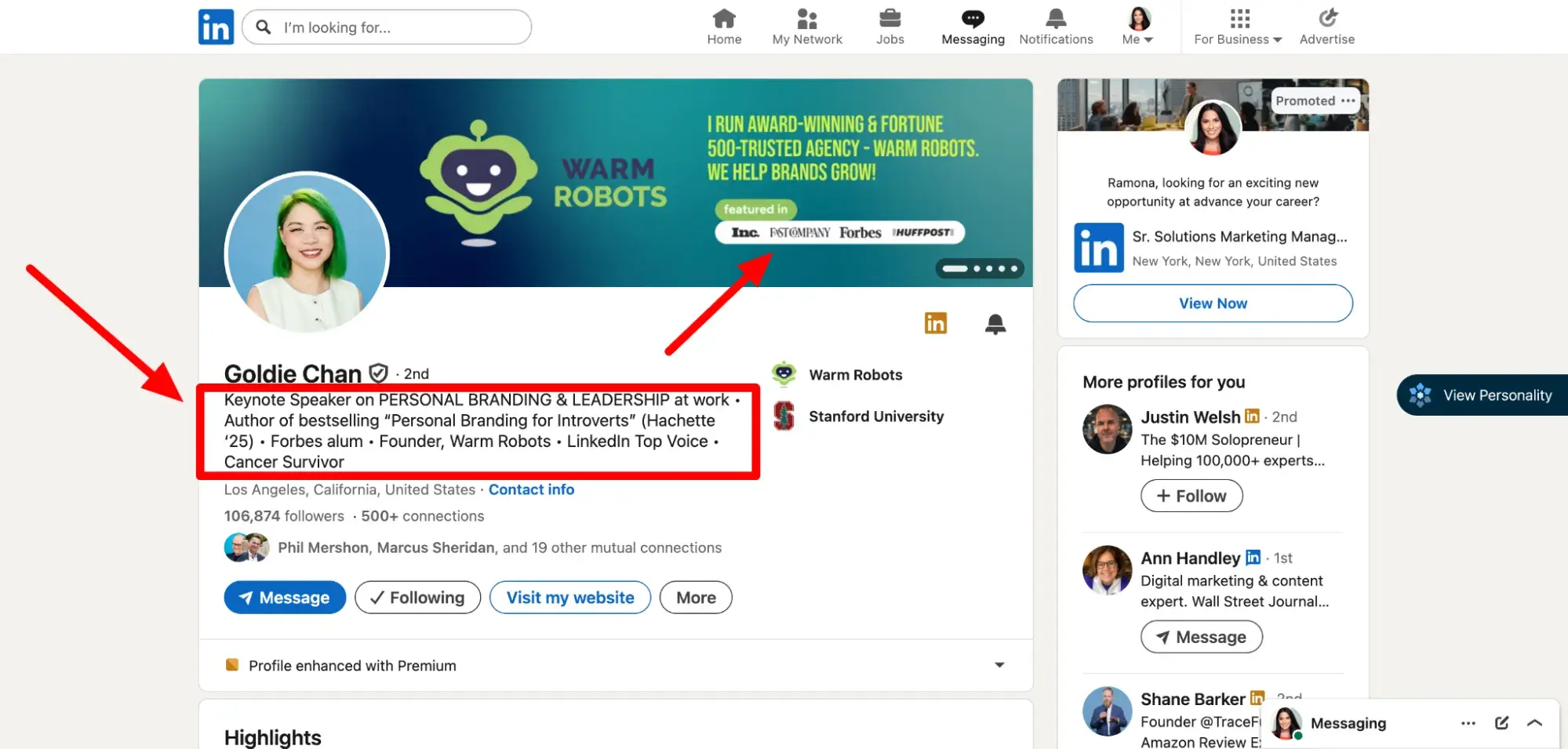
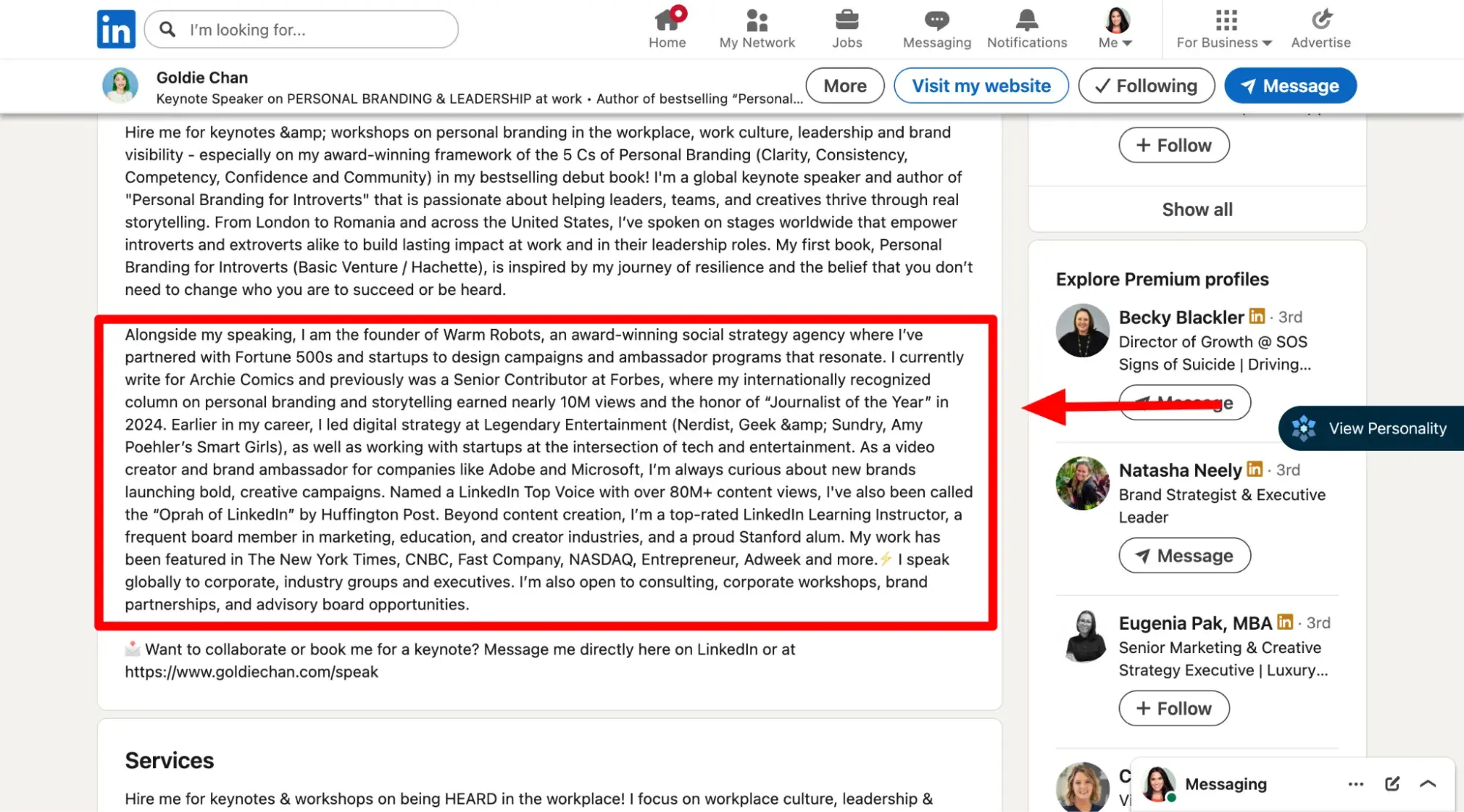
Goldie Chan, an author, speaker, and LinkedIn Top Voice in personal branding, exemplifies this approach. Her online presence consistently highlights her qualifications and achievements, including founding an agency, collaborating with Fortune 500 companies, and leading social strategy for diverse organizations. Her LinkedIn profile, for instance, meticulously details her expertise, positioning her as a thought leader rather than solely a personality.
2. Cultivate a Bold Point of View
As the adage suggests, if two individuals consistently agree, one may be redundant. This principle extends to the creator economy; if a creator merely echoes existing sentiments, their distinct value proposition becomes diluted. To stand out, creators must offer something unique – a bold opinion, a conviction, or a strategy that challenges conventions and reframes common problems or trending topics. This distinctive perspective is what garners citations, quotations, invitations, and ultimately, enduring recognition.
Instead of simply recounting personal experiences, creators should articulate what the broader consensus might be missing and how their approach differs. This distinction transforms passive observation into active, influential commentary. However, the pursuit of a "bold point of view" should not devolve into gratuitous contrarianism.
Chirag Nijjer, a Marketing & Brand Speaker, clarifies that a powerful point of view need not be complex or oppositional. He emphasizes that the most impactful perspectives often stem from the unique lens through which an individual approaches their work. Nijjer’s own approach is rooted in analyzing how brands navigate periods of significant change, prompting the question: "What is the story you wish to tell?" He cites Starbucks’ resurgence under Howard Schultz as an example, where a return to its core narrative of being a "third place" guided strategic investments and decision-making. This foundational question, Nijjer argues, serves as the guiding principle for all his keynotes, videos, and consulting engagements, offering a powerful framework for creators to build lasting brands.
3. Build and Own Your Distribution Channels
Research has indicated that a significant percentage of YouTube creators could face substantial annual income losses if their accounts were revoked. This highlights the considerable power platforms wield over creators’ audiences and earning potential. Consequently, establishing owned distribution channels is a crucial asset for any creator. Resilient brands are not solely reliant on social platforms or third-party visibility, which leaves them susceptible to algorithmic shifts, changing platform priorities, or exclusion from vital networks.
Instead, creators should prioritize building direct relationships with their audiences. This direct connection allows for greater control over content cadence, messaging, pricing strategies, and overall brand direction. Methods for achieving this include building email lists, creating dedicated websites or blogs, and developing private communities or membership platforms. By owning their distribution, creators reduce their dependence on gatekeepers and forge a more stable and scalable pathway to sustained growth.
4. Productize and Monetize Your Knowledge Early
A cornerstone of effective content marketing is the dissemination of valuable information. However, this does not imply that all expertise should be offered freely. Many creators share insights and advice without adequately capturing the full value of their knowledge, which can lead to burnout and undercompensation. Productizing this knowledge early on enables creators to scale their impact and income without a proportional increase in workload. This productization can take various forms, including online courses, e-books, workshops, templates, or exclusive content subscriptions.
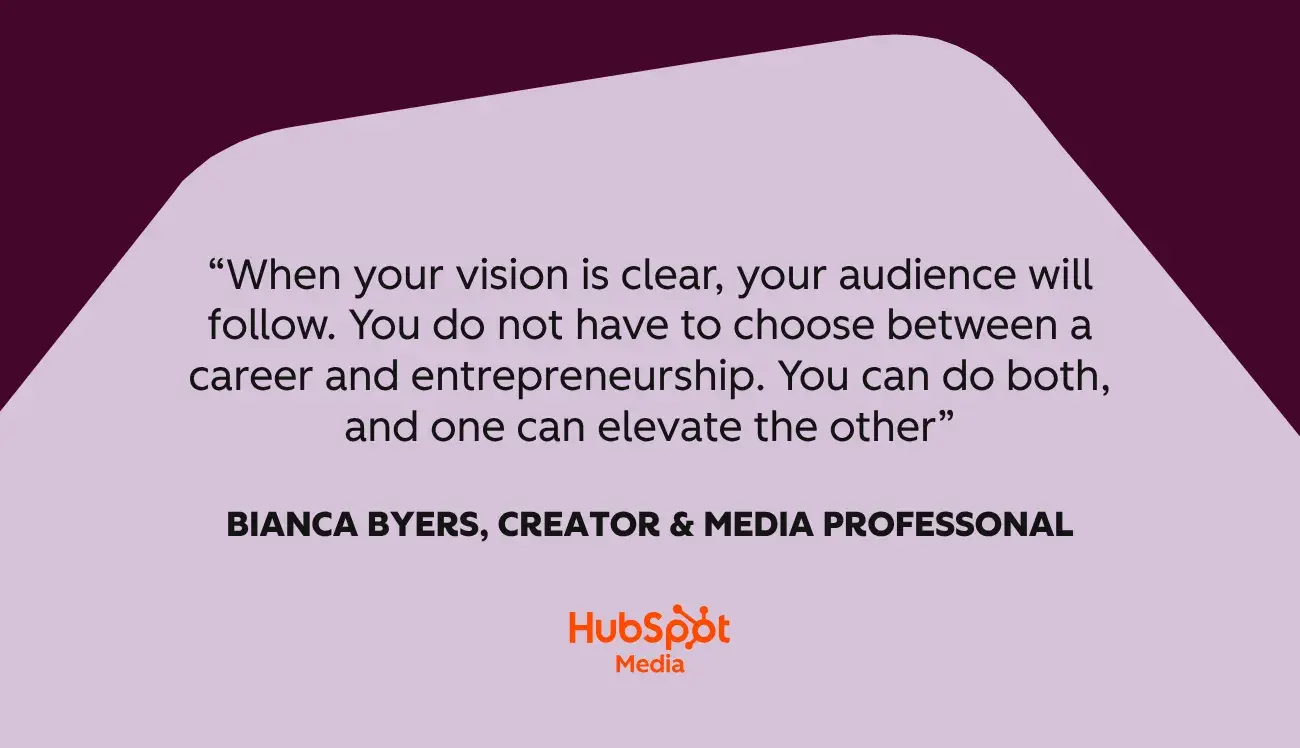
Bianca Byers, also known as Bianca Bee, a media professional with extensive experience across major television networks and film studios, exemplifies this strategy. She has successfully translated her expertise into multiple books, a YouTube talk show, a cosmetic line, and numerous brand collaborations. Byers emphasizes the importance of diversifying income streams, a lesson learned from her decade in the television industry. She advocates for deliberate personal brand growth alongside traditional employment, creating revenue from owned channels and transforming her voice into tangible products that serve her audience. Byers’ advice to creators is to monetize their knowledge proactively and without hesitation, building multiple revenue streams under a unified brand umbrella. This approach allows creators to pursue both a career and entrepreneurship, with each reinforcing the other.
Chirag Nijjer echoes this sentiment, observing that many creators delay charging for their expertise until they perceive themselves as "ready," inadvertently training their audience to expect free content. He shares his experience of packaging his brand research into a keynote presentation years before he felt officially "qualified," a move that subsequently opened doors to collaborations with prominent organizations like Adobe, Shopify, and the History Channel. Nijjer suggests that if an audience consistently poses the same question, the answer likely lies in a product. He notes that the knowledge shared in his keynotes is the same as that disseminated through his Instagram content and television commentary; the difference lies in the packaging and delivery method. This tiered approach caters to varying audience preferences and willingness to pay, effectively teaching the market to value expertise not just as information, but as a tangible product. The goal is to make it effortless for people to compensate creators for the value they deliver, without them having to explicitly ask how.
5. Be Selective About Visibility
Building momentum involves judiciously selecting opportunities that align with one’s brand objectives. Before accepting any panel, partnership, or feature opportunity, creators should critically assess: Does this opportunity align with my brand’s mission and values? Does it position me favorably among my target audience and within my industry? Does it provide access to valuable new connections or resources?
Opportunities that strategically position a creator in relevant circles are worth pursuing. Conversely, those that do not contribute to long-term goals can be declined without concern, regardless of their perceived appeal. Ariel Gonzalez, a HubSpot Content Marketing Manager and self-proclaimed "Magical Marketer," advises that while it’s tempting to accept every opportunity early in one’s brand-building journey, a lack of clarity can lead to a reactive stance where others define the brand. Gonzalez emphasizes the importance of defining what one’s brand represents, setting clear goals, and establishing a personal definition of success. This clarity should then guide all decisions regarding accepting or declining opportunities.
Collaborate Laterally, Not Just Upward
Traditional networking advice often encourages building relationships with individuals in positions of greater power or influence. However, for many emerging entrepreneurs, particularly those from marginalized groups, lateral collaboration—working with peers at a similar career stage—can be more accessible and equally, if not more, effective. These relationships are founded on mutual respect, trust, shared experiences, and aligned objectives. They facilitate access to complementary audiences, joint creation of valuable assets, and collective growth, circumventing the need for hierarchical validation.
Whether through co-hosting events, producing collaborative content, or launching shared products, these peer-to-peer partnerships can accelerate growth while fostering community-based support systems rather than fostering competition. Strategically, this approach is also advantageous: micro-creators with 10,000 to 100,000 followers consistently demonstrate higher engagement rates per dollar invested compared to larger accounts. Marketers have also reported significant success working with this demographic. This trend bodes well for the efficacy of peer-to-peer collaboration, offering both community-building and sound business advantages.
6. Apply for Grants and Programs for Minority Creators
Access to funding and support programs represents a significant hurdle for new ventures, particularly for minority creators. While the availability of grants and minority-focused funds may fluctuate, numerous resources remain accessible. Creators should actively seek out opportunities such as the Fearless Fund, which supports minority women entrepreneurs, or the IF/THEN Ambassadors program, designed to elevate women in STEM. The Black Venture Capital Consortium also provides resources and investment opportunities for Black entrepreneurs. Additionally, the Minority Business Development Agency (MBDA) offers a range of federal grants and financial resources.
7. Align with Brands That Prioritize Inclusion
In 2025, while some brands scaled back their diversity, equity, and inclusion (DEI) initiatives in response to evolving federal regulations, a substantial segment remained committed, actively developing creator programs centered around these principles. Data from Morning Consult’s 2025 tracking indicates that brands maintaining their DEI commitments experienced an increase in net buzz scores, highlighting a positive market reception to inclusive practices.
For minority creators, this alignment is strategically significant. Brands that prioritize inclusion are more likely to advocate for their creators, foster more collaborative and equitable partnerships, and position creators as long-term collaborators rather than mere tokens for diversity initiatives. Depending on a creator’s niche, several partners warrant consideration.
Ulta Beauty stands out as a prominent example of a brand that upheld its commitment to diversity. Its MUSE Accelerator, specifically for BIPOC-founded beauty brands, offers an eight-week curriculum and financial support. This program, in partnership with the Fifteen Percent Pledge, provides substantial resources for early-stage beauty entrepreneurs from underrepresented communities.

HubSpot’s creator program actively partners with podcasters, video creators, and media builders targeting business audiences. Their selection criteria intentionally include a focus on belonging, demonstrating a structural commitment beyond performative gestures. Creators in business, marketing, entrepreneurship, or career development fields are encouraged to explore this program.
Spotify has developed a comprehensive inclusion framework for creators. Its Creator Equity Fund, established in 2022, now supports various programs benefiting marginalized groups, including the Next Gen Artist Program, which provides funding and mentorship to emerging artists, and the SoundUp program, aimed at empowering underrepresented audio creators. These initiatives were reaffirmed in Spotify’s 2024 Equity & Impact Report, making it a valuable resource for creators in the podcasting, audio, and music industries.
8. Protect Your Narrative as You Grow
As a brand gains visibility, there is an inherent risk of its narrative being oversimplified or reduced to a singular focus, particularly for entrepreneurs from marginalized backgrounds whose work might be framed primarily through an identity-driven lens. Vigilance is required to prevent the flattening of a brand’s multifaceted identity.
This involves consistently publishing content that demonstrates depth, range, and strategic thinking beyond personal anecdotes. It also necessitates addressing misrepresentations when they occur, rather than allowing external interpretations to define one’s story. Chirag Nijjer advises creators to treat their narrative as a carefully curated asset, filtering every opportunity through the question of whether it reinforces or dilutes their core message. This discipline, while challenging, involves saying no to opportunities that may appear attractive on the surface but do not align with the long-term narrative.
Nijjer recommends creating a "confidence document" where creators articulate their key stories, origins, turning points, and overarching thesis in precise language. This document serves as a blueprint for consistent storytelling across all platforms and interactions, enabling the development of "Brand Echos"—where the audience begins to articulate the creator’s ideas in their own words. Protecting a narrative, Nijjer argues, is not a defensive maneuver but an active process of establishing clarity and repetition, ensuring that the brand’s essence is unmistakable.
Frequently Asked Questions About Elevating Your Brand as a Minority Creator
What is the biggest challenge for marginalized entrepreneurs?
Persistent barriers for creators and entrepreneurs from underrepresented backgrounds include limited access to capital, established networks, and equitable compensation. Studies consistently show that minority creators earn significantly less than their white counterparts, with specific disparities noted across Black, South Asian, East Asian, and Southeast Asian influencers. Algorithmic bias and the increasing concentration of brand spending further exacerbate the need for minority creators to work harder for visibility. Consequently, building owned distribution, diversifying revenue streams, and aligning with inclusive partners are not merely advantageous but essential strategic imperatives.
Why is personal branding important for underrepresented founders?
Developing a strong personal brand enables creators to bypass traditional gatekeepers, establish direct trust with their audiences, and cultivate independent revenue streams. Even without the same level of exposure or resources as established entities, a creator’s reputation and credibility can serve as powerful advocacy tools.
What’s the fastest way to grow a brand today?
While there is no universal formula, high-growth creators typically exhibit a clear, credible point of view, maintain consistent presence on platforms frequented by their target audience, and monetize their expertise early rather than waiting for an arbitrary sense of readiness. Lateral collaboration with peer creators can also accelerate growth more effectively than solely pursuing top-down validation, particularly in the initial stages of brand development.

Building the Brand You Wish to See in the World
The creator economy offers unprecedented accessibility, yet it is also marked by intense competition. This duality is particularly palpable for minority creators and entrepreneurs, where systemic barriers coexist with significant opportunities. The strategies outlined herein are not intended to circumvent an often-unforgiving system but rather to foster the development of something more enduring: a brand imbued with genuine authority, an audience that is directly owned, and a business model resilient to platform shifts, gatekeepers, or fleeting trends.
The continued commitment of brands to DEI initiatives, as evidenced by increased market buzz, demonstrates a positive trend that rewards inclusion. Despite the inherent challenges, creators are building within an environment that is increasingly recognizing the value of diverse perspectives. The most successful creators of the coming decade will be those who possess clarity about their core values, exhibit strategic discernment in their endeavors, and meticulously safeguard their narratives. Every creator possesses a unique perspective. Now is the time to build a brand that amplifies it.
This article is part of Breaking the Blueprint, a HubSpot series dedicated to exploring the unique challenges and experiences of minority-owned businesses and professionals from underrepresented backgrounds. The series aims to nurture differentiators, elevate careers, support entrepreneurial growth, and ultimately foster the success of marginalized groups in the contemporary market.