Google Dismantles Massive XCPE Botnet Infecting Over 1.3 Million Android TV Devices Worldwide

In a significant operation aimed at securing the Internet of Things (IoT) ecosystem, Google’s Threat Intelligence Group (GTIG) announced today that it has successfully dismantled the XCPE botnet. This malicious network comprised more than 1.3 million compromised Android-based TV set-top boxes, which were shipped from the factory with pre-installed malware. By embedding malicious code at the hardware manufacturing level, the operators of the botnet were able to hijack user internet connections, facilitate advertising fraud, and sell access to residential proxy services to criminal entities. Security researchers estimate that the reach of this infrastructure extends far beyond the initial 1.3 million identified devices, potentially impacting over 10 million interconnected systems, including telehealth monitors, digital signage, and specialized hardware like karaoke machines.
The Anatomy of the XCPE Botnet
The XCPE botnet, named after a core component of its malware architecture, functioned by surreptitiously turning consumer hardware into nodes for residential proxy networks. A residential proxy service allows third-party clients to route their web traffic through the IP addresses of real, unsuspecting users. While legitimate use cases for such services exist—such as market research or content delivery—the XCPE botnet operated without the knowledge or consent of the device owners.
Once the infected Android TV boxes were connected to a local network, the malware established persistent communication with command-and-control servers. These servers instructed the devices to lease the user’s internet bandwidth to various proxy providers. This activity enabled cybercriminals to mask their digital footprints, bypass geolocation restrictions, and perform illicit tasks such as automated account takeovers, large-scale data scraping, and the distribution of secondary malicious payloads.
The GTIG investigation identified the primary source of the infection as Videostrong Technology Co., a China-based manufacturer. Evidence suggests that Videostrong integrated the malware directly into the device firmware, ensuring that the malicious software initiated automatically upon the first boot sequence. By monetizing the backdoor, the manufacturer reportedly sold access to various criminal affiliates, turning consumer living rooms into active participants in a global cyber-fraud machine.
Chronology of the Investigation and Takedown
The discovery and subsequent disruption of the XCPE botnet were the result of months of collaborative efforts between Google, security startup Synthient, and other industry partners.

- Early 2026: Synthient researchers began documenting the rapid expansion of the Kimwolf botnet, noting its aggressive use of residential proxy service vulnerabilities to pivot from TV boxes to other IoT devices within the same network.
- June 2026: The FBI and industry partners seized hundreds of domains associated with NetNut, an Israeli-based proxy provider, revealing that the company was operating the "Popa" botnet, which utilized similar tactics to enslave TV boxes.
- August–October 2026: Google’s internal teams accelerated their forensic analysis of Android TV firmware, identifying the specific "XCPE" malware signatures linked to Videostrong.
- November 2026: Google officially severed all ties with Videostrong Technology Co. and launched legal actions to seize the domains and server infrastructure used to maintain the botnet’s control layer.
The takedown was bolstered by the Motion Picture Association (MPA), which assisted in the physical procurement and teardown of various Android-based streaming devices to verify the presence of the malware and its propagation methods.
The Role of Residential Proxy Providers
A central finding in the GTIG report is the inadvertent—or in some cases, complicit—role of the residential proxy industry. The report names several providers whose Software Development Kits (SDKs) were discovered inside the infected devices. Among those cited are AppSalt (formerly Honeygain), NetNut, EarnFM, Traffmonetizer, Jaguar, LINKFOG, BMW/IPWeb, and GaGaNode.
The involvement of major entities highlights a broader systemic issue within the "bandwidth-as-a-service" market. For instance, Honeygain, now part of the Source entity, recently underwent a high-profile reorganization following a $130 million funding round that valued the parent company at approximately $3.6 billion. The ease with which these providers’ SDKs were integrated into malicious firmware suggests that the verification processes for onboarding new network nodes are often insufficient to prevent the abuse of hardware by rogue manufacturers.
Official Responses and Industry Accountability
In response to the findings, Oxylabs, the parent company of Honeygain, issued a statement clarifying its position. The company emphasized that its systems are designed to require explicit user consent before a device can function as a proxy node. However, the firm acknowledged that developers involved in the XCPE operation effectively "faked" these consent signals to deceive the platform’s security checks.
"We have been conducting regular audits of the applications provided by our partners," the Oxylabs statement read. "However, following this incident, we will improve the application and the build fingerprinting logic to better detect cases where the SDK is running on an unapproved build." The company noted that it had suspended its relationship with the supplier responsible for the compromised code, which it claims accounted for less than 1% of its total IP address pool.
Google’s stance remains firm: device manufacturers that intentionally embed malware represent an "unacceptable breach of trust." The company has stated that it has already implemented patches to close the vulnerability that allowed the malware to trigger upon first boot, and it is reinforcing its compatibility and security testing requirements for all manufacturers utilizing the Android platform.

Implications for Consumer IoT Security
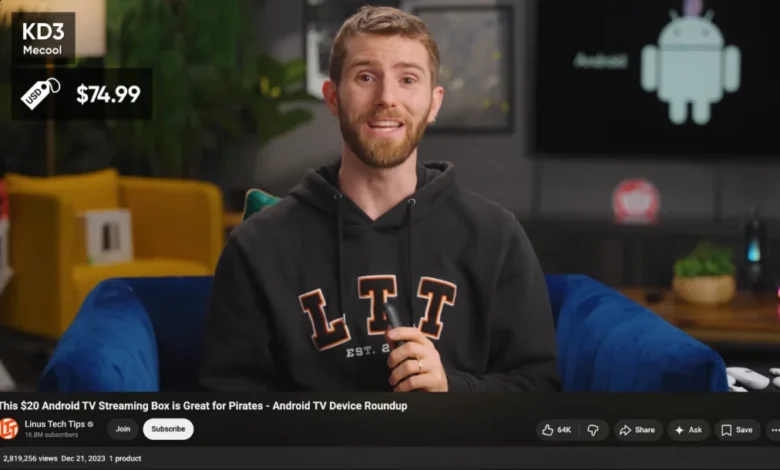
The XCPE incident serves as a stark warning regarding the security posture of low-cost, "gray-market" streaming devices. Many of these products gain popularity through influencer marketing and social media campaigns, often promising access to pirated streaming content for a one-time fee. The MECOOL brand, manufactured by Skyworth Technology, is one such example identified by researchers as having bundled the Videostrong malware.
The implications for the average consumer are significant. Because these devices are frequently connected to home routers, they act as an "open door" into the user’s private network. By controlling the TV box, an attacker can theoretically scan for and compromise other connected equipment, such as smart cameras, thermostats, and even personal computers.
For the cybersecurity industry, the XCPE takedown represents a successful model for future operations. The synergy between private sector threat intelligence, legal intervention, and academic-style forensic research effectively fragmented a network that was previously considered too large to manage. However, experts like Ben Brundage, founder of Synthient, caution that the 1.3 million figure is "highly conservative."
"This is likely the largest operation against backdoored TV boxes we’ve seen to date," Brundage noted. "But the business model of selling residential proxies is so lucrative that, unless there is a fundamental shift in how hardware manufacturers are held accountable, the vacuum left by the XCPE takedown will likely be filled by new actors."
As the market for IoT devices continues to grow, the burden of security is increasingly shifting toward consumers and network administrators. Experts advise that users avoid "too good to be true" streaming hardware, keep their router firmware updated, and use network segmentation—placing IoT devices on a separate, restricted network—to mitigate the risk of a single compromised device exposing an entire household to the global proxy botnet trade.