The High-Protein Holiday: How Retailers and CPG Brands are Reshaping Festive Season Indulgence Through Functional Nutrition

The traditional narrative of the year-end holiday season—typified by unmitigated culinary indulgence, sugar-laden treats, and a temporary suspension of dietary discipline—is undergoing a profound structural shift. Driven by a permanent cultural pivot toward functional nutrition and the surging popularity of GLP-1 weight-loss medications, major retailers and consumer packaged goods (CPG) brands are aggressively reshaping their holiday product strategies. Far from treating November and December as a moratorium on health consciousness, the marketplace is embracing a "both-and" paradigm, flooding shelves with high-protein stocking stuffers, wellness-focused treats, and functional seasonal flavors.
This strategic evolution marks a significant departure from historical retail cycles. Historically, health and wellness positioning was relegated almost exclusively to the post-New Year period, capitalizing on annual resolutions to eat better and exercise more. Today, major retail heavyweights like Target, alongside nimble functional snack brands, are realizing that consumer demand for protein-forward, better-for-you formulations knows no seasonal boundaries. By introducing limited-time offerings (LTOs) infused with classic holiday profiles—ranging from peppermint bark and cookie butter to snickerdoodle and ginger snap—the retail sector is capturing a demographic that refuses to choose between festive participation and personal wellness objectives.
The Retail Strategy Shift: Target and the "And, Not Or" Philosophy
During a recent media day outlining its comprehensive winter holiday strategy, Target’s chief merchandising officer, Cara Sylvester, articulated the philosophy driving this seasonal transition. According to Sylvester, the Minneapolis-based retail giant has intentionally woven health and wellness integration into its broader holiday merchandising blueprint.
"We’re leaning into more wellness or protein-forward items, even for the holiday season," Sylvester stated during the strategy briefing. Acknowledging that consumers naturally tend to increase their caloric and sweet intake during the festive months, she emphasized that the modern consumer’s mindset has evolved into an "and, rather than an or" proposition. Shoppers want the emotional warmth and nostalgic flavors of traditional holiday treats, but they increasingly demand that these products align with active lifestyle and dietary parameters.
Sylvester noted that the protein craze shows no signs of decelerating as the calendar turns toward December. Instead, she anticipates that consumers will actively layer functional, protein-rich goodies on top of their traditional holiday purchases. This approach is already manifesting visibly in physical stores. Recent shopper sightings across Target locations reveal dedicated "stocking stuffer" displays populated entirely by high-protein snacks and functional beverages. Notable products capturing prime real estate include single-serve seasonal releases such as Barebells Peppermint Bark protein bars and Orgain Protein Hot Cocoa plant-based single-serve mixes.
This merchandising philosophy reflects a broader realization across the retail ecosystem: consumer habits have fundamentally matured. Wellness is no longer viewed as a cyclical burden or a
temporary punitive measure, but rather as an enduring lifestyle choice that persists 365 days a year.
The CPG Response: Innovation in Limited-Time Offerings
Behind this retail real estate transformation lies a wave of rapid product innovation from specialized CPG brands. Recognizing the immense marketing and sales potential of seasonal formulations, brands are utilizing agile product development cycles to deploy limited-time offerings (LTOs) that blend functional macronutrient profiles with classic holiday flavor notes.
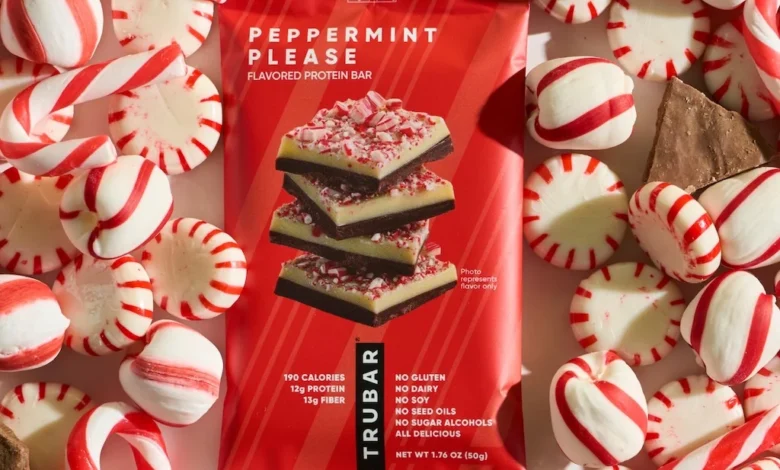
Consider Trubar, a prominent player in the plant-based protein bar sector, which rolled out two distinct seasonal flavors for the holiday period: "Peppermint Please" and "Ginger Snap That!" According to Trubar founder Erica Groussman, the decision to enter the seasonal arena is backed by meticulous demand forecasting that synthesizes direct-to-consumer (DTC) order velocity, customer reviews, and social media sentiment.
"Our community tells us pretty quickly what they want next," Groussman explained in an interview with trade publication Modern Retail. Trubar positions itself intentionally as a dessert-inspired protein bar brand, a categorization that lends itself naturally to the culinary excess of the winter holidays. "And nothing says dessert like the holidays," Groussman added. "People don’t want to give up the holidays, and they don’t want to give up their goals either. These bars let them have both."
By combining historical sales data—such as the proven popularity of mint flavor profiles—with real-time social listening, brands are able to secure retail placement for high-protein SKUs that feel both novel and comforting. Similarly, Pioneer Pastures introduced an expansive lineup of holiday-themed protein shakes featuring flavors such as Snickerdoodle, Hot Chocolate, White Chocolate Peppermint, and Santa’s Sugar Cookie & Cream. These products cater to consumers looking for convenient, ready-to-drink options that deliver high protein counts without requiring baking or meal preparation.
The GLP-1 Factor: A Structural Catalyst for Functional Nutrition
While general consumer interest in fitness and protein consumption has been building steadily for years, the current acceleration of the high-protein trend is profoundly amplified by a major medical and pharmacological milestone: the meteoric rise of GLP-1 receptor agonists, such as Ozempic, Wegovy, and Zepbound.
Recent data compiled by Gallup illustrates the sheer scale of this societal shift, indicating that approximately 12% of U.S. adults are now utilizing weight loss medications. This unprecedented penetration rate has injected millions of new consumers into the wellness market, fundamentally altering dietary requirements and purchasing habits.
Because GLP-1 medications effectively suppress appetite and alter metabolic responses, medical professionals universally stress the critical importance of maintaining adequate protein and fiber intake. Without a conscious effort to consume sufficient protein, rapid weight loss often results in significant, undesirable muscle mass depletion. Consequently, consumers on these regimens must meticulously track and prioritize nutrient density, even when navigating culturally mandatory food events like Thanksgiving dinners, office holiday parties, and family gatherings.
Martyn Strydom, co-founder and CEO of MeAgain, a lifestyle support application specifically designed for individuals utilizing GLP-1 medications, points out that this demographic is actively reshaping the functional food market. According to Strydom, the MeAgain index—which tracks consumer demand and product availability—has documented an explosion of high-protein iterations across dozens of traditionally indulgent snack categories, spanning everything from macaroni and cheese to gourmet popcorn and pretzels.
"It is a testament to the significant demand that exists for high-protein products in the GLP-1 boom," Strydom noted. He emphasized that modern consumers refuse to become social outcasts during festive celebrations simply because of their dietary or medical requirements. Instead, they actively seek functional substitutes that replicate traditional sensory experiences without compromising their health protocols.
As evidence of this trend, Strydom highlighted third-quarter data demonstrating that three of the top ten trending products were explicitly seasonal. Among them were pumpkin-spice-inspired offerings from mainstream and functional brands alike, such as Chobani yogurt and Premier Protein. These products serve as textbook examples of legacy and challenger brands successfully translating traditional comfort flavors into high-protein, functional formats that align with modern nutritional science.
Market Chronology and Evolution of the Wellness Cycle
To fully understand the contemporary integration of wellness and the holidays, it is helpful to examine the chronological evolution of the health and wellness industry over the past decade.
Historically, the consumer wellness market operated on a predictable, highly segmented calendar:
- The Spring/Summer Surge ("Bikini Season"): Brands focused heavily on weight loss, lean proteins, and caloric restriction leading up to summer vacation periods.
- The Autumn Comfort Pivot: Fall traditionally marked a wholesale retreat into indulgence, characterized by heavy carbohydrates, sugars, and comfort foods anchored by flavors like pumpkin spice, cinnamon, and maple.
- The New Year Resolution Spike: January served as the absolute epicenter for wellness marketing, as millions of consumers flooded gyms and overhauled their diets to counteract holiday weight gain.
In recent years, however, this linear model has collapsed. The convergence of social media-driven fitness culture, the democratization of nutritional tracking via mobile applications, and the mainstream adoption of anti-obesity medications has compressed these traditional cycles. Brands can no longer afford to go dark on health messaging for two months out of the year.
Retailers recognized this structural change during the post-pandemic supply chain recalibrations, noting that consumer baskets increasingly contained health-oriented SKUs regardless of the month. By 2024 and 2025, this evolution reached a tipping point, transforming the fourth quarter into a dual-purpose shopping season. Retailers now curate aisles that feature traditional chocolate advent calendars right alongside protein-infused hot cocoas, and holiday baking supplies sitting shoulder-to-shoulder with plant-based protein powders.
Broader Implications and Industry Outlook
The mainstreaming of high-protein holiday treats carries profound economic and operational implications for the broader CPG and retail landscapes.
First, it forces legacy food conglomerates to accelerate their research and development pipelines. Brands that rely solely on high-sugar, low-nutrient seasonal nostalgia risk losing significant market share to agile functional food brands that can rapidly prototype, test, and manufacture better-for-you alternatives. The success of limited-time offerings from brands like Trubar and Barebells proves that consumers are willing to pay a premium price point for seasonal functional products, provided the taste profile successfully mimics traditional holiday treats.
Second, it redefines retail merchandising strategies. As wellness transitions from a seasonal resolution into an all-year-long category, physical retailers must optimize their floor space to capture cross-category shoppers. A consumer buying holiday gifts can simultaneously pick up functional stocking stuffers, thereby increasing basket size and average transaction value for the retailer.
Ultimately, the transformation of the holiday season into a high-protein arena reflects a permanent psychological shift among consumers. Wellness is no longer perceived as a seasonal chore or a temporary diet, but as a holistic, integrated lifestyle choice. As long as pharmacological advancements like GLP-1 medications continue to shape consumer dietary needs—and as long as fitness culture remains central to daily life—the holiday season will never be the same. The "and, not or" philosophy championed by Target and innovative CPG brands represents the new baseline for the modern retail economy: a marketplace where festive indulgence and nutritional optimization can comfortably, and profitably, coexist.