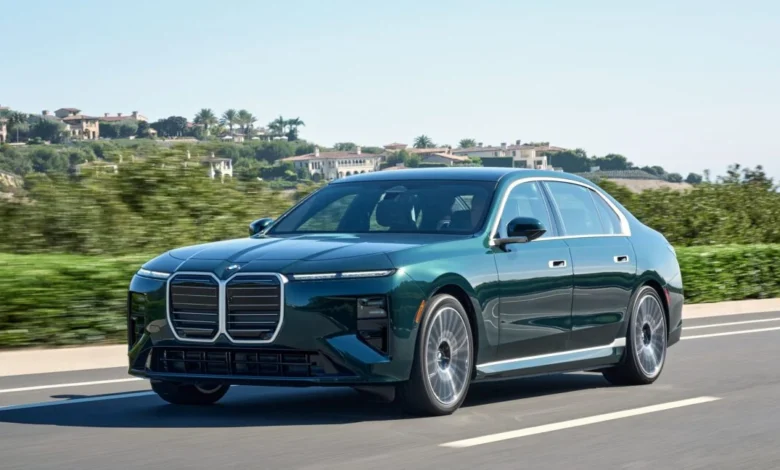
When BMW first introduced the seventh generation of its flagship 7 Series in 2022, the automotive landscape was defined by a cautious transition toward electrification. Rather than following the path taken by Mercedes-Benz, which developed a distinct electric platform for the EQS, BMW opted for a flexible architecture that allowed the 7 Series to exist simultaneously as a high-performance internal combustion vehicle and a cutting-edge battery-electric sedan. This decision was rooted in the philosophy that luxury consumers should prioritize the brand experience over the powertrain, yet as the technology cycle accelerates, even a flagship model must evolve. For the 2027 model year, BMW has implemented a comprehensive mid-cycle refresh for the i7, focusing heavily on battery density, software architecture, and the integration of next-generation power electronics.
The 2027 update arrives at a critical juncture in the luxury automotive market. With competitors from both legacy manufacturers and newer, EV-native companies like Lucid and Tesla pushing the boundaries of range and performance, BMW faced the risk of its premier electric offering falling behind the technological curve established by its own newer 5 Series and 3 Series electric variants. The resulting refresh is more than a mere aesthetic adjustment; it is a fundamental recalibration of the i7’s internal systems, signaling the brand’s pivot toward the future of its modular Neue Klasse platforms.
A Chronology of the 7 Series Evolution
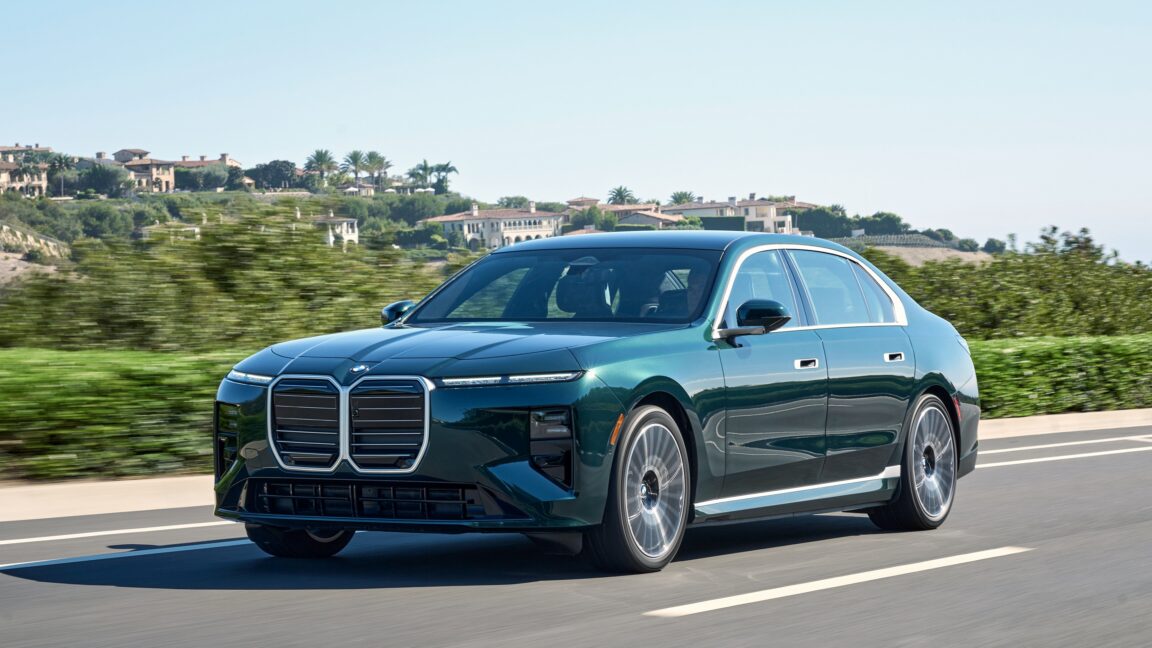
The 7 Series has historically served as the testbed for BMW’s most advanced engineering. The current generation, which debuted in 2022, was designed to bridge the gap between traditional luxury and the digital age. By 2025, BMW had already begun integrating its sixth-generation electric powertrain—a system characterized by the move from prismatic cells to more energy-dense cylindrical cells—into its mid-size segments.
The 2027 update brings this sixth-generation technology to the flagship sedan. This shift is significant because it allows the i7 to leverage the efficiency gains of silicon carbide inverters and compact drive units, which were previously reserved for upcoming models. By replacing the legacy array of discrete, single-function electronic control units (ECUs) with a centralized domain controller architecture, BMW has significantly increased the processing speed of the vehicle’s onboard systems, enabling more refined chassis control and energy management.
Engineering Upgrades: The Core of the 2027 Refresh
The most notable mechanical change in the 2027 i7 60 xDrive is the increase in battery capacity. The net energy content has risen from 101.7 kWh to 112.5 kWh, providing a tangible boost in range and operational flexibility. While the vehicle retains a 400-volt architecture—a design choice that contrasts with the 800-volt systems found in some rivals—BMW has optimized the thermal management and power delivery to ensure that the i7 remains competitive in real-world conditions.
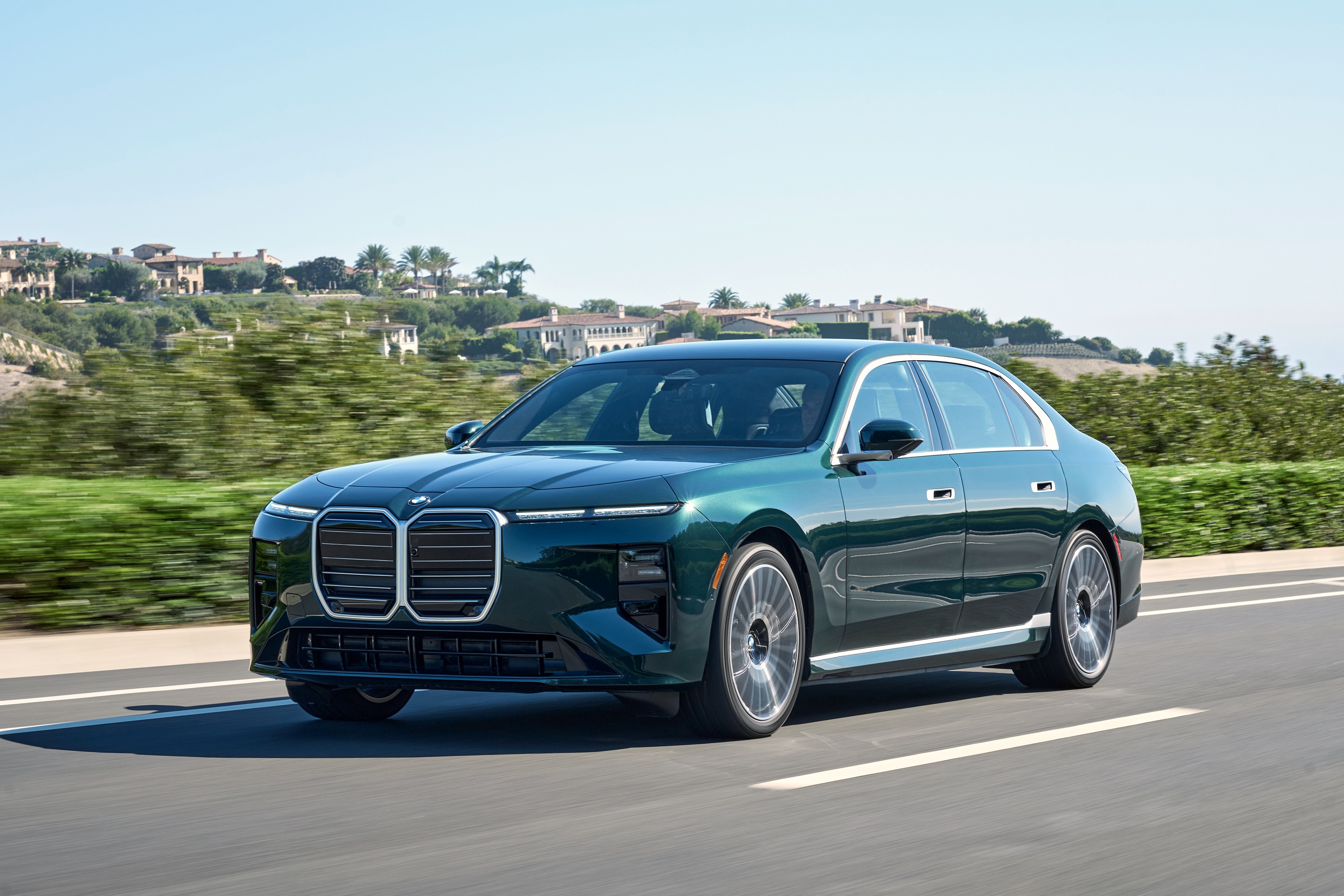
In the 60 xDrive configuration, the dual-motor setup produces a combined 544 horsepower (400 kW) and 549 lb-ft (745 Nm) of torque. While these figures mirror the pre-facelift performance, the delivery of this power is now governed by more sophisticated software. During initial test cycles, the i7 60 xDrive demonstrated a 0–60 mph time of 4.6 seconds. While this performance is brisk, it intentionally avoids the "organ-rearranging" acceleration found in specialized sports EVs. Instead, BMW has tuned the i7 to prioritize a "waftable" ride quality, consistent with the brand’s move toward the ultra-luxury comfort standards often associated with the Rolls-Royce Spectre.
Charging performance has also been bolstered. The DC fast-charging capacity has been upgraded to 250 kW, up from 195 kW, allowing for a 10 to 80 percent charge in approximately 28 minutes. Furthermore, in line with the industry-wide move toward standardization, the 2027 model incorporates the North American Charging Standard (NACS) port, ensuring compatibility with the expanding Supercharger network.
The Software-Defined Cabin
The 2027 update is perhaps most visible from the driver’s seat. BMW has replaced the previous infotainment suite with a new, trapezoidal touchscreen interface and the expansive Panoramic iDrive display that spans the base of the windshield. This transition is not merely cosmetic; it is powered by a new domain controller designed to handle the increased data requirements of high-resolution displays and individual passenger entertainment systems.
A key feature of this new setup is the independence of the screens. The front passenger display and the massive 31.3-inch rear theater screen now operate on separate data streams. This ensures that users can manage their personal profiles, streaming subscriptions, and settings without interfering with other occupants. While the 8K resolution of the rear screen offers significant technical prowess, the practical application remains subject to the limitations of the aspect ratio. When viewing standard cinematic content, the screen utilizes its middle third, leaving significant black bars—a trade-off for the immersive panoramic design.
BMW has also enhanced the vehicle’s AI-assisted route planning. The new system integrates historical charging data, current electricity costs at various stations, and real-time traffic conditions to optimize stops during long-distance travel. This is a crucial evolution, as it moves the vehicle away from reactive charging toward a proactive energy management strategy.
Market Positioning and Competitive Analysis
The i7 enters a market that is increasingly crowded with high-end electric sedans. With starting prices of $106,200 for the 50 xDrive and $124,700 for the 60 xDrive, the i7 sits in a premium segment where buyers expect a blend of technological innovation and traditional material quality.
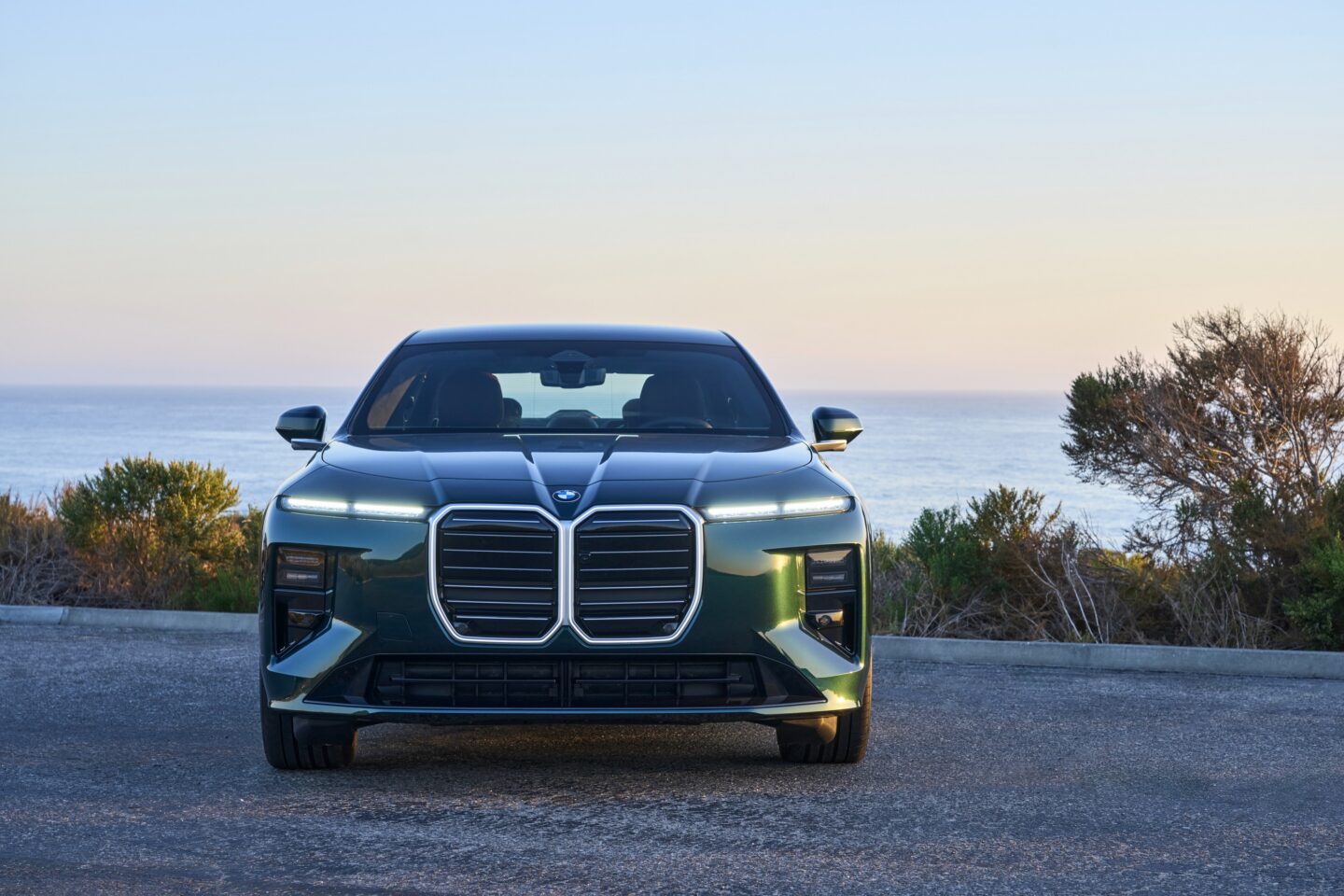
When compared to the Porsche Taycan or the Lucid Air, the i7 offers a different value proposition. While the Taycan excels in track-focused dynamics and the Lucid offers industry-leading efficiency, the i7 focuses on the holistic experience of the passenger. Its precise steering and smooth regenerative braking—a trait refined through its predecessors—make it an exceptional cruiser. The use of Electrically Excited Synchronous Motors (EESMs) is particularly noteworthy, as they allow the car to coast with zero drag, enhancing overall efficiency during highway cruising.
However, the transition to a software-heavy interface has not been entirely seamless. Despite the upgrade in domain controller power, some users may still notice subtle latency in the main infotainment interface. BMW’s integration of Alexa-based voice recognition shows marked improvement over previous iterations, suggesting that the company is effectively utilizing its increased processing overhead to refine the user experience over time via over-the-air (OTA) updates.
Implications for the BMW Brand
The 2027 i7 is a testament to BMW’s commitment to its current modular strategy. By updating the flagship model with technology destined for the Neue Klasse, the company is effectively future-proofing its most important vehicle. This mid-life update demonstrates that BMW is no longer content to treat software as a secondary feature. Instead, the vehicle’s digital infrastructure is now as critical to its performance as its battery or chassis.
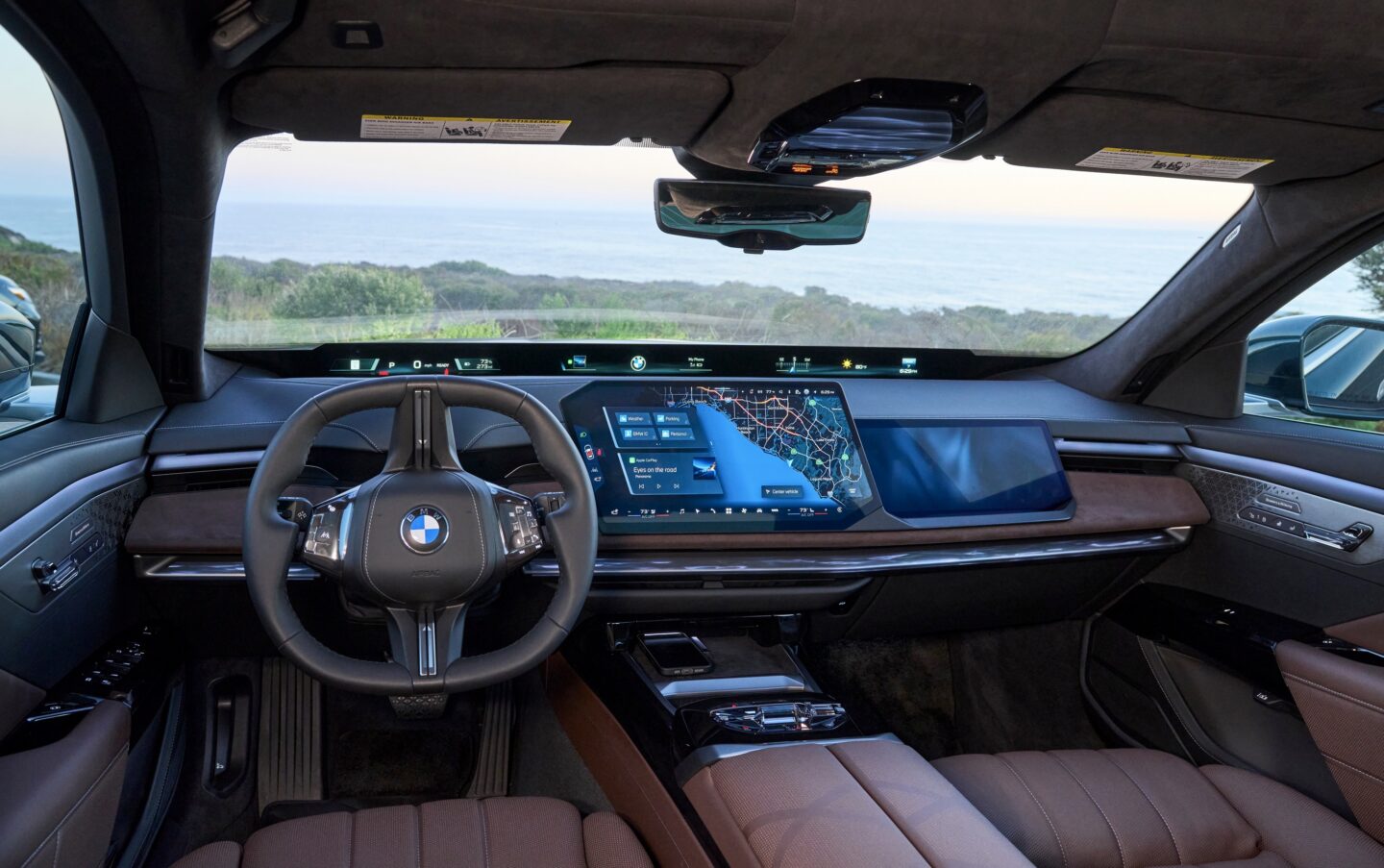
From a manufacturing perspective, the move toward a simplified, domain-controlled architecture reduces the complexity of the vehicle’s wiring and assembly. This should, in theory, improve long-term reliability and lower the cost of maintenance over the vehicle’s lifecycle. For the consumer, it means a car that is better equipped to adapt to future software enhancements.
The 2027 i7 60 xDrive is not attempting to be a sports car, nor is it trying to be the most efficient machine on the road. Instead, it serves as a bridge between the classic luxury of the BMW brand and the digital, electric future that the manufacturer is actively building. By refining its battery tech, improving charging speeds, and digitizing the cabin, BMW has ensured that its flagship sedan remains a relevant and potent contender in the upper echelons of the luxury market, proving that while the power source may change, the essence of the "ultimate driving machine" remains focused on comfort, precision, and forward-thinking innovation.