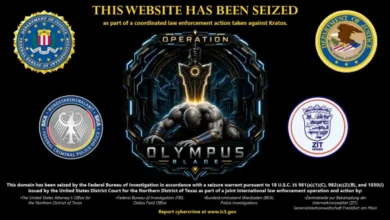
Federal Investigators Uncover Deep Ties Between Cybersecurity Executives and the ShinyHunters Ransomware Syndicate

U.S. federal authorities are currently dismantling a sophisticated network of illicit collaboration between high-level cybersecurity consultants and the notorious hacking group ShinyHunters, following a series of data breaches that culminated in the compromise of FBI recruitment systems. Investigations have revealed that executives at two separate ransomware negotiation firms maintained clandestine, mutually beneficial relationships with the threat actors, with evidence suggesting that at least one U.S.-based consultant actively assisted in the operation of a victim-extortion portal.
This investigation marks a significant turning point in the global fight against digital extortion. For years, the line between victim advocacy and criminal facilitation has been blurred by the rise of "ransomware remediation" firms. However, the revelation that trusted industry insiders may have been acting as force multipliers for criminals—rather than impartial intermediaries—has sent shockwaves through the cybersecurity insurance and incident response sectors.
A Chronology of the ShinyHunters Evolution
The ShinyHunters syndicate has maintained a consistent and destructive presence in the cyber-underground since 2019. Originally a France-based operation, the group underwent a significant structural transition as its founding members faced law enforcement scrutiny and incarceration. By 2026, leadership of the brand had shifted to a young operative known as "Rey," a Jordanian teenager identified in intelligence reports as the central administrator for the group’s operations.

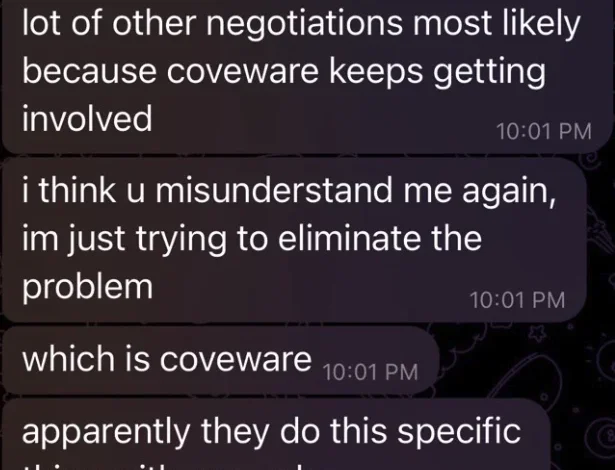
The group’s trajectory reached a fever pitch in late 2026. On September 15, Dutch authorities executed a high-stakes operation in the Netherlands, utilizing flash-bang grenades to apprehend Pepijn van der Stap, a convicted hacker and core member of the ShinyHunters collective. The timing was critical; investigators were able to seize Van der Stap’s device while he was actively logged into his Signal account. The decrypted messages recovered from this device have provided federal agencies with a roadmap of the group’s inner workings, including direct correspondence with executives in Canada and the United States.
By early October, the pressure intensified. On October 3, reports surfaced that Rey had been detained in Jordan and was cooperating with the FBI. Shortly thereafter, on October 9, federal agents arrested Edward Dubrovsky, a 54-year-old Canadian cybersecurity executive. Dubrovsky, who had recently authored a book on cyber-extortion defense, now faces federal charges for allegedly threatening to disclose stolen data and interfering with interstate commerce.
The Role of Shinywire and the Extortion Business Model
Central to the FBI’s case is the operation of "shinywire[.]com," a now-defunct website used to pressure victim organizations. The site, which was active from May 3 to October 16, 2026, functioned as a "shaming" platform that hosted entries for nearly 100 organizations compromised by the group. Each entry served as a psychological lever, displaying samples of stolen files and threatening public exposure unless specific ransom demands were met.
Federal investigators believe that the infrastructure of Shinywire was not merely the product of teenage hackers in Jordan, but was supported by institutional expertise. Sources close to the investigation have indicated that at least one executive at a prestigious U.S. consulting firm—a company with over 1,000 employees—played an active role in maintaining the site. This suggests a level of sophistication where traditional corporate assets were weaponized to maximize the profitability of the ransomware campaigns.

The impact on victims was immediate and severe. For example, Intuitive Surgical, a major U.S. medical technology firm, was targeted in March 2026 following a successful phishing campaign. The data stolen in that breach was subsequently listed on the Shinywire portal, forcing the company into a precarious position of deciding whether to engage with the extortionists or risk the public release of sensitive corporate information.
Conflict of Interest: The Ransomware Negotiation Dilemma
The legal and ethical concerns surrounding ransomware negotiations have been a subject of intense debate among security professionals. In the United States, paying a ransom is not inherently illegal, provided the recipient is not on a U.S. Treasury Department sanctions list. However, this creates a gray market where remediation firms may have perverse incentives.
Mark Camillo, CEO of CyberAcuView, a consortium formed by major cyber insurance carriers, highlighted the fundamental flaw in current business models: "It has come to the industry’s attention that many of the ransomware payers charge a percentage of the final payment. This makes no sense if they are also the negotiator. There needs to be more transparency in the process as no one in the ecosystem should be profiting purely on the size of the ransomware transaction."
When a negotiator’s fee is tied to the total ransom amount, they are financially incentivized to facilitate payment rather than negotiate it down or provide alternative, non-payment-based security advice. In the case of ShinyHunters, investigators found that some negotiators knew the details of breaches before the victims themselves were aware, suggesting a coordinated effort to control the narrative and force a payout.

The Broader Implications of the Dubrovsky Case
The indictment of Edward Dubrovsky has brought renewed scrutiny to the firm Cypfer and its former executive, Daniel Tobok. Court records reveal a complex web of internal disputes and allegations, with Dubrovsky claiming to be a victim of a "destroy" campaign by his former partner. These internal power struggles, when viewed through the lens of the federal probe, illustrate the volatility inherent in the high-stakes world of ransomware remediation.
Furthermore, investigative findings regarding a "Ghostbyte" alias have linked certain industry figures to historical ransomware incidents dating back to 2018. The association of this alias with email addresses used by key figures in the industry underscores a pattern of long-term engagement with criminal elements, long before the current crisis.
Official Responses and the Path Forward
The FBI’s response to the breach of its own recruitment site, fbijobs.gov, has been swift and unforgiving. The agency, which had files containing medical records, Social Security numbers, and specific unit details of employees exposed by ShinyHunters, has utilized every available tool to trace the group’s collaborators.
The Department of Justice has also ramped up its prosecution efforts. Beyond the charges against Dubrovsky, the recent conviction of Florida-based negotiator Angelo Martino and the charges against MonsterCloud CEO Zohar Pinhasi demonstrate a clear federal intent to clean up the cybersecurity consultancy space. Pinhasi, for instance, allegedly charged clients $19 million to "remediate" attacks while secretly paying hackers $8 million to resolve the situation, essentially acting as a middleman for extortion rather than a consultant.

Fact-Based Analysis: Why This Matters
The intersection of organized cybercrime and the professional services industry represents a systemic failure in the cybersecurity ecosystem. When organizations are breached, they look to experts to protect their interests; if those experts are compromised or are secretly working for the adversary, the victim’s ability to respond effectively is neutralized.
The consequences are two-fold:
- The Erosion of Trust: Companies are now faced with the reality that their "remediation partners" may be leaking sensitive information to criminals or inflating ransom demands for personal gain.
- The Failure of the "Pay-to-Delete" Strategy: The case of PowerSchool—where a $2.85 million payment did not prevent subsequent extortion attempts—serves as a cautionary tale. It confirms the warnings issued by reputable firms like Coveware and Unit 221B, who have long maintained that paying hackers provides no guarantee that data will be destroyed.
As the legal proceedings against those involved in the ShinyHunters operation unfold, the cybersecurity industry is likely to face increased regulation. The days of "no-questions-asked" ransomware negotiations are drawing to a close. For the private sector, the primary takeaway is the necessity of rigorous vetting for incident response partners. Security leaders are now tasked with ensuring that the firms they hire to mitigate the threat of extortion are not, in fact, the very people helping the threat actors succeed.
The investigation into the ShinyHunters group is ongoing, with federal prosecutors expected to release further details as the cases against the arrested executives proceed to trial. Until then, the digital security community remains on high alert, as the boundaries between the protectors and the predators continue to be clarified by the relentless pursuit of justice.