The Art of Political Power Dressing: Costume Designer Jenny Gering Defines the High-Stakes Look of Netflixs The Diplomat Season Four

The intersection of global politics and high fashion has long provided a fertile backdrop for television drama, but few series navigate this territory with the precision and aesthetic cohesion found in Netflix’s hit political thriller, The Diplomat. As the series progresses into its fourth season, the visual language of diplomacy has become just as critical to the narrative as the dialogue written by creator Debora Cahn. Behind this meticulously crafted aesthetic is costume designer Jenny Gering, whose work bridges the gap between realistic institutional bureaucracy and aspirational television drama.
Operating in a space far removed from the traditional sartorial choices associated with Capitol Hill, Gering approaches character design through a psychological lens. For a series revolving around high-ranking officials, ambassadors, and heads of state, costumes serve as a vital form of nonverbal communication, acting alternately as armor against political adversaries, symbols of vulnerability, or expressions of personal evolution.
The Psychology of Power: Armor, Uniforms, and Status
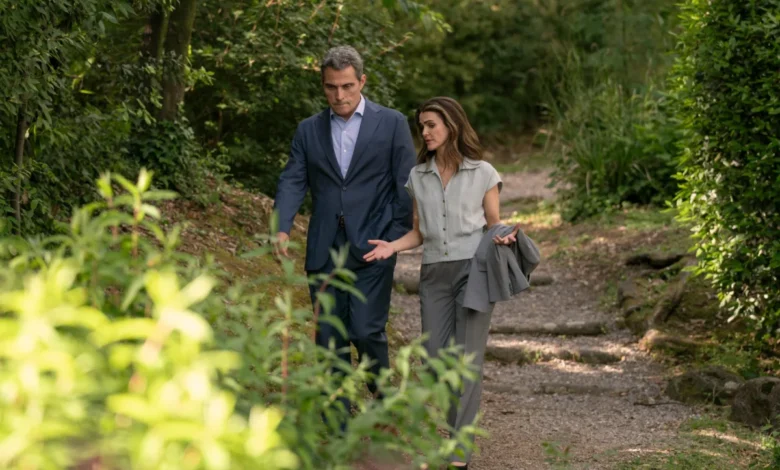
In the high-stakes arena of international relations depicted in The Diplomat, clothing functions as a deliberate strategy. According to Gering, every garment worn by central characters such as Kate Wyler (Keri Russell) and Hal Wyler (Rufus Sewell) is selected to reflect their internal psychological states and immediate professional pressures.
For career diplomat Kate Wyler, practicality and understated authority take precedence, yet her wardrobe must seamlessly adapt to sudden crises, ranging from impromptu diplomatic briefings to late-night video conferences with Washington. Conversely, Hal Wyler—navigating his complex role as a political spouse and former high-ranking official—requires a wardrobe that projects mainstream appeal, approachability, and institutional permanence, heavily communicated through tailored suits and precisely knotted ties.
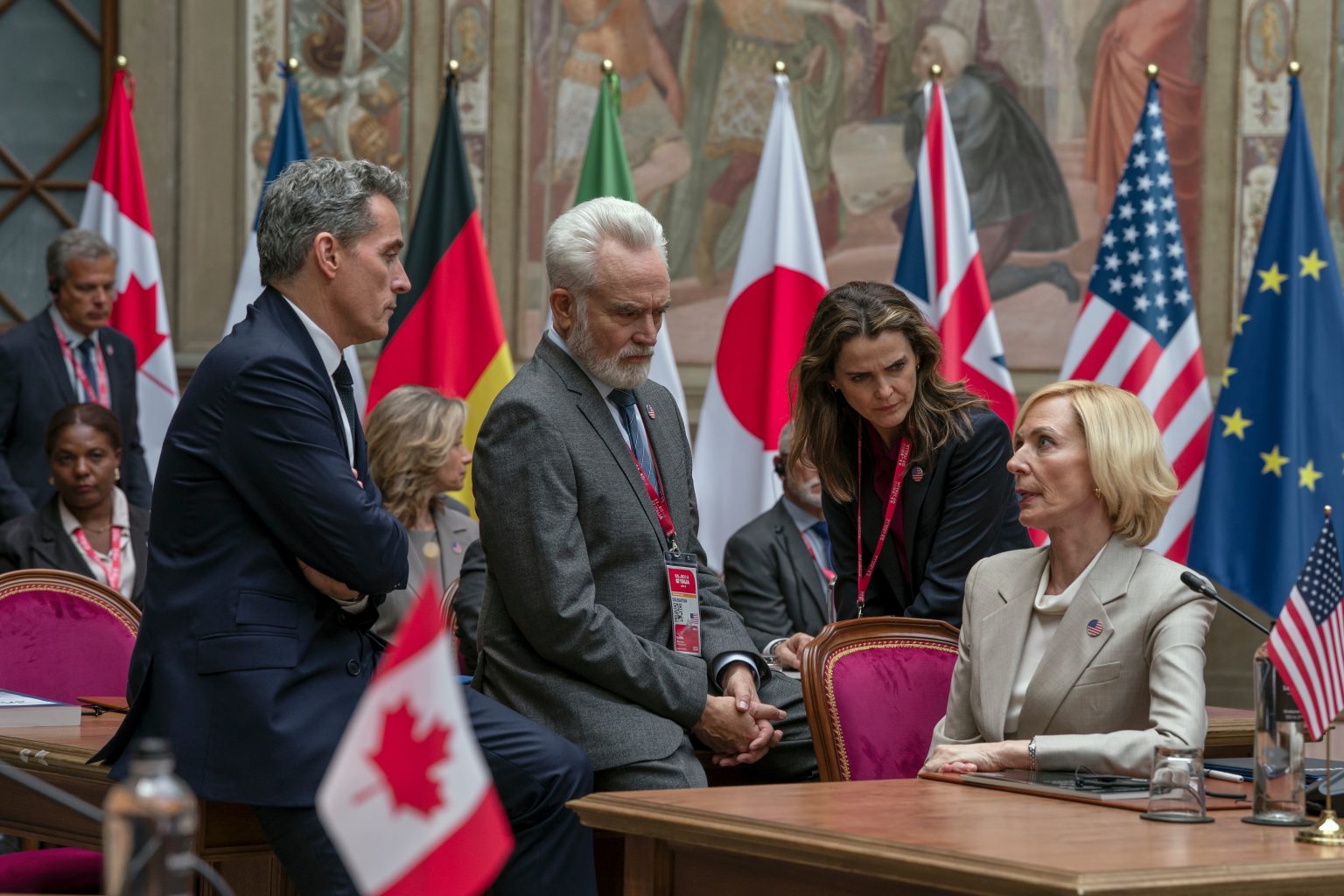
The demands of designing for powerful women in a historically male-dominated sphere are particularly pronounced in the portrayal of President Grace Penn, played by Allison Janney. Gering notes that crafting President Penn’s aesthetic required moving beyond traditional tropes to establish an original silhouette that is neither overly masculine nor excessively soft. Drawing subtle inspiration from historical figures of absolute authority, Gering constructed an "ivory tower" aesthetic for the president—a visual isolation that underscores her character’s deepening conviction that her decisions alone are correct, even as it alienates her from her closest allies.
The Logistics of the G7 Summit: A Global Scale Production
The production scale for The Diplomat reached a new pinnacle during the filming of the season four finale, which centers around a high-level G7 summit. Bringing this massive international conference to life required months of rigorous preparation, international coordination, and historical research.
Principal photography for the season spanned from November through February in New York, alongside location shoots in London and Florence. Because scripts for the final episodes were still being finalized while production was underway, Gering and her team had to anticipate the wardrobe requirements for a diverse assembly of world leaders and delegates well in advance.
The G7 sequence demanded an exhaustive study of international tailoring, color palettes, and cultural nuances. Gering meticulously researched the conservative dress codes and appropriate silhouettes for representatives from various nations, ensuring that the Prime Ministers of Japan, Italy, France, and the United Kingdom each projected a distinct cultural authenticity. This attention to detail extended to the background actors, including aides and protocol officers, creating a fully realized and immersive political environment.
Transitioning from Bureaucracy to Italian Leisure
Season four also expands its geographical scope, taking characters out of standard conference rooms and placing them in relaxed European settings, notably during Kate and Hal’s downtime in Italy. Transitioning these characters from institutional battlegrounds to vacation environments required subtle yet deliberate wardrobe adjustments.
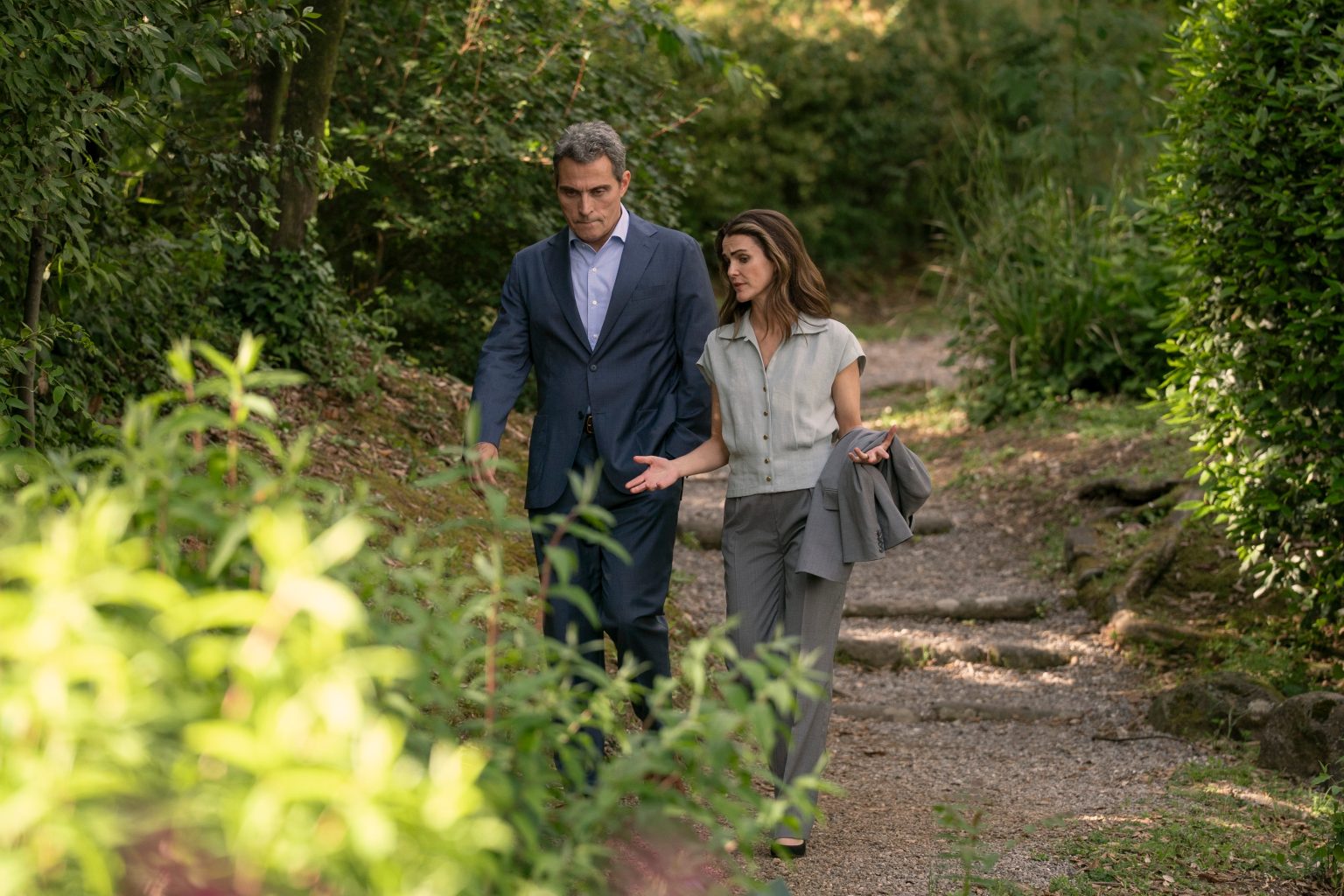
In these scenes, Hal is introduced in lightweight fabrics and without a traditional necktie, signaling a departure from strict bureaucratic protocols. Kate transitions to lower heels and softer suiting options, shedding the rigid layers characteristic of her usual diplomatic engagements. Meanwhile, President Penn assumes the role of the host, outfitted in garments that evoke an effortless Mediterranean hospitality, contrasting sharply with her usual rigid authority. Similarly, Todd Penn (Bradley Whitford) adopts relaxed linen attire immediately upon arrival, maintaining his characteristic adaptability across different cultural backdrops.
Romantic Dynamics and Character Evolution
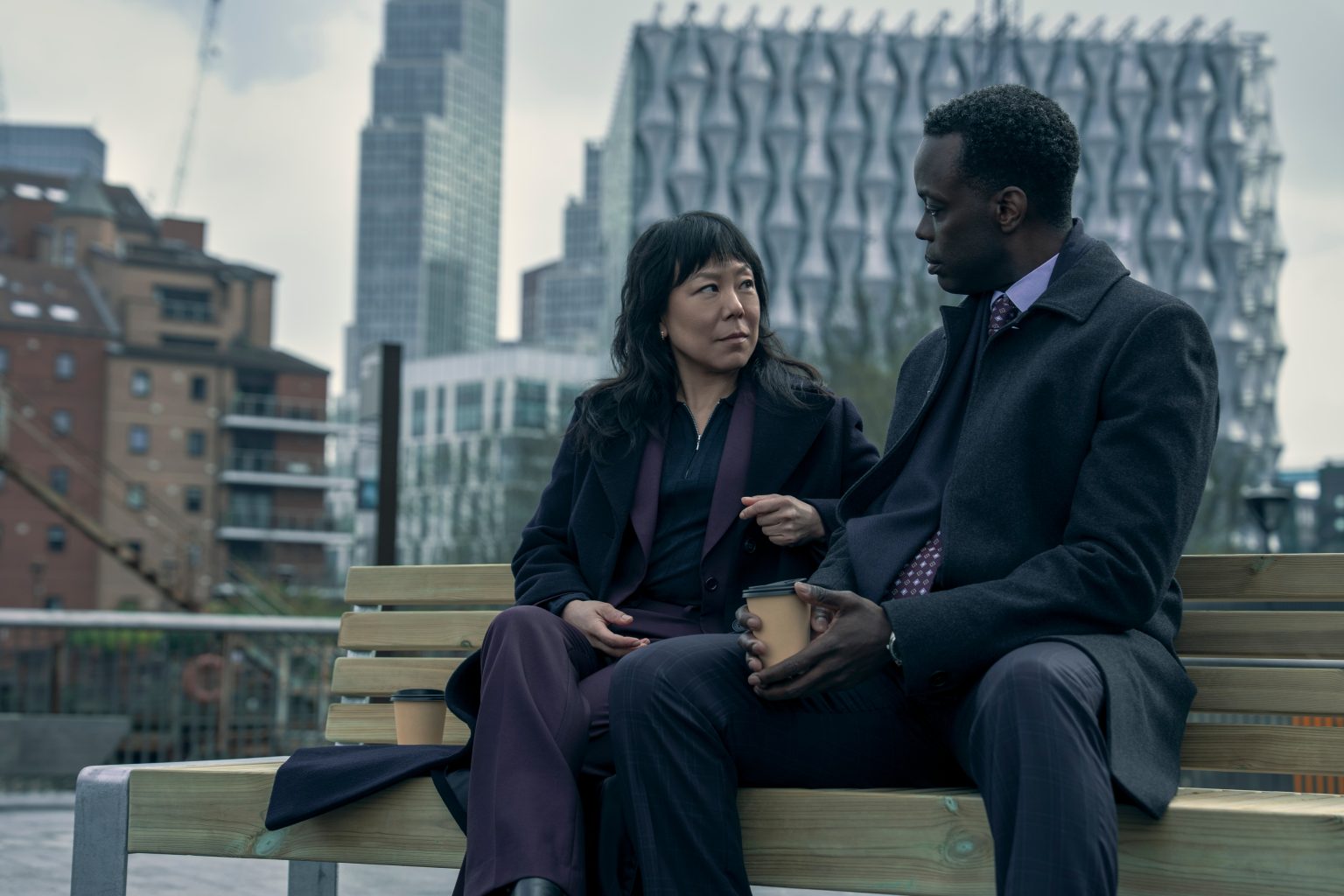
Beyond the macro-level politics of international summits, Gering’s costume design plays an integral role in intimate character moments. A notable example in the fourth season involves the relationship between Eidra Park (Ali Ahn) and Stuart Hayford (Ato Essandoh).
In a standout sequence in the finale, the couple shares a tender moment involving a pink column dress. Gering selected the softer hue to signify a departure from Eidra’s typical professional "battle armor"—the sharp, strong jewel tones she generally relies on in her intelligence-gathering role. The dress was specifically engineered to accommodate unscripted physical comedy between the actors, including a recurring gag involving a travel suitcase, demonstrating how practical wardrobe construction must support dynamic performance choices.
Collaborative Process and Continuity
Gering’s successful realization of the show’s aesthetic relies heavily on close collaboration with the cast, particularly Keri Russell. The working relationship between the designer and the lead actress has developed a shorthand, allowing them to focus primarily on how costumes facilitate the physical action required by the scripts. Rather than relying on trial-and-error fittings, Gering and Russell frequently evaluate garments based on narrative utility—ensuring that a transition from a formal science gala to an emergency virtual meeting can be visually justified through practical layering, such as throwing a blazer over an evening dress.
Furthermore, Gering emphasizes the importance of compositional harmony in multi-character scenes. In a series dominated by formal wear, balancing colors and silhouettes across groups—ranging from two-person dialogue scenes to crowded international summits—requires a painterly approach to visual storytelling, ensuring that no single character inadvertently overpowers the narrative focus of a scene unless narratively intended.
Broader Implications and Cultural Impact
The meticulous attention to costume design in The Diplomat underscores a broader trend in contemporary political drama: the increasing reliance on sartorial authenticity to enhance narrative credibility. As audiences grow more visually literate, television productions are held to higher standards regarding the portrayal of institutional power and international diplomacy.
By treating costumes not merely as surface-level aesthetics but as active agents of character development, Jenny Gering has helped establish The Diplomat as a benchmark for modern political styling. The seamless integration of historical references, cultural tailoring, and psychological profiling ensures that the series resonates with viewers on both a narrative and visual level, securing its place as one of the most stylish offerings in contemporary streaming television.