Mux Introduces New Usage-Based Spending Alerts and Previews Future Spending Caps for Video Infrastructure Customers

In the modern landscape of cloud computing and developer tools, usage-based pricing models have rapidly become the industry standard. While these models offer unprecedented flexibility, scalability, and cost efficiency by aligning operational expenses directly with consumption, they simultaneously introduce a notable degree of financial unpredictability for engineering teams and finance departments alike. Addressing this fundamental challenge of usage-based economics, video infrastructure platform Mux has officially announced the rollout of a comprehensive spending alert system designed to give developers and organizations granular control over their monthly cloud expenditures.
The newly introduced feature allows Mux customers to establish custom dollar-threshold alerts that notify designated team members via email the moment infrastructure spending crosses predefined limits. This proactive notification system aims to eliminate the traditional anxiety associated with utility-style billing, where unexpected spikes—whether triggered by viral content, automated bot traffic, or forgotten test environments—are typically discovered only when the final monthly invoice arrives. By shifting the timeline of cost visibility from month-end retrospectives to real-time notifications, Mux is attempting to bridge the gap between rapid software scalability and fiscal accountability.
The Economics of Usage-Based Pricing and the Visibility Gap
Cloud infrastructure services, ranging from database providers to video streaming platforms, operate on consumption metrics such as gigabytes transferred, encoding minutes processed, or API calls executed. For growing businesses, this model is inherently advantageous during early stages or volatile traffic periods, as companies pay exclusively for the resources they consume without committing to rigid, oversized upfront contracts.
However, this dynamic introduces what industry analysts call the "visibility gap." When a product goes viral, traffic surges translate into immediate business success, but they also trigger steep upward curves in infrastructure costs. Conversely, minor operational oversight—such as leaving a high-definition live stream running continuously over a weekend—can accumulate significant charges before anyone on the engineering team notices. In a worst-case scenario, companies learn about these anomalies weeks later when accounting reviews the monthly bill, leaving little room for retroactive mitigation.
Mux’s newly deployed spending alerts directly target this operational vulnerability. By enabling customizable thresholds, the platform empowers technical leads and financial operators to establish early warning systems tailored to their specific budgetary forecasts. For instance, an organization anticipating a $200 monthly bill can establish tiered thresholds at $100, $200, and $400. Mid-month evaluations can then be measured objectively against these milestones, allowing teams to differentiate between healthy, expected product growth and anomalous traffic patterns.
Mechanics and Configuration of the New Alert System
Implementing the spending alerts requires administrative access to the Mux ecosystem. Customers can configure their monitoring parameters by navigating through the Mux dashboard to Organization Settings, followed by Billing, and finally the Alerts tab. The interface permits the creation of up to three distinct dollar-based thresholds, with a minimum threshold requirement of ten dollars.
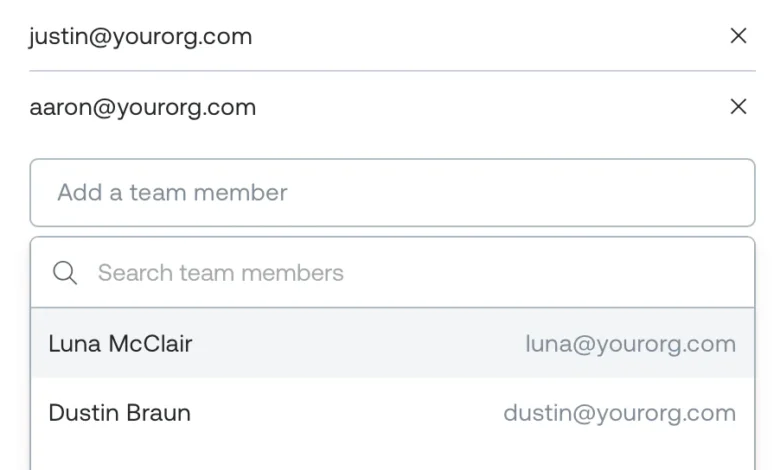
In addition to setting monetary limits, administrators can designate specific recipients within their organization to receive email notifications when a threshold is breached. To maintain operational security and ensure that sensitive financial data reaches authorized personnel, designated recipients must be active users within the respective Mux organization. The system is designed to be dynamic; thresholds and recipient lists can be modified, adjusted, or expanded at any time to reflect changing project scopes, team restructuring, or seasonal traffic forecasts.
According to technical documentation provided by Mux, notifications are dispatched exclusively when a threshold is crossed, minimizing unnecessary notification noise while ensuring that critical financial markers command immediate attention. If consumption remains below a designated threshold, no emails are sent, preserving focus for actual events requiring intervention.
Investigating Cost Anomalies: From Detection to Root Cause Analysis
Deploying automated financial alerts fundamentally changes how engineering organizations respond to infrastructure anomalies. When an unexpected spending alert is triggered—such as a $400 backstop alert arriving prematurely in the first week of a billing cycle—it serves as an immediate catalyst for technical investigation.

Industry best practices suggest that sudden spikes in video infrastructure spending typically stem from one of three primary sources: organic product adoption, automated bot activity, or unmanaged development environments.
Organic growth, often signaled by a project being featured prominently on community aggregators like Hacker News or picked up by mainstream media outlets, is generally categorized as a positive operational event. However, even favorable traffic surges require immediate architectural scaling to ensure service stability and prevent cascading failures.
On the other hand, automated bot traffic and web scraping operations can rapidly drain computing and bandwidth resources without delivering genuine business value. Early spending alerts allow security and engineering teams to identify malicious or inefficient traffic patterns days or weeks earlier than would otherwise be possible, enabling the rapid deployment of rate-limiting, web application firewalls, or bot-mitigation tools. Similarly, catching abandoned test live streams or development loops within hours rather than days prevents hundreds of dollars in wasted operational expenditure.
Looking Ahead: The Horizon of Custom Spending Caps
While real-time alerts provide essential visibility and diagnostic triggers, they remain fundamentally observational. They inform teams that a financial boundary has been crossed, but they do not actively halt the underlying consumption. Recognizing that certain organizations require absolute budgetary boundaries rather than mere warnings, Mux has simultaneously announced the early-stage exploration of custom spending caps.
Unlike alerts, which function as passive notification mechanisms, spending caps represent hard limits designed to automatically throttle or restrict services once a predetermined financial ceiling is reached. The introduction of such a feature, however, involves complex technical and philosophical questions regarding service availability. For mission-critical video platforms, an abrupt hard cutoff could result in service interruptions for end-users, potentially damaging brand reputation and user trust.
To navigate these architectural complexities responsibly, Mux has opened a beta program and feedback channel inviting developers and engineering leaders to share their specific use cases, define what a spending cap means for their operations, and outline desired behaviors when a cap is ultimately breached. This collaborative product development strategy underscores the company’s commitment to aligning its billing infrastructure with the practical realities faced by modern software development teams.
Broader Implications for the Cloud Developer Ecosystem
The rollout of Mux’s spending alerts and the exploration of caps reflect a broader maturation phase within the developer tools and platform-as-a-service (PaaS) sectors. As cloud budgets face tighter executive scrutiny across the technology industry, providers are increasingly evaluated not only on the performance and reliability of their APIs, but also on the depth of their financial governance toolsets.
Historically, enterprise software vendors maintained opaque billing structures that favored unpredictable overages. The modern developer-led growth (PLG) movement, however, demands radical transparency, predictable cost management, and self-serve governance features. By equipping developers with sophisticated financial guardrails, infrastructure providers can lower the psychological barrier to adoption, reassuring enterprise procurement teams and lean startup founders alike that usage-based scaling will not result in unexpected financial distress.
As Mux continues to refine its billing architecture based on user feedback from its alert rollouts and spending cap beta programs, the company sets a noteworthy precedent for how infrastructure platforms can harmonize scalability with fiscal prudence. For organizations building video-centric applications, these tools transform cloud expenditures from a black-box liability into a transparent, manageable, and fully accountable operational metric.