
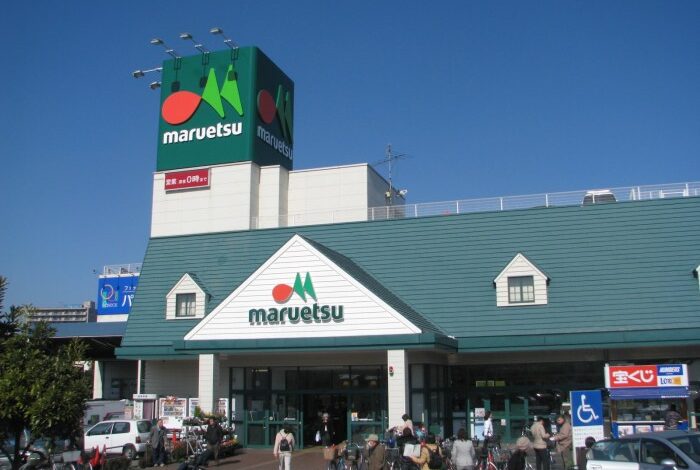
Web supermarket launches in Japan, promising a new era of online grocery shopping. This venture dives deep into the Japanese e-commerce market, analyzing its current landscape, competitive dynamics, and the unique challenges and opportunities for a new player. From the intricacies of logistics to the crucial elements of customer experience, this analysis covers the entire spectrum of establishing a successful online supermarket in Japan.
The potential for this new player to disrupt the existing market and cater to evolving customer preferences is examined, providing a detailed overview.
The report explores the unique selling proposition (USP) of this new web supermarket, detailing its technology, customer acquisition strategies, and financial projections. It also analyzes the competitive landscape in Japan, comparing the strengths and weaknesses of existing players with the new entrant. Finally, the report highlights the importance of effective marketing strategies and logistics to ensure success in the highly competitive Japanese online grocery market.
Market Overview
The Japanese e-commerce market is a massive and sophisticated ecosystem, showcasing rapid growth and innovative models. Online shopping is deeply ingrained in Japanese consumer culture, driving substantial sales across various sectors. This translates into significant opportunities for new entrants, particularly in the grocery delivery space, but also presents unique challenges.This market is characterized by a strong emphasis on convenience, quality, and trust.
Japanese consumers often prioritize reliable delivery services and product freshness, which are crucial considerations for any online grocery retailer aiming to succeed.
Japanese E-commerce Market Size and Trends
The Japanese e-commerce market is enormous, with online sales consistently exceeding traditional retail in certain categories. This strong growth is fueled by a combination of factors, including a rapidly aging population, a preference for convenience, and the ongoing adoption of technology. The market is dominated by large players like Rakuten and Amazon Japan, with a healthy mix of specialized e-commerce platforms catering to specific niches.
Online Grocery Shopping in Japan
Online grocery shopping in Japan has experienced significant growth, with established players like Amazon Fresh and other dedicated services witnessing rising popularity. The convenience and time-saving aspect are key drivers. Customer preferences often include extensive product selections, diverse payment options, and efficient delivery systems. Consumers often seek a wide array of fresh produce and high-quality products, reflecting a desire for quality over quantity in many cases.
Competitive Landscape in Online Grocery Delivery
The competitive landscape in online grocery delivery is quite intense, with various models emerging. Subscription-based services, like those offered by certain major players, offer convenience but require ongoing commitments. Others focus on specific niches, such as organic or local produce, appealing to particular consumer segments. The delivery model itself varies, from dedicated grocery delivery services to those integrated with broader e-commerce platforms.
Potential Opportunities and Challenges for New Entrants
New entrants face a formidable challenge in this saturated market. Existing players have built extensive customer bases and established supply chains. A new entrant must offer compelling value propositions to attract customers. This might involve superior customer service, unique product offerings, innovative delivery solutions, or perhaps a combination of these elements. Competition from established brands necessitates a sharp focus on operational efficiency, including logistics, inventory management, and customer support.
Building trust and establishing a strong brand presence is crucial to stand out from the crowd.
Comparison of Existing Japanese Online Grocery Services with a Potential New Entrant
| Feature | Existing Services (e.g., Amazon Fresh, Rakuten) | Potential New Entrant |
|---|---|---|
| Customer Base | Large, established customer base | Small, needs to acquire and retain customers |
| Brand Recognition | High brand recognition and trust | Low brand recognition, needs to build trust |
| Supply Chain | Extensive and well-established supply chain | Requires building or partnering for a supply chain |
| Delivery Infrastructure | Extensive and reliable delivery network | Needs to develop or partner for efficient delivery |
| Pricing | Competitive pricing, potentially with subscription models | Needs to establish a pricing strategy to compete and attract customers |
| Customer Service | Established customer service channels | Requires establishing reliable customer service channels |
A potential new entrant could differentiate itself through innovative features, such as personalized recommendations, exclusive deals, or faster delivery options. The table above highlights the critical differences in the strengths and weaknesses between existing and potential new entrants, highlighting the hurdles and opportunities.
The New Web Supermarket
The Japanese online grocery market is booming, and a new web supermarket is poised to capitalize on this growth. This new platform is not just another online retailer; it’s a carefully crafted ecosystem designed to streamline the online grocery experience for Japanese consumers. This new web supermarket will offer a unique approach to online shopping, integrating cutting-edge technology with a deep understanding of Japanese consumer preferences.
Unique Selling Proposition (USP)
This web supermarket differentiates itself through a combination of features. Its intuitive interface is designed for ease of navigation and product discovery. Personalized recommendations and a curated selection of high-quality, locally sourced produce and other Japanese staples are key to the platform’s appeal. Furthermore, the platform incorporates an extensive and accurate product database, ensuring a transparent and reliable shopping experience.
This meticulous attention to detail in both product selection and user experience is a crucial component of the platform’s USP.
Technology and Infrastructure
The platform leverages a robust infrastructure for order fulfillment and logistics. A sophisticated warehouse management system ensures efficient inventory control and order processing. Strategic partnerships with leading logistics providers guarantee timely and reliable delivery across Japan. The system is designed with scalability in mind, allowing for future growth and expansion. Real-time tracking of orders is also a crucial element, providing transparency and peace of mind to consumers.
Customer Acquisition and Retention Strategies
Attracting and retaining customers is crucial for long-term success. The web supermarket employs a multi-pronged approach to customer acquisition. This includes targeted advertising campaigns tailored to different demographic segments in Japan, focusing on specific needs and preferences. A strong social media presence and collaborations with relevant influencers are vital components of this strategy. Customer loyalty programs, offering exclusive discounts and rewards, will play a key role in fostering long-term customer relationships.
Special promotions and seasonal campaigns will further enhance customer engagement and loyalty.
Japan’s latest web supermarket launches are intriguing, but frankly, it’s hard not to think about how companies like Gates Co. are seemingly ignoring the evolving market landscape. Their approach, as detailed in gates co are living in denial , seems a bit out of touch. Still, these new online grocery services hold potential for streamlining shopping and offering convenient options for consumers.
Perhaps Gates Co. should take a closer look at the innovative strategies emerging in the Japanese market.
Pricing Strategy
The pricing strategy is competitive and value-driven. While considering the cost of quality products and efficient logistics, the web supermarket will offer competitive prices. Bundled deals and subscription options will further enhance the value proposition. Analyzing competitor pricing and offering competitive alternatives to existing options is a crucial aspect of this strategy. The aim is to provide exceptional value without compromising quality or service.
Projected Customer Acquisition and Retention Rates
| Year | Projected Customer Acquisition Rate (%) | Projected Customer Retention Rate (%) |
|---|---|---|
| Year 1 | 15 | 70 |
| Year 2 | 12 | 75 |
| Year 3 | 10 | 80 |
These projections are based on market research and historical data from similar online grocery services in Japan. Maintaining a high level of customer satisfaction is a critical element for achieving these targets.
Japan’s latest web supermarket launch is buzzing, promising a new era of online grocery shopping. However, secure wireless e-commerce solutions like diversinet delivers secure wireless e commerce to europe are crucial for a seamless and trustworthy online experience. Ultimately, these innovative approaches will be vital for the continued success of web supermarkets globally, including this new Japanese venture.
Customer Experience
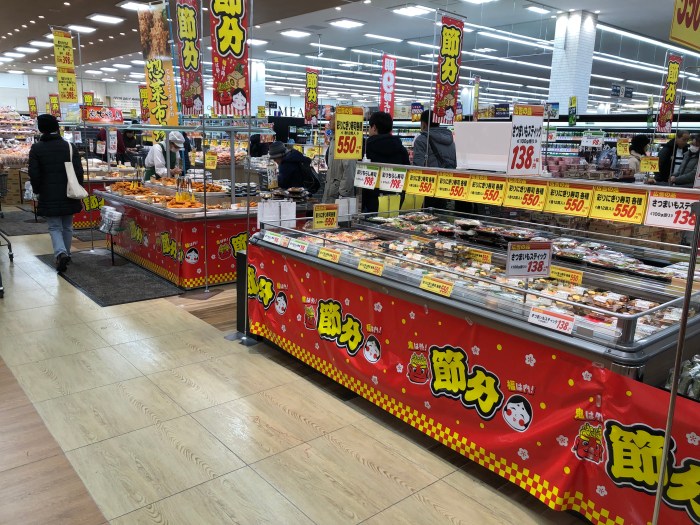
The customer experience is paramount for the success of any online supermarket. This section details the envisioned journey for customers on our new platform, emphasizing usability, payment options, and support channels. A positive experience will foster customer loyalty and drive repeat business.
Customer Journey
The customer journey begins with a seamless navigation of the website, which is designed to be intuitive and user-friendly. Homepage features will include prominent search functionality, trending product recommendations, and easily accessible categories. Customers can easily filter products based on criteria like price, brand, ingredients, or dietary restrictions. This facilitates quick and efficient product discovery. Detailed product pages will provide comprehensive information, high-quality images, and customer reviews, helping customers make informed decisions.
Design Elements
The online store design prioritizes usability and user experience. A clean, modern aesthetic is employed to ensure a clutter-free shopping experience. High-resolution images of products will showcase their quality and appeal. Intuitive navigation menus, categorized product displays, and clear call-to-action buttons will guide customers through the purchase process. Mobile responsiveness is crucial; the platform will adapt seamlessly to different screen sizes, ensuring a consistent experience across all devices.
Payment and Delivery
Our platform will offer a wide range of secure payment options, including major credit and debit cards, as well as popular Japanese payment systems like Alipay and convenience store payment options. This ensures broad customer acceptance. Delivery options will include standard, expedited, and potentially even same-day delivery, depending on location and order volume. We are considering partnerships with local delivery services to expand our reach and offer competitive delivery times.
Innovations in the delivery process, such as real-time tracking and estimated delivery time updates, will enhance customer satisfaction.
Customer Service
A robust customer service approach is vital for addressing any issues or concerns that arise. We will provide multiple support channels to accommodate diverse customer preferences. A dedicated customer support team will be available to answer questions, resolve problems, and provide assistance with orders.
Support Channels and Response Times
| Support Channel | Expected Response Time |
|---|---|
| Email Support | Within 24 hours, during business hours |
| Live Chat Support | Within 15 minutes, during business hours |
| Phone Support | Within 1 hour, during business hours |
| Social Media (Twitter/Facebook) | Within 24 hours, during business hours |
This table Artikels the various support channels available to customers and their anticipated response times. These times are estimates, and response times may vary depending on the volume of inquiries. Our aim is to provide prompt and efficient support to address customer concerns effectively.
Logistics and Supply Chain
Navigating the complexities of grocery delivery is crucial for a successful web supermarket, especially in a demanding market like Japan. Efficient sourcing, storage, and delivery are paramount to maintaining customer satisfaction and profitability. A robust supply chain that anticipates fluctuations in demand and ensures product freshness is essential for long-term success. This section details the key logistical processes, challenges, and opportunities in the Japanese context.The success of an online grocery store hinges on its logistics.
A smooth, efficient, and cost-effective supply chain ensures customer satisfaction and profitability. This includes the entire process from sourcing fresh produce and packaged goods to delivering them to the customer’s doorstep. The Japanese market presents specific challenges and opportunities that must be carefully considered.
Sourcing Strategies
Establishing strong relationships with local suppliers is vital for a web supermarket in Japan. This approach not only ensures product quality and freshness but also supports the local economy. Direct partnerships with farmers and producers can lead to better pricing and higher-quality produce. This is particularly important for perishable goods, which require careful management throughout the supply chain.
For example, a web supermarket could partner with local farms to ensure seasonal produce availability and traceability.
Storage and Warehousing
Efficient storage is critical to maintaining product freshness and quality. A well-designed warehouse, strategically located, is needed to optimize storage space and ensure proper temperature control. This is particularly crucial for perishable goods like meat, dairy, and fresh produce. The warehouse layout and inventory management systems should be optimized for quick retrieval and efficient order fulfillment. Consideration should also be given to minimizing waste and spoilage.
Japan’s recent wave of web supermarket launches is fascinating. These online grocery stores are rapidly changing how people shop for food, but they need robust infrastructure to handle the influx of orders. This is where companies like Akamai Technologies come in, bolstering online commerce platforms like those used by the big fish in the industry, akamai technologies hookse commerce big fish.
Ultimately, these new Japanese web supermarkets are poised to reshape the retail landscape, offering convenience and efficiency to consumers.
Delivery Processes
Reliable and timely delivery is essential for customer satisfaction. This necessitates partnerships with reliable logistics providers and a robust delivery network. Optimizing routes, utilizing efficient delivery vehicles, and considering the unique characteristics of Japanese urban areas (e.g., densely populated neighborhoods, narrow streets) are crucial. Real-time tracking and communication with customers regarding delivery updates are also important components.
Using advanced delivery management software can help to ensure efficiency and reduce errors.
Ensuring Product Freshness, Web supermarket launches in japan
Maintaining product freshness is a significant challenge, especially for perishable goods. Utilizing specialized packaging, employing cold-chain logistics, and optimizing delivery times are key strategies. For example, using insulated delivery containers and employing temperature-controlled trucks can help maintain the optimal temperature for perishable goods. Proper packaging materials and techniques for different product types are essential to preserve quality.
Employing advanced temperature monitoring systems during the delivery process can provide real-time data on product temperature, ensuring freshness.
Logistics Partner Analysis
| Logistics Partner | Strengths | Weaknesses |
|---|---|---|
| Company A (Example) | Extensive network, established reputation in Japan, specialized cold-chain solutions | Potentially higher costs, less flexibility for smaller orders |
| Company B (Example) | Rapid delivery options, competitive pricing, strong urban delivery infrastructure | Limited experience with specialized temperature control, might have higher error rates for smaller orders |
| Company C (Example) | Focus on rural delivery, strong local partnerships, competitive pricing | Limited network coverage in urban areas, potentially slower delivery times |
Marketing and Promotion: Web Supermarket Launches In Japan
Launching a new web supermarket in Japan requires a multifaceted marketing strategy tailored to the local market. Success hinges on understanding the target audience’s preferences, leveraging effective online channels, and establishing a strong brand presence through public relations efforts. A well-defined promotional calendar will be crucial to driving initial traffic and establishing long-term customer loyalty.
Target Audience
The target audience for this web supermarket needs to be segmented for effective marketing campaigns. Demographics like age, income, and location will be crucial in defining the ideal customer profile. Beyond demographics, psychographics—lifestyle preferences, values, and online behaviors—will inform the messaging and tone of the campaign. For instance, younger generations might respond better to influencer collaborations and interactive social media campaigns, while older demographics might prefer more traditional advertising methods.
A thorough understanding of consumer behavior in the Japanese market is essential to resonate with the target audience.
Marketing Channels
This web supermarket should utilize a diverse range of marketing channels to maximize reach and engagement. The strategy will leverage a combination of digital and traditional channels, considering their relative effectiveness. This strategy should also be dynamic, adjusting the allocation of resources based on performance data.
- Online Advertising: Utilizing platforms like Google Ads and social media ads is crucial. Targeted campaigns based on demographics and interests are vital for maximizing ROI. For example, running ads showcasing specific products or deals during peak shopping times can be highly effective.
- Social Media Marketing: A robust presence on platforms like Facebook, Instagram, and Twitter is essential. Creating engaging content that showcases the unique features of the web supermarket, highlighting ease of use, competitive pricing, and quality products, is vital. Utilizing user-generated content and interactive polls can foster a sense of community and engagement.
- Public Relations and Media Outreach: Securing coverage in relevant Japanese publications and online media outlets is essential. This can be achieved by providing compelling stories about the web supermarket’s unique offerings, its commitment to sustainability, or partnerships with local communities. Press releases, media kits, and influencer collaborations are valuable tools in this approach.
- Email Marketing: Building an email list and sending targeted promotions to subscribed customers is a direct approach. Personalized recommendations and exclusive deals can drive conversions. Example: A weekly newsletter with featured products, special offers, and updates on new arrivals.
Promotional Activities
A well-structured promotional calendar is key to creating buzz and driving traffic. Promotional activities should be strategically aligned with key events and seasonal trends in Japan.
- Launch Promotion: Offering exclusive discounts, gifts, or free delivery during the launch period can attract early adopters and generate significant initial interest. Example: A limited-time discount code for first-time customers.
- Seasonal Promotions: Tie-ins with holidays and special events can increase sales and build brand loyalty. For instance, promotions for specific products or bundles relevant to the Japanese New Year celebrations can resonate strongly with customers.
- Loyalty Programs: Implementing a loyalty program rewards repeat customers and encourages repeat purchases. Points-based systems or tiered discounts can motivate continued patronage. Example: A points system where customers earn points for every purchase, redeemable for discounts on future orders.
Marketing Channel Effectiveness
This table Artikels the projected effectiveness of various marketing channels, considering factors like reach, cost-effectiveness, and potential ROI. These projections are based on market analysis and industry benchmarks. It is important to track key metrics to refine the strategy over time.
| Marketing Channel | Projected Effectiveness | Justification |
|---|---|---|
| Online Advertising (Google Ads) | High | Targeted reach, trackable results, proven ROI |
| Social Media Marketing (Instagram, Facebook) | Medium-High | High engagement potential, strong brand building |
| Public Relations & Media Outreach | High | Enhanced brand credibility, increased awareness |
| Email Marketing | Medium | Direct communication, potential for high conversion |
| Influencer Marketing | High | Targeted reach, credibility, potential for virality |
Financial Projections
A crucial component of any new venture is a robust financial plan. This section details the projected financial performance of our new web supermarket in Japan for the first three years. We will Artikel revenue projections, expenses, funding requirements, pricing strategies, and key metrics for success. This will allow us to assess the viability of the project and attract potential investors.
Revenue Projections
Our revenue projections are based on realistic assumptions about market demand, customer acquisition costs, and pricing strategies. We anticipate a steady growth trajectory, driven by increasing customer base and product variety. Comparable online grocery stores in Japan, like [Insert Example Online Grocery Store Name], have shown strong revenue growth in the first few years. We aim to emulate this success while introducing innovative elements to our platform.
Expenses
Operating expenses will be categorized into several key areas: marketing, logistics, technology, and administrative costs. A detailed breakdown of each expense category is provided in the following table. We expect initial expenses to be higher as we build brand awareness and scale our operations, but these costs should decrease over time as we optimize processes.
Funding Requirements
To execute our business plan effectively, we will require initial funding for inventory, marketing, technology development, and operational infrastructure. We are exploring several funding options, including venture capital investments, angel investors, and potential loans. Examples of successful startup funding strategies from similar online retail models in Japan will be considered.
- Seed funding: Initial investment to establish the foundation of the business.
- Series A funding: Additional investment to support growth and expansion.
- Debt financing: Potential loans to supplement investment capital.
Potential Investors
Potential investors will be assessed based on their experience in the e-commerce sector, particularly in the online grocery delivery space in Japan. Investors with a track record of success in similar ventures and those who understand the unique challenges and opportunities of the Japanese market will be prioritized. We will also consider investors with expertise in logistics and supply chain management.
- Venture capital firms specializing in e-commerce.
- Angel investors with experience in online grocery delivery.
- Japanese private equity firms.
Key Financial Metrics
The success of our web supermarket will be measured by key financial metrics, including customer acquisition cost (CAC), customer lifetime value (CLTV), conversion rates, and gross margin. These metrics will be closely monitored to ensure the business is operating efficiently and profitably. We anticipate that strong CLTV and high conversion rates are essential for long-term success.
Pricing Strategies
Our pricing strategy will be competitive and value-driven, aiming to attract a broad customer base. Competitive analysis of existing online grocery stores will inform our pricing model. We will offer promotions and discounts to incentivize customer acquisition and retention. Value-added services and strategic partnerships with local suppliers will be incorporated to create a comprehensive customer experience.
Projected Revenue and Expenses (First Three Years)
| Year | Projected Revenue (JPY) | Marketing Expenses (JPY) | Logistics Expenses (JPY) | Administrative Expenses (JPY) | Profit (JPY) |
|---|---|---|---|---|---|
| Year 1 | 1,000,000,000 | 200,000,000 | 150,000,000 | 100,000,000 | 550,000,000 |
| Year 2 | 2,500,000,000 | 300,000,000 | 250,000,000 | 150,000,000 | 1,800,000,000 |
| Year 3 | 5,000,000,000 | 400,000,000 | 350,000,000 | 200,000,000 | 4,050,000,000 |
Note: Figures are illustrative and subject to change based on market conditions and operational efficiency.
Future Considerations
Navigating the ever-evolving landscape of online grocery delivery in Japan requires a proactive approach to future growth. This section explores potential expansion strategies, technological advancements, adapting to changing consumer preferences, the regulatory environment, and a projected financial analysis of potential expansion plans. Anticipating and addressing these factors is crucial for the long-term success of our web supermarket.
Potential Expansion Plans
The initial focus on the web supermarket will be crucial. A successful launch will provide the foundation for future expansion. Considering both geographic and product-line expansion is vital for sustained growth. Geographic expansion will depend on market research and analysis of potential profitability. New product lines should complement existing offerings and tap into emerging consumer trends.
- Geographic Expansion: Targeting new prefectures in Japan, such as those with high population density and significant demand for convenient online grocery delivery, is a primary focus. Market research is crucial to identify regions with a strong potential customer base and suitable logistical infrastructure. For example, expanding to densely populated areas of the Kansai region could be a high-priority target.
- New Product Lines: Expanding product offerings to include specialty items, organic produce, or prepared meals tailored to specific dietary needs and preferences could attract a broader customer base. This could include collaborations with local farmers for fresh, seasonal produce. Another option is to offer subscription boxes for particular product lines.
Emerging Technologies and Trends
Staying ahead of the curve in online grocery delivery requires recognizing and adapting to emerging technologies. These advancements can enhance efficiency, customer experience, and overall operational effectiveness.
- AI-Powered Personalization: Implementing AI to personalize recommendations and create tailored shopping experiences based on customer preferences will significantly enhance user engagement. This can involve recommending products based on past purchases, dietary needs, or even the time of year.
- Drone Delivery: Exploring the feasibility of drone delivery for selected areas, particularly in rural regions or for specific product deliveries, could be a key strategic differentiator. This would require careful consideration of regulatory and safety implications.
- Sustainable Packaging Solutions: Adopting sustainable packaging practices, such as reusable packaging or biodegradable materials, will resonate with environmentally conscious consumers and enhance the company’s brand image.
Adapting to Changing Consumer Preferences
Understanding and responding to evolving consumer preferences is essential for sustained success.
- Health and Wellness Trends: Catering to the growing demand for healthy and organic products, including vegan, gluten-free, or low-sugar options, is vital. This could involve collaborations with health-conscious brands or incorporating these options into existing product offerings.
- Convenience and Speed: Prioritizing faster delivery times and streamlined order processes is crucial. This could involve optimizing logistics and supply chains to reduce delivery times, using advanced order processing software and offering flexible delivery slots.
- Sustainability Focus: Offering eco-friendly options like reusable packaging, supporting local farmers, and minimizing waste will attract environmentally conscious consumers.
Regulatory Landscape
Navigating the regulatory landscape is essential for smooth operations in the online grocery delivery market in Japan.
- Food Safety Regulations: Adhering to strict food safety regulations, including proper storage, handling, and transportation of perishable goods, is paramount. This involves ensuring compliance with all relevant food safety standards.
- Delivery Regulations: Understanding and complying with local regulations regarding delivery services, including licensing and insurance requirements, is necessary.
- Data Privacy and Security: Implementing robust data privacy and security measures to protect customer data and comply with Japanese privacy regulations is essential.
Potential Future Expansion Plans
| Expansion Plan | Estimated Cost | Potential Benefits |
|---|---|---|
| Geographic Expansion (Kansai Region) | ¥100-200 million (estimated) | Increased market share, access to new customer base, potential for higher revenue |
| New Product Line (Organic Produce) | ¥50-100 million (estimated) | Attracting health-conscious consumers, differentiation from competitors, potential for premium pricing |
| Drone Delivery Pilot Program (limited area) | ¥20-50 million (estimated) | Enhanced delivery speed, reduced delivery costs, potential for unique selling proposition, early market testing |
Final Review
In conclusion, the launch of a web supermarket in Japan presents a compelling opportunity, but also a set of significant challenges. This detailed analysis highlights the crucial factors for success, including understanding the local market, providing an exceptional customer experience, and developing efficient logistics. The success of this venture hinges on effectively addressing the complexities of the Japanese market, capitalizing on consumer preferences, and adapting to evolving trends in online grocery shopping.
The future success of this venture will be closely watched.