GameStop Intensifies Bid for eBay with Near-10% Stake, Signaling Escalating Hostile Takeover Pursuit

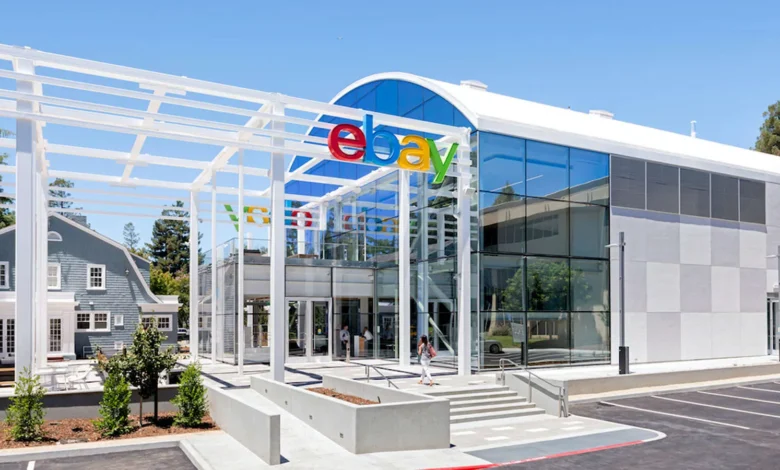
GameStop, the evolving video game retailer, has significantly increased its stake in e-commerce giant eBay, now owning a formidable 9.8% of the marketplace, a move that more than doubles its previous holding from early May and underscores its unwavering determination to acquire the company despite a prior rejection. This substantial increase, detailed in a U.S. Securities and Exchange Commission (SEC) filing published on July 20, 2026, positions GameStop as a major shareholder and intensifies the pressure on eBay’s board and management to engage with the persistent suitor.
The recent SEC filing reveals that GameStop now holds more than 43 million shares of eBay stock, amounting to a 9.8% ownership stake. This rapid accumulation represents a significant escalation from the approximately 5% stake the company held when it first publicly launched its $56 billion acquisition offer in May. A breakdown of the latest acquisitions indicates a strategic and aggressive approach: GameStop purchased roughly 3.5 million shares between June 8 and June 15, investing an additional $381 million, and subsequently settled an additional 39 million shares last week that were part of put/call options. These financial instruments allow an investor to gain exposure to a company’s stock price movements or to secure the right to buy or sell shares at a predetermined price, often indicating a long-term strategic interest or a bet on future price movements, ultimately culminating in direct ownership.
A Persistent Pursuit: GameStop’s Initial Overture and eBay’s Rejection
The genesis of this corporate saga dates back to early May 2026, when GameStop made its initial, ambitious $56 billion bid to acquire eBay. This unsolicited offer sent ripples through the e-commerce and retail sectors, signaling GameStop’s serious intent to pivot beyond its traditional gaming roots. At the time, GameStop CEO Ryan Cohen, a prominent figure known for his activist investing and e-commerce expertise, articulated a vision for a combined entity that would leverage GameStop’s physical store footprint with eBay’s expansive online marketplace. He envisioned a powerful hybrid model, bridging the gap between digital convenience and tangible retail presence, particularly for collectibles and refurbished goods.
However, eBay’s response was swift and unequivocal. The e-commerce veteran publicly rejected GameStop’s offer, labeling it "neither credible nor attractive." In its formal rejection, eBay’s board highlighted what it described as a robust and successful turnaround strategy already underway. This strategy, initiated in recent years, focused on streamlining its operations, divesting non-core assets, enhancing seller tools, improving the buyer experience, and expanding into high-growth categories. eBay’s management maintained that its independent path promised greater long-term value for its shareholders, making GameStop’s proposal superfluous and undervalued. This rejection, however, proved to be merely the opening salvo in what has become a protracted and increasingly assertive campaign by GameStop.
Chronology of a Contentious Bid
The timeline of GameStop’s aggressive pursuit of eBay paints a picture of determined shareholder activism:
- Early May 2026: GameStop publicly discloses a 5% ownership stake in eBay and launches an unsolicited $56 billion bid for the company. GameStop CEO Ryan Cohen begins to articulate his strategic vision for a combined entity, emphasizing the integration of physical and digital retail.
- Mid-May 2026: eBay’s board of directors formally rejects GameStop’s acquisition offer, publicly stating it is "neither credible nor attractive." The company reiterates its commitment to an independent turnaround strategy that it claims is already delivering results and creating shareholder value.
- June 8-15, 2026: GameStop continues its share accumulation, purchasing approximately 3.5 million additional eBay shares for a reported $381 million. This quiet accumulation signals a deepening commitment despite the public rejection.
- Late June 2026: In a notable display of commitment, GameStop CEO Ryan Cohen requests and receives board approval to forgo his performance pay package. This highly unusual move is framed as Cohen’s dedication to focusing solely on GameStop’s operating performance and, crucially, its proposed acquisition of eBay, aligning his personal incentives directly with the success of the strategic move.
- Last Week (leading up to July 20, 2026): GameStop settles an additional 39 million shares of eBay stock, acquired through put/call option pairs. This significantly boosts its total ownership stake, bringing it to the reported 9.8%.
- Thursday (prior to July 20, 2026): Ryan Cohen conducts an interview with Bloomberg Tech, the transcript of which is subsequently filed with the SEC. During this interview, Cohen emphatically reiterates his strategic vision for the acquisition, detailing plans to integrate GameStop’s physical stores as logistical "nodes" for eBay’s marketplace and live commerce initiatives. He also expresses frustration over eBay’s continued lack of engagement.
- July 20, 2026: News breaks of GameStop’s increased 9.8% stake in eBay, solidifying its position as a major shareholder and signaling a potential intensification of its efforts to force an acquisition or at least secure board representation.
Ryan Cohen’s Strategic Vision and Unwavering Resolve
At the heart of GameStop’s relentless pursuit is CEO Ryan Cohen, whose leadership has been instrumental in the company’s transformation from a struggling brick-and-mortar retailer into a more diversified e-commerce and collectibles player. Cohen’s vision for an eBay-GameStop merger is not merely about market consolidation; it’s a strategic bet on a hybrid retail future. He envisions GameStop’s extensive network of physical stores serving as critical logistical hubs for eBay’s vast marketplace. These stores could facilitate services such as local pickups, returns, authenticated drops for high-value collectibles, and even act as venues for live commerce events – a burgeoning trend in online retail that blends real-time video streaming with direct sales. This model aims to offer a differentiated experience, combining the immediate gratification and trust of a physical presence with the expansive reach of an online platform.
Cohen’s personal commitment to this vision is evident. His decision to forgo his performance pay package, explicitly linking his compensation to the success of the eBay acquisition and GameStop’s operational improvements, is an extraordinary measure in corporate governance. It signals to investors and stakeholders alike that his focus on this deal is absolute and deeply personal.
In his recent interview with Bloomberg Tech, Cohen openly voiced his frustration regarding the lack of engagement from eBay’s management team and board. "I would love for this to be a collaborative process and a consensual process. That’s my preference. That’s number one," Cohen stated, emphasizing his desire for an amicable resolution. However, he quickly followed with a clear warning: "But if that doesn’t happen, then it’s going to be shareholders’ decision because they’re the owners of the business." This statement strongly suggests a willingness to pursue a proxy fight, directly appealing to eBay’s shareholders to support his vision over the incumbent management’s strategy. When pressed on whether GameStop would consider raising its $56 billion offer, Cohen remained coy but resolute, declaring, "I’m not going to call my shots, but we’re coming for eBay one way or another." This aggressive rhetoric underscores GameStop’s unwavering commitment to the acquisition, irrespective of the current resistance.

eBay’s Stance and Market Reaction
As of the latest reports, eBay has maintained its defensive posture. The company did not immediately respond to Retail Dive’s request for comment regarding GameStop’s increased stake, adhering to its consistent stance of non-engagement since the initial rejection. This silence, while strategically cautious, could be interpreted in various ways by the market – either as a sign of confidence in its current trajectory or as a reluctance to fuel GameStop’s narrative.
eBay’s initial rejection of GameStop’s $56 billion offer was predicated on its belief that its "turnaround strategy is working." This strategy, which has been in motion for several years, has aimed at reinvigorating the platform by focusing on key categories like collectibles, parts & accessories, and refurbished electronics, while also modernizing its payments system and enhancing advertising solutions for sellers. The company has also invested in artificial intelligence to improve search relevance and personalization, aiming to create a more curated and efficient marketplace experience. Market analysts and investors have been closely watching eBay’s progress, with opinions divided on the efficacy and speed of its transformation.
Market analysts are closely monitoring the unfolding situation. Many view GameStop’s escalating stake as a highly aggressive tactic, typical of activist investors seeking to force a strategic change or acquisition. The substantial capital allocation and Cohen’s personal commitment signal a high-stakes gamble for GameStop. While some analysts commend Cohen’s bold vision for a hybrid retail model, others express concerns about the potential for GameStop to overpay for eBay or to become embroiled in a prolonged and costly hostile takeover battle that could distract both companies from their core operations. The uncertainty surrounding the outcome is likely to create volatility in both GameStop and eBay stock prices in the short to medium term.
The Mechanics of Share Acquisition
GameStop’s rapid accumulation of eBay shares highlights a sophisticated financial strategy. The direct purchase of 3.5 million shares for $381 million between June 8 and June 15 indicates a deliberate market acquisition, likely at prevailing market prices. This translates to an average purchase price of approximately $108.8 per share during that period.

More complex is the settlement of 39 million shares from "put/call pairs." This refers to a strategy involving both put and call options. A "call option" gives the holder the right, but not the obligation, to buy a stock at a specified price (the strike price) before a certain date. A "put option" gives the holder the right to sell a stock at a specified price before a certain date. By strategically combining these, often in large volumes, investors can gain significant exposure to a company’s stock, manage risk, or acquire shares more efficiently. For GameStop, settling these options means they have exercised their right to acquire the underlying shares, converting derivative positions into direct equity ownership. This maneuver underscores a premeditated and well-funded plan to build a substantial stake, bypassing the immediate market impact of outright open-market purchases of such a large volume. The transition from derivative exposure to direct equity ownership signifies a deeper, more permanent commitment to the target company.
Industry Implications and Future Outlook
The potential combination of GameStop and eBay, or even a prolonged hostile battle, carries significant implications for the broader retail and e-commerce landscape.
- For GameStop: Success in acquiring eBay would fundamentally transform GameStop from a niche gaming retailer into a diversified e-commerce powerhouse with a strong presence in collectibles, used goods, and a broader array of categories. It would provide GameStop with immediate scale, technological infrastructure, and a vast customer base that its current digital transformation efforts are striving to build. The integration of physical stores as logistical "nodes" could indeed set a new precedent for hybrid retail models, potentially offering a competitive edge against purely online giants like Amazon or traditional brick-and-mortar stores. However, the financial burden of a $56 billion acquisition, even if partially financed by stock, is enormous and carries substantial integration risks.
- For eBay: The escalating pressure from GameStop forces eBay’s management to either articulate an even more compelling independent strategy or consider shareholder demands for an acquisition. A prolonged proxy fight could be disruptive, diverting management’s attention and resources from its core business and turnaround efforts. On the other hand, if GameStop were to succeed, eBay shareholders could benefit from a significant premium. The challenge for eBay’s board now is to demonstrate that its current trajectory offers superior long-term value compared to GameStop’s offer, or to negotiate a more attractive deal.
- For the E-commerce Landscape: This saga reflects the ongoing convergence of online and offline retail. Should GameStop succeed in its vision, it could popularize a model where physical stores serve as integral parts of a larger e-commerce ecosystem, enhancing trust, convenience, and service. This could spur other retailers to reconsider the strategic value of their physical footprints in an increasingly digital world. Furthermore, the battle highlights the enduring appeal of established marketplaces like eBay, even as newer, more specialized platforms emerge.
The coming months will be critical. With a nearly 10% stake, GameStop is now a significant voice in eBay’s shareholder base, making it increasingly difficult for eBay’s board to ignore Cohen’s overtures entirely. The stage appears set for a potential proxy battle, where GameStop could nominate its own slate of directors to eBay’s board, seeking to gain influence and force a sale. As Ryan Cohen famously declared, GameStop is "coming for eBay one way or another," indicating that this corporate drama is far from its conclusion, promising continued intrigue and significant ramifications for the future of retail.