AWS Builder Center Launches Dedicated Mobile Application to Streamline Developer Workflows and Community Engagement

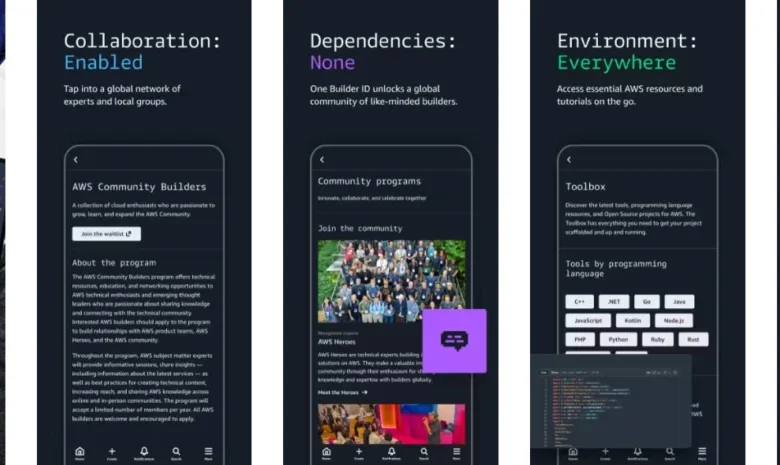
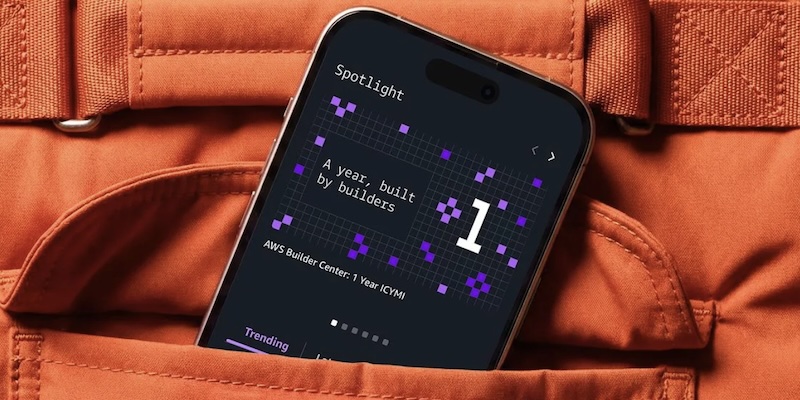
The landscape of cloud engineering is undergoing a significant shift as Amazon Web Services (AWS) officially expands its digital ecosystem with the launch of the AWS Builder Center mobile application. Available now on both iOS and Android platforms, the application is designed to consolidate the fragmented experience of learning, networking, and project development into a single, mobile-optimized interface. This move represents a strategic effort by AWS to cater to the modern, hyper-mobile developer who requires seamless transitions between desktop environments and on-the-go professional development.
The Evolution of the AWS Builder Ecosystem
For years, the AWS Builder Center has functioned as a central hub for cloud practitioners to access technical documentation, peer-led articles, and skill-building resources. However, the reliance on desktop browsers created friction for developers commuting or attending industry conferences. By transitioning to a native mobile app, AWS is addressing the demands of a global workforce that increasingly prioritizes asynchronous learning and community participation.
The application leverages the existing AWS Builder ID, ensuring that user sessions are persistent across devices. This integration allows developers to resume progress on over 600 AWS Skill Builder courses immediately, regardless of their location. Furthermore, the inclusion of sandbox environments directly within the app suggests a shift toward "micro-learning," where developers can test code or experiment with cloud architectures during short windows of time, such as transit or breaks.
Key Features and Technical Integration
The mobile application is not merely a mobile-responsive view of the existing web portal; it includes native features designed to enhance user engagement. Notable functionalities include:
- Integrated Skill Development: Access to the extensive AWS Skill Builder catalog allows for on-the-go education, complete with tracking and certification preparation.
- Real-time Community Interaction: Users can follow AWS Heroes, Community Builders, and User Group Leaders, fostering a more personalized feed.
- Push Notification Infrastructure: Users receive timely alerts on subscribed topics, community discussions, and event reminders, ensuring they remain informed about developments relevant to their specific technology stack.
- Direct Feedback Loops: The "Wishlist" feature serves as a formalized channel for users to submit product feedback directly to AWS engineering teams, effectively turning the user base into a decentralized research and development department.
The launch follows a period of beta testing and user feedback analysis, during which AWS identified that the primary pain point for developers was the disconnect between "learning" and "doing." By enabling hands-on workshops with sandbox environments on mobile, AWS is effectively reducing the "time-to-first-code" for its users.
New Community Features: Polls and Engagement Tools
Coinciding with the app launch, AWS has introduced a new polling feature to the Builder Center platform. This tool allows community members to pose technical questions to the collective knowledge base, with the ability to set deadlines and define multiple-choice answers.
From a data-gathering perspective, these polls are designed to maintain user privacy; votes are anonymous, and creators only see aggregate percentages. This feature is expected to serve as a litmus test for emerging technology trends, allowing AWS to gauge developer interest in specific services or frameworks through organic community discourse rather than static surveys.
Zero to Shipped: The Strategic Hackathon
To drive adoption of the new platform, AWS has also unveiled the "Zero to Shipped" hackathon, which runs from September 18 to October 2. This initiative is particularly significant as it encourages the integration of "coding agents"—AI-assisted development tools—with the AWS cloud environment.
The hackathon offers a $28,000 prize pool, with five winning projects slated to receive $5,000 in AWS credits and official AWS Builder swag. This structure serves two purposes: incentivizing the deployment of functional applications on the AWS cloud and providing the company with real-world data on how developers are utilizing AI agents to speed up their deployment pipelines. The emphasis on "shipping" a live application underscores the broader industry pivot toward velocity and rapid prototyping in cloud development.
Market Implications and Developer Productivity
The launch of a dedicated mobile application for AWS developers reflects a broader trend in the software industry: the "consumerization" of developer tools. Modern developers expect the same level of accessibility and UX polish from their professional software as they do from consumer applications.
By centralizing these resources, AWS is positioning the Builder Center as the "single source of truth" for the developer community. This move is likely to have several long-term implications:

- Increased Retention: By lowering the barrier to entry for ongoing education, AWS increases the likelihood that developers will stay within the AWS ecosystem for their future project needs.
- Data-Driven Product Development: The feedback mechanisms, combined with polling and community engagement metrics, provide AWS with high-fidelity signals regarding which services are gaining traction and where users are encountering friction.
- Community Decentralization: By empowering User Group Leaders and Community Builders through the app’s notification and feed architecture, AWS is effectively outsourcing a portion of its technical support and advocacy efforts to the community itself.
Chronology of Recent AWS Builder Initiatives
- September 2026: Official launch of the AWS Builder Center mobile application on the Apple App Store and Google Play Store.
- September 18, 2026: Commencement of the "Zero to Shipped" hackathon, focusing on AI-agent cloud deployments.
- Mid-September 2026: Implementation of native polling capabilities across the Builder Center web and mobile platforms.
- Ongoing: Continuous integration of AWS Skill Builder modules into the mobile environment.
Industry Context: The Shift Toward Mobile-First DevOps
The decision to build a native mobile app for developer workflows is not without precedent, but it marks a maturation in the cloud industry. Previously, developers managed infrastructure primarily through desktop-bound CLIs (Command Line Interfaces) or web consoles. However, the rise of "Management-as-a-Service" and the necessity of managing global, 24/7 cloud operations have made mobile monitoring and learning tools essential.
Competitors in the cloud space have largely focused on mobile dashboards for resource monitoring. AWS, however, is taking a different approach by focusing on the "Builder" aspect—prioritizing learning, coding, and networking over simple infrastructure monitoring. This aligns with AWS’s broader strategy of building a long-term "talent pipeline." By providing the tools for developers to improve their skills and connect with peers, AWS is ensuring that the next generation of cloud engineers is inherently comfortable with the AWS interface and its associated ecosystem.
Future Outlook
As the cloud computing market approaches a saturation point in terms of raw infrastructure, the differentiator for major cloud providers is increasingly becoming the "developer experience." The Builder Center mobile app is a clear signal that AWS intends to lead in this domain.
For the developer community, the shift toward a mobile-integrated experience means that professional development is no longer tied to a desk. The potential for future updates—such as mobile-based code review, infrastructure deployment via mobile command prompts, or even deeper integration with generative AI assistants—remains a strong possibility. As the platform matures, the success of this app will be measured not just by download counts, but by the volume of active community participation and the speed at which developers can move from concept to deployment using the tools provided.
For now, the AWS Builder Center stands as a comprehensive resource, blending high-level educational content with tactical, real-world development tools. Whether through the current hackathon or the simple act of reading documentation on a commute, the mobile application has effectively expanded the physical boundaries of the AWS cloud environment. As AWS continues to iterate on this platform, the developer experience will likely become more integrated, automated, and mobile-centric, reflecting the evolving nature of global cloud architecture.
Related posts: