Superdrug’s Beauty Playground Celebrates First Anniversary with Major Expansion and New Brand Introductions, Reshaping UK Beauty Retail

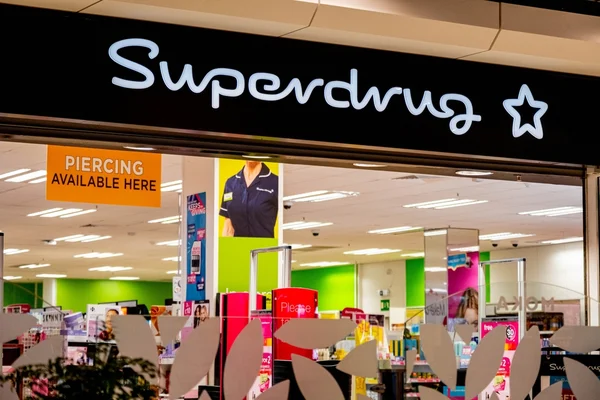
Superdrug is marking the inaugural anniversary of its innovative "Beauty Playground" concept by significantly expanding its brand portfolio and product offerings, a strategic move that reinforces its position as a leading destination for beauty discovery in the United Kingdom. This experiential retail model, which first launched in July 2023 at its flagship Westfield Stratford London store, has swiftly evolved from a pilot project into a permanent fixture across Superdrug’s key destination stores and its burgeoning online platform. The success of the Beauty Playground underscores a broader shift in the retail landscape, where consumer engagement, immersive experiences, and direct product interaction are increasingly vital in attracting and retaining customers in the highly competitive beauty market. The initiative has not only created a dynamic space for shoppers but has also established itself as a critical launchpad for emerging beauty brands, offering them unparalleled visibility and a pathway to wider distribution across Superdrug’s extensive network.
The Genesis of Experiential Beauty: Superdrug’s Vision
The Beauty Playground was conceived with a clear vision: to transcend traditional retail by creating an interactive "hub of beauty discovery." This concept provides a multi-faceted environment where consumers can explore a curated selection of "must-have brands," access a range of beauty services, receive personalised expert advice, and even create social media content while they shop. This integrated approach reflects a deep understanding of modern consumer behaviour, particularly among younger demographics who value authentic experiences and peer recommendations. The initial launch in July 2023 at Westfield Stratford London, a high-traffic retail hub, served as a strategic proving ground for the concept’s viability and appeal. The positive reception and measurable success of this pilot led to its rapid integration as a permanent feature, signaling Superdrug’s commitment to investing in innovative retail formats that meet evolving customer demands. This commitment to experiential retail aligns with a global trend where physical stores are transforming into brand showcases and community spaces, moving beyond mere transactional points to become immersive destinations.
A Year of Innovation: Key Milestones and Expansion
Over its first year, the Beauty Playground has achieved several significant milestones. Following its successful debut in July 2023, the concept was systematically rolled out to Superdrug’s other leading destination stores, demonstrating scalability and widespread appeal. Concurrently, an online iteration of the Beauty Playground was developed, ensuring that the spirit of discovery and access to emerging brands was available to a broader audience, regardless of their proximity to a physical store. This omnichannel approach has been crucial in leveraging the digital habits of modern consumers, seamlessly integrating online browsing with in-store experiences. The initiative has become a dynamic platform, featuring nearly 1,000 products from just under 50 brands, a testament to its capacity for rapid product rotation and brand integration. Looking ahead, Superdrug has ambitious plans to launch additional physical Beauty Playground locations by the end of the current year, further solidifying its presence and impact across the UK retail landscape. This continuous expansion reflects robust performance data and a clear strategic direction to embed experiential shopping at the core of Superdrug’s retail identity.
The Economic Landscape of Beauty Retail in the UK
The UK beauty market is a dynamic and fiercely competitive arena, estimated to be worth over £27 billion annually. Within this landscape, health and beauty retailers like Superdrug play a pivotal role, catering to a diverse consumer base with a blend of mass-market, masstige, and increasingly, indie brands. The sector has witnessed significant shifts in recent years, driven by factors such as the rise of e-commerce, the influence of social media (particularly TikTok and Instagram), and a growing consumer demand for ethical, sustainable, and inclusive products. Experiential retail, as exemplified by Superdrug’s Beauty Playground, is a direct response to these market dynamics. Consumers, especially Gen Z and Millennials, are increasingly seeking more than just products; they desire engaging experiences, personalised advice, and opportunities to interact with brands before making a purchase. Data from industry reports consistently shows that stores offering services, workshops, and interactive displays tend to outperform traditional retail formats in terms of footfall and conversion rates. Furthermore, the burgeoning independent beauty brand sector thrives on platforms that offer exposure and credibility, making initiatives like the Beauty Playground invaluable launchpads. Superdrug’s strategy positions it strongly against competitors such as Boots, Sephora UK, and a myriad of online-only retailers, by offering a unique value proposition that combines affordability with an elevated, discovery-driven shopping experience.
Nurturing New Talent: The "Launchpad" Effect
A cornerstone of the Beauty Playground’s success has been its efficacy as "a powerful launchpad for emerging brands." In an industry saturated with new product launches, securing shelf space and gaining consumer trust is a formidable challenge for nascent brands. The Beauty Playground offers a unique solution by providing a dedicated, high-visibility platform where these brands can debut their products, gather direct consumer feedback, and benefit from Superdrug’s marketing reach. Simon Comins, Superdrug’s Chief Operating Officer, articulated this precisely, stating, "Brands that first launched through Beauty Playground have performed so strongly that they have since secured wider distribution across the UK, demonstrating the power of the concept as a springboard for emerging names." This incubator model not only fosters innovation within the beauty industry but also provides Superdrug with a pipeline of fresh, trending products that appeal to its diverse customer base. For these smaller brands, the collaboration with a major retailer like Superdrug offers invaluable market insights, operational support, and the credibility needed to scale their operations and achieve broader commercial success, moving beyond niche markets into mainstream retail.
The Curated Experience: New Offerings for the Anniversary
To commemorate its first anniversary, all existing Beauty Playground stores, along with the online platform, are set to receive "a fresh line-up of must-have newness" designed to excite and engage customers. This strategic refresh ensures the concept remains dynamic and relevant, continually offering new reasons for customers to visit and explore. The latest additions span a diverse range of beauty categories, catering to various consumer preferences. Among the highlights are premium fragrance mists from Coty, a global beauty powerhouse known for its extensive portfolio of iconic brands. The expansion also includes innovative product lines such as Face Facts lip stains, reflecting the ongoing trend for long-lasting and vibrant lip products. Furthermore, new make-up and body care launches from popular brands like Nyx Body, BPerfect, Daise, and Ciroa will be introduced, providing customers with an opportunity to discover, test, and "play with" the latest trends and formulations. This continuous curation of new and exciting products is vital for maintaining the Beauty Playground’s appeal as a cutting-edge hub for beauty discovery and experimentation.
Leadership Insights: Simon Comins on Reshaping Beauty Discovery
Simon Comins, Superdrug’s Chief Operating Officer, provided insightful commentary on the transformative impact of the Beauty Playground, emphasizing its role in "completely reshaping what discovery looks like in beauty retail." His statements highlight the intentionality behind the concept’s design, aiming to create an environment where exploration and experimentation are encouraged. "We’ve featured nearly 1,000 products from just under 50 brands, turning our stores into genuine playgrounds where customers can experiment, discover new favourites and get closer to the next big thing," Comins explained. He reiterated the dual function of the initiative, not just as a consumer-facing experience but also as a crucial growth engine for brands. "But this isn’t just a launchpad – it’s a space for brands to grow," he asserted, underscoring Superdrug’s commitment to fostering a symbiotic relationship with its brand partners. Comins further stressed the importance of collaborative efforts: "We know collaboration is critical to helping these brands succeed. By working closely with our brand partners, we can create engaging, immersive experiences that help customers discover new products, while giving brands the visibility, insight and support they need to scale." His enthusiasm for the anniversary celebration was palpable: "Celebrating our first birthday with such an exciting line-up feels like the perfect way to mark the moment, and we can’t wait to welcome even more customers to experience Beauty Playground." These statements collectively paint a picture of a forward-thinking retail strategy that prioritizes consumer engagement and brand partnership as key drivers of growth and innovation.
Beyond the Aisles: The Omnichannel Imperative
The success of the Beauty Playground is not solely confined to its physical locations; its seamless integration with Superdrug’s online presence underscores the critical role of omnichannel strategies in modern retail. The ability for customers to explore brands and products discovered in-store, or to find new ones online and then experience them physically, creates a cohesive and enriched shopping journey. Furthermore, the concept’s emphasis on content creation by shoppers within the store taps directly into the power of user-generated content and social media marketing. In an era dominated by platforms like TikTok and Instagram, where beauty trends often originate and propagate, providing aesthetically pleasing spaces and opportunities for content creation turns customers into brand ambassadors. This organic marketing significantly amplifies the reach and appeal of the Beauty Playground and the brands it hosts. The digital extension ensures that the "discovery hub" transcends geographical limitations, making the experience accessible to a wider audience and fostering a continuous loop of online and offline engagement. This strategic blend of physical immersion and digital connectivity is a blueprint for future retail success, particularly in sectors driven by trends and visual appeal.
Broader Implications and Future Outlook
The first anniversary of Superdrug’s Beauty Playground signifies more than just a successful retail concept; it represents a paradigm shift in how beauty products are sold and discovered in the UK. The initiative’s impact extends across several dimensions: it enhances Superdrug’s brand image as an innovator and trendsetter, strengthens its competitive edge against traditional drugstores and specialist beauty retailers, and provides a vital ecosystem for emerging brands to thrive. For the wider retail industry, it offers a compelling case study in the efficacy of experiential formats in revitalizing physical stores. As consumer expectations continue to evolve, with a greater emphasis on personalized experiences, sustainability, and digital integration, Superdrug’s Beauty Playground provides a blueprint for adapting to these demands. The continued planned expansion suggests strong internal metrics supporting its viability and long-term potential. The success of this model could prompt competitors to adopt similar strategies, further accelerating the transformation of beauty retail into more interactive and engaging spaces. The future of beauty retail will likely be characterized by such hybrid models, where technology and human interaction converge to create unforgettable shopping journeys, making Superdrug’s Beauty Playground a significant harbinger of what is to come.
Conclusion
Superdrug’s Beauty Playground, celebrating its first anniversary, stands as a testament to the power of innovative retail design and strategic brand partnerships. By creating an immersive, interactive, and discovery-focused environment, Superdrug has not only enhanced the customer experience but also cultivated a fertile ground for emerging beauty brands. With ambitious plans for further expansion and a continuous influx of new products, the Beauty Playground is poised to remain a pivotal force in shaping the future of beauty retail in the UK, redefining how consumers discover and engage with their favourite beauty products.