Clop Ransomware Gang Exploits Critical PTC Windchill Vulnerability in Global Data Theft Campaign


The Clop ransomware syndicate, a notorious threat actor known for orchestrating large-scale data extortion operations, has launched a sophisticated new campaign targeting Internet-exposed instances of PTC’s Windchill and FlexPLM platforms. This latest offensive centers on the exploitation of a critical security flaw, identified as CVE-2026-12569, which grants attackers the ability to execute arbitrary code on compromised systems. By leveraging this vulnerability, the Clop gang—also tracked by security researchers as Cl0p or TA505—is successfully infiltrating high-value enterprise environments to exfiltrate sensitive product data and intellectual property.
The emergence of this campaign has triggered alarms across the global cybersecurity community, drawing urgent responses from national defense agencies and private security firms alike. As organizations increasingly rely on Product Lifecycle Management (PLM) software to manage the entire lifespan of their products, from initial design to manufacturing and maintenance, the compromise of these systems represents a significant threat to industrial competitiveness and national security.
Technical Analysis of CVE-2026-12569 and Exploitation Tactics
At the heart of Clop’s current operation is CVE-2026-12569, a critical improper input validation vulnerability that manifests as an unsafe deserialization flaw. With a Common Vulnerability Scoring System (CVSS) score of 9.3, the bug is classified as highly severe due to its ability to facilitate unauthenticated remote code execution (RCE). In the context of PTC Windchill and FlexPLM—both Java-based enterprise applications—unsafe deserialization occurs when the application takes untrusted data and attempts to transform it back into an object without sufficient validation.
Cybersecurity firm ReliaQuest, which has been monitoring the campaign, reported that Clop operators are actively deploying JavaServer Pages (JSP) webshells following successful exploitation. These webshells serve as a persistent backdoor, allowing the attackers to execute remote commands, navigate internal networks, and systematically exfiltrate massive volumes of sensitive data. The choice of JSP webshells is a hallmark of Clop’s tradecraft, mirroring techniques used in their previous high-profile attacks against file-transfer and enterprise-resource-planning (ERP) systems.
The exploitation process is streamlined for speed and scale. Once a vulnerable instance is identified through internet scanning, the attackers send a specially crafted payload that triggers the deserialization flaw. Once the RCE is achieved, the JSP shell is dropped into a web-accessible directory, providing a stable platform for further malicious activity. This method bypasses traditional authentication mechanisms, making it particularly dangerous for organizations that have exposed their PLM instances to the public internet without the protection of a Virtual Private Network (VPN) or Zero Trust Architecture.

Chronology of the Vulnerability and Rapid Response
The timeline of CVE-2026-12569 highlights a narrow window between discovery and widespread exploitation, a trend that has become common in the era of automated cyberattacks.
On June 17, 2026, PTC began the process of releasing security patches for Windchill and FlexPLM. While the company did not initially confirm active exploitation in its public-facing communications, it issued a private advisory to its customer base, urging immediate remediation and providing specific Indicators of Compromise (IOCs) for administrators to monitor.
By June 25, the situation escalated significantly. The United States Cybersecurity and Infrastructure Security Agency (CISA) added CVE-2026-12569 to its Known Exploited Vulnerabilities (KEV) catalog. This move mandated that all U.S. federal civilian executive branch agencies secure their PTC instances within a strict three-day window, reflecting the extreme risk posed by the flaw.
The urgency was felt even more acutely in Europe. In Germany, the Federal Office for Information Security (BSI) took the extraordinary step of contacting PTC customers via telephone and email in the middle of the night. According to reports from the German news outlet Heise, the BSI’s emergency outreach was prompted by intelligence suggesting that exploitation was not just imminent but already widespread across industrial sectors. This level of intervention by a national authority underscores the critical nature of the software involved, which is central to Germany’s manufacturing and engineering powerhouse.
The Clop Signature: Extortion and New Communication Channels
The attribution of these attacks to the Clop gang is supported by both technical tradecraft and direct communication from the threat actors. The Ransomware Information Sharing and Analysis Centre (Ransom-ISAC) confirmed the link, noting that the observed behaviors align with Clop’s established "pivot and exfiltrate" model.
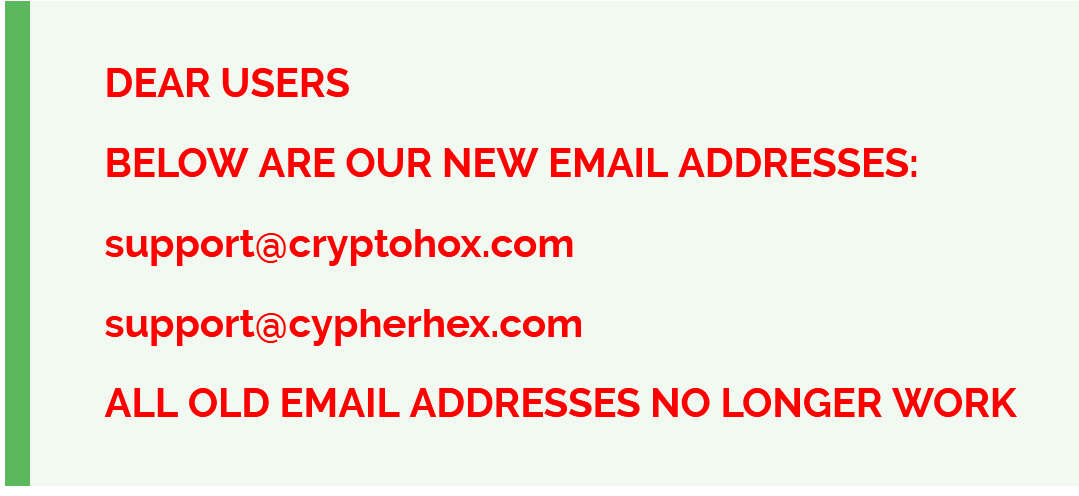
A key indicator of the new campaign is the shift in Clop’s infrastructure. Victims have reported receiving extortion emails from the address [email protected]. This is a documented tactic of the Clop group; they frequently rotate their email addresses and communication domains immediately before and during new extortion waves to evade automated filters and law enforcement tracking.

Unlike traditional ransomware groups that focus on encrypting files and demanding payment for a decryption key, Clop has increasingly moved toward a "pure extortion" model. In this strategy, the primary goal is the theft of sensitive data. The threat actors then contact the victim, threatening to release the stolen information on their "Cl0p^_- Leaks" dark web site if a ransom is not paid. If negotiations fail, Clop often utilizes BitTorrent to distribute the stolen data, making it nearly impossible to remove from the internet once leaked.
The Strategic Importance of PLM Systems
The targeting of PTC Windchill and FlexPLM is a calculated move by Clop to hit organizations where it hurts most: their intellectual property. PTC Windchill is a leading PLM platform used by over 30,000 customers globally, including major players in the aerospace, defense, automotive, and medical technology sectors. FlexPLM is similarly dominant in the retail and consumer goods industries, used by over 1,500 brands to manage supply chains and product designs.
These platforms are the "digital nervous system" of a manufacturing company. They contain:
- Proprietary engineering blueprints and CAD files.
- Sensitive supply chain and vendor information.
- Quality control standards and regulatory compliance documentation.
- Future product roadmaps and strategic R&D data.
For a threat actor, this data is far more valuable than simple administrative records. It can be sold to competitors, used for corporate espionage, or held for multi-million dollar ransoms. The breach of a PLM system can disrupt a company’s entire production cycle and compromise its competitive advantage for years to come.
A History of Large-Scale Exploitation
The PTC campaign is the latest in a long string of mass-exploitation events attributed to Clop. The group has demonstrated a unique ability to identify and weaponize zero-day or N-day vulnerabilities in enterprise software.
In 2021, Clop gained notoriety for attacking the Accellion File Transfer Appliance (FTA). In 2023, they executed one of the largest cyberattacks in history by exploiting a zero-day in the MOVEit Transfer platform, impacting over 2,700 organizations and hundreds of millions of individuals. Other targets have included Fortra GoAnywhere MFT, SolarWinds Serv-U, and most recently, a zero-day in Oracle E-Business Suite (EBS).
The Oracle EBS campaign, which began in August 2025, affected high-profile entities such as Harvard University, The Washington Post, and Korean Air. The group’s persistent success has led the U.S. Department of State to offer a reward of up to $10 million for information leading to the identification or location of any individual associated with the Clop ransomware variant, particularly those acting under the direction of a foreign government.
Recommendations for Mitigation and Defense
In light of the ongoing attacks, cybersecurity experts and PTC have issued several critical recommendations for organizations utilizing Windchill and FlexPLM:
- Immediate Patching: Organizations must apply the latest security updates provided by PTC. Given the active exploitation, this should be treated as an emergency priority.
- Network Isolation: PLM systems should never be directly exposed to the public internet. ReliaQuest advises placing these instances behind a VPN or a trusted access gateway with multi-factor authentication (MFA).
- Forensic Investigation: If an organization discovers an internet-facing instance that has not been patched, they should assume compromise. This requires isolating the server and conducting a full forensic audit to look for JSP webshells or unauthorized data transfers.
- Credential Rotation: In the event of a suspected breach, all credentials associated with the PLM environment, including service accounts and administrative passwords, must be rotated.
- Monitoring for IOCs: Security teams should monitor for traffic to known Clop-associated IP addresses and watch for unusual outbound data flows, particularly those directed toward file-sharing sites or known leak-site infrastructure.
Broader Implications for the Cybersecurity Landscape
The Clop campaign against PTC highlights a growing trend in the threat landscape: the industrialization of vulnerability exploitation. Threat actors are no longer waiting for weeks to weaponize a vulnerability; they are moving at the same speed as—or faster than—the developers releasing the patches.
Furthermore, the focus on PLM and ERP systems suggests that sophisticated cybercriminal groups are shifting their focus toward deep-tier industrial targets. While the MOVEit attacks focused on broad data sets like PII (Personally Identifiable Information), the PTC attacks target the core intellectual property of the global manufacturing sector.
As the U.S. and its allies continue to offer massive bounties for Clop operators, the group remains undeterred, continuing to evolve its infrastructure and find new "force multipliers" in the form of critical enterprise software flaws. For global enterprises, the message is clear: the perimeter is no longer just the firewall, but every piece of software that touches the supply chain. Proactive vulnerability management and a "assume breach" mentality are no longer optional—they are essential for survival in an increasingly hostile digital environment.
Related posts: