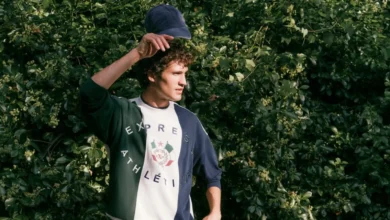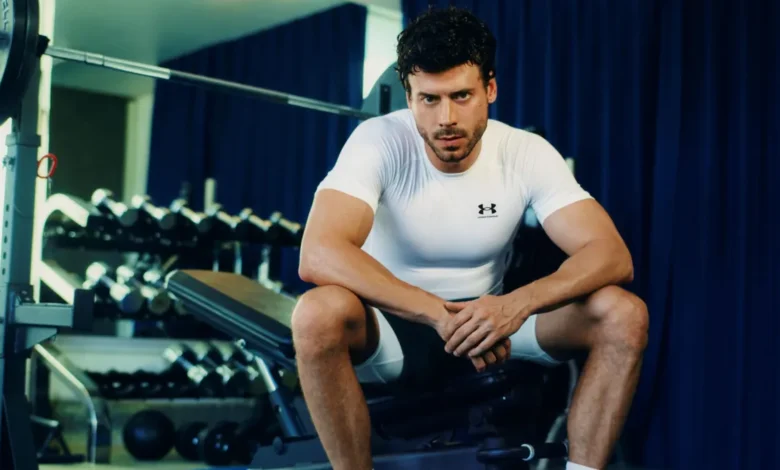
Under Armour, the Baltimore-based athletic performance apparel and equipment company, has announced a significant expansion of its global marketing efforts by naming François Arnaud, the acclaimed star of the hit series "Heated Rivalry," as its newest global brand ambassador. The partnership, which officially commenced on July 23, 2026, marks a pivotal moment in the brand’s revitalized marketing strategy, emphasizing authenticity, performance, and a renewed focus on its core product franchises. The announcement, made public on July 24, 2026, was accompanied by the launch of a new campaign designed to tease and highlight key products within Under Armour’s iconic HeatGear franchise, a cornerstone of its training ethos.
Strategic Alliance with a Cultural Phenomenon
The selection of François Arnaud, known for his compelling portrayal in the critically acclaimed series "Heated Rivalry," signals a calculated move by Under Armour to tap into broader cultural narratives beyond traditional sports endorsements. "Heated Rivalry," a fictional drama centered around the intense competition and personal journeys within a high-stakes professional sports league, has garnered widespread recognition for its nuanced character development and realistic depiction of athletic commitment and mental fortitude. Arnaud’s character, a protagonist who navigates significant personal and professional challenges to ultimately achieve success by embracing his true self, resonates deeply with the values Under Armour aims to project: resilience, self-discovery, and authentic performance.
This strategic alignment was articulated by Matt Dornic, Chief Communications Officer at Under Armour. In an official statement, Dornic explained, "What drew us to François was more than his obvious talent and looks, it was what he represents. The character he portrays ultimately finds his greatest success when he stops trying to fit someone else’s mold and embraces who he truly is. That’s a lesson that resonates deeply with us. The best athletes perform with confidence, conviction and authenticity, and we believe the strongest brands do too. As Under Armour continues to evolve, we’re focused on being unmistakably ourselves, and François embodies that mindset in everything he does." This statement underscores the brand’s intention to connect with consumers on a more profound, values-driven level, moving beyond mere athletic prowess to celebrate the journey of self-improvement and genuine expression.
The Enduring Power of HeatGear: A Product Showcase
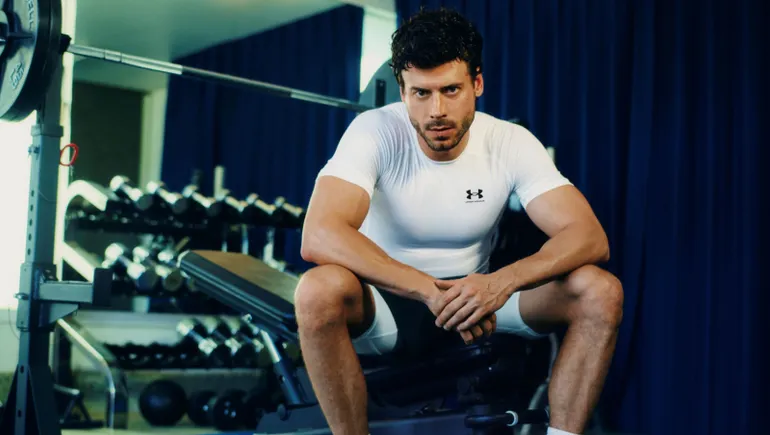
The new campaign featuring Arnaud is meticulously designed to spotlight Under Armour’s flagship HeatGear franchise. This product line, renowned for its innovative fabric technology engineered to keep athletes cool, dry, and light in warm conditions, has been a staple in the brand’s offerings since its inception. The campaign specifically highlights several key products, including UA Vanish Elite, UA Icon Fleece, UA Sola, and UA Reign XT.
- UA Vanish Elite: Represents the pinnacle of lightweight, breathable performance, designed for high-intensity training where moisture management and unrestricted movement are paramount.
- UA Icon Fleece: While ‘fleece’ might traditionally suggest warmth, the "Icon Fleece" within the HeatGear context likely refers to a lighter, more breathable variant suitable for pre- and post-workout or cooler summer evenings, maintaining comfort without overheating. It emphasizes versatility in athletic lifestyle.
- UA Sola: This product line, often associated with running or studio-based workouts, focuses on minimalist design and maximum comfort, providing a second-skin feel that moves with the body.
- UA Reign XT: Typically a training shoe or apparel line, "Reign XT" products are engineered for rigorous, multi-directional training, offering durability, stability, and support crucial for intense gym sessions or outdoor workouts.
By featuring these diverse products, Under Armour aims to demonstrate the breadth and versatility of the HeatGear franchise, reinforcing its position as essential gear for athletes across various disciplines and training environments. The choice to promote an existing, well-established franchise rather than entirely new items aligns with the company’s broader strategic emphasis on amplifying its proven performance credibility.
Under Armour’s Strategic Reinvigoration: Marketing and SKU Optimization
This high-profile ambassadorship is not an isolated marketing tactic but rather a significant component of Under Armour’s overarching strategic recalibration. The company has publicly committed to increased marketing investment and a rigorous SKU (Stock Keeping Unit) reduction effort, signaling a sharpened focus on efficiency, brand storytelling, and core product strength.
In May of the current year, Under Armour announced an additional investment of $30 million into its marketing budget, augmenting its already substantial annual marketing spend of approximately $500 million. This increased allocation underscores the brand’s determination to reclaim market share and strengthen its connection with consumers in a highly competitive athletic apparel landscape. CEO Kevin Plank articulated this vision during a recent investor briefing, stating, "At Under Armour, we like to say that our currency is product, but our voice is overwhelming storytelling. And I don’t feel like we’ve been living up to that. This isn’t just us throwing money at something. We believe that this will actually help us drive more efficiency." Plank’s remarks highlight a critical shift from broad, potentially diluted messaging to targeted, impactful narratives that celebrate the brand’s performance heritage through compelling stories and authentic figures like Arnaud.
Parallel to the marketing investment, Under Armour has also completed a massive SKU reduction effort, reaching its initial 25% goal in May. This initiative, part of a multi-year strategy, involved meticulously culling its product assortment to eliminate underperforming or redundant items. The objective is to streamline operations, reduce inventory complexities, and focus resources on hero products and core franchises that truly differentiate the brand. The HeatGear franchise, being a perennial bestseller and a symbol of Under Armour’s technical innovation, naturally becomes a central pillar of this streamlined portfolio. Plank further elaborated on this strategy, emphasizing, "We’re concentrating investment behind the products, athletes and stories that most clearly communicate our performance credibility and differentiate UA. We believe the strongest way to elevate Under Armour is not through broader messaging alone, but by amplifying great product with sharper storytelling and more consistent execution at retail."

Chronology of a Strategic Pivot
The events leading to and surrounding Arnaud’s appointment reveal a clear timeline of Under Armour’s strategic shift:
- Early 2020s: Under Armour begins a multi-year process of strategic review, including a deep dive into its product portfolio and marketing effectiveness, in response to evolving market dynamics and intense competition.
- May [Current Year – 2026]: The company announces the successful completion of its 25% SKU reduction goal, a significant milestone in its operational streamlining efforts. Concurrently, Under Armour publicly commits to an additional $30 million marketing investment, signaling a renewed aggressive stance in brand building.
- Late Spring/Early Summer 2026: Discussions and negotiations with François Arnaud reach fruition, aligning his personal brand and the themes of "Heated Rivalry" with Under Armour’s refreshed brand narrative.
- July 23, 2026: François Arnaud’s official tenure as a global brand ambassador for Under Armour commences.
- July 24, 2026: Under Armour formally announces the partnership with Arnaud and launches the associated campaign highlighting the HeatGear franchise, solidifying the strategic direction to the public and market.
- Ongoing: Under Armour continues to execute its refined marketing strategy, with a focus on amplifying core products through compelling storytelling and strategic partnerships.
Industry Context and Competitive Landscape
The athletic apparel market is characterized by fierce competition, dominated by global giants like Nike and Adidas, alongside rapidly growing players such as Lululemon and Puma. In this environment, brand differentiation and resonant storytelling are paramount. Under Armour, historically known for its compression wear and performance innovation, has faced challenges in recent years in maintaining consistent growth and distinct market positioning.
Nike, with its vast roster of elite athletes and powerful "Just Do It" narrative, and Adidas, with its blend of sport and lifestyle, have set high benchmarks for brand engagement. Lululemon, while initially focused on yoga, has expanded aggressively into general athletic wear, appealing to a demographic that values both performance and athleisure aesthetics. Under Armour’s move to embrace an ambassador like Arnaud, who embodies authenticity and aspirational lifestyle rather than solely professional athletic achievement, suggests a strategic broadening of its appeal. It signifies an attempt to connect with a wider audience that identifies with the spirit of performance and self-improvement, rather than just professional athletes. This approach aims to carve out a unique space, emphasizing the personal journey of an individual striving for their best, a narrative that resonates broadly.
Inferred Reactions and Market Implications

While official statements from François Arnaud himself are pending, it can be logically inferred that the actor would express enthusiasm for the partnership. A typical ambassador statement might include sentiments such as: "I am incredibly honored to join the Under Armour family. Their commitment to empowering individuals to push their limits and embrace their true selves deeply aligns with my own values, and with the messages we explore in ‘Heated Rivalry.’ I look forward to bringing the spirit of performance and authenticity to their iconic HeatGear franchise." Such a statement would reinforce the brand’s chosen narrative and lend credibility to the partnership.
From an industry analyst perspective, this move is likely to be viewed as a calculated and potentially shrewd decision. Analysts might interpret it as:
- A Smart Brand Re-evaluation: Under Armour is moving beyond traditional sports endorsements to embrace cultural influencers who embody broader brand values. This could open new demographic segments.
- Reinforcement of Core Identity: By focusing on the HeatGear franchise, Under Armour is re-emphasizing its foundational strength in performance apparel, countering any perception of brand dilution.
- Cost-Effective Storytelling: Plank’s emphasis on "driving more efficiency" suggests that while the marketing investment is significant, the brand expects a higher return on investment through more targeted and impactful campaigns, rather than simply increasing ad spend across the board.
- Risk and Reward: The success will depend on how well the "Heated Rivalry" star’s persona translates to a broader consumer base and how effectively the campaign communicates the tangible benefits of the HeatGear products. If successful, it could revitalize brand perception and drive sales.
The broader implications for Under Armour are significant. This partnership, coupled with the increased marketing spend and SKU reduction, positions the company for a potential resurgence. By focusing on "sharper storytelling" and "more consistent execution at retail," Under Armour is aiming to clarify its brand message, enhance its perceived value, and strengthen its competitive standing. The choice of Arnaud, a figure who transcends traditional sports while embodying attributes of determination and authenticity, suggests a future where Under Armour seeks to inspire a wider audience to embrace an active lifestyle, empowered by products built on a legacy of performance innovation. The HeatGear campaign with Arnaud is therefore not just an advertising initiative, but a testament to Under Armour’s strategic vision for reclaiming its narrative and solidifying its place in the global athletic market.