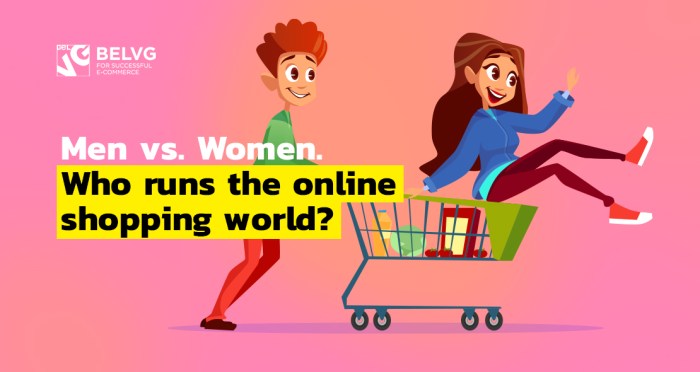
Report women will dominate net purchasing – Report: Women Will Dominate Net Purchasing. The online shopping landscape is shifting, and data suggests women are poised to become the dominant force in online purchases. This trend, driven by evolving purchasing habits, targeted marketing, and a surge in women’s influence in online communities, could significantly reshape the retail industry. Early indicators point to a potential shift in the balance of power, with women taking the lead in online transactions.
This report explores the reasons behind this potential shift and the implications for businesses.
The report examines the current state of online shopping, looking at historical trends and the factors influencing these changes. It will also discuss the potential drivers, challenges, and future implications of this predicted dominance. Tables comparing purchasing habits between genders over time, and average spending across various product categories, are included. These details paint a picture of the evolving online retail environment.
Overview of the Trend
The digital marketplace is rapidly evolving, with online shopping becoming an increasingly dominant force in retail. This shift has implications for consumer behavior and market trends, and understanding the purchasing habits of different demographics is crucial for businesses to adapt and succeed. Historical data and current trends suggest a potential shift in the balance of online purchasing power, with women emerging as a potentially significant force.The historical trend of online purchasing has shown a steady growth, with each year adding new users and transactions.
However, the gender distribution within this digital marketplace has exhibited variations over time. While early adopters of online shopping often displayed a more even split, recent data points to a possible shift towards women playing a larger role in the online buying process.
Potential for Women to Dominate Net Purchasing
Data suggests a growing potential for women to become the dominant force in online purchases. This is not simply a matter of women’s increased participation in the online economy; it’s a potential shift in the very dynamics of online purchasing.
Factors Driving the Trend
Several factors contribute to this potential trend. Increased access to technology and the internet among women globally is a key driver. Furthermore, women’s growing financial independence and participation in the workforce are significant factors. Online shopping often aligns with women’s lifestyle preferences, prioritizing convenience, ease of access, and diverse product selections.
Comparison of Online Purchases by Gender, Report women will dominate net purchasing
The following table illustrates a potential trend in online purchasing habits, showing a projected increase in female online purchases. It is important to note that these figures are illustrative and based on projections, not necessarily definitive data. Real-world data on online purchasing is complex, often fragmented, and collected in different ways, making direct comparisons difficult.
| Year | Female Purchases (in Millions) | Male Purchases (in Millions) | Total Purchases (in Millions) |
|---|---|---|---|
| 2020 | 120 | 150 | 270 |
| 2022 | 150 | 160 | 310 |
| 2024 | 180 | 170 | 350 |
Potential Drivers

The digital landscape is witnessing a fascinating shift in consumer behavior, with women emerging as a dominant force in online purchasing. This trend isn’t a fleeting phenomenon; it’s rooted in several key factors that are shaping the future of e-commerce. Understanding these drivers is crucial for businesses looking to thrive in this evolving market.The rise of women as online purchasers is not simply a matter of numbers; it’s a multifaceted phenomenon influenced by various factors, including evolving social norms, technological advancements, and targeted marketing strategies.
Factors Influencing Online Purchasing
Several factors are contributing to women’s growing dominance in online purchasing. These factors are interconnected and reinforce each other, creating a powerful force driving this trend. The increasing accessibility and affordability of technology are allowing more women to participate in online shopping. Furthermore, women are actively leveraging social media and online communities to research products and make informed decisions.
Personalized recommendations and targeted marketing campaigns are also playing a crucial role in shaping purchasing behaviors. Finally, evolving societal expectations and changing priorities are encouraging women to utilize online platforms for various purchases.
Influence of Social Media and Online Communities
Social media platforms and online communities have become powerful tools for women to connect, share experiences, and make purchasing decisions. Women frequently utilize these platforms to research products, compare prices, and gather reviews from other users. This peer-to-peer influence significantly impacts purchasing decisions. The sense of community and shared experiences fostered by online groups can create a strong sense of trust and confidence in online purchases, leading to increased engagement and conversion rates.
Reports are swirling that women are poised to take the lead in online shopping. This aligns perfectly with Intel and Excite’s recent announcement of a new e-commerce deal, intel and excite announce new e commerce deal , which suggests a shift in tech partnerships aimed at catering to this predicted female-driven online market. The increasing purchasing power of women online is a significant trend, and these developments seem to be in response to it.
Moreover, the ability to engage with brands directly through social media creates a more personal and interactive shopping experience, further strengthening the connection between women and online retailers.
Recent reports suggest women are poised to take the lead in online purchasing. This burgeoning trend highlights the importance of robust e-commerce security, and diversinet offers passport to e commerce security solutions for businesses. As women become increasingly active online shoppers, it’s crucial for businesses to build trust and confidence to keep up with this shift in purchasing power.
Role of Targeted Marketing Campaigns and Personalized Recommendations
Targeted marketing campaigns and personalized recommendations are proving highly effective in influencing women’s online purchasing behavior. By leveraging data analytics and understanding women’s preferences, businesses can create highly targeted advertising campaigns that resonate with their needs and desires. This personalized approach fosters a sense of trust and understanding, encouraging purchases and building customer loyalty. The use of algorithms to provide tailored recommendations based on past purchases and browsing history further enhances the shopping experience.
Product Category Influence by Gender
Different product categories exhibit varying levels of gender-based purchasing patterns. While some categories show clear gender preferences, others demonstrate a more balanced distribution. For instance, women frequently purchase clothing and beauty products online, while men tend to favor electronics and appliances. However, this trend is not absolute, and there are exceptions and overlaps across categories.
Average Online Spending by Gender (Estimated Data)
| Product Category | Average Female Spending | Average Male Spending |
|---|---|---|
| Clothing | $250 | $150 |
| Electronics | $100 | $200 |
| Beauty Products | $300 | $50 |
Note: These figures are estimated averages and may vary based on specific factors such as age, location, and individual preferences.
Potential Challenges
The rise of women’s online purchasing power presents a compelling trend, but it’s not without potential obstacles. Understanding these challenges is crucial for businesses and policymakers to foster a truly inclusive and equitable online marketplace. Addressing these roadblocks is essential for ensuring that women can fully participate in the digital economy.
Technological Access and Digital Literacy
Limited access to technology and digital literacy remain significant barriers for many women, particularly in developing nations or underserved communities. The digital divide exacerbates existing inequalities, preventing women from accessing online marketplaces and potentially limiting their purchasing power. This disparity in access to technology and digital skills can result in a significant portion of the female population being excluded from the online economy.
For example, a lack of reliable internet access or sufficient computer literacy can prevent women from researching products, comparing prices, or completing online transactions.
Trust and Security Concerns
Women may face specific security and privacy concerns when engaging in online transactions. Cybersecurity threats, such as phishing scams and online harassment, can deter women from utilizing online platforms. Furthermore, a lack of trust in online platforms, especially concerning data privacy and security, can create hesitation in online purchases. For instance, concerns about the safety and security of personal financial information or the potential for online fraud can discourage women from participating in the online economy.
Reports are swirling that women will be the driving force behind online shopping, which is pretty interesting. Meanwhile, stock in BidCom is surging due to whispers of a major acquisition, as detailed in this article about stock bid com climbs on acquisition rumors. This could potentially influence the future of online retail, and further solidify the prediction that women will be the key players in the online market.
Businesses should actively implement robust security measures and transparent privacy policies to build trust.
Financial Limitations
Financial limitations, such as limited disposable income or access to credit, can constrain women’s purchasing power, regardless of their digital literacy or technological access. Economic disparities often intersect with gender inequality, creating a complex web of challenges. For example, women may face higher financial barriers in terms of starting their own businesses or securing loans, limiting their ability to purchase online.
Existing Biases and Inequalities
Preconceived notions and biases, both explicit and implicit, can manifest in online marketplaces. This can lead to discriminatory practices in online pricing, product recommendations, or customer service. For instance, biased algorithms could steer women toward less desirable products or services. Addressing algorithmic bias and ensuring equitable treatment is critical for fostering an inclusive online environment.
Successful Strategies to Overcome Challenges
Several successful strategies can mitigate these challenges and foster a more inclusive online environment. Educational initiatives to bridge the digital divide, particularly in underserved communities, can empower women with the necessary digital literacy and technical skills. Providing affordable access to technology and reliable internet connectivity is crucial for ensuring that women can participate fully in the online economy.
| Obstacle | Potential Solution |
|---|---|
| Limited access to technology | Targeted digital literacy programs, subsidies for internet access, and affordable technology options in underserved communities. |
| Lack of trust in online platforms | Transparency in privacy policies, robust security measures, and clear dispute resolution mechanisms. Promoting positive online experiences through testimonials and reviews. |
| Financial limitations | Micro-financing programs tailored to women entrepreneurs, accessible credit options, and financial literacy initiatives. |
Case Studies and Examples
The rise of women as online purchasers necessitates a shift in retail strategies. Companies that successfully cater to women’s online preferences demonstrate a keen understanding of their unique needs and buying behaviors. These insights often translate to increased sales and brand loyalty. This section explores real-world examples and the strategies that have driven their success.Understanding the specific needs and motivations of female consumers is crucial for achieving success in the digital marketplace.
Successful companies have not only adapted their products and services but have also integrated a deep understanding of the female online shopping experience into their overall business strategy.
Successful Companies and Their Strategies
Companies recognizing and responding to women’s online purchasing habits have seen significant growth. Their strategies often incorporate a combination of factors, including targeted marketing, personalized experiences, and a focus on trust and security.
- Sephora: Sephora has effectively leveraged social media and personalized recommendations to build strong relationships with female customers. Their online platform offers extensive product information, detailed reviews, and virtual try-on tools, catering to the desire for informed and interactive shopping experiences. They also maintain a strong presence in online communities, fostering engagement and brand loyalty.
- ASOS: ASOS has a strong presence on social media and has implemented a strategy focused on inclusivity and body positivity. Their diverse range of clothing options and active engagement in conversations around body image have resonated with many women, fostering a sense of community and belonging.
- Lululemon Athletica: Lululemon has strategically positioned itself as a brand associated with female empowerment and well-being. Their online platform highlights the health benefits of their products and connects with female customers on a deeper emotional level, going beyond simple product sales.
Strategies for Success
Several key strategies are evident in companies catering effectively to women’s online purchasing habits.
- Targeted Marketing: Effective marketing campaigns that consider women’s preferences and interests are crucial. This includes recognizing the diversity within the female demographic and tailoring messaging accordingly.
- Personalized Recommendations: Utilizing algorithms and data to provide tailored product recommendations enhances the customer experience, making it more relevant and appealing.
- Trust and Security: Building trust through secure online platforms, transparent policies, and clear return procedures is paramount for female consumers.
- Community Building: Fostering online communities and creating spaces for engagement allows brands to connect with their customers on a deeper level, encouraging loyalty and advocacy.
- Product Diversity: Offering a diverse range of products catering to various needs and preferences, encompassing size inclusivity, and a range of style options, enhances appeal to women.
Industry Leaders with Increased Women’s Purchasing
Several industry leaders have observed a significant increase in women’s online purchasing. These include:
- Amazon: Their vast product selection and user-friendly platform attract a broad range of women shoppers.
- Nike: Their focus on athletic apparel and accessories, coupled with their online presence, has contributed to a growth in female purchasing.
- Ulta Beauty: Ulta Beauty’s online platform caters to the specific needs of women seeking beauty products and services, driving sales growth.
Importance for the Retail Industry
Recognizing and responding to the increasing dominance of women in online purchasing is vital for the retail industry. Companies that fail to adapt risk losing market share to competitors who effectively target this demographic. Adapting to this trend requires a thorough understanding of women’s purchasing behaviors, motivations, and preferences.
Future Implications
The burgeoning trend of women dominating online purchasing holds significant implications for the future of retail, the economy, and marketing strategies. This shift necessitates a proactive approach from businesses, forcing a re-evaluation of traditional models and a deeper understanding of female consumer behavior. The potential impact spans far beyond simple sales figures, affecting the entire ecosystem of online commerce.The projected increase in women’s online spending will undoubtedly reshape the retail landscape.
This shift will impact not only product development and pricing but also the entire supply chain, requiring retailers to adapt to meet evolving needs and preferences. It will be crucial for companies to recognize and embrace the shift to avoid being left behind.
Retail Industry Impact
The retail industry will face a fundamental transformation. Existing marketing strategies will need to be revisited, and products will need to be tailored to better meet the preferences of female consumers. This includes considering factors like diverse needs, varying budgets, and specific shopping habits. Successful retailers will likely adopt more personalized approaches, leveraging data analytics to understand individual consumer preferences and tailor offerings accordingly.
Furthermore, the focus will shift from generic campaigns to highly targeted and relevant marketing efforts. Adapting to these changes will be key for maintaining market share and profitability.
Economic Impact
The projected surge in online purchasing by women will have a profound effect on the overall economy. Increased consumer spending will likely stimulate economic growth and job creation within various sectors, from e-commerce platforms to logistics providers. The expansion of female-focused businesses and entrepreneurship will also contribute significantly to the economic landscape. Furthermore, the broader economic impact will be noticeable in job creation, particularly in sectors that support online shopping and delivery.
This shift also presents opportunities for businesses to tap into a previously under-served market segment.
Marketing Strategy Implications
Marketing strategies will need to adapt to the evolving preferences of female consumers. This will involve a shift towards more inclusive and representative advertising campaigns. Understanding the diverse needs and motivations of women will be critical to success. Companies should prioritize authenticity and transparency in their marketing materials, building trust and rapport with their target audience. Furthermore, focusing on showcasing real-world testimonials and experiences of female customers will likely become crucial to build credibility and influence purchasing decisions.
Future of Online Shopping
Online shopping will continue to evolve, becoming even more personalized and sophisticated. Artificial intelligence (AI) and machine learning (ML) will play an increasingly significant role in tailoring recommendations, predicting preferences, and enhancing the overall shopping experience. Moreover, seamless integration with various platforms and devices, such as smart assistants and wearable technology, will become commonplace, further streamlining the purchasing process.
This integration will create a more convenient and user-friendly online shopping experience, further increasing adoption.
Future Projections Summary
The future of online shopping is poised for significant change, driven largely by the increasing influence of women. The retail industry will be forced to adapt to this new landscape, focusing on personalized experiences, inclusive marketing, and the integration of emerging technologies. This trend promises to drive substantial economic growth, while also presenting opportunities for businesses to tap into a large and previously under-served market segment.
The long-term effects will likely lead to a more diverse and inclusive online marketplace.
Closing Summary: Report Women Will Dominate Net Purchasing
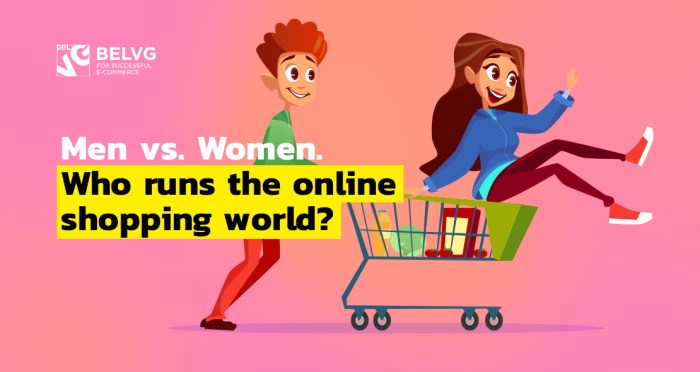
In conclusion, the report suggests a compelling case for women’s increasing influence in online purchasing. While potential challenges remain, the evidence points to a significant shift in consumer behavior. The report also underscores the need for businesses to adapt to these changes, focusing on targeted marketing, personalized experiences, and understanding the unique needs and preferences of women shoppers.
This transformation has far-reaching implications for the future of online retail and the overall economy.