‘Nobody wants to wear a tuna can on their wrist’ Garmin’s COO explains how the Fenix 9 Pro and Marq Gen…

The Material Shift: Why Titanium Now Rules the Wrist
For years, stainless steel served as the industry standard for high-end sport watches due to its robustness and aesthetic longevity. However, as the demands on fitness trackers have increased—requiring them to be worn 24/7 for sleep tracking, constant heart-rate monitoring, and GPS-intensive activities—the weight of stainless steel has become a liability. In high-intensity scenarios like long-distance running, excessive wrist weight can lead to "watch migration," where the device bounces or slides on the wrist. This movement creates gaps between the optical heart-rate sensor and the skin, resulting in inaccurate data collection.
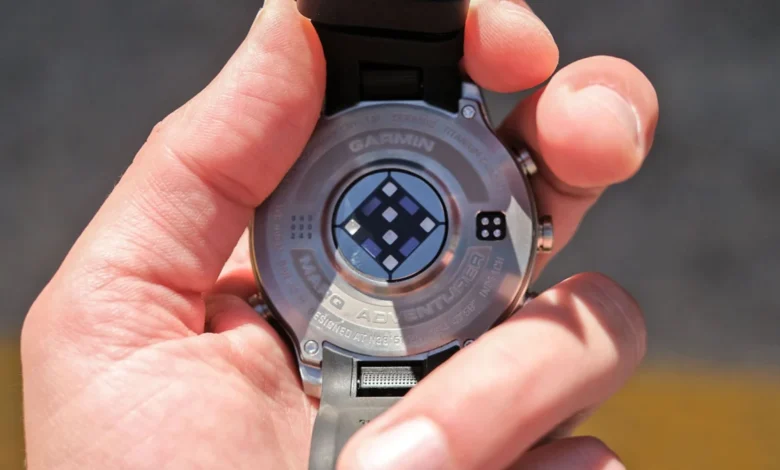
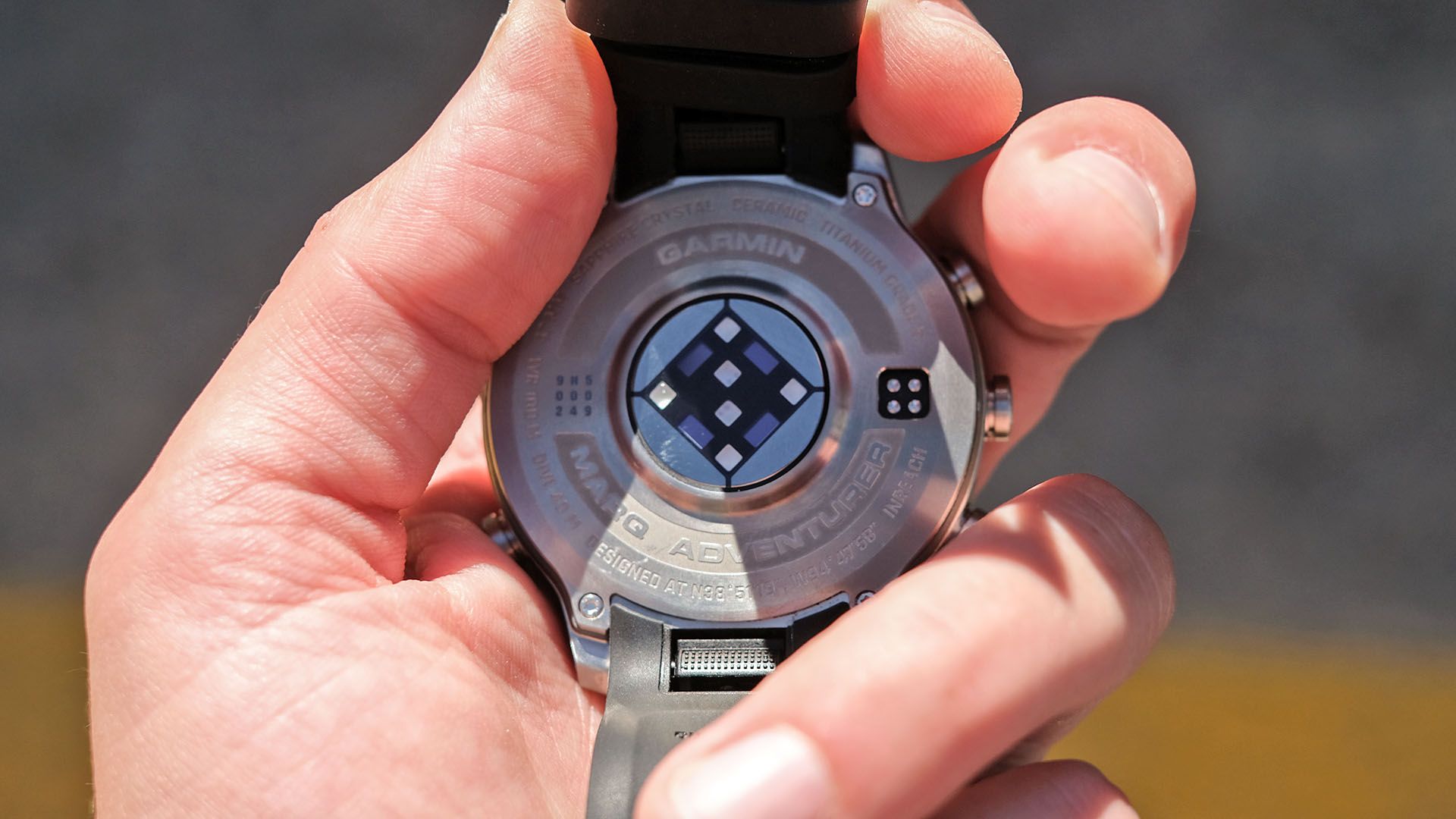
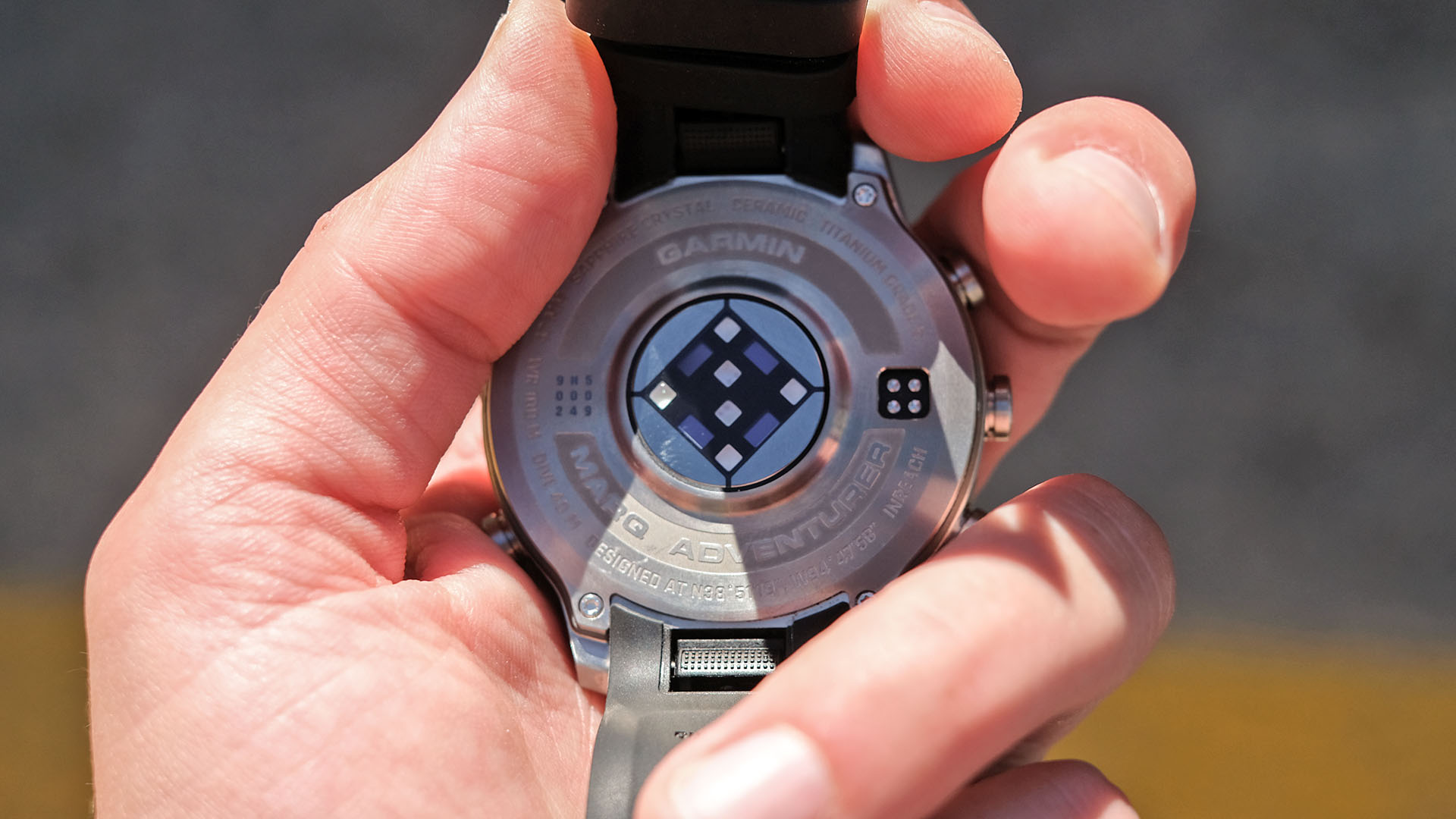
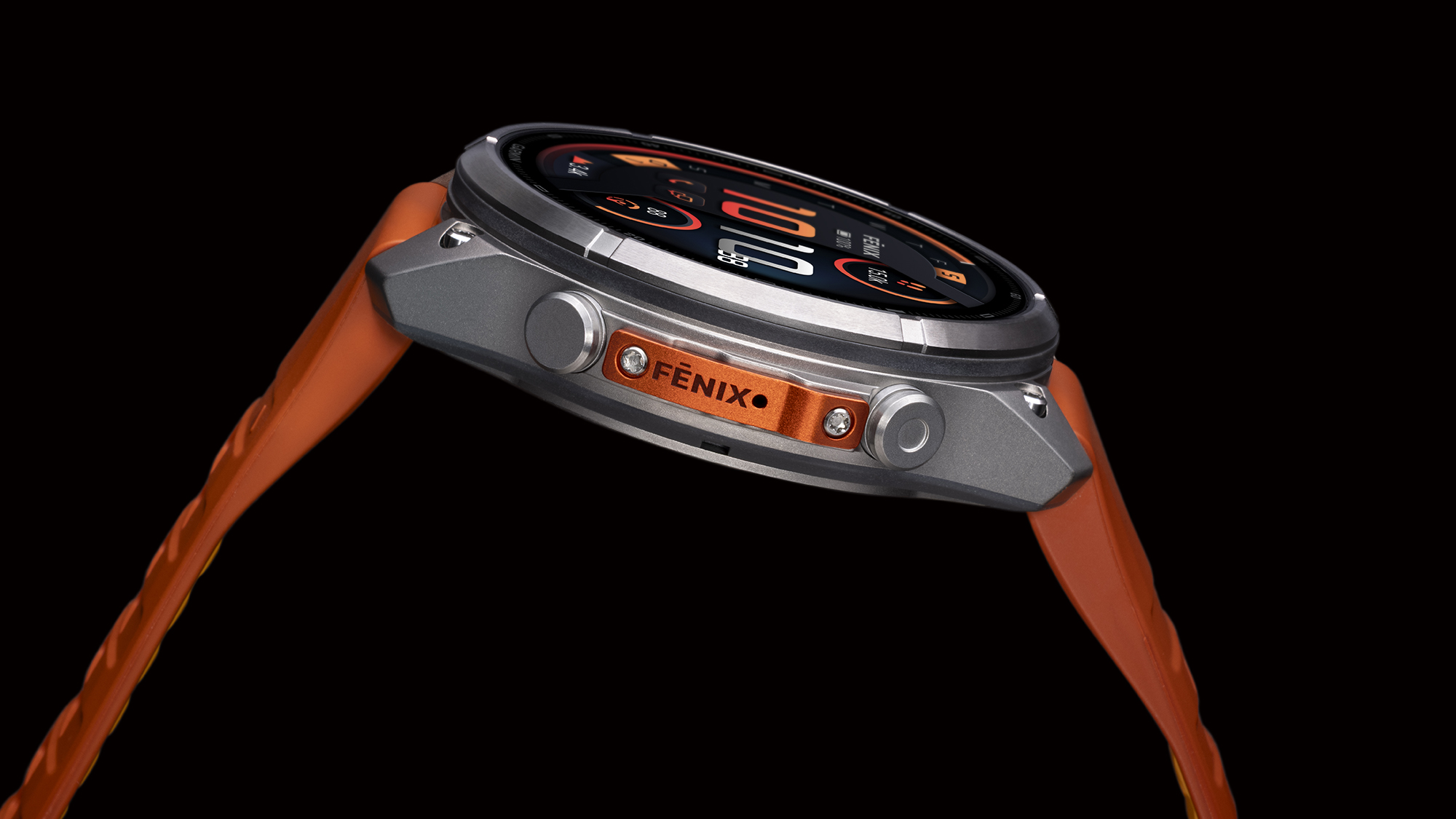
Titanium, particularly Grade 5 titanium alloys, offers a solution. It is substantially lighter than stainless steel while offering superior corrosion resistance, particularly against the salt content of human sweat. Despite these benefits, manufacturers have struggled to move entirely away from polymer components. Even as prices for top-tier watches cross the $1,000 threshold, many models still utilize a "hybrid" construction: titanium bezels and backplates fused to a reinforced polymer sidewall.
The Physics of the "Metal Cage" Problem
The primary challenge in manufacturing a fully metal smartwatch is the "Faraday Cage" effect. Modern smartwatches are effectively radio-frequency hubs, housing an array of antennas for Bluetooth, Wi-Fi, LTE, satellite navigation (GPS/GLONASS/Galileo), ANT+, and NFC payments. Metal housings act as an electromagnetic shield, trapping these signals and rendering the device’s connectivity features virtually useless.
Garmin’s Chief Operating Officer, Brad Trenkle, has highlighted that the industry once attempted to solve this by utilizing thicker gaskets and hybrid interfaces, but these designs often resulted in bulky, "tuna can" aesthetics that were uncomfortable and outdated by modern ergonomic standards. For a device to remain slim enough for professional athletics, the metal must be interrupted by signal-transparent material. Historically, this necessitated the visible polymer bands or casings that defined the look of the mid-2010s GPS watch era, a design language rooted in the functional but clunky heritage of the original 2003 Forerunner 201.
The Innovation of Nano-Scale Molding (NMT)
To overcome the requirement for thick, signal-permeable gaskets, Garmin and other high-end manufacturers have adopted Nano-Molding Technology (NMT). This process represents a significant leap in micro-engineering. Rather than relying on traditional mechanical fasteners or standard industrial adhesives, NMT creates a chemical and physical bond between metal and plastic at the molecular level.
Todd Register, Garmin’s Creative Lead for the Outdoor segment, explains that the process begins by subjecting the titanium surface to a precision chemical etching process. Under a microscope, this creates a microscopic, porous texture on the metal—resembling a forest of tiny, jagged peaks. When the polymer is injected into these etched surfaces at high pressure, it flows into the nano-scale crevices. Once cooled, the plastic and metal are mechanically interlocked at a scale invisible to the naked eye.
This creates a bond that is both airtight and structurally rigid, allowing the watch to maintain water resistance (a critical requirement for devices like the Marq series) while providing thin, "invisible" windows for radio signals to escape. This allows the aesthetic of a "full metal jacket" watch to be maintained without sacrificing the essential smart features that define the product category.
A Brief History of NMT in Consumer Electronics
While NMT feels like a modern breakthrough for the sports watch industry, the technology has roots in the broader consumer electronics market. Around 2011, smartphone manufacturers, most notably HTC, began experimenting with NMT to transition from plastic-heavy designs to the premium, thin-chassis metal phones that would eventually dominate the industry. The technology was initially used to hide antenna lines on the exterior of smartphone bodies.
The fact that this technology is only now trickling into the wearable sector underscores the unique difficulty of combining high-pressure water resistance with delicate antenna performance. Unlike a smartphone, which is primarily handled by the user, a sports watch must remain sealed against water pressure during swimming, diving, and exposure to extreme weather. The longevity of these bonds under such environmental stress is what has kept the technology in the ultra-premium price brackets for over a decade.
Implications for the Market and Future Pricing
The integration of NMT and all-titanium construction has significant implications for the future of wearable pricing. Currently, these advanced manufacturing processes are largely restricted to the "halo" products—the most expensive, feature-rich devices in a company’s lineup.
The economic reality is that implementing nano-scale etching and precision injection molding increases the bill-of-materials (BOM) cost significantly. As seen with the Garmin Venu series—which has experienced a steady price climb from the mid-$400 range to over $550—the industry is testing the limits of consumer willingness to pay for premium materials. Whether this technology will eventually "trickle down" to mid-range devices depends on the scale of production and the ability to automate the NMT process further.
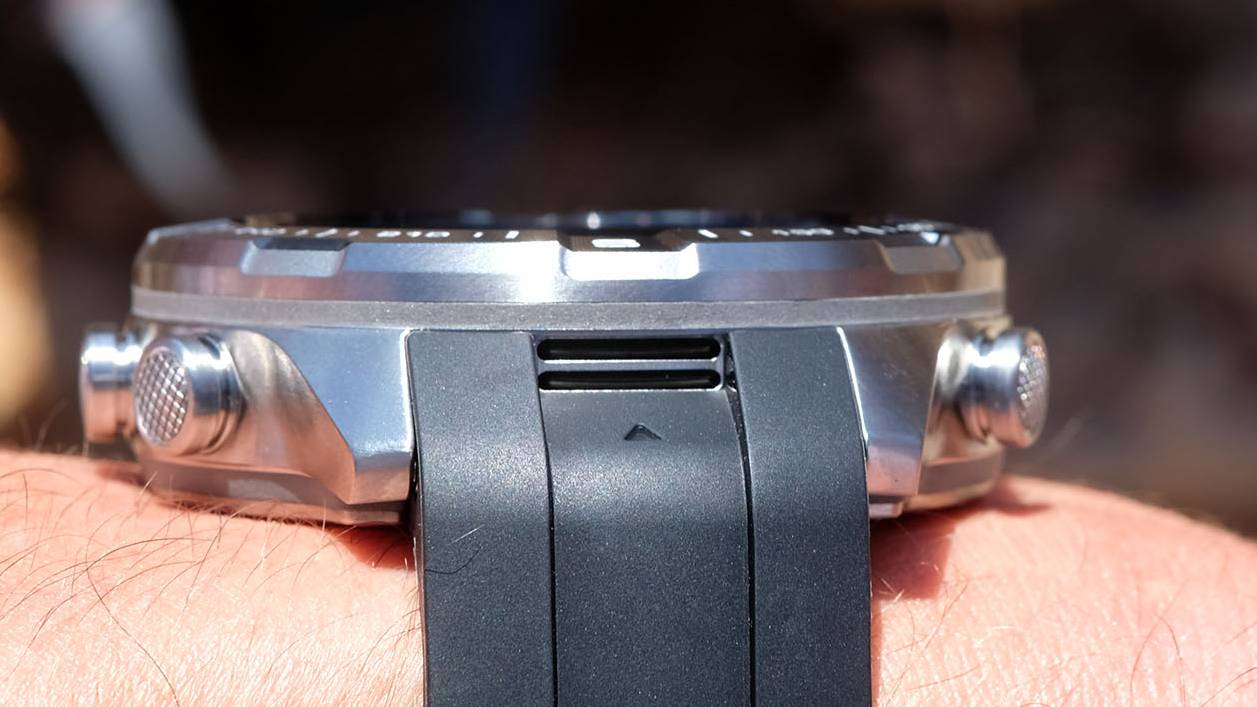
For now, the use of titanium is a clear divider in the market. It separates the functional, plastic-bodied sport trackers from the lifestyle-integrated, luxury-grade timepieces that double as high-performance computers. While the technical hurdles of radio interference and water-tight sealing are substantial, the success of the NMT process in the latest generation of premium watches proves that manufacturers are committed to blending the heritage aesthetic of fine horology with the complex, invisible requirements of modern wireless connectivity.
As global demand for health-tracking data continues to rise, the pressure on manufacturers to deliver devices that are both durable and "invisible" on the wrist—feeling like a traditional watch rather than a wearable computer—will only intensify. The reliance on advanced metallurgy and nano-engineering marks the beginning of a new era in wearable design, where the internal tech is as sophisticated as the external finish. Whether the average consumer will prioritize these materials over the lower price points of polymer-based alternatives remains the defining question for the next decade of fitness technology.
Related posts: