
The Detroit Lions and the Buffalo Bills are set to square off in one of the premier matchups of Week 2 of the 2026 NFL season. Both teams enter this high-profile fixture coming off high-scoring victories in their respective season openers, though their paths to victory and defensive performances varied significantly. The Lions posted 31 points while conceding 30 against their opponents, whereas the Bills secured a 36-31 win. However, Buffalo’s opening performance under offensive coordinator Joe Brady looked considerably more cohesive and convincing. This Thursday night showdown carries additional historical significance as it marks the first-ever competitive fixture hosted at the newly constructed Highmark Stadium, adding heightened anticipation for the home crowd.
Match Overview and Schedule
The Week 2 Thursday Night Football clash takes place on Thursday, September 17, 2026. Kickoff is scheduled for 8:15 p.m. ET (5:15 p.m. PT). International fans will need to adjust their clocks accordingly, with the action broadcasting at 1:15 a.m. BST on Friday, September 18, and 10:15 a.m. AEST on Friday, September 18, for viewers in Australia.
The game presents an intriguing cross-conference style matchup between two franchises with legitimate championship aspirations. While the Bills are looking to establish early dominance in their new state-of-the-art facility, the Lions are aiming to prove that their explosive offensive capabilities can translate on the road against elite competition, despite facing mounting injury concerns on the defensive side of the ball.
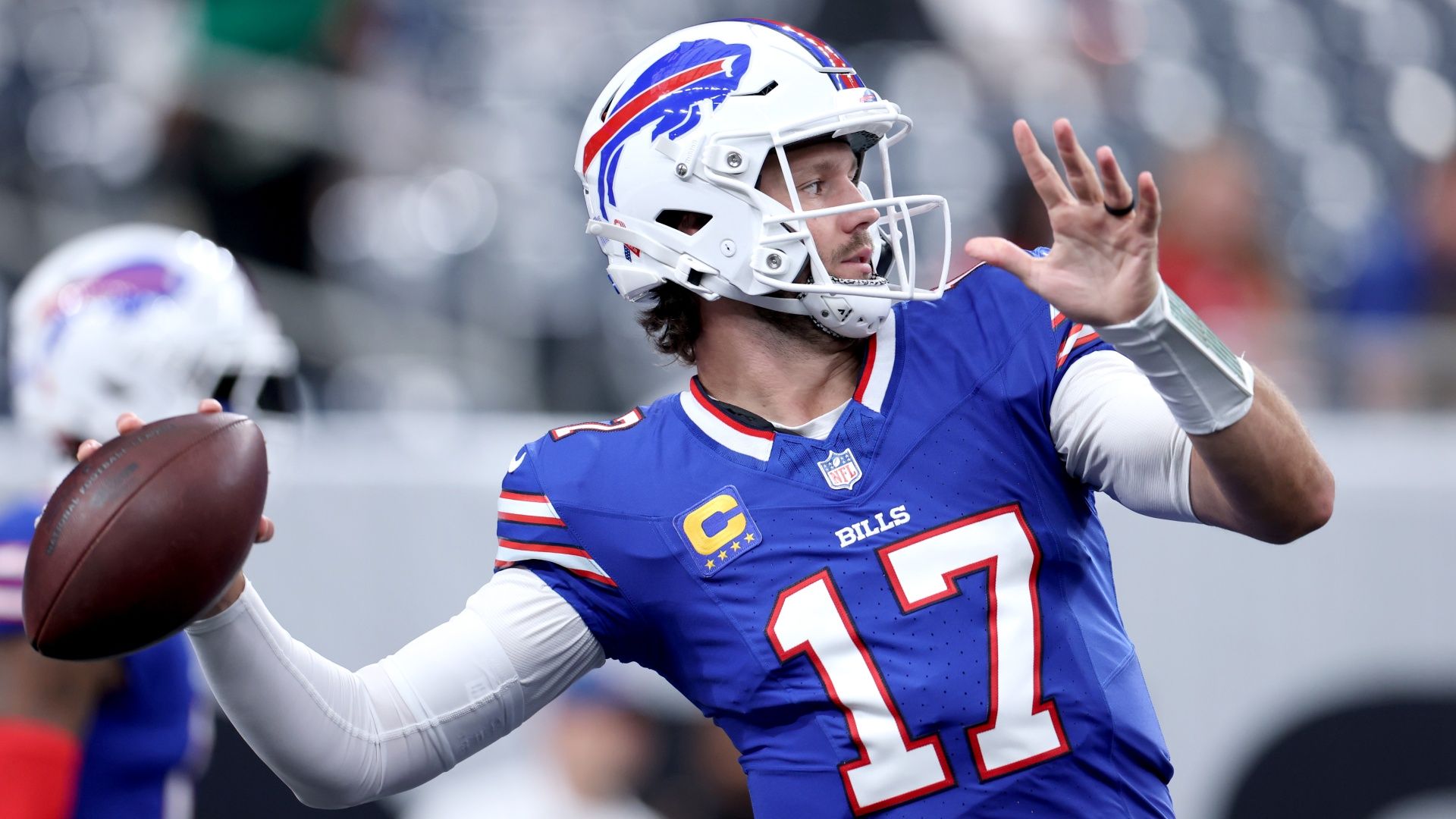
Team Form and Key Performers: Buffalo Bills
The Buffalo Bills opened their 2026 campaign with a statement win, slicing through a Houston Texans defense that entered the year widely regarded as one of the most formidable units in the league. Quarterback Josh Allen appears to have seamlessly integrated high-profile offseason acquisition DJ Moore into the offensive scheme. Moore enjoyed an explosive debut, hauling in five receptions for 100 yards and a touchdown.
Meanwhile, Allen’s established chemistry with tight end Dalton Kincaid remains a nightmare for opposing defensive coordinators. Kincaid matched Moore’s productivity, pulling in five catches for an impressive 130 receiving yards. Joe Brady’s playbook maximized mismatches across the field, proving that the Bills’ offense has evolved beyond relying solely on traditional wide receiver formations. As the Bills prepare to christen Highmark Stadium with its first official regular-season game, the energy in Orchard Park is expected to reach a fever pitch, with the team eager to put on a definitive offensive showcase for their fanbase.
Team Form and Key Performers: Detroit Lions
Detroit’s Week 1 victory over the New Orleans Saints was a game of two halves that nearly ended in disaster. The Lions engineered a dominant first-half shutout and built a commanding 21-0 lead by the third quarter. However, a stunning collapse down the stretch allowed the Saints to claw back and force overtime tied at 24-24. Ultimately, kicker Jake Bates secured the victory in the extra frame, but the late-game breakdown highlighted glaring vulnerabilities that head-tutor Dan Campbell and his coaching staff must address quickly.
Offensively, the Lions remained exceptionally productive. Jared Goff connected efficiently with Amon-Ra St. Brown, who finished the contest with 67 receiving yards and two touchdowns. Running back Jahmyr Gibbs put on a masterclass, acting as an absolute workhorse by rushing for 156 yards and two touchdowns while adding five receptions for 30 yards out of the backfield. On the offensive line, rookie tackle Blake Miller earned rave reviews for a stellar professional debut.

Despite the offensive output, the defensive landscape for Detroit is precarious. With key playmakers Brian Branch and Kerby Joseph currently sidelined on the Physically Unable to Perform (PUP) list, the secondary looks vulnerable. Compounding these concerns is a stark historical disadvantage: the Lions have lost each of their last five meetings against the Bills in a historically infrequent matchup that marks only their 14th regular-season encounter in NFL history.
Historical Head-to-Head Record
The historical ledger between the Detroit Lions and Buffalo Bills heavily favors the franchise from Western New York. Across 13 previous regular-season meetings, the Bills have claimed eight victories, while the Lions have managed four wins. One contest in the series history ended in a tie. Given Buffalo’s recent streak of five consecutive wins against Detroit, the Lions face both a formidable opponent and the weight of recent history as they step onto the field for Thursday Night Football.
Global Broadcasting and Live Streaming Guide
For fans looking to catch every snap of Lions vs Bills, regional broadcasting rights vary considerably depending on geographic location. Viewers outside their home countries or facing regional broadcasting restrictions can utilize Virtual Private Network (VPN) services such as IPVanish to securely access their domestic streaming subscriptions from anywhere in the world.
How to Watch in the United States
Viewers in the United States can watch the game exclusively on Amazon Prime Video, which serves as the official home of Thursday Night Football from Weeks 2 through 17 (excluding Thanksgiving), alongside special fixtures including the NFL Black Friday game and select Wild Card matchups. Prime Video subscriptions are available for $14.99 per month or $139 annually, with a 30-day free trial offered to eligible new subscribers.

How to Watch in the United Kingdom
U.K. fans have multiple options to view the action. Every out-of-market NFL game, alongside NFL RedZone, is broadcast via NFL Game Pass on DAZN, with annual subscription packages starting at £18.99 per month on a yearly commitment or £179.99 paid upfront. Additionally, the Thursday Night Football fixture will be simulcast live on Sky Sports Main Event and Sky Sports Action. Existing Sky customers can add sports packages starting at £22 per month, while flexible, contract-free viewing is available through a NOW Sports Membership, offering 24-hour access passes or monthly bundles.
How to Watch in Canada
Canadian football enthusiasts can stream Lions vs Bills alongside every other NFL matchup via DAZN, with standard subscriptions starting at CA$24.99 per month. Traditional television and digital broadcasts are also available through domestic networks including TSN, CTV, and RDS, with TSN streaming plans starting at CA$24.99 per month.
How to Watch in Australia
Australian fans enjoy free-to-air access to the matchup, which is broadcast live on 7Mate with accompanying digital streaming available via 7Plus. Alternatively, the game is available through subscription services broadcasting ESPN, including Foxtel, Kayo Sports, and Disney Plus.
Tactical Implications and Outlook
As Week 2 unfolds, this matchup offers critical data regarding the trajectory of both franchises. For Buffalo, a decisive win at the new Highmark Stadium would validate their offseason adjustments and cement their status as early favorites in the AFC. For Detroit, tightening up late-game defensive execution and overcoming their injury crisis will be essential if they hope to secure their first victory against Buffalo in years and reassert themselves as NFC contenders.