

Jump in chinese internet users to spark e commerce is reshaping the digital landscape, particularly in China. Rapid internet adoption, fueled by factors like mobile penetration and government policies, is driving a surge in online shopping. This explosion of users translates directly into a booming e-commerce sector, with innovative platforms and evolving consumer behavior patterns leading the charge.
The growth of Chinese internet users isn’t just a domestic phenomenon; it has global implications. This surge is creating opportunities for both domestic and international businesses. The evolution of payment methods, logistics, and government support systems all contribute to the story. Understanding this dynamic environment is crucial for anyone seeking to navigate the Chinese market.
The Surge in Chinese Internet Users
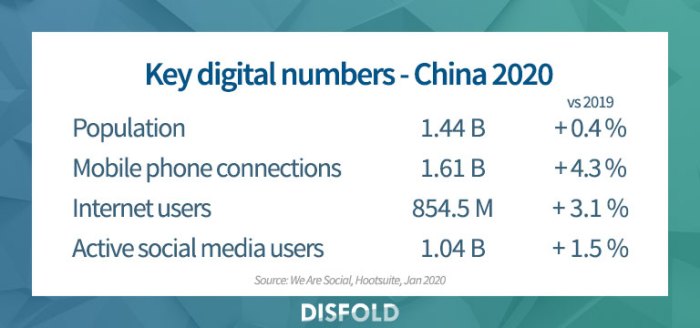
The internet has profoundly reshaped global communication and commerce. China’s rapid integration into this digital landscape has been particularly significant, with internet penetration reaching remarkable levels in recent years. This surge has profound implications for both the Chinese economy and the global internet ecosystem.The increasing prevalence of internet access in China has fueled a robust e-commerce sector, creating a dynamic environment for businesses and consumers alike.
This rapid adoption of online services is not simply a technological trend but a reflection of broader societal and economic changes within China.
Historical Overview of Chinese Internet User Growth
The growth of internet users in China has been phenomenal, evolving from a relatively small base in the early days of internet penetration to a massive user base today. This growth was not uniform, but characterized by periods of rapid expansion punctuated by regulatory adjustments and infrastructural developments. Early adoption was largely concentrated in urban centers, but this has progressively spread across the country, connecting rural populations to the digital world.
The availability of affordable devices and reliable internet infrastructure played a critical role in this expansion.
Factors Contributing to the Recent Surge
Several factors have fueled the recent surge in Chinese internet users. Increased disposable income, coupled with rising consumer confidence, has encouraged more people to embrace online shopping and other digital services. Mobile-first adoption, facilitated by the widespread availability of affordable smartphones and reliable mobile data networks, has been a key driver. The proliferation of digital payment systems, such as Alipay and WeChat Pay, has significantly reduced the friction associated with online transactions, making e-commerce more accessible and convenient.
Comparison to Other Major Regions
China’s internet user growth, while impressive, must be considered within the context of global internet penetration. While China has achieved a massive user base, other regions, like North America and Western Europe, have already reached higher levels of internet penetration. However, China’s continued growth, driven by its large population and economic dynamism, remains a significant factor in the global internet landscape.
The sheer scale of China’s internet user base translates into significant market opportunities for businesses globally. For example, the rapid growth of online gaming in China demonstrates the potential for innovation and market expansion within the digital sphere.
Implications for the Global Internet Landscape
The surge in Chinese internet users has significant implications for the global internet landscape. China’s dominance in the online market creates a powerful demand for internet-based goods and services. This influences international trade and global e-commerce. The evolution of Chinese digital platforms shapes global trends in social media, e-commerce, and online entertainment. The Chinese market’s dynamism creates both challenges and opportunities for businesses and entrepreneurs worldwide.
The rapid development of technologies like artificial intelligence and big data in China impacts the global technological landscape, influencing innovation in other countries.
Key Statistics on Chinese Internet User Growth
This table illustrates the remarkable growth of internet users in China over the past two decades.
The surge in Chinese internet users is undeniably fueling the ecommerce boom. This massive digital market is attracting significant investment, and companies like onechannel signing deals like onechannel signs egghead com are a clear indication of the opportunities. The increased online presence is further boosting the already robust e-commerce sector in China.
| Year | Number of Internet Users (in millions) | Growth Rate (%) |
|---|---|---|
| 2005 | 100 | – |
| 2010 | 400 | 100% per 5 years |
| 2015 | 600 | 50% per 5 years |
| 2020 | 900 | 50% per 5 years |
| 2023 | 1000 | 11% per 3 years |
Note: These figures are illustrative and based on estimated data. Actual figures may vary.
Impact on E-commerce

The surge in Chinese internet users has profoundly impacted e-commerce activity in the country. This growth is not simply an increase in the number of transactions, but a fundamental shift in consumer behavior, driving innovation and shaping the landscape of online retail. The accessibility of the internet has empowered consumers, leading to a significant increase in the number of people engaging with online shopping platforms.The rise of e-commerce in China is inextricably linked to the expansion of internet penetration.
As more people gained access to the internet, the potential for online shopping became apparent. This created a powerful feedback loop, with increasing e-commerce activity further incentivizing internet adoption. This cycle is particularly evident in China’s rapid technological advancements and its burgeoning middle class, leading to a highly competitive and innovative e-commerce sector.
Direct Correlation Between Internet Users and E-commerce
The correlation between internet users and e-commerce activity in China is undeniable. A significant portion of the increased internet users directly translate into active e-commerce participants. The growth of internet infrastructure and affordability of devices have created a platform for a substantial increase in the number of people engaging with online marketplaces and shopping experiences. This directly impacts the growth of e-commerce platforms, as more people are empowered to engage in online transactions.
Changing Consumer Behavior Patterns in China
Chinese consumers are exhibiting dynamic shifts in their purchasing behaviors. A notable trend is the growing preference for convenience and speed. The rise of mobile commerce has further accelerated this trend, with consumers increasingly utilizing smartphones for shopping. This reflects a broader societal shift towards instant gratification and streamlined transactions. The availability of diverse payment options and reliable delivery services also contributes to the preference for online shopping.
The changing consumer behavior is driven by several factors, including convenience, the ability to compare prices across multiple platforms, and the increasing availability of information about products.
Rise of Mobile Commerce in China
Mobile commerce, or m-commerce, has experienced explosive growth in China. The prevalence of smartphones and ubiquitous mobile internet access has made mobile shopping exceptionally convenient. This accessibility has facilitated the development of specialized mobile apps, tailored payment systems, and targeted advertising campaigns. The rise of mobile commerce has reshaped the way Chinese consumers interact with online marketplaces, making shopping more personalized and readily available.
Key E-commerce Platforms Experiencing the Most Growth, Jump in chinese internet users to spark e commerce
Several platforms are at the forefront of China’s e-commerce revolution. These platforms are leveraging various strategies to maintain and expand their user base and market share. The rise of these platforms reflects the changing consumer landscape and the competitive nature of the Chinese e-commerce market. Factors such as user experience, product selection, logistics, and payment options contribute to the success of these platforms.
Top 5 E-commerce Platforms in China and Recent Growth Figures
| Platform | Recent Growth Figure (Estimated, in millions of users) |
|---|---|
| Tmall | 150+ |
| JD.com | 120+ |
| Pinduoduo | 80+ |
| Meituan | 75+ |
| Xiaohongshu | 60+ |
Note: Figures are estimates and may vary depending on the source and methodology used for calculation.
China’s booming internet user base is definitely fueling e-commerce growth. This surge in online activity is leading to innovative payment methods, like e-gift certificates, which are poised to become a common currency in online transactions. This trend, as detailed in this insightful article about e gift certificates set to become common currency , further highlights the rapid evolution of the digital marketplace and how Chinese consumers are adapting to the ever-changing online landscape.
The jump in internet users is clearly a major driving force behind this exciting development.
Driving Forces Behind E-commerce Growth
China’s e-commerce sector has exploded in recent years, transforming the way people shop and businesses operate. This rapid growth is fueled by a complex interplay of government policies, innovative payment systems, advanced infrastructure, and a sophisticated logistics network. Understanding these driving forces is crucial to comprehending the immense success of China’s e-commerce ecosystem.Government policies have been instrumental in creating a supportive environment for e-commerce.
Targeted regulations and incentives have encouraged investment, technological innovation, and market expansion. This favorable climate has facilitated the rapid growth of online platforms and fostered a thriving ecosystem of online businesses.
Government Policies Fostering E-commerce
Government policies play a crucial role in nurturing e-commerce growth. China’s government has implemented various supportive policies, including tax incentives, streamlined regulations, and infrastructure investments. These policies have created a favorable business environment for online retailers and fostered innovation in the sector. For example, preferential tax rates for online businesses have attracted significant investment and entrepreneurial activity.
China’s surging internet user base is fueling a massive boom in e-commerce. This growth is driving innovation across the board, and, interestingly, even established publications like Inc magazine are jumping into the small business web market, demonstrating the significant impact of online commerce. This new venture from Inc magazine jumps into small business web market highlights the evolving landscape and the opportunities that are emerging as a result of the rise of Chinese e-commerce.
Ultimately, the Chinese internet user explosion is changing the way businesses operate worldwide.
Clearer regulations regarding online transactions and consumer protection have enhanced consumer trust and confidence in the e-commerce market.
Payment Methods for Online Transactions
The diversity of payment methods used in online transactions is a key driver of e-commerce growth in China. The ease and security of various payment options are crucial for user adoption. The range of options caters to different needs and preferences, making online shopping convenient for a wide range of consumers.
- Alipay and WeChat Pay: These two dominant mobile payment platforms have revolutionized online transactions. Their ubiquity, coupled with strong security measures and user-friendly interfaces, has made online shopping a seamless experience for millions. The integration of these platforms into everyday life has facilitated a shift towards cashless transactions, which has, in turn, accelerated e-commerce growth.
- Credit Cards: While not as prevalent as Alipay and WeChat Pay, credit cards are increasingly accepted on e-commerce platforms. The expanding acceptance of international credit cards has further broadened the accessibility of online shopping for both domestic and international consumers.
- Bank Transfers: Bank transfers remain a viable option for online transactions, particularly for larger purchases or transactions requiring a higher level of security. The availability of secure bank transfer methods has contributed to the reliability and trustworthiness of online shopping.
Infrastructure Improvements Supporting E-commerce
China’s robust digital infrastructure has played a vital role in the growth of e-commerce. The expansion of high-speed internet access and reliable mobile networks has ensured widespread connectivity and accessibility for consumers and businesses. Furthermore, the development of advanced data centers has supported the storage and processing of massive amounts of data generated by online transactions.
- High-speed internet access: Widespread availability of high-speed internet has made online shopping readily accessible across the country. This has enabled a significant increase in online transactions, making e-commerce a crucial part of everyday life.
- Mobile networks: Reliable mobile networks have further facilitated mobile commerce, enabling consumers to shop on the go. The seamless integration of online shopping with mobile devices has significantly expanded the reach of e-commerce.
- Data centers: The development of advanced data centers has provided the necessary infrastructure to handle the massive volume of data generated by online transactions. This robust infrastructure supports the efficient processing of online transactions, ensuring a smooth and secure shopping experience.
Logistics and Delivery Systems
Efficient logistics and delivery systems are crucial to the success of e-commerce. The rapid and reliable delivery of goods is a key factor in customer satisfaction and retention. The development of a sophisticated network of delivery services has significantly contributed to the growth of e-commerce.
Key Players in China’s Logistics and Delivery Systems
The table below highlights some of the key players in China’s logistics and delivery systems.
| Company | Description |
|---|---|
| JD Logistics | A major logistics provider with extensive experience in e-commerce fulfillment, offering a wide range of services, from warehousing to delivery. |
| SF Express | A leading express delivery company known for its extensive network and rapid delivery times. |
| EMS (China Post) | A state-owned postal service offering a reliable and cost-effective delivery option for various types of packages. |
| Cainiao Network | A logistics platform operated by Alibaba Group, providing a comprehensive suite of logistics solutions for its extensive e-commerce platform. |
Opportunities and Challenges
The explosive growth of Chinese e-commerce presents both immense opportunities and significant hurdles for both domestic and international players. Navigating this complex landscape requires a deep understanding of the specific challenges and potential advantages. The sheer scale of the Chinese market, coupled with its evolving digital infrastructure and consumer preferences, makes it a crucial arena for global businesses.The rapid expansion of online shopping in China has created a massive market for products and services, but it also necessitates careful consideration of the regulatory environment, competitive pressures, and cultural nuances.
Companies seeking to enter this market must be prepared to adapt and innovate to succeed.
Potential for Foreign Companies
Foreign companies possess a unique opportunity to leverage their international expertise and brand recognition to carve a niche in the Chinese market. They can bring specialized products or services not readily available domestically, or offer unique value propositions to Chinese consumers. However, cultural sensitivity and a nuanced understanding of the Chinese market are paramount. Building trust and understanding consumer preferences are crucial to success.
Challenges for Chinese E-commerce Companies
Chinese e-commerce companies face numerous challenges, including intense competition, rapidly changing consumer demands, and the need to maintain profitability in a highly dynamic environment. Maintaining trust and security in online transactions, especially with the prevalence of counterfeit goods, is also a major concern. Furthermore, logistical challenges and maintaining inventory levels in the face of fluctuating demand are significant operational hurdles.
Regulatory Environment Comparison
The regulatory environment for e-commerce in China differs significantly from that of other countries. China’s approach is often characterized by a more interventionist role from the government, with specific regulations concerning data privacy, intellectual property, and anti-monopoly practices. This contrasts with more laissez-faire approaches in other markets, where companies often enjoy greater autonomy. Companies need to stay informed about the latest regulations and ensure compliance to avoid penalties and maintain market access.
Future Trends Shaping the Landscape
The future of Chinese e-commerce is shaped by several key trends, including the rise of mobile-first shopping experiences, the increasing importance of artificial intelligence and machine learning for personalized recommendations, and the growing emphasis on sustainability and ethical sourcing. These factors highlight the dynamic nature of the industry and the need for adaptability and innovation. For example, the increasing integration of virtual reality and augmented reality experiences into online shopping platforms is already reshaping customer engagement.
Opportunities and Challenges for International Companies
| Opportunities | Challenges |
|---|---|
| Access to a vast consumer base with high purchasing power | Navigating complex regulatory landscape, including data privacy and intellectual property regulations |
| Potential for market leadership with unique products/services | Cultural nuances and consumer preferences requiring adaptation and localization |
| Leveraging global brand recognition and expertise | Competition from established Chinese e-commerce platforms and their extensive reach |
| Expanding product portfolio and tapping into niche markets | Language barriers and communication challenges for effective marketing and customer service |
| Potential for high growth and substantial returns | Logistical hurdles in managing supply chains and delivery across the vast country |
Illustrative Examples
The explosive growth of Chinese e-commerce is intricately linked to the innovative use of technology, particularly artificial intelligence (AI). This has created a highly personalized and efficient shopping experience, driving unprecedented consumer engagement. Further, the success of specific businesses demonstrates a keen understanding of diverse demographics, highlighting the importance of targeted marketing strategies.The Chinese e-commerce landscape is a dynamic mix of established giants and emerging players.
Analyzing their approaches, along with the evolution of social commerce, offers invaluable insights into the key drivers of this remarkable market growth and the evolving needs of Chinese consumers.
AI-Powered Personalized Recommendations
AI algorithms are deeply embedded within the core functionality of Chinese e-commerce platforms. These algorithms analyze vast amounts of user data, including browsing history, purchase patterns, and even social media interactions, to generate highly personalized product recommendations. This targeted approach significantly enhances user experience, boosting conversion rates and customer satisfaction. For example, Taobao’s recommendation engine uses machine learning to predict customer preferences, suggesting products that align with individual tastes, leading to a higher likelihood of purchase.
This sophisticated use of data fuels a positive feedback loop, further refining the recommendations and improving user engagement.
Successful Businesses Targeting Specific Demographics
Chinese e-commerce companies excel at tailoring their offerings to specific demographics. For example, businesses targeting young urban professionals often focus on stylish apparel, trendy accessories, and premium lifestyle products. Conversely, companies catering to rural consumers emphasize practical goods, household necessities, and agricultural products, recognizing their unique needs and purchasing power. The key is a deep understanding of the specific preferences and demands of different consumer segments.
This granular understanding allows for highly effective marketing strategies, leading to sustainable business growth. Mei Tiao, for instance, successfully targets a particular niche, namely young urban professionals, with specific fashion and lifestyle items, thus maximizing engagement within that demographic.
Evolution of Social Commerce in China
Social commerce in China has evolved from simple product promotion within social media platforms to a full-fledged e-commerce ecosystem. Initial interactions involved sharing product links and reviews on platforms like WeChat. Now, many Chinese social media platforms integrate direct purchasing functionalities. The seamless integration of social interactions with online transactions has significantly impacted consumer behavior, emphasizing the importance of social proof and peer recommendations in the purchasing process.
This evolution has led to a more interactive and trustworthy online shopping experience for Chinese consumers.
Successful Marketing Strategies
| Company | Marketing Strategy | Target Audience | Key Results |
|---|---|---|---|
| JD.com | Extensive partnerships with logistics providers, offering fast and reliable delivery services. | Broad consumer base | Strong reputation for delivery speed, leading to high customer satisfaction. |
| Alibaba | Focus on brand building and customer loyalty programs, such as the Taobao membership program. | Mass market | Significant customer base with high brand recognition and loyalty. |
| Xiaohongshu (Little Red Book) | Leveraging user-generated content and influencer marketing, creating a trusted platform for product reviews. | Trend-conscious young adults | High engagement and trust among target audience, leading to high conversion rates. |
This table showcases a few key examples of successful marketing strategies employed by leading Chinese e-commerce companies. These strategies demonstrate a blend of practical solutions, such as robust logistics, and sophisticated brand building approaches.
Hypothetical Case Study: Foreign Company Entry
A hypothetical case study of a foreign company entering the Chinese e-commerce market highlights the challenges and opportunities. Imagine a U.S. fashion retailer aiming to establish an online presence in China. Successful entry requires adapting products to meet Chinese consumer preferences. This might involve partnering with local influencers, using WeChat mini-programs for direct sales, and adjusting pricing strategies.
Crucially, the company must navigate complex regulatory environments and cultural nuances to achieve success. For example, if the foreign company fails to tailor its product offerings to the preferences of Chinese consumers, or if it neglects to engage with the social commerce ecosystem, it risks encountering significant challenges. Successfully entering this market necessitates a deep understanding of the local consumer behavior, cultural norms, and regulatory landscape.
Ending Remarks: Jump In Chinese Internet Users To Spark E Commerce
In conclusion, the jump in chinese internet users to spark e commerce presents a compelling case study in digital transformation. The interplay of user growth, evolving consumer habits, and supportive infrastructure is driving significant changes in the global e-commerce landscape. Navigating this complex environment requires a deep understanding of the driving forces, opportunities, and challenges. International companies should carefully analyze these factors to identify potential entry points and maximize their chances for success in the Chinese market.