Deckers Brands Surpasses Q1 Expectations While Analysts Monitor Hoka’s Demand Outlook

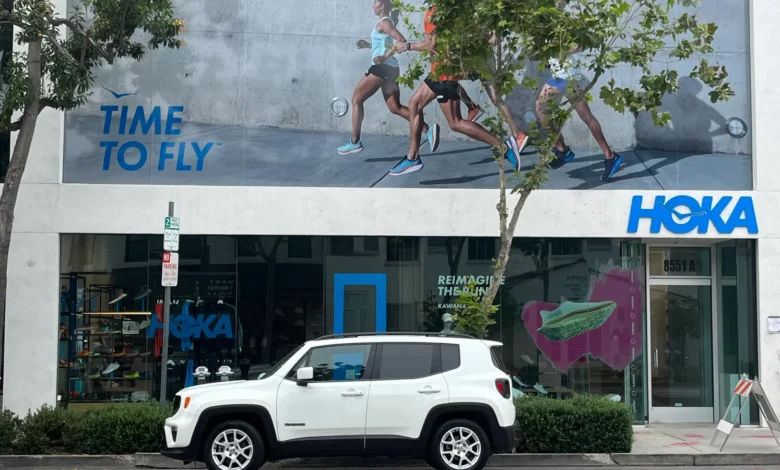
Deckers Brands, the parent company renowned for its influential footwear labels Ugg and Hoka, reported a robust first quarter, exceeding financial expectations and showcasing the continued strength of its diverse portfolio. The strong performance, however, was accompanied by cautious scrutiny from market analysts, particularly regarding the future trajectory of demand for its high-flying sneaker brand, Hoka. The financial results, released on July 24, 2026, highlighted Hoka’s dominant contribution to net sales, alongside Ugg’s steady, if less explosive, growth, setting the stage for a critical second half of the fiscal year.
Detailed Q1 Performance Breakdown and Strategic Underpinnings
For the first fiscal quarter, Deckers Brands posted impressive figures, largely propelled by the exceptional performance of Hoka. The performance running and lifestyle brand contributed over $703 million in net sales during the quarter, dwarfing Ugg’s still significant $278 million. This stark difference underscores Hoka’s current position as the primary growth engine within the Deckers ecosystem, a testament to its widespread consumer appeal and strategic market penetration. The overall performance outpaced consensus analyst estimates for both revenue and earnings per share, indicating effective operational management and strong brand resonance in a competitive market.
A deeper dive into Hoka’s sales channels reveals a nuanced picture. Direct-to-consumer (DTC) sales for Hoka surged by a substantial 17% in the quarter, indicating strong brand loyalty and effective engagement with its customer base through owned retail channels and e-commerce platforms. This robust DTC growth is often viewed favorably by investors, as it typically offers higher margins and greater control over brand messaging and customer experience. It also provides invaluable direct feedback from consumers, allowing for quicker product iteration and marketing adjustments. In contrast, Hoka’s wholesale segment experienced a more modest 3% increase, primarily driven by the U.S. market. This differential growth highlights the strategic importance Deckers places on its direct engagement with consumers, even as it continues to leverage traditional retail partnerships to expand reach and brand visibility.
Deckers CEO Stefano Caroti articulated the company’s forward-looking strategy during the earnings call, emphasizing distinct growth pathways for both Hoka and Ugg. For Hoka, Caroti detailed an ambitious plan centered on "expanding consumer participation through a more differentiated product portfolio, growing international reach and building an innovation pipeline that continues to elevate the brand." This multi-pronged approach aims to broaden Hoka’s appeal beyond its core running enthusiast demographic, tapping into wider lifestyle segments and geographical markets. The second half of the year is anticipated to see Hoka receiving a significant boost from new partnerships with what Caroti described as "elevated, quality retailers," suggesting a strategic move to enhance brand perception and accessibility through premium, curated distribution channels. These partnerships are expected to not only drive sales but also reinforce Hoka’s image as a high-performance, fashion-forward brand.
Concurrently, Ugg, a brand with a rich heritage and a loyal following, is pursuing its own evolution. Caroti stated that with Ugg, the company is "broadening relevance across seasons, categories and consumer segments, creating new avenues for long-term growth." This strategy is crucial for Ugg, historically known for its iconic sheepskin boots and strong seasonal sales, as it seeks to mitigate seasonality and establish itself as a year-round lifestyle brand. Efforts include expanding into lighter footwear options, apparel, and accessories, and targeting diverse consumer demographics beyond its traditional base. Recent product launches, such as spring/summer sandals and year-round loungewear, exemplify this strategic pivot, aiming to capture market share in warmer climates and across different consumer lifestyles.
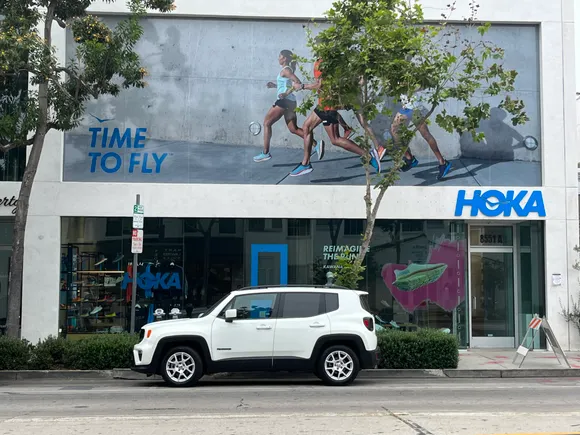
Looking ahead, Deckers Brands projects Hoka to accelerate its growth in the second half of the fiscal year, maintaining a robust high-single-digit percentage growth rate. Similarly, Ugg is expected to sustain its mid-single-digit growth rate. These projections, while positive, form the crux of the analyst debate, with some questioning whether the anticipated acceleration for Hoka will fully meet market expectations given its past explosive growth, which often saw double-digit and even triple-digit percentage increases.
Analyst Perspectives: Optimism Tempered by Prudence
The earnings report and executive commentary spurred a range of reactions from financial analysts, reflecting both optimism about Deckers’ strategic direction and a degree of caution regarding Hoka’s future growth trajectory. The divergent views highlight the complexities of valuing high-growth brands in a dynamic consumer market.
Needham analysts, led by Tom Nikic, expressed confidence in Deckers’ portfolio, noting that both brands are "growing nicely (even if the growth isn’t as exceptional as it once was)." Nikic’s client note highlighted several positive indicators, including "solid DTC trends, favorable inventory/margin dynamics, and compelling valuation." This perspective suggests that while Hoka’s growth rate might be normalizing from its previous hyper-growth phase, its underlying fundamentals remain strong, supported by efficient operations and attractive market positioning. Nikic further posited that the market might be "undervaluing the progress Hoka is making in diversifying its product assortment." This diversification, he argued, is key to sustained growth, allowing the brand to capture new consumer segments and reduce reliance on any single product line or trend, thereby building a more resilient business model.
Echoing this sentiment, UBS analysts, spearheaded by Jay Sole, underscored the significance of Hoka’s expanding product portfolio. Sole’s research note emphasized that Hoka’s diversification is "expanding Hoka’s [total addressable market] and driving market share gains." He specifically pointed to the success of the brand’s new Clifton 11 and Clifton Pro styles, noting their strong resonance with customers. The Clifton series, long a cornerstone of Hoka’s road running lineup, continues to evolve, demonstrating the brand’s commitment to iterative innovation. Critically, Sole observed that "the Clifton Pro is helping Hoka attract a younger, male consumer." This insight is particularly important as it indicates Hoka’s successful foray into new demographic territories, broadening its appeal beyond its traditional female-dominated running base and tapping into a lucrative segment known for its engagement with premium athletic footwear and streetwear culture. The ability to attract new consumer groups through innovative product offerings is a strong indicator of long-term brand health and market expansion potential.
However, a more conservative outlook emerged from Wells Fargo analysts, led by Ike Boruchow. Boruchow’s client note cautioned that Hoka’s full-year strength is heavily contingent on its performance in the second half of the year. While Deckers anticipates Hoka net sales to increase by a low-double-digit percentage compared to the previous year, Boruchow noted that this projection falls "below expectations." He warned that in the near term, some investors might interpret this as "a visible deterioration in Hoka demand," potentially impacting investor sentiment and stock performance. This perspective highlights the challenge of managing expectations for a brand that has experienced exponential growth, where even strong double-digit growth can be perceived as a slowdown if it doesn’t meet elevated analyst forecasts, potentially leading to a re-evaluation of its growth multiple.
Hoka’s Meteoric Rise: A Background Context and Timeline

To fully appreciate the analyst scrutiny surrounding Hoka, it’s essential to understand its remarkable trajectory. Founded in 2009 by former Salomon employees Nicolas Mermoud and Jean-Luc Diard, Hoka One One (later shortened to Hoka) initially targeted ultra-runners with its distinctive maximalist cushioning. At a time when minimalist running shoes were gaining traction, Hoka bravely went against the grain, offering unparalleled comfort and shock absorption through its oversized midsoles. This niche appeal quickly grew into a widespread phenomenon as runners discovered the benefits of its innovative design, which reduced impact and offered a smoother, more stable ride, particularly over long distances.
Deckers Brands recognized Hoka’s potential, acquiring the company in 2012 for an undisclosed sum. Under Deckers’ strategic stewardship, Hoka rapidly expanded its product lines, moving beyond purely performance-oriented running shoes into hiking, trail running, and eventually, lifestyle categories. Its distinctive oversized sole, once a niche feature, became a fashion statement, propelling Hoka into the mainstream athleisure market. The brand’s success can be attributed to a combination of genuine performance benefits, a unique aesthetic that resonated with contemporary fashion trends, and effective marketing that emphasized comfort, innovation, and a vibrant color palette. By the mid-2020s, Hoka had become a formidable player in the athletic footwear market, challenging established giants and carving out significant market share, particularly among consumers prioritizing both performance and style. Its rapid ascension led to consistently high-double-digit and even triple-digit growth rates in previous years, setting a very high bar for future performance and prompting the current careful evaluation by financial observers.
Ugg’s Enduring Appeal and Diversification Efforts
Parallel to Hoka’s rise, Ugg has navigated its own unique market dynamics. Founded in 1978 by Australian surfer Brian Smith, Ugg gained iconic status for its sheepskin boots, particularly in the early 2000s, becoming a cultural phenomenon embraced by celebrities and consumers worldwide. However, its strong association with winter footwear and cyclical fashion trends presented challenges, leading to periods of fluctuating demand and the need for strategic reinvention.
Deckers Brands has proactively addressed Ugg’s seasonality by implementing a robust diversification strategy over the past decade. This involves expanding beyond the classic boot into sandals, slippers, sneakers, and apparel, designed to be relevant across all seasons. The aim is to transform Ugg into a year-round lifestyle brand, appealing to a broader consumer base with a wider array of products. This strategy includes innovative collaborations with designers, fresh marketing campaigns targeting diverse demographics, and a continued focus on premium materials and craftsmanship across its expanded product categories. The Q1 performance, with its mid-single-digit growth, suggests that these diversification efforts are yielding positive, albeit steady, results, contributing to the brand’s long-term stability and relevance in a competitive fashion landscape. Ugg’s ability to maintain its brand equity while evolving its product offering is a key component of Deckers’ overall portfolio strength.
Broader Market Dynamics and Competitive Landscape
Deckers Brands operates within a highly competitive global footwear market, influenced by shifting consumer preferences, macroeconomic conditions, and intense competition from both established players and emerging brands. The athletic footwear segment, in particular, has seen a surge in demand driven by the sustained athleisure trend, increased participation in wellness activities, and a heightened focus on comfort. Brands like Nike, Adidas, New Balance, Brooks, and On Running are constantly innovating, vying for market share with new technologies, celebrity endorsements, and aggressive marketing campaigns. Hoka’s ability to maintain its competitive edge hinges on its continued innovation in shoe technology, effective marketing that resonates with its diverse target audience, and successful expansion into new categories and demographics without diluting its core identity.

The broader economic environment also plays a significant role. Inflationary pressures, rising interest rates, and potential economic slowdowns can impact consumer discretionary spending, particularly on non-essential items like premium footwear. While Deckers’ brands, especially Hoka, command premium pricing, they are not immune to these macroeconomic headwinds. The importance of DTC channels becomes even more pronounced in such environments, as it allows brands to capture higher margins and maintain direct communication with their customer base, potentially mitigating the impact of broader retail slowdowns and allowing for greater pricing flexibility. Geopolitical factors and supply chain stability also remain ongoing considerations for global brands like Deckers.
Implications and Future Outlook for Deckers Brands
The first quarter results from Deckers Brands present a compelling narrative of a company with strong, well-managed brands, yet facing the inevitable challenge of sustaining hyper-growth for its star performer, Hoka. The analyst community’s nuanced reactions underscore the delicate balance between celebrating current success and anticipating future trends. The company’s proactive strategies for both Hoka and Ugg suggest a clear vision for navigating these challenges.
For investors, the key will be monitoring Hoka’s performance in the second half of the year. The success of its new partnerships with "elevated, quality retailers" and the market reception to its diversified product portfolio, including styles like the Clifton Pro, will be critical in validating Caroti’s strategic vision. If Hoka can indeed accelerate its growth and meet or exceed the updated low-double-digit full-year guidance, it will likely assuage concerns about waning demand and reinforce its position as a long-term growth driver. Conversely, any further softening in growth or failure to meet internal projections could amplify Boruchow’s "visible deterioration" sentiment, potentially impacting Deckers’ stock valuation and investor confidence.
Ugg’s steady mid-single-digit growth provides a stable foundation for Deckers. The continued success of its diversification strategy will be vital for reducing its historical seasonality and contributing to consistent, predictable revenue streams. As consumer preferences evolve, Ugg’s ability to remain relevant across seasons and categories, through strategic product development and marketing, will be a testament to its brand resilience and Deckers’ effective portfolio management.
Ultimately, Deckers Brands’ long-term success will depend on its capacity for continuous innovation, agile market responsiveness, and effective brand portfolio management. The company has demonstrated a strong ability to identify and nurture growth engines like Hoka, while also revitalizing established brands like Ugg. The challenge now lies in navigating the complexities of a dynamic global market, maintaining brand momentum, and consistently delivering on ambitious growth targets to satisfy both consumers and discerning investors. The remainder of fiscal year 2026 will be a telling period for Deckers, as it strives to solidify Hoka’s position and further diversify Ugg’s appeal in a constantly evolving retail landscape. The financial community will be closely watching the execution of these strategies, particularly as the low-double-digit projection for Hoka’s full-year sales increase, while still robust, signals a potential moderation from its prior explosive trajectory. The perception of demand health for Hoka, a brand that has redefined segments of the athletic footwear market, remains a central point of interest, illustrating the intense scrutiny faced by market leaders in dynamic consumer industries. Deckers Brands’ ability to manage these expectations and continue its growth story will be a definitive measure of its strategic prowess in the coming quarters.