
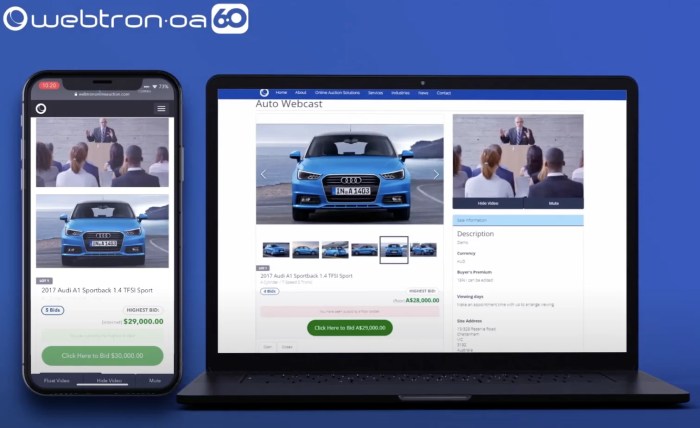
Autodaq launches web only auto auction – AutoDAQ launches web-only auto auction, revolutionizing the way vehicles are bought and sold online. This innovative approach promises a more accessible and efficient auction experience for both buyers and sellers. The platform leverages cutting-edge technology to streamline the entire process, from registration to payment. Compared to traditional methods, this web-only auction model offers a unique set of advantages, which we’ll explore in detail below.
The new web-only platform boasts a user-friendly interface, making the bidding process simpler and more intuitive. It also eliminates the geographical limitations of traditional auctions, allowing buyers from anywhere in the world to participate. This accessibility, combined with the potential for increased efficiency and transparency, makes this a significant development in the automotive industry.
Introduction to AutoDAQ’s Web-Only Auction: Autodaq Launches Web Only Auto Auction
AutoDAQ is pioneering a new era in online automotive auctions with its innovative web-only platform. This revolutionary approach eliminates the need for physical locations, offering a more accessible and efficient way to buy and sell vehicles. The platform leverages cutting-edge technology to streamline the entire process, from initial listing to final payment. This shift promises to reshape the traditional auction landscape, offering numerous advantages for both buyers and sellers.The key features of AutoDAQ’s web-only auction model include a user-friendly interface, enhanced transparency through detailed vehicle information, and secure online bidding and payment systems.
This approach aims to cater to a broader audience, transcending geographical limitations and connecting buyers and sellers in a more efficient manner. This model promises a more transparent and competitive environment for all participants.
Key Features and Benefits
AutoDAQ’s web-only auction model offers a range of advantages over traditional methods. These benefits include greater accessibility, lower transaction costs, and increased efficiency. The platform’s streamlined processes significantly reduce the time and resources required for both buyers and sellers.
- Accessibility: The web-only platform removes geographical barriers, allowing buyers and sellers from anywhere in the world to participate. This increased reach expands the pool of potential buyers, ultimately leading to higher bidding prices and more competitive markets.
- Transparency: Detailed vehicle information, including high-quality images, maintenance records, and inspection reports, is readily available to all participants. This transparency fosters trust and reduces uncertainty, allowing buyers to make informed decisions.
- Efficiency: The streamlined online process, from listing to bidding to payment, significantly reduces the time and effort required for all parties. AutoDAQ’s platform is designed to automate as many steps as possible, further optimizing the experience.
- Cost-Effectiveness: Eliminating physical locations and associated overhead reduces transaction costs for both buyers and sellers. This translates into potentially lower prices for vehicles and higher profit margins for sellers.
Impact on the Existing Auto Auction Market
AutoDAQ’s web-only auction model presents a significant challenge to traditional, physical auction houses. The increased accessibility and lower costs associated with the online platform could attract a large portion of the existing market, forcing traditional methods to adapt or risk obsolescence. The model promises to disrupt the existing industry norms, potentially leading to a more competitive and dynamic market.
Comparison to Traditional Auto Auctions
| Feature | Web-Only Auction | Traditional Auto Auction |
|---|---|---|
| Auction Format | Online bidding platform, real-time updates | In-person bidding, often with a live auctioneer |
| Accessibility | Global, 24/7 access | Limited by location and auction schedule |
| Bidding Process | Secure online bidding, automated processes | Physical presence, often with a physical bidding mechanism |
| Payment Methods | Secure online payment gateways, various options | Cash, checks, or bank transfers, often with escrow services |
The table highlights the key differences between the two models, emphasizing the accessibility and efficiency of AutoDAQ’s web-only approach.
Market Analysis and Trends
The automotive industry is undergoing a rapid digital transformation, with online platforms increasingly dominating the sales landscape. This shift presents both opportunities and challenges for traditional auction models. AutoDAQ’s foray into a web-only auction platform is a strategic response to this evolving market, seeking to capitalize on the growing online demand for vehicles.The digital revolution is impacting every aspect of the automotive market, from consumer research to purchase.
Consumers now extensively utilize online resources for vehicle comparisons, research, and ultimately, purchase. This trend highlights the importance of a robust online presence for any automotive business looking to thrive in the current climate.
Current Trends in the Online Automotive Market
The online automotive market is experiencing significant growth, driven by factors such as convenience, wider selection, and comparative price analysis. Consumers are increasingly comfortable conducting their entire vehicle purchase process online, from browsing inventory to completing transactions. This trend is being fueled by the rise of user-friendly online platforms and secure payment gateways. The ease of comparison shopping and access to a greater range of vehicles is also driving this growth.
Potential Growth and Impact of Online Auto Auctions
Online auto auctions offer a unique opportunity to expand reach and attract a wider range of buyers. By eliminating geographical limitations, online auctions can connect sellers and buyers across the globe. The transparency and efficiency of online bidding processes can significantly streamline the auction experience, potentially leading to increased participation and higher sale prices. The potential growth is significant, given the growing online presence and willingness of consumers to engage in online transactions.
Successful online auctions, such as those seen in other industries, demonstrate this potential.
Target Audience for Web-Only Auto Auctions
The target audience for web-only auto auctions is diverse and spans a wide range of demographics and interests. It includes individual buyers seeking a specific vehicle, businesses looking for fleets, and those looking for a unique purchasing experience. The ability to bid from anywhere in the world significantly broadens the pool of potential buyers, making online auctions an attractive option for various stakeholders.
Comparison of Online Auction Model with Online Car Sales Platforms
Online auto auctions and online car sales platforms cater to different needs. Auction platforms excel at providing dynamic pricing and competition, often resulting in lower prices for buyers. Car sales platforms, on the other hand, offer a broader range of vehicles and often a more streamlined purchase process. Each model has its own unique advantages, and the best approach depends on the specific needs and goals of the seller and buyer.
Comparison of Online Automotive Marketplaces
| Marketplace | Features | User Experience | Target Demographics |
|---|---|---|---|
| AutoDAQ Web-Only Auction Platform | Dynamic bidding, transparent process, global reach, comprehensive vehicle listings | Intuitive interface, secure payment gateways, user-friendly bidding system | Individual buyers, businesses, and those seeking competitive pricing. Emphasis on a broad range of vehicles and a transparent, efficient platform. |
| Carvana | Wide selection of vehicles, transparent pricing, nationwide delivery | Easy navigation, clear vehicle details, streamlined purchase process | Individuals seeking a broad range of vehicles, with a focus on ease of purchase and convenience. |
| CarMax | Extensive selection of vehicles, in-house financing options, established brand recognition | Physical store experience integrated with online tools, reliable reputation | Individuals looking for a reputable brand with multiple locations and flexible financing options. |
| eBay Motors | Vast selection of used and new vehicles, diverse bidding options, wide community | Community-driven platform, potential for various auction styles | Individuals and businesses looking for a broad range of vehicles and engagement within a large online community. |
This table illustrates a comparative analysis of various online automotive marketplaces, focusing on their key features, user experience, and target demographics. These factors will influence the success of AutoDAQ’s web-only platform and its ability to capture market share.
Operational Aspects of the Web-Only Auction
AutoDAQ’s web-only auction platform offers a streamlined and efficient way to buy and sell vehicles. This approach eliminates the constraints of physical space and time, opening up opportunities for a broader range of buyers and sellers. The platform’s robust technical infrastructure, coupled with clear bidding procedures and robust security measures, ensures a smooth and secure auction experience for all participants.
Technical Infrastructure
The platform utilizes a cloud-based architecture, providing scalability and reliability. This allows for seamless handling of a large volume of bids and transactions. High-performance servers and a robust database system ensure rapid processing of requests, minimizing latency during peak bidding periods. This infrastructure is crucial for maintaining a smooth and responsive auction experience, essential for attracting and retaining both buyers and sellers.
Redundancy measures are in place to prevent downtime and ensure the continued availability of the platform.
Bidding Process
The bidding process is designed to be user-friendly and transparent. Registered users can easily access the auction listings, view detailed vehicle information, and participate in the bidding. Bidding limits are set to prevent excessive spending and ensure fairness among bidders. This feature helps maintain a controlled auction environment and prevents bidding wars that may deter participants. A clear and easily understandable interface guides users through each step of the process, minimizing the chance of errors.
Payment Procedures
Secure payment processing is a top priority. The platform integrates with trusted payment gateways, ensuring the safety and security of all transactions. A variety of payment methods are available, offering flexibility to buyers. The system employs encryption to protect sensitive financial information, complying with industry best practices and providing a secure payment environment for all parties involved.
This secure payment processing is essential to maintain confidence and trust in the auction platform.
Security Measures
The platform employs multiple layers of security to protect the interests of buyers and sellers. Robust authentication measures verify user identities, preventing unauthorized access. Data encryption safeguards sensitive information, such as personal details and financial transactions. Regular security audits and penetration testing ensure the platform’s ongoing resilience against evolving cyber threats. These measures are vital to maintain a safe and reliable environment for participants.
Auction Management
The auction process is meticulously managed to ensure a fair and transparent experience. Automated bidding tools and real-time tracking of bids streamline the process, reducing manual intervention. Clear communication channels allow for quick resolution of issues and maintain the integrity of the auction. Real-time monitoring of bids, payments, and other critical data ensures that any irregularities can be addressed immediately.
Bidding Process Steps
| Step | Description |
|---|---|
| 1. Registration | Potential buyers complete registration, providing necessary details and confirming their identity. |
| 2. Listing Review | Buyers review available vehicles, details, and bidding requirements. |
| 3. Bidding | Users place bids within the specified time frame and limits. |
| 4. Auction Closure | The auction concludes at the predetermined time, and the winning bid is declared. |
| 5. Payment Processing | The successful bidder completes payment through the secure payment gateway. |
| 6. Vehicle Transfer | The vehicle ownership is transferred to the winning bidder according to established procedures. |
Potential Advantages and Disadvantages
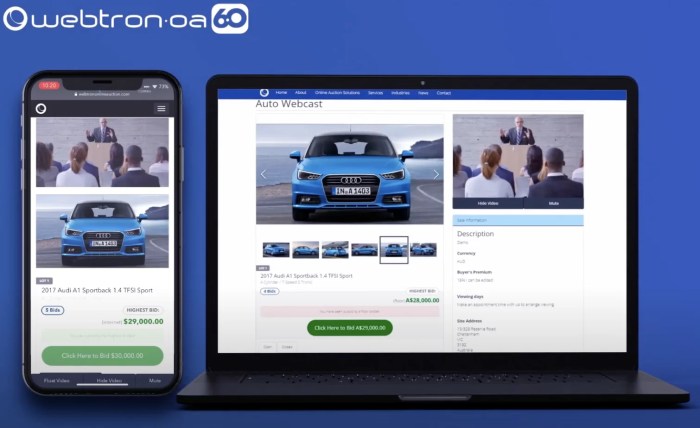
The shift towards web-only auto auctions promises a paradigm shift in the industry, potentially revolutionizing how vehicles are bought and sold. This format presents both exciting opportunities and challenges for all stakeholders, from buyers and sellers to dealerships and customer service teams. Understanding these potential advantages and disadvantages is crucial for navigating this evolving landscape.
Potential Advantages for Buyers
A web-only platform offers buyers unprecedented access to a wider selection of vehicles. Geographical limitations are eliminated, allowing buyers to explore options beyond their immediate vicinity. This increased choice fosters competition among sellers, potentially leading to more competitive pricing and better deals. Real-time bidding and dynamic pricing models are also possible, creating a more responsive and efficient market.
- Expanded Selection: Buyers can browse a vast inventory, potentially finding vehicles that are unavailable through traditional methods, or that better suit their needs due to a more extensive selection.
- Competitive Pricing: The increased visibility and competition fostered by a web-only platform can lead to more competitive pricing and potentially better deals than those found in traditional auctions.
- Accessibility and Convenience: Buyers can participate from anywhere with an internet connection, saving time and eliminating travel expenses.
- Transparency and Efficiency: Real-time bidding and dynamic pricing models can enhance transparency and streamline the bidding process.
Potential Advantages for Sellers
A web-only platform can potentially streamline the selling process, reducing administrative overhead and facilitating faster transaction times. Increased visibility of listings to a wider audience can lead to quicker sales and higher prices, assuming the platform effectively reaches potential buyers. The platform can also provide tools for enhanced marketing and promotion, enabling sellers to reach a wider audience with targeted campaigns.
- Wider Reach: The online platform exposes listings to a much larger pool of potential buyers, increasing visibility and the likelihood of attracting a higher number of qualified buyers.
- Reduced Costs: Eliminating the need for physical venues can lower operating costs associated with traditional auctions, such as rent and staffing.
- Faster Transactions: The potential for streamlined processes and real-time bidding can lead to faster transaction times, reducing the time between listing and sale.
- Improved Marketing Opportunities: Web-based platforms often offer more sophisticated marketing tools, enabling sellers to reach a wider audience with targeted advertising campaigns.
Potential Disadvantages for Buyers
A web-only platform can introduce challenges related to trust and verification. Buyers may be hesitant to purchase vehicles without being able to physically inspect them, particularly if they’re unfamiliar with the seller. This can necessitate robust verification processes to ensure the legitimacy of vehicles and sellers. Also, a lack of face-to-face interaction could potentially reduce the ability to negotiate terms directly with sellers.
- Lack of Physical Inspection: A key concern for buyers is the inability to inspect the vehicle in person before purchase. This necessitates detailed descriptions, high-quality photos, and possibly video walkthroughs, to compensate for the absence of a physical inspection.
- Trust and Verification Challenges: Ensuring the legitimacy of sellers and the authenticity of vehicles is crucial. This may require more robust verification procedures to build buyer confidence.
- Limited Negotiation Options: Direct, in-person negotiation may be more difficult in a purely online environment.
- Potential for Scams: Online environments are unfortunately susceptible to fraudulent activities. Robust measures are needed to minimize the risk of scams.
Potential Disadvantages for Sellers
A significant challenge for sellers is the need to adapt to a new platform and potentially invest in new technologies and training. Ensuring that the online platform is user-friendly and accessible to a wide range of potential buyers is essential. Also, there’s a risk that the platform might not attract enough buyers to generate the same level of revenue as traditional methods.
- Platform Adaptation Costs: Sellers may need to invest in new technologies, marketing strategies, and training to effectively utilize the web-only auction platform.
- Potential for Reduced Revenue: There’s a risk that the web-only format might not attract the same volume of buyers as traditional auctions, impacting revenue streams.
- Technical Glitches: Online platforms are susceptible to technical issues that can disrupt the auction process, potentially leading to frustration for both sellers and buyers.
- Marketing and Promotion Challenges: Effectively reaching a broad audience online requires a robust marketing and promotion strategy to generate interest and attract qualified buyers.
Impact on Dealership Operations and Revenue Streams
Web-only auctions can significantly alter dealership operations, requiring adjustments to inventory management, sales processes, and customer service strategies. Revenue streams could potentially shift from traditional methods to online transaction fees or commission structures. Dealerships may need to invest in training and technology to adapt to this new model.
Autodaq’s new web-only auto auction is a fascinating development, mirroring the shift towards digital marketplaces. It’s almost like Amazon’s building out the store amazons building out the store for cars. This online-first approach could significantly impact the traditional car buying experience, and potentially make the whole process more accessible to a wider audience. Autodaq’s move is a smart one, given the current trends.
Impact on Customer Service Requirements, Autodaq launches web only auto auction
Web-only auctions require a robust customer service infrastructure to address buyer inquiries and concerns effectively. This includes providing detailed vehicle information, responding promptly to questions, and resolving issues related to transactions. Clear communication channels and FAQs are essential for smooth operation.
| Potential Advantages | Potential Disadvantages | |
|---|---|---|
| Buyers | Expanded selection, competitive pricing, accessibility, transparency | Lack of physical inspection, trust and verification challenges, limited negotiation, potential for scams |
| Sellers | Wider reach, reduced costs, faster transactions, improved marketing | Platform adaptation costs, potential for reduced revenue, technical glitches, marketing challenges |
Future Implications and Predictions
The shift towards web-only auto auctions signals a significant evolution in the automotive industry. This model promises to reshape the landscape of car sales, impacting everything from traditional dealerships to the supply chain. The potential for increased efficiency, transparency, and broader market access is undeniable.This evolution presents exciting opportunities and challenges. Understanding the long-term implications of this model is crucial for stakeholders in the automotive industry, from individual buyers to large-scale fleet managers.
This section delves into the future of online auto auctions, focusing on potential developments, AI integration, and innovative approaches to enhance efficiency and effectiveness.
Long-Term Implications for the Automotive Industry
The web-only auction model has the potential to fundamentally alter the automotive industry’s operational structure. Traditional brick-and-mortar dealerships might face increased competition and need to adapt their business models to remain viable. This could lead to a greater focus on digital marketing, online customer service, and potentially a decrease in the reliance on physical showrooms. Increased transparency and data availability through web-based auctions could drive greater efficiency in the supply chain.
This could include more accurate forecasting of demand, optimized inventory management, and potentially lower transaction costs.
Potential Future Developments in the Online Auto Auction Sector
The online auto auction sector is poised for continued growth and innovation. One key development is the integration of augmented reality (AR) and virtual reality (VR) technologies. Imagine buyers being able to virtually inspect a car from any angle, experience its interior features, and even simulate driving conditions. This technology could significantly enhance the buyer experience and improve the accuracy of assessments.
Another potential development is the rise of personalized auction experiences, tailored to individual buyer preferences and needs. This could be accomplished through sophisticated algorithms that analyze past bidding patterns and user data.
AI and Machine Learning Integration in Web-Only Auctions
AI and machine learning (ML) have the potential to revolutionize web-only auto auctions. Algorithms could analyze vast amounts of data, including historical auction results, market trends, vehicle specifications, and even external factors like weather patterns to predict accurate market values and potentially optimize bidding strategies for both buyers and sellers. This could improve the accuracy of pricing and potentially streamline the entire auction process.
An example of this is the use of predictive maintenance algorithms in the automotive industry to estimate vehicle repairs or potential issues. This could then be integrated into the auction process, impacting both pricing and the risk assessment for potential buyers.
Autodaq’s web-only auto auction is a significant move, but it raises questions about online security. Given the growing prevalence of e-commerce scams and the fact that many security advisories, like those discussed in e commerce security advisories go unheeded , go unheeded, it’s crucial to consider the potential risks. While this new approach to car sales offers convenience, robust security measures are paramount to avoid fraud and protect consumers.
Hopefully, Autodaq prioritizes these concerns in their web-only auction platform.
Innovations for Improving Efficiency and Effectiveness
Several innovations could further enhance the efficiency and effectiveness of web-only auto auctions. One promising approach is the implementation of automated bidding systems. These systems could automatically adjust bids based on real-time market conditions and predefined parameters, potentially minimizing manual intervention and increasing the speed of transactions. Another area for innovation is the creation of more sophisticated fraud detection mechanisms.
This is critical for ensuring the integrity and security of online transactions.
Autodaq’s web-only auto auction is a game-changer, streamlining the process for buyers and sellers alike. While this is happening, it’s worth noting that network associates are also stepping up their game, with a planned security seminar tour, which you can learn more about here: network associates to launch security seminar tour. This proactive approach to security complements Autodaq’s digital auction model, promising a more secure and transparent online environment for all parties involved.
Table of Potential Future Developments in the Online Automotive Industry
| Development Area | Description | Impact |
|---|---|---|
| AI-Driven Pricing | Algorithms analyze data to set accurate vehicle prices | Improved accuracy, reduced negotiation time |
| Automated Bidding | Systems adjust bids automatically based on market conditions | Increased speed, reduced human error |
| AR/VR Integration | Virtual inspection and experience of vehicles | Enhanced buyer experience, improved accuracy |
| Personalized Auction Experiences | Auctions tailored to individual buyer preferences | Increased engagement, optimized transactions |
| Blockchain Technology | Enhanced transparency and security of transactions | Increased trust and efficiency |
Competitive Landscape and Analysis
The online auto auction market is becoming increasingly competitive. Understanding the strengths and weaknesses of existing platforms, as well as identifying potential collaborators, is crucial for AutoDAQ to establish a strong presence and achieve market share. A comprehensive analysis of the competitive landscape allows AutoDAQ to craft strategies that leverage its unique selling points and position it for success.
Key Competitors and Their Strengths and Weaknesses
Several prominent online auction platforms are already active in the market. Direct comparisons of AutoDAQ’s proposed web-only auction model with these platforms are necessary for understanding the competitive dynamics. Each competitor brings unique features and user experiences to the table, creating a complex marketplace.
- Carvana: Known for its extensive inventory and streamlined online buying experience, Carvana is a major player. Their strength lies in their large network and strong brand recognition. However, their reliance on direct-to-consumer sales may limit their appeal to wholesale buyers or dealers.
- Manheim: A leading provider of wholesale auto auctions, Manheim operates a well-established physical auction infrastructure. Their significant market share is underpinned by decades of experience and a broad network of participants. However, their transition to a completely web-based platform may face challenges in adapting their current business model.
- eBay Motors: A global online marketplace, eBay Motors offers a wide selection of vehicles. Their established user base and extensive reach provide a strong advantage. However, their platform may be less specialized for the nuances of the auto auction market compared to platforms solely focused on automobiles.
- Other Online Platforms: Many other online marketplaces offer vehicle listings. Their focus varies widely, from general classifieds to niche segments. Their ability to adapt to the specifics of wholesale auctions and the demands of auto dealers remains a significant consideration for AutoDAQ.
Potential for Collaboration and Partnerships
The online auto market benefits from strategic partnerships. Collaborations can create synergies and enhance market reach.
- Logistics and Delivery Partnerships: Collaborations with reliable delivery services could streamline the delivery process for purchased vehicles, potentially reducing costs and improving customer satisfaction.
- Insurance Providers: Partnerships with insurance companies could allow for bundled services and potentially offer attractive financing options to buyers.
- Financial Institutions: Collaborations with banks or financing companies could provide attractive financing options to buyers, increasing accessibility and potentially improving conversion rates.
Strategies for Maintaining a Competitive Edge
To maintain a competitive edge, AutoDAQ needs to consider innovative strategies. Focusing on specific niches or developing unique features could provide a distinct advantage.
- Focusing on Specific Vehicle Types: Specializing in a particular type of vehicle (e.g., classic cars, luxury vehicles, or specific makes/models) can allow AutoDAQ to focus its marketing efforts and establish expertise in a segment of the market.
- Developing Unique Features: Developing unique features, such as AI-powered vehicle valuation tools, automated bidding systems, or enhanced security measures, could provide a significant advantage over competitors.
- Implementing Advanced Technology: Utilizing cutting-edge technologies, like blockchain for secure transactions or 3D vehicle visualization tools, could further enhance the platform’s appeal.
Comparative Analysis Table
A comparative analysis helps in understanding the strengths and weaknesses of AutoDAQ against key competitors.
| Feature | AutoDAQ | Carvana | Manheim | eBay Motors |
|---|---|---|---|---|
| Pricing Model | (to be determined) | Direct-to-consumer, transparent | Wholesale auction-based | Commission-based, diverse |
| User Interface | Modern, intuitive web-based | User-friendly, mobile-first | Established, potentially complex | Mature, extensive but may not be tailored for auction |
| Inventory Size | (to be determined) | Large, extensive | Very large, extensive wholesale network | Massive, broad range but not focused |
| User Reviews | (to be determined) | Mixed, generally positive for buyer experience | Positive for reliability but less direct user feedback | Wide range, positive for established marketplace |
Last Point
AutoDAQ’s web-only auto auction presents a compelling alternative to traditional methods, offering potential benefits for both buyers and sellers. The platform’s ease of use, accessibility, and streamlined processes could significantly reshape the online automotive market. However, challenges such as security concerns and competition from established platforms remain. The future implications for the automotive industry are substantial, and this innovative model deserves careful consideration.