Target swaps signature red branding for muted coastal aesthetic at new Bridgehampton location

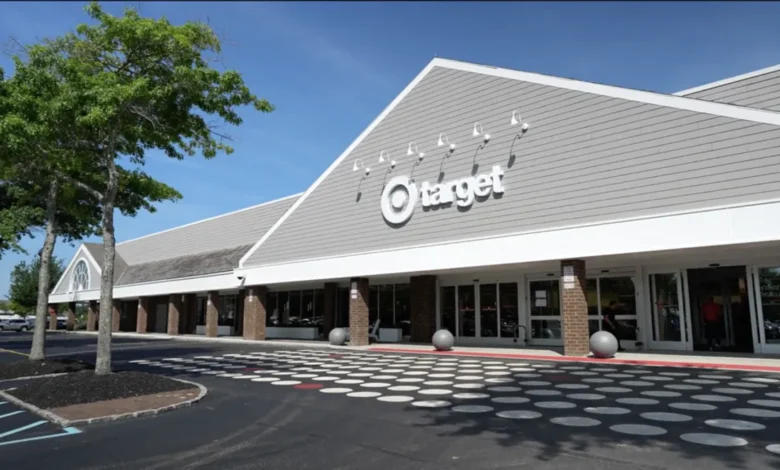
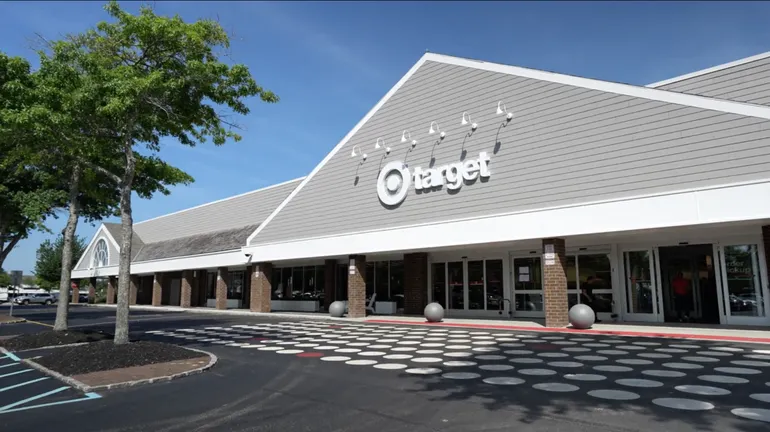
Target, the retail giant synonymous with vibrant red branding, has unveiled a significant departure from its standard store design with the opening of its new 90,000-square-foot location in Bridgehampton, New York. Situated in the Bridgehampton Commons shopping center, the store—which is scheduled to open its doors to the public on October 11, 2026—eschews the company’s iconic red bollards, internally illuminated signage, and high-visibility facade in favor of a muted, gray-toned aesthetic designed to blend seamlessly with the coastal character of the Hamptons.
This architectural pivot represents a nuanced strategy for the Minneapolis-based retailer: maintaining brand recognition while demonstrating a newfound sensitivity to hyper-local zoning regulations and aesthetic expectations in affluent, high-visibility markets. The move, while aesthetically unconventional for the brand, signals a broader shift in how national retailers approach real estate development in communities that prioritize architectural preservation and visual consistency.
A Transformation from Retail History
The Bridgehampton location holds a unique place in the annals of American retail, as it occupies the site formerly held by the last remaining standalone Kmart in the continental United States. The closure of that Kmart marked the end of an era for the once-ubiquitous discount chain, and its transformation into a Target serves as a symbolic transition in the landscape of American suburban commerce.
The redevelopment, managed by the EW Howell Construction Group, involved an extensive overhaul of the existing structure. Beyond the exterior aesthetic changes, the project included the installation of modern, prefabricated fitting rooms, a comprehensive redesign of the back-of-house stock room, significant upgrades to restroom facilities, and a complete refurbishment of the parking infrastructure. These upgrades are consistent with Target’s broader $5 billion capital expenditure plan, announced in the fall of 2025, which aims to modernize the physical retail experience through improved operational efficiency and enhanced customer amenities.
The Aesthetics of Compliance
The decision to deviate from the standard "Target Red" was not a spontaneous design choice but a calculated response to the specific signage and architectural requirements of Bridgehampton. According to company spokespeople, the retailer collaborated closely with local town officials to ensure the store would harmonize with the surrounding community.
The resulting design features a neutral gray exterior, a white Target wordmark, and a white bullseye emblem. Perhaps most notably, the exterior signage is illuminated from above, avoiding the high-intensity glow typically associated with the retailer’s storefronts. This approach ensures compliance with the strict lighting ordinances that govern the Bridgehampton Commons shopping center, demonstrating the company’s willingness to prioritize local regulatory alignment over monolithic brand consistency.
While this specific location is garnering attention for its muted tones, it is not an isolated experiment. Target has previously implemented location-specific design elements in other markets. For instance, the company’s stores in Silverthorne, Colorado, and South Lake Tahoe, California, also feature unique exterior treatments designed to reflect the surrounding environment. These instances suggest that Target is moving toward a "context-aware" store development strategy, particularly in sensitive or geographically distinct regions.

Strategic Growth and Infrastructure Investment
The Bridgehampton location is one of eight new stores opening in October 2026 and represents the final piece of a 30-store expansion plan for the year. This growth is part of a long-term strategic initiative that seeks to expand the retailer’s physical footprint to over 300 new stores by 2035.
This expansion is being executed alongside a massive $1 billion operational investment, a program focused on enhancing the "guest experience." The investment is earmarked for significant interior renovations, including the rollout of new shop-in-shop formats, expanded beauty and home departments, and integrated digital services. The Bridgehampton store, in line with this strategy, will feature essential omnichannel services such as Drive Up, Order Pickup, and same-day delivery, alongside a CVS Pharmacy and a Starbucks Cafe, reinforcing the store’s role as a comprehensive community hub.
The Competitive Landscape of Retail Real Estate
Target’s willingness to adapt its visual identity highlights a broader trend in the retail industry: the "localization" of big-box retail. As competition from e-commerce platforms intensifies, physical retail space is increasingly being viewed as a destination that must provide value beyond mere inventory. By ensuring that its stores feel like part of the local community rather than foreign intruders, Target aims to lower the barrier to entry in high-income, brand-conscious markets.
From a market analysis perspective, the investment in such a high-profile location as the Hamptons is indicative of Target’s commitment to capturing high-spending demographics. While the design changes may seem minor to the casual shopper, they represent a significant operational shift. Engineering custom, non-standard components—such as bespoke signage and non-red bollards—requires a more complex supply chain and project management process than the company’s standard store rollout model.

Chronology of Recent Retail Milestones
- Fall 2025: Target announces a $5 billion capital expenditure investment focused on store remodels and technological integration.
- Early 2026: Construction begins at the former Kmart site in Bridgehampton, NY, following the finalization of local zoning approvals.
- September 2026: Target officially announces the opening of the Bridgehampton store, highlighting its alignment with local coastal aesthetic guidelines.
- October 2026: Target executes the grand opening of the Bridgehampton location as part of an eight-store nationwide expansion effort.
- Future Outlook (2027-2035): Target remains on track to add over 300 new locations, with a focus on high-density and high-growth markets, while continuing its $1 billion operational investment cycle.
Implications for Future Retail Development
The Bridgehampton store sets a precedent for how large-scale retailers may navigate future development in restrictive zoning environments. By adopting a "community-first" design philosophy, Target is effectively neutralizing potential opposition from local boards and residential groups that historically resist the encroachment of big-box chains.
However, this strategy carries potential risks. Diluting brand consistency can sometimes confuse customers or weaken brand equity if not managed with extreme precision. For Target, the challenge will be ensuring that while the exterior changes to fit the environment, the interior experience remains unmistakably "Target."
As the retail sector continues to evolve, the distinction between "local boutique" and "national chain" is becoming increasingly blurred. The success of the Bridgehampton location will likely serve as a case study for the industry. If Target can maintain its high-volume, low-cost operational model while successfully inhabiting spaces that feel native to their surroundings, it may provide a roadmap for other national retailers looking to expand into affluent, aesthetically protected markets across the United States.
Ultimately, the Bridgehampton project is more than just a store opening; it is a manifestation of Target’s current corporate philosophy: operational excellence combined with tactical flexibility. By trading its signature red for a coastal gray, the company has proven that it is capable of evolving its identity to secure prime real estate, ensuring its continued relevance in a retail environment that increasingly demands both efficiency and integration.
Related posts: