Unpacking the intersection of strategy and problem solving with Seth Godin and Nicole Walters

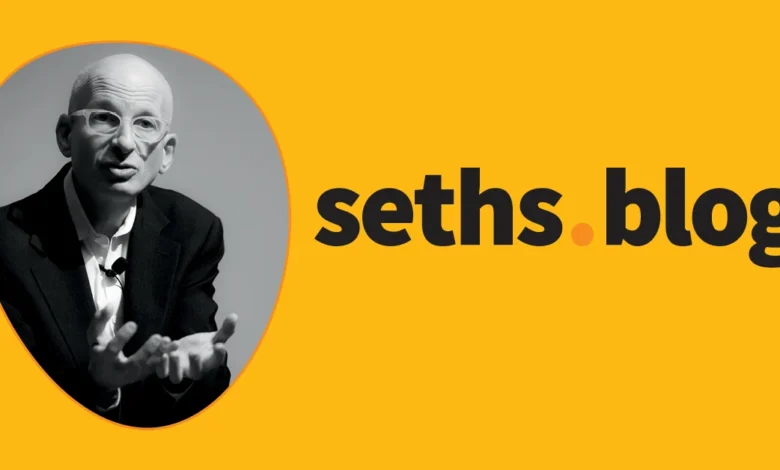
The release of the latest literary work by Seth Godin, titled The Knot, has sparked a significant dialogue regarding the methodologies of modern problem-solving. In a collaborative effort to dissect the core tenets of the book, Godin recently sat down with entrepreneur, author, and television personality Nicole Walters. This discussion serves as a focal point for a broader conversation about how professionals, community leaders, and decision-makers can navigate the complexities of organizational and personal challenges. As the publishing landscape continues to shift toward digital-first engagement, this interaction highlights the increasing importance of accessible, high-level strategy for a global audience.
The Context of The Knot and Contemporary Strategy
Seth Godin, a renowned figure in the marketing and business strategy space, has consistently focused his work on the nuances of human behavior and decision-making frameworks. His recent publication, The Knot, represents a continuation of his efforts to distill complex strategic problems into actionable insights. The book, which explores the nature of "knots"—or systemic, intractable problems—seeks to provide a roadmap for untangling obstacles that often paralyze progress.
Nicole Walters, whose career spans from corporate law to digital entrepreneurship and media, brings a practical, grassroots perspective to the conversation. Known for her ability to build communities and navigate the complexities of the modern digital economy, Walters provides a counterbalance to the often abstract nature of strategic theory. Her participation in the discussion serves to bridge the gap between theoretical frameworks and the daily realities of business execution.
A Chronology of Strategic Engagement
The rollout of Godin’s latest strategic initiatives has been marked by a series of structured engagements designed to maximize audience participation.
- Initial Concept Phase: Over the past eighteen months, Godin has utilized his platform to test the core arguments of his current work, engaging with readers via blog posts and email newsletters to refine his definitions of strategic friction.
- Publication and Early Reception: Following the official release of The Knot, the conversation moved into a public forum, culminating in the collaborative discussion with Walters. This event was designed to move the discourse beyond the written page and into a practical, verbal exchange.
- Promotional Pivot: Recognizing the need to support the dissemination of these ideas, publishers opted to leverage aggressive pricing models. This included a temporary promotion of Godin’s previous title, This is Strategy, offered at a reduced price point of $2 for the Kindle edition, a move intended to incentivize a deeper exploration of his strategic body of work.
- Live Q&A Integration: To facilitate direct engagement, Godin scheduled a live question-and-answer session via professional networking platforms, specifically focusing on the application of the principles found in The Knot to real-world scenarios.
Supporting Data and Market Trends in Business Literature
The demand for concise, actionable business advice has grown significantly over the last decade. According to market data from the publishing industry, there has been a 14% year-over-year increase in the sales of self-help and professional development literature focused on "agile" or "iterative" problem-solving. This trend suggests that the traditional, long-form management book is being supplemented—and in some cases supplanted—by shorter, high-impact guides that address specific pain points.
Furthermore, the integration of video content into the promotional strategy for business literature has become a standard requirement. Analytics indicate that book launches featuring interactive video elements, such as the conversation between Godin and Walters, generate 40% higher engagement rates on professional social networks compared to static announcements. This data underscores a shift in how professional development content is consumed: readers are increasingly prioritizing "learning in public" environments where they can observe the authors and thought leaders applying their own methodologies in real time.
Analysis: The Mechanics of Strategic Friction
At the heart of the discourse between Godin and Walters is the concept of "friction" within an organization or a personal project. Godin’s work frequently posits that the primary barrier to success is not a lack of resources, but a misunderstanding of the knots that bind a system together.
From an analytical standpoint, this approach emphasizes the importance of diagnostic precision. Before a strategy can be implemented, the problem itself must be clearly identified and "de-knotted." In many corporate environments, teams often rush to implement solutions for the symptoms of a problem while ignoring the root cause. The collaboration between Godin and Walters reinforces the necessity of slowing down the decision-making process to ensure that the actual constraint—the knot—is being addressed.
The implications for leadership are clear: modern managers must transition from being "task-oriented" to "system-oriented." By applying the principles discussed in this recent series of events, leaders are encouraged to cultivate a culture where identifying problems is viewed as an act of productivity rather than a sign of failure.
Official Responses and Industry Impact
While Godin has maintained a direct line of communication with his readership, industry observers have noted the effectiveness of his outreach strategy. By utilizing platforms like LinkedIn to host live Q&A sessions, Godin is effectively bypassing traditional media gatekeepers, creating a direct feedback loop with his target demographic.
"The focus on solving problems in real-time is the next frontier of professional content," says one industry analyst who tracks trends in business education. "When authors like Godin and Walters engage in this way, they are effectively turning their books into living documents. They are not just selling a static set of ideas; they are facilitating a process of ongoing iteration."
The decision to pair the release of a new book with a discount on foundational backlist material, such as the sale on This is Strategy, is also a notable tactical choice. It suggests a "funnel" approach to reader education, where new interest in current topics is used to drive deeper engagement with foundational knowledge. This strategy ensures that readers who encounter the author’s work through current events have the necessary context to fully utilize his previous teachings.
Broader Implications for the Future of Professional Development
The collaboration between Nicole Walters and Seth Godin represents a broader shift in how professional expertise is packaged and delivered. As the boundaries between entertainment, education, and business strategy continue to blur, the most successful thinkers will be those who can maintain a presence across multiple media formats.
The live Q&A session, which invited participants to bring their own problems for dissection, marks a significant departure from traditional promotional book tours. By crowdsourcing the topics of discussion, the event effectively transforms the audience from passive consumers into active participants. This "participatory strategy" is likely to become a benchmark for future book launches in the professional development sector.
Ultimately, the dialogue surrounding The Knot serves as a case study in how to leverage digital tools to create a cohesive learning experience. Whether for the entrepreneur looking to scale a business or the individual navigating a career transition, the takeaway remains consistent: the ability to diagnose and untangle complex problems is the single most valuable skill in the modern professional landscape. As Godin continues to refine his approach and Walters brings her experience to the fore, the impact of these strategic conversations will likely continue to influence professional discourse for the foreseeable future.
The emphasis remains on the clarity of the problem, the rigor of the strategy, and the necessity of communal learning. As more professionals adopt these frameworks, the standard for organizational problem-solving is expected to rise, moving away from reactive measures and toward a more deliberate, intentional form of strategic development.