Global ChatGPT Outage Disrupts Services for Millions as OpenAI Investigates API and Codex Failures


The digital landscape faced a significant disruption early Tuesday morning as ChatGPT, the world’s most widely used generative artificial intelligence platform, experienced a major systemic outage. Starting at approximately 5:00 AM ET, users across the globe began reporting a total inability to access the service, with the disruption impacting both the free and premium tiers of the application. The outage, which appears to be one of the most significant in the platform’s history, has prevented users from loading previous chat histories, initiating new conversations, or utilizing the platform’s integrated tools. The technical failure has not only sidelined individual users but has also sent ripples through the professional and developer communities that rely on OpenAI’s infrastructure for daily operations.
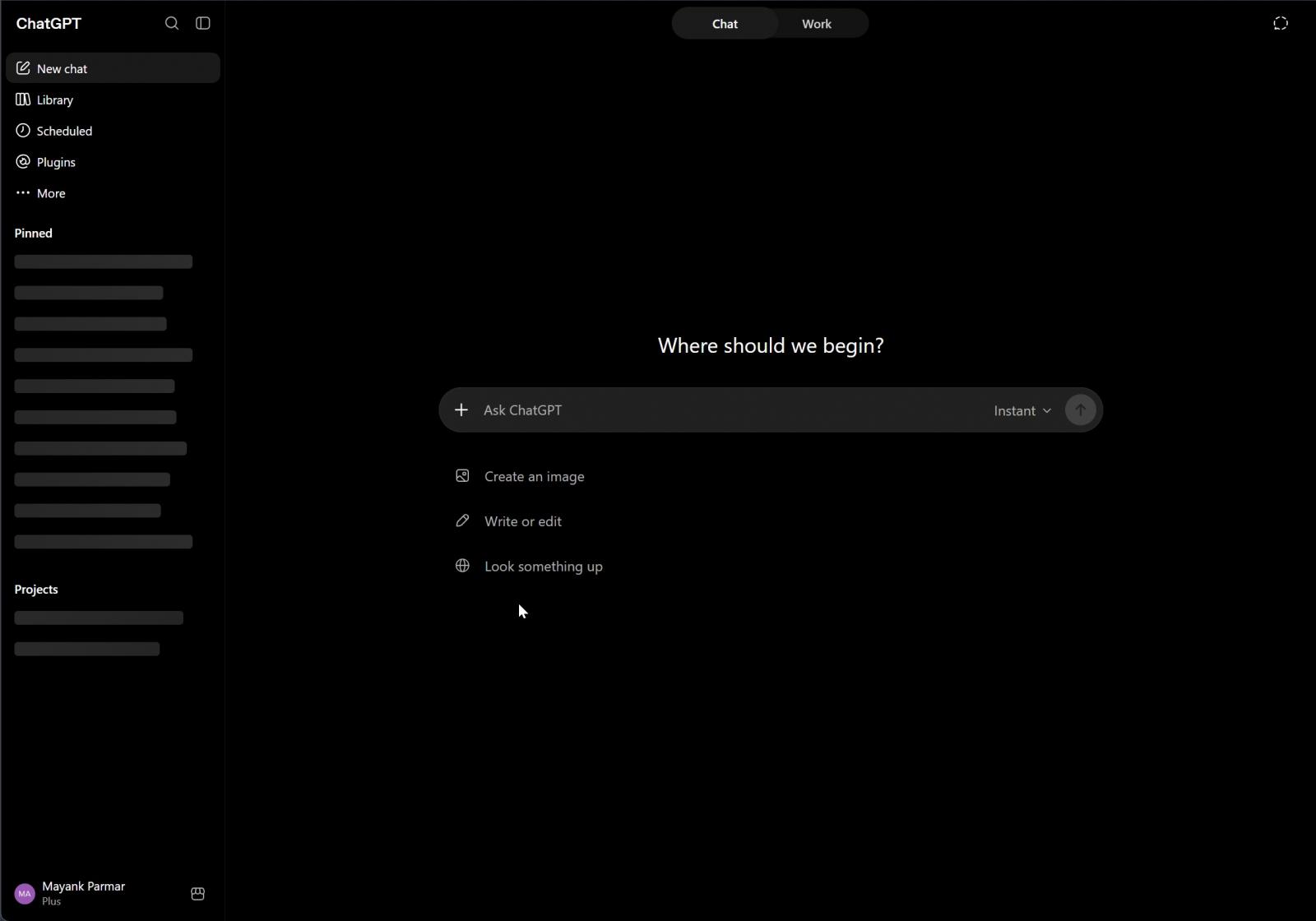
Reports from monitoring services and social media indicate that the outage is truly international in scope. Users from the United States, various nations across Europe, and parts of Asia have all documented similar technical hurdles. When attempting to access the ChatGPT interface, users are met with persistent loading animations where the sidebar—usually populated by past conversation titles—remains blank. Furthermore, those attempting to send new prompts are frequently greeted with "too many concurrent requests" error messages, a status code typically associated with server-side rate limiting or a total collapse of the request-handling architecture.
Chronology of the Incident
The timeline of the service disruption began in the pre-dawn hours of the East Coast business day. At approximately 5:00 AM ET, a sharp spike in reports was noted on third-party outage tracking websites like Downdetector. Users initially reported "laggy" responses, which quickly transitioned into a complete inability to authenticate or load the primary user interface.
By 5:30 AM ET, OpenAI’s internal monitoring systems had officially flagged the anomaly. The company updated its official status page, acknowledging that it was investigating an issue affecting several of its core services. The initial statement was brief, stating, "We are investigating the issue for the listed services." This acknowledgment confirmed that the problem was not isolated to the ChatGPT web interface but extended deep into the company’s technical stack.

Throughout the following hour, the situation grew more complex. While OpenAI announced at one point that it had identified a potential cause and applied a preliminary fix, the results were inconsistent. Internal testing and user feedback suggested that while some connectivity was restored, the platform remained highly unstable. By mid-morning, the status page continued to reflect ongoing monitoring efforts as the engineering team worked to stabilize the surge in traffic and resolve the underlying database or connectivity bottlenecks.
Technical Breakdown and Affected Services
The scope of this outage extends far beyond the consumer-facing ChatGPT website. According to OpenAI’s status updates, the failure has significantly impacted the OpenAI API and the Codex platform. The API is a critical component of the modern AI ecosystem, serving as the bridge that allows third-party developers, corporations, and automated systems to integrate GPT-4 and other models into their own software.
As of the latest reports, as many as 12 distinct API endpoints have been listed as experiencing degraded performance or total outages. These endpoints are essential for various functions, including text completion, image generation via DALL-E, and data embedding. When these endpoints fail, thousands of applications—ranging from customer service chatbots to automated content creation tools—effectively cease to function, demonstrating the profound "single point of failure" risk inherent in centralized AI services.
The inclusion of Codex in the outage list is particularly noteworthy for the software development industry. Codex is the model that powers several high-profile coding assistants, providing real-time code suggestions and autocompletion. For developers who have integrated these tools into their integrated development environments (IDEs), the outage represents a direct hit to productivity, forcing a return to manual coding processes and documentation searches that the AI had previously streamlined.
User Experience and Error Patterns
For the average user, the outage has manifested as a series of frustrating UI failures. The most common symptom is the "infinite load" on the sidebar. In a standard session, the sidebar retrieves a list of the user’s previous interactions from OpenAI’s databases. During this outage, the handshake between the front-end interface and the back-end database appears to be broken, leaving the sidebar in a permanent state of flux.

When users attempt to bypass the sidebar and start a "New Chat," they are often met with the "Too many concurrent requests" error. In technical terms, this is often a 429 HTTP status code. While this error is sometimes seen when a single user sends too many messages too quickly, in the context of a global outage, it suggests that the server clusters responsible for routing traffic are overwhelmed or that the load-balancing software is misinterpreting the traffic flow.
In some instances, users have reported seeing "Internal Server Error" (500) messages, which indicate a more severe failure within the server’s processing logic. These errors suggest that the servers are receiving the requests but are unable to execute the underlying code required to generate a response.
Broader Implications for the AI Economy
This outage serves as a stark reminder of the world’s growing, yet fragile, reliance on generative AI. Since its launch in late 2022, ChatGPT has moved from being a novelty to a fundamental utility for millions. Businesses use it for drafting communications, researchers use it for summarizing data, and students use it as a primary educational resource.
The economic impact of such an outage is difficult to quantify but is undoubtedly substantial. For companies that have replaced traditional workflows with API-driven AI solutions, every hour of downtime translates into lost revenue and stalled projects. The "too many concurrent requests" error is particularly damaging for enterprise clients who pay for high-priority access, as it highlights a lack of guaranteed uptime even for premium subscribers.
Furthermore, this incident raises questions about the scalability of OpenAI’s infrastructure. As the company continues to add features—such as custom GPTs, web browsing, and voice interaction—the strain on its server architecture increases. Today’s failure may be a symptom of "scaling pains," where the infrastructure cannot keep pace with the massive influx of global traffic and the computational intensity of the models.

Official Responses and Recovery Efforts
OpenAI has maintained a professional, albeit concise, stream of communication through its official channels. The company’s decision to acknowledge the issue within 30 minutes of the first reports is in line with industry standards for transparent incident management. However, the persistence of the issues despite an "applied fix" suggests that the root cause may be more deep-seated than a simple software bug or a minor server glitch.
In previous instances of major outages, OpenAI has attributed the failures to a variety of factors, including DDoS (Distributed Denial of Service) attacks, database migrations gone wrong, or unexpected spikes in demand following the release of new features. While the company has not yet provided a detailed post-mortem for the current event, the tech community is eagerly awaiting a formal report to understand how such a widespread failure occurred across both the API and the consumer platform simultaneously.
Industry analysts suggest that OpenAI may need to invest more heavily in regional redundancy. Currently, while the service is global, much of the processing power is concentrated in specific data center clusters. Enhancing the ability to failover to different regions or clusters without losing session data (like the sidebar chat history) will be crucial as ChatGPT transitions from a "best-effort" service to a "mission-critical" tool.
The Path Forward
As of this writing, the situation remains fluid. While some users are reporting a gradual return of service, others continue to face the same loading issues and error messages. OpenAI’s engineering team remains in a state of high alert, monitoring the stability of the API endpoints and the web interface.
For users and businesses affected by the outage, the event is a prompt to consider "AI diversification." Relying on a single provider for all generative AI needs poses a significant operational risk. The rise of competing models from Google, Anthropic, and open-source alternatives like Llama may see an uptick in adoption as organizations look to build more resilient, multi-platform AI strategies.
In the long term, this outage will likely be viewed as a milestone in the maturation of the AI industry. It highlights the transition of AI from an experimental tool to a backbone of the digital economy—one that requires the same level of five-nines (99.999%) reliability expected of electricity or telecommunications. Until that level of stability is reached, the "red robot" of ChatGPT outages will continue to be a symbol of the growing pains of the artificial intelligence revolution. OpenAI is expected to release a full technical breakdown once the service is fully stabilized and the "monitoring" phase of their incident response is concluded.
Related posts: