AI Driven Curation Transforms Personal Device Management as Users Leverage Large Language Models to Optimize iPhone Productivity Suites


The landscape of mobile device management is undergoing a significant shift as consumers move away from traditional App Store browsing in favor of artificial intelligence-driven curation. As the Apple App Store nears two million available applications, the "paradox of choice" has led many users to employ Large Language Models (LLMs) like ChatGPT to filter through the noise and identify high-utility tools. This trend marks a transition for the iPhone, moving from a primary source of digital distraction to a structured machine for professional and personal development. Recent industry observations indicate that users are increasingly prioritizing a lean, two-page home screen layout, utilizing AI to select a "permanent" suite of apps that balance native Apple functionality with third-party productivity powerhouses.
The Evolution of App Discovery and the Role of Generative AI
Since the launch of the App Store in 2008, the primary method for discovering new software has been through keyword searches, top charts, and editorial features curated by Apple’s internal teams. However, the sheer volume of choices has created a friction point for users seeking specific solutions for focus, habit tracking, and knowledge management. The emergence of ChatGPT and similar generative AI tools has provided a conversational interface that allows users to input specific lifestyle requirements and receive tailored recommendations.
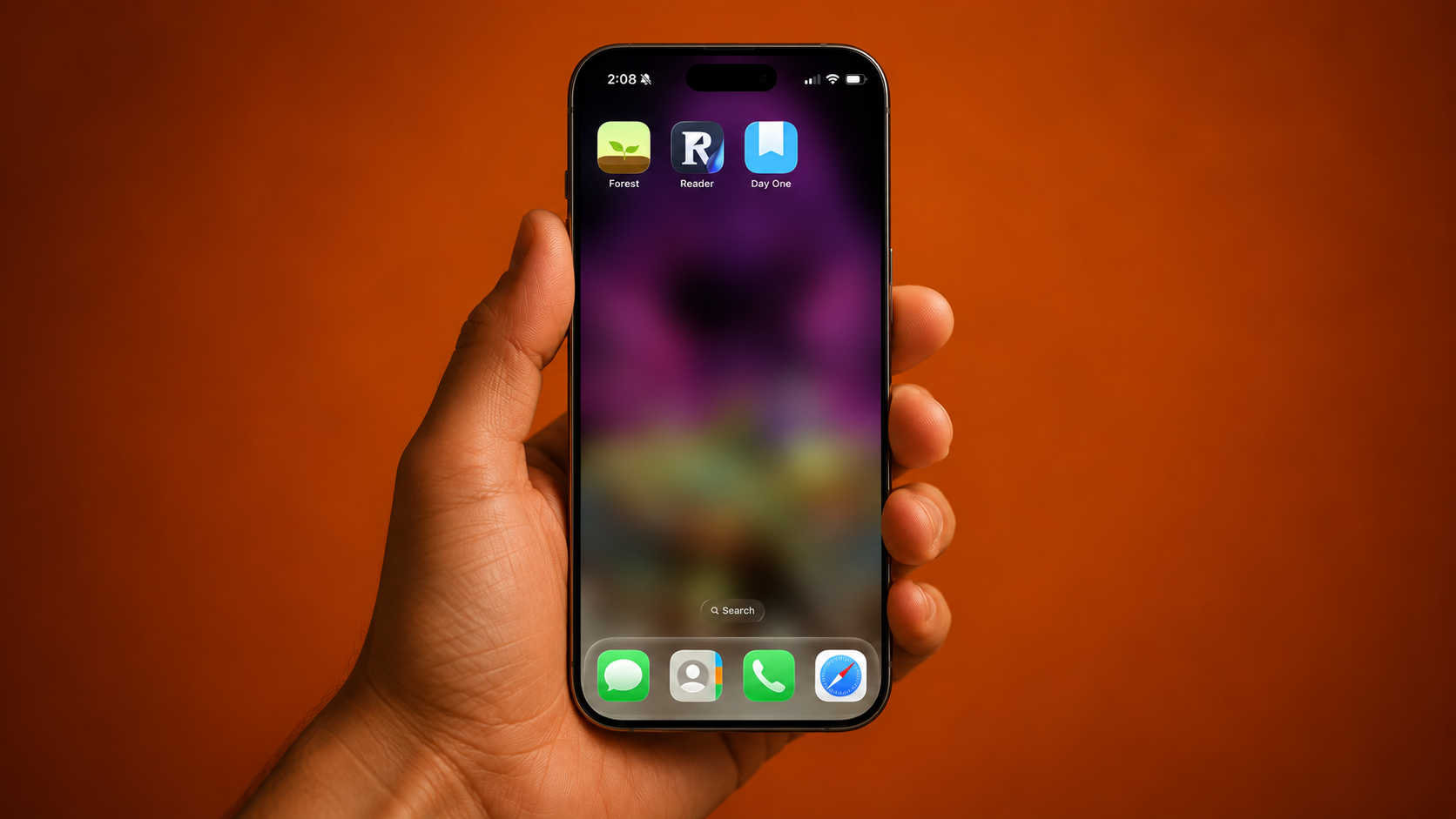
Industry analysts note that this shift is particularly prevalent among "power users" who seek to minimize screen time while maximizing output. By providing ChatGPT with a list of current habits and professional needs, users are receiving curated lists that often include a mix of Apple’s default ecosystem—such as Notes, Shortcuts, and Health—and specialized third-party applications. This method of curation is credited with helping users move past "app fatigue," where dozens of downloaded programs remain unused and eventually deleted.
Categorizing the Modern Productivity Suite
The curation process typically focuses on four pillars of digital efficiency: task management, information retention, focus enhancement, and habit formation. Based on recent usage trends and AI-driven recommendations, several applications have emerged as the standard for those looking to optimize their mobile experience.
1. Task and Knowledge Management
For organization, AI models frequently suggest a tiered approach. Todoist remains a leader in task management due to its natural language processing capabilities, allowing users to schedule tasks as easily as typing a sentence. For more complex workflows, Notion has become the go-to "all-in-one" workspace, blending note-taking with database management. While Apple’s native Notes app is often retained for its speed and integration with Siri, Notion provides the structural depth required for long-term project tracking.
2. Information Retention and Reading
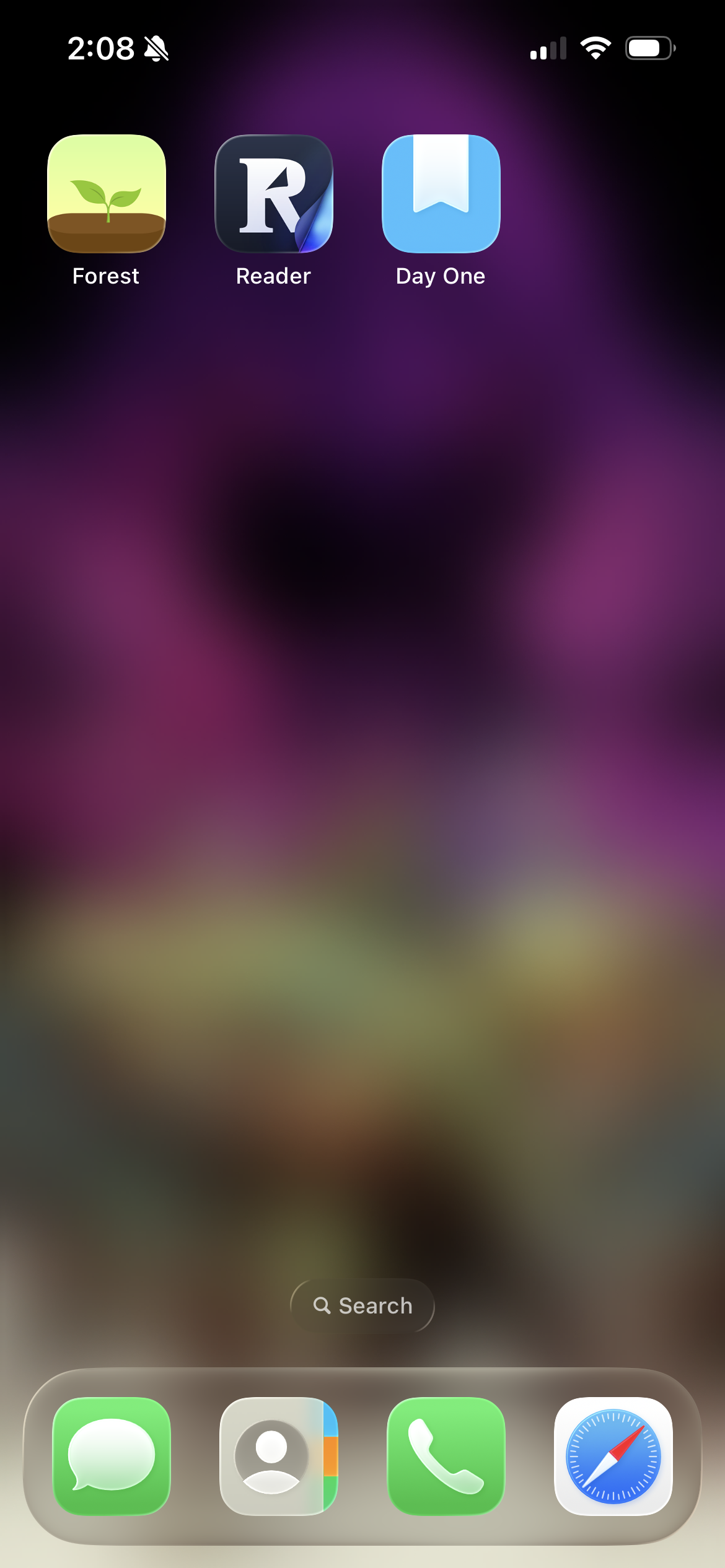
The "read-it-later" category has seen a resurgence with the introduction of Readwise Reader. Unlike its predecessors, Instapaper and Pocket, Readwise Reader is designed for active learning. It allows users to highlight text across various formats—including PDFs, newsletters, and web articles—and syncs those highlights into a centralized system. This functionality addresses the common problem of "digital hoarding," where articles are saved but never revisited.
3. Focus and Digital Detox
To combat the addictive nature of social media, focus-oriented apps like Forest have gained a permanent spot on home screens. Forest utilizes the Pomodoro Technique—a time-management method involving 25-minute intervals of work—but adds a gamified element where users grow virtual trees by staying off their phones. Similar tools such as Opal, Focus To-Do, and One Sec offer more aggressive intervention strategies, such as hard-blocking apps or forcing users to take deep breaths before opening a distracting platform.
4. Habit Tracking and Journaling
Long-term behavioral change is often supported by apps like Day One for journaling and Streaks or HabitKit for daily monitoring. These apps provide visual representations of progress, which psychological studies suggest is a key driver in maintaining consistency. By integrating these into the second page of the home screen, users report a higher success rate in maintaining new routines compared to those who rely on memory or physical planners.
Chronology of the Productivity App Market
The rise of the "productivity-first" iPhone can be traced through several key milestones over the last decade:
- 2011-2014: The Utility Era. The App Store was dominated by single-purpose tools. Productivity was defined by basic calendar replacements and early cloud storage like Dropbox.
- 2015-2018: The Subscription Pivot. Developers moved toward "Software as a Service" (SaaS) models. This led to more robust, frequently updated apps like Todoist and Fantastical, but increased the cost of maintaining a premium app suite.
- 2019-2021: The Remote Work Surge. The COVID-19 pandemic accelerated the need for mobile-first professional tools. Apps like Notion and Slack saw exponential growth as the home screen became a primary office interface.
- 2022-Present: The AI Integration Phase. The release of ChatGPT in November 2022 changed the discovery mechanism. Users now use AI not just to find apps, but to automate them using Apple’s Shortcuts app, creating custom "recipes" that connect different software into a seamless workflow.
Supporting Data: Market Growth and User Behavior
According to market research data from Statista and Sensor Tower, the global productivity software market is projected to reach approximately $150 billion by 2032, growing at a compound annual growth rate (CAGR) of over 13%. This growth is driven largely by mobile integrations.
Internal surveys from tech analysts suggest that the average smartphone user has approximately 80 apps installed on their device but only uses about 30 of them in a given month. The "AI curation" movement seeks to close this gap by ensuring that every app on the home screen serves a specific, frequently utilized purpose. Furthermore, data indicates that "Focus" and "Education" categories in the App Store have seen a 20% year-over-year increase in downloads, suggesting a broader societal shift toward intentional technology use.

Official Responses and Industry Implications
While Apple has not officially commented on the use of third-party AI to curate its App Store, the company has leaned heavily into its own "Intelligence" features. At the most recent Worldwide Developers Conference (WWDC), Apple emphasized the role of Siri and the Shortcuts app in automating daily tasks, essentially validating the "productivity machine" philosophy.
App developers have expressed mixed reactions. While AI curation helps high-quality apps like Superhuman Email or PDF Expert find their target audience without massive advertising budgets, smaller developers fear that AI models may only recommend established "incumbents," making it harder for new innovations to break through.
"The challenge with AI-driven recommendations is algorithmic bias," says digital strategist Marcus Thorne. "ChatGPT will recommend what it has been trained on, which is usually the most popular apps. This could lead to a homogenization of the home screen, where everyone is using the same five or six tools."

Broader Impact: The Future of the "Distraction-Free" Phone
The ultimate goal for many engaging in this AI-assisted curation is the transformation of the iPhone from a source of anxiety into a tool for calm. By relegating social media and entertainment to the "App Library" (off the home screen) and placing productivity tools front and center, users are effectively re-engineering their dopamine responses.
The implications of this shift extend beyond individual productivity. As more users adopt "positive habit-building machines," there is a growing demand for "Digital Wellbeing" features. This has forced major platforms to include screen-time limits and focus modes as core operating system features.
As AI continues to evolve, the next step in this progression is likely "Agentic AI," where the phone does not just suggest apps, but actively manages them on the user’s behalf—scheduling meetings, summarizing unread articles in Readwise, and filing expenses in Notion without manual input. For now, the trend of using AI to curate a lean, high-impact home screen remains the most effective way for the modern professional to reclaim their time and attention in an increasingly crowded digital world.