Meta Accelerates AI Infrastructure with Nearly 1 Gigawatt of New Solar Power Procurement

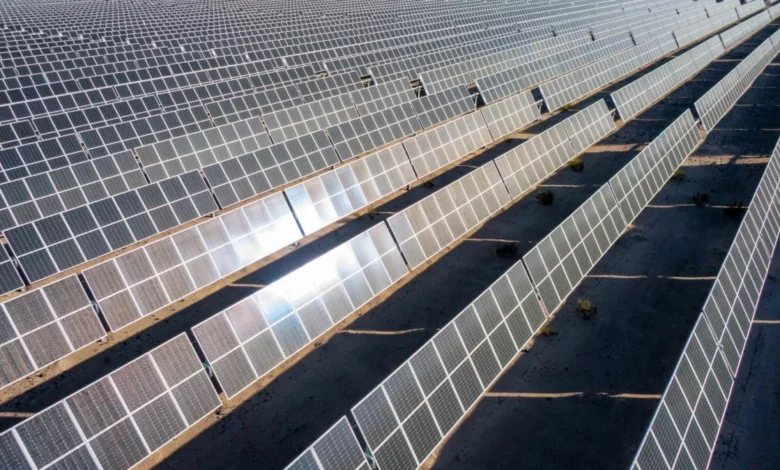
Meta has significantly bolstered its renewable energy portfolio this week by signing three new agreements to procure nearly 1 gigawatt (GW) of solar power. This substantial acquisition underscores the company’s aggressive strategy to power its rapidly expanding artificial intelligence (AI) infrastructure, a sector experiencing exponential growth and, consequently, a dramatic increase in energy consumption. The latest deals push Meta’s total solar capacity purchases for the year past the 3 GW mark, signaling a clear commitment to renewable energy as a foundational element of its future operations.
The urgency behind these procurements is directly linked to the burgeoning demands of AI. Training and deploying complex AI models, particularly large language models (LLMs) and advanced generative AI systems, are exceptionally energy-intensive processes. As Meta, along with other major technology firms, invests heavily in AI research, development, and deployment, the strain on their data center power consumption escalates. Solar power, characterized by its decreasing costs and relatively rapid deployment timelines, has emerged as a preferred solution for tech giants grappling with the need to scale their energy supply sustainably.
A Strategic Expansion in Solar Capacity
The most recent announcements detail a multi-pronged approach to solar power acquisition. Yesterday, Meta revealed two agreements in Louisiana, collectively securing the environmental attributes of 385 megawatts (MW) of electricity from solar projects. These projects are anticipated to commence commercial operations in approximately two years, aligning with Meta’s long-term infrastructure development plans.
These Louisiana deals follow closely on the heels of a more substantial agreement announced earlier this week. On Monday, Meta finalized a pact to purchase 600 MW from a massive solar farm situated near Lubbock, Texas. This colossal Texas project is also slated to begin commercial operations in 2027, indicating a coordinated effort to bring significant renewable capacity online within the next few years.
The operational specifics of these procurements highlight different approaches to integrating renewable energy. While the Texas solar plant will not directly connect to Meta’s data centers, its output will feed into the local electricity grid. This indirect connection allows Meta to offset the energy consumed by its facilities by ensuring that a corresponding amount of renewable energy is generated and fed into the broader power infrastructure, thereby reducing the reliance on fossil fuel-based sources within that region.
The Louisiana agreements, however, employ a different mechanism: the purchase of environmental attributes, often referred to as Renewable Energy Certificates (RECs) or Environmental Attribute Certificates (EACs). These certificates represent the environmental benefits of renewable energy generation. By purchasing these certificates, Meta can effectively claim to offset its carbon-intensive electricity usage, even if the physical electrons generated from the renewable source do not directly power its operations.
Scrutiny Over Environmental Attribute Certificates
While EACs have historically played a crucial role in incentivizing the development of renewable energy projects, their efficacy and transparency are increasingly coming under scrutiny, particularly in the context of ballooning AI energy demands. Experts have voiced concerns that the widespread use of EACs can obscure the true carbon footprint of large technology companies. As AI drives up electricity consumption, critics argue that simply purchasing certificates might not be a sufficient or transparent measure of environmental responsibility.
These certificates were originally conceived during a period when renewable energy sources were significantly more expensive than traditional fossil fuel generators. They offered a dual benefit: enabling companies to access clean energy and providing an additional revenue stream for renewable energy developers, thereby encouraging investment in new capacity. This mechanism helped to bridge the cost gap and foster the growth of the renewable energy sector.
However, the economic landscape of energy generation has shifted dramatically. The costs of solar and wind power have plummeted over the past decade, making them not only competitive but often cheaper than new fossil fuel power plants, and in some cases, even cheaper than existing coal and natural gas facilities. This cost parity raises questions about the continued effectiveness of EACs as a primary incentive for developers to build new renewable capacity.
The Call for Direct Investment in New Capacity
Industry analysts and environmental advocates are increasingly urging technology companies to move beyond solely relying on EACs and to prioritize direct investment in and procurement of new, dedicated renewable energy projects. The argument is that to truly offset the substantial new energy demands driven by AI, companies should be actively facilitating the construction of additional renewable energy capacity that directly contributes to decarbonizing the grid.
This perspective suggests that while EACs have served a purpose, the current market conditions necessitate a more direct and impactful approach to renewable energy integration. Companies like Meta, with their significant financial resources and ambitious growth plans, are uniquely positioned to drive the development of large-scale solar and wind farms, battery storage solutions, and other clean energy infrastructure. Such investments would not only meet their own energy needs but also contribute to broader grid decarbonization efforts.
Meta’s Broader Renewable Energy Strategy
This week’s solar procurement deals are part of a larger, ongoing commitment by Meta to achieve its sustainability goals. The company has set ambitious targets for renewable energy usage and carbon neutrality. As of early 2024, Meta had already announced plans to procure substantial amounts of renewable energy throughout the year, aiming to match 100% of its electricity consumption with renewable energy purchases.
The company’s strategy typically involves a mix of power purchase agreements (PPAs) for new renewable energy projects and the purchase of environmental attributes. PPAs offer a more direct form of commitment, often involving long-term contracts for electricity generated from specific renewable facilities. These agreements provide developers with the financial certainty needed to secure financing for new projects, thereby directly contributing to the addition of new renewable capacity to the grid.
Meta’s investments in renewable energy extend beyond solar. The company has also engaged in wind power procurements and has invested in grid modernization initiatives aimed at improving the reliability and efficiency of renewable energy integration. Furthermore, Meta is exploring advanced energy technologies, including energy storage solutions, to address the intermittency challenges associated with solar and wind power.
The AI Energy Conundrum: A Growing Challenge
The rapid advancements in AI have presented a significant challenge for the global energy sector and for companies striving for sustainability. AI workloads, especially those involving large-scale model training, can consume vast amounts of electricity. For instance, a single training run for a sophisticated AI model can consume hundreds of megawatt-hours of energy, equivalent to the annual electricity consumption of dozens of households.
This surge in demand has led to concerns about the potential for AI to exacerbate greenhouse gas emissions, particularly if the increased electricity consumption is met by fossil fuel sources. Technology companies are therefore under immense pressure to ensure that their AI ambitions are not at odds with their environmental commitments.
The trend of large-scale renewable energy procurement by tech giants like Meta is a direct response to this challenge. By investing in solar and other renewables, these companies aim to power the energy-intensive AI revolution with clean electricity, mitigating its environmental impact. The scale of these procurements is unprecedented, reflecting the magnitude of the energy requirements for AI development and deployment.
Supporting Data and Industry Trends
The solar industry has witnessed a remarkable decline in costs over the past decade. According to the International Renewable Energy Agency (IRENA), the global weighted average cost of electricity from utility-scale solar PV has fallen by over 80% between 2010 and 2021. This dramatic cost reduction has made solar power one of the most affordable sources of new electricity generation in many parts of the world.
This economic advantage, coupled with the relative ease and speed of deployment compared to other energy sources like nuclear or large-scale fossil fuel plants, has made solar an attractive option for data center operators. Data centers are massive consumers of electricity, and their energy needs are growing rapidly to support cloud computing, AI, and other digital services.
The trend of tech companies procuring large volumes of solar power is not unique to Meta. Other major players in the tech industry, including Google, Microsoft, and Amazon, have also made significant commitments to renewable energy and have announced substantial solar and wind power procurements to meet the energy demands of their data centers and operations. These collective efforts are reshaping the energy landscape and driving the growth of the renewable energy sector.
Future Implications and Outlook
Meta’s ongoing investments in renewable energy are a critical component of its long-term strategy to balance technological innovation with environmental responsibility. As AI continues to evolve and its applications become more pervasive, the demand for clean, reliable energy will only intensify. The company’s proactive approach to securing nearly 1 GW of solar power this week is a testament to its understanding of this challenge and its commitment to addressing it head-on.
The increasing reliance on solar and other renewables by major tech companies has significant implications for the energy sector. It signals a shift in power dynamics, with large corporate buyers becoming influential drivers of renewable energy development. This can accelerate the transition to a cleaner energy future, foster innovation in renewable technologies, and create new economic opportunities in the green economy.
However, the debate surrounding the best methods for accounting for renewable energy use, particularly the role of EACs, will likely continue. As the energy demands of AI grow, ensuring transparency and genuine additionality in renewable energy procurement will be paramount. The industry will need to adapt and evolve its sustainability reporting and practices to accurately reflect the environmental impact of its operations and to drive meaningful progress towards decarbonization.
The coming years will be crucial in observing how Meta and other tech giants navigate the complex interplay between AI’s insatiable energy appetite and the imperative to achieve ambitious sustainability goals. The continued expansion of solar power, coupled with innovations in energy efficiency and storage, will be key to powering the AI revolution responsibly.