Amazon Implements 3.5% Fuel Surcharge Amid Surging Oil Prices Driven by Iran Conflict

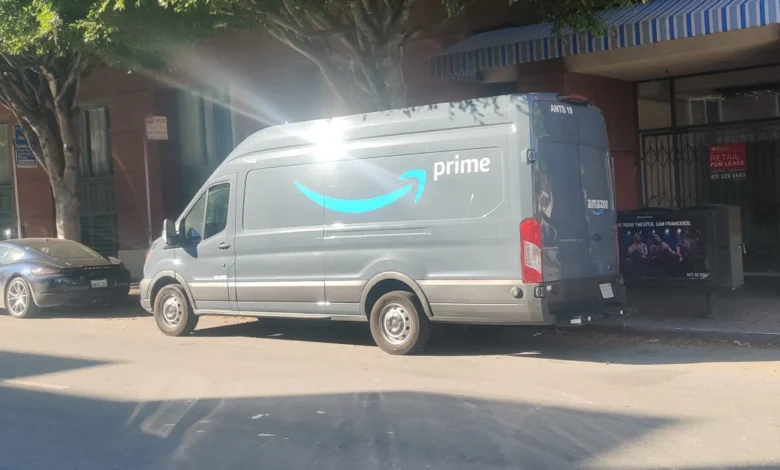
The ongoing conflict in Iran has sent ripples through global oil markets, leading to significant spikes in U.S. gas prices and prompting Amazon to institute a new 3.5% fuel and inflation surcharge for third-party sellers utilizing its vast distribution network. This policy shift, set to take effect on April 17, 2026, has the potential to impose substantial new costs on the millions of merchants worldwide who rely on the e-commerce giant’s Fulfillment by Amazon (FBA) service to deliver their products to customers. Amazon confirmed that the surcharge will remain in place for the foreseeable future, though the company stated it would continuously evaluate market conditions for potential policy adjustments. The development was initially brought to light by Bloomberg.
The Geopolitical Landscape and Global Energy Market Volatility
The decision by Amazon to levy this surcharge is directly linked to the dramatic escalation of geopolitical tensions in the Middle East, specifically the war in Iran. This conflict, which reportedly began following the assassination of Iran’s Supreme Leader by forces backed by the Trump administration and the Israeli government, has profoundly destabilized a region critical to global energy supplies. Iran’s strategic geographical position along the northern border of the Strait of Hormuz is paramount to understanding the current crisis. This narrow maritime chokepoint is one of the world’s most vital shipping lanes, through which approximately 20% of the globe’s total petroleum consumption, or about 21 million barrels per day, transits. Reports of Iran seeking to block shipping lanes in the Strait have created an immediate and severe impact on energy prices worldwide, pushing crude oil benchmarks significantly higher.
Historically, geopolitical instability in major oil-producing regions or along critical shipping routes has invariably led to increased oil price volatility. The current situation echoes past crises, where supply fears, even without direct disruptions, can trigger speculative buying and drive prices upward. Analysts point to the psychological impact on markets, where the threat of supply interruption is almost as potent as an actual one. The global economy, still recovering from various shocks and grappling with persistent inflationary pressures, is particularly vulnerable to such energy cost escalations. The ripple effect extends from the cost of crude oil to refined products like gasoline and diesel, directly impacting transportation and logistics sectors globally.
Amazon’s Fulfillment by Amazon (FBA) Service and Its Scale
The 3.5% surcharge specifically targets sellers who opt into Amazon’s Fulfillment by Amazon (FBA) program. FBA is a cornerstone of Amazon’s third-party marketplace, enabling sellers to store their products in Amazon’s fulfillment centers. When a customer places an order, Amazon handles the picking, packing, shipping, and even customer service for these products. This comprehensive service allows small and medium-sized businesses (SMBs) to leverage Amazon’s advanced logistics infrastructure, reach a massive customer base, and offer Prime shipping benefits, which are crucial for competitiveness in the e-commerce landscape.
While Amazon does not disclose the exact number of merchants using FBA, it is widely understood that the program underpins the vast majority of third-party sales on its platform. Industry estimates suggest that third-party sellers account for over 60% of all units sold on Amazon.com, with a significant proportion of these utilizing FBA. This expansive reach means that the new fuel surcharge will impact a substantial segment of online commerce, affecting countless businesses ranging from small startups to established brands. For many sellers, FBA is not merely a convenience but a necessity, deeply integrated into their business models due to the sheer logistical complexity and cost-effectiveness compared to building their own fulfillment networks. The efficiency and speed offered by Amazon’s network, which includes hundreds of fulfillment centers, sortation centers, and delivery stations, are unparalleled, making FBA an almost indispensable tool for scaling e-commerce operations.
Chronology and Historical Precedent
This is not the first instance of Amazon implementing such a surcharge in response to escalating fuel costs. The company previously introduced a similar fuel and inflation surcharge in 2022. That move, which also impacted FBA sellers, occurred in the wake of Russia’s invasion of Ukraine. The conflict in Eastern Europe had a profound and immediate effect on global energy markets, leading crude oil prices to surge well over $100 a barrel. The parallels between the 2022 and 2026 situations are striking: both instances involve major geopolitical conflicts triggering significant disruptions in global energy supplies and subsequent price hikes.
The 2022 surcharge underscored Amazon’s sensitivity to operational costs and its willingness to pass on some of these burdens to its merchant partners when market conditions become exceptionally challenging. While the duration of the 2022 surcharge varied, its implementation served as a clear signal that Amazon views such measures as a necessary mechanism to partially offset sustained increases in its logistical expenses. The current announcement, therefore, establishes a clear pattern of Amazon’s operational strategy in times of elevated global energy prices, reinforcing the idea that these are not isolated incidents but rather a recurring response to specific economic pressures.
Official Statements and Industry Comparison
An Amazon spokesperson articulated the rationale behind the new surcharge, stating, "Elevated costs in fuel and logistics have increased the cost of operating across the industry. We have absorbed these increases so far, but similar to other major carriers, when costs remain elevated we implement temporary surcharges to partially recover these costs." The spokesperson further emphasized that Amazon’s 3.5% surcharge is "meaningfully lower than surcharges applied by other major carriers."
This comparison to other major carriers is significant. Industry leaders in logistics, such as FedEx and UPS, routinely implement and adjust fuel surcharges based on dynamic market conditions. These carriers often link their surcharges to publicly available fuel price indices, such as the U.S. Energy Information Administration (EIA) national average for diesel fuel, and update them weekly or monthly. For instance, in times of high fuel prices, FedEx and UPS surcharges can often climb well above 10%, sometimes even exceeding 20% of the base shipping rate, depending on the service level and current fuel costs. By positioning its 3.5% surcharge as "meaningfully lower," Amazon aims to mitigate potential backlash from sellers and underscore its efforts to manage costs for its partners, even while acknowledging the necessity of the measure. This strategy helps Amazon maintain its competitive position, especially against other fulfillment providers, by demonstrating a comparatively lower incremental cost.
Implications for Sellers, Consumers, and the E-commerce Ecosystem
The new 3.5% fuel surcharge carries multifaceted implications for the vast ecosystem that thrives on Amazon’s platform. For the millions of FBA sellers, this represents a direct increase in their operational costs. Businesses, particularly small and medium-sized enterprises (SMBs) operating on thin margins, will face critical decisions. They may choose to absorb the additional cost, which could eat into their profitability, or pass it on to consumers by increasing product prices. The latter option, while protecting margins, risks making their products less competitive in Amazon’s highly price-sensitive marketplace. This situation could lead to a reassessment of product pricing strategies, supply chain efficiencies, and even product sourcing decisions for many merchants.
From the consumer perspective, the surcharge could translate into higher prices for a wide array of goods. While Amazon Prime membership fees cover expedited shipping, the underlying costs incurred by sellers can indirectly influence the final retail price. In an already inflationary environment, any additional cost passed down to consumers contributes to the overall rise in living expenses, potentially impacting purchasing power and discretionary spending habits. This could also affect consumer perception of value on Amazon, a platform largely built on competitive pricing and convenience.
For Amazon itself, the surcharge is a strategic move to protect its own profitability amidst rising operational expenses. As a company that processes billions of shipments annually, even a small increase in fuel costs across its massive logistics network can amount to hundreds of millions, if not billions, of dollars in additional expenses. By implementing a surcharge, Amazon partially externalizes these rising costs, ensuring that its core fulfillment services remain economically viable. This move also highlights the increasing interconnectedness of global events, supply chain resilience, and the cost of e-commerce convenience. The long-term impact on the competitive landscape within e-commerce could also be significant. If sustained, these higher costs might encourage some sellers to explore alternative fulfillment options or diversify their sales channels beyond Amazon, though the logistical advantages and market reach of FBA remain a powerful draw.
The current global economic climate, characterized by persistent inflation, supply chain vulnerabilities, and now amplified geopolitical instability, underscores the fragile balance within the modern e-commerce model. Amazon’s decision reflects the harsh realities faced by all major logistics operators in an era where energy security and cost stability are increasingly elusive. As long as the conflict in Iran continues to disrupt oil markets and keep fuel prices elevated, these surcharges are likely to remain a part of the operational landscape for e-commerce, reshaping cost structures and potentially influencing consumer spending patterns for the foreseeable future.
Related posts: