Artemis II Pilot Victor Glover Details Intense Reentry and the Thrill of Orion’s Hands-On Controls

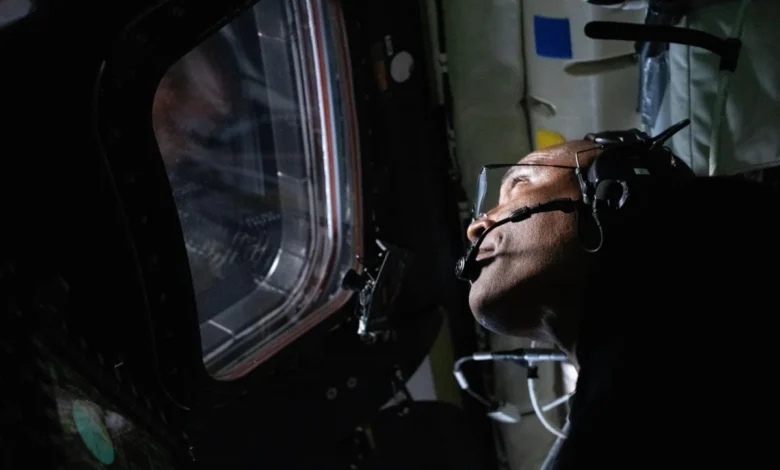
Six days after completing a groundbreaking lunar flyby, the crew of Artemis II shared their experiences with the media, offering a unique glimpse into humanity’s latest bước tiến towards the Moon. Among them, Victor Glover, pilot of the Orion spacecraft, sat down for an exclusive interview with Ars Technica, reflecting on the mission’s critical phases, from the tactile feedback of Orion’s controls to the harrowing, yet ultimately triumphant, reentry into Earth’s atmosphere. Glover, a veteran naval aviator and experienced astronaut, drew upon his prior spaceflight on SpaceX’s Crew Dragon to offer a comparative perspective on the cutting-edge Orion capsule.
A Test Pilot’s Dream: Mastering Orion’s Controls
The Artemis II mission, a crucial precursor to future lunar landings, placed a significant emphasis on testing the Orion spacecraft’s capabilities. Glover, who has a history with Ars Technica dating back to its "The Greatest Leap" series honoring the Apollo program, now finds himself at the forefront of NASA’s modern lunar initiative. His assignment on Artemis II involved extensive test piloting of Orion during its outbound and return journeys from the Moon.
When asked about his preference for Orion’s traditional, hands-on controls versus the touchscreen interface of SpaceX’s Crew Dragon, Glover’s enthusiasm was palpable. "You know me," he stated, referencing his previous discussions about the Dragon capsule. "Dragon is a fantastic ship for getting humans to the space station. But I was really thrilled to have a translational hand controller, a THC, on Orion."
This preference stems from the tactile feedback that traditional controls provide. Glover elaborated on the experience: "The real vehicle had better springs. There was less pre-play, less wobble in the stick, so when I would move something, the thruster sounds we had in the sim? Totally wrong. It was more of a rumble like driving a pickup on a dirt road." This direct physical connection to the spacecraft, he explained, allowed for a more intuitive and precise control, particularly during critical maneuvers.
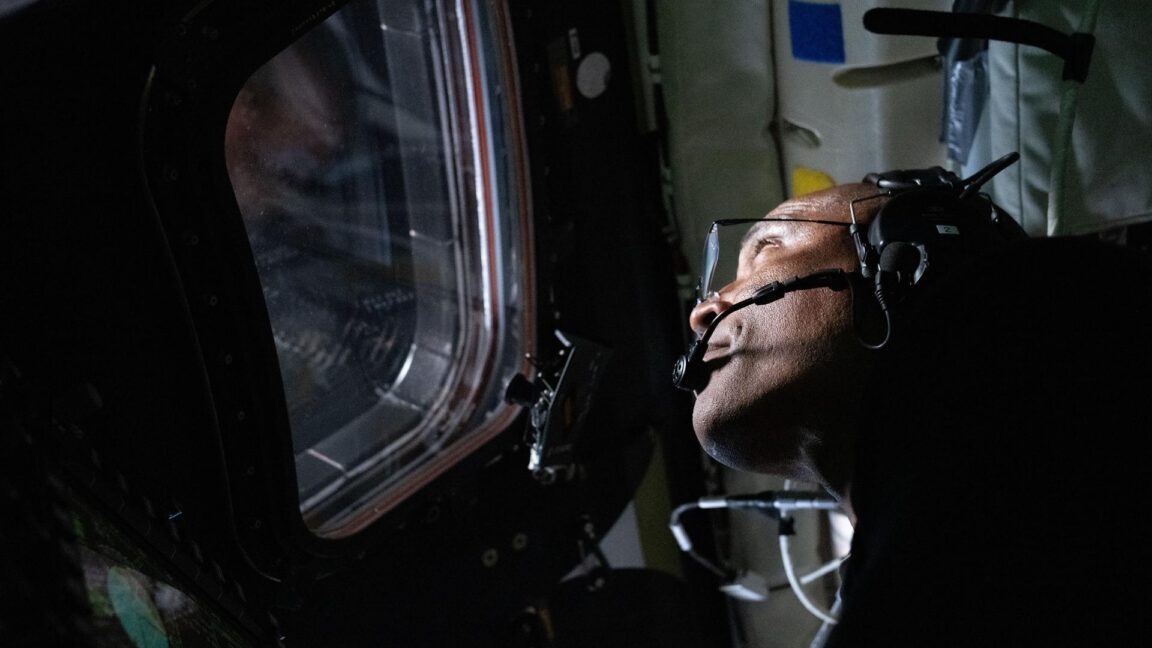
The performance of the Orion spacecraft exceeded expectations, even surpassing the fidelity of its simulations. "The SM (Service Module) was nice—we could tell it was pressurizing and thrusting. It felt responsive. I could feel the push, but also I could see it in the camera instantly that there was motion," Glover recounted. He lauded the engineering teams, stating, "The modelers, the flight controllers, they came up with something. And even though there were pleasant surprises, overall, the real thing is better than we simulated. And that’s part of what being a test pilot is: to verify and validate manufacturing processes, software development processes, and sometimes teams. And all three of those, in this case, crushed it."
Paving the Way for Lunar Landings: Implications for Artemis III and IV
The Artemis II mission also served as a vital validation for the complex rendezvous and docking operations planned for future missions, specifically Artemis III and IV, which will involve intricate maneuvers with a lunar lander. Glover emphasized the significance of the proximity operations and rendezvous demo conducted during the mission.
"The Lunar Science team won’t like it when I say this, but it’s the truth," Glover admitted. "If we had launched, done the rendezvous and proximity operations demo, and then had to emergency de-orbit, I would have considered us a massive success. Because that may be the only chance we get to test this really important capability."
He drew a parallel to the recent Boeing CFT (Crew Flight Test) of Starliner, where Commander Butch Wilmore had to manually take control of the spacecraft during an emergency. "And Butch held position manually. He had to use his eyeballs to correlate where he was and just hold position. That was a critical moment for them to breathe, and for the team to collect themselves, because if they had tried to retreat or tried to continue docking with ISS, both of those would have been catastrophic."
The Artemis II crew’s successful demonstration of these capabilities provides invaluable reassurance for subsequent missions. "So this capability, to me, was a huge milestone—now Artemis II gets to pass the baton to III and IV, whatever they are, docking, proximity ops again, landing," Glover stated. "Those crews will have the peace of mind that the Artemis II test pilot said it was good to go. An engineer said it was good to go, and an F-18 pilot said it was good to go. That, to me, is unreal. We got so much juice for the squeeze on that."
The Art of Piloting: Stick-and-Throttle vs. Touchscreen
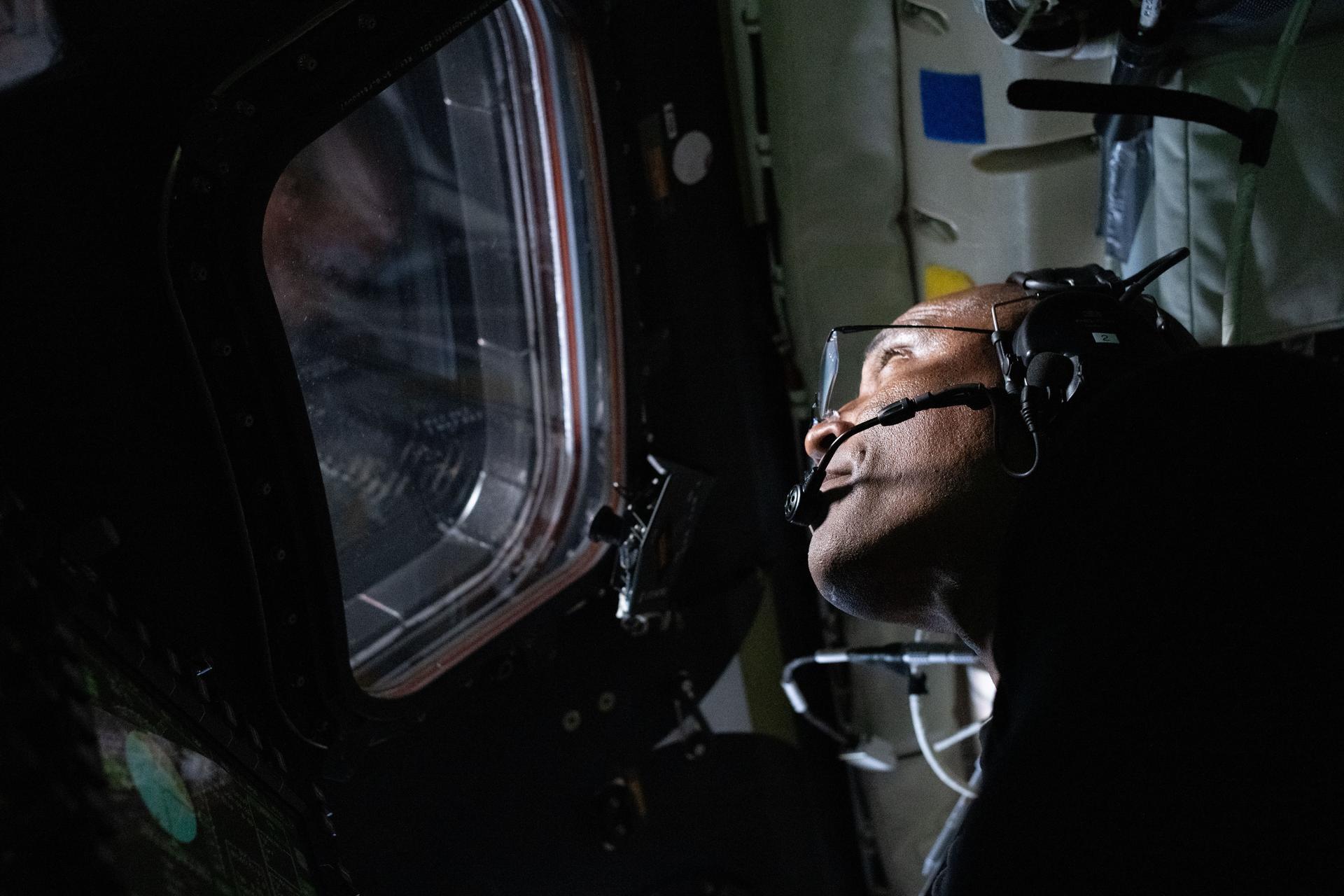
Glover’s appreciation for hands-on control extends beyond pure functionality to the sheer enjoyment of piloting. "It was also a ton of fun, truly a test pilot’s dream," he shared when asked if the crew had moments of pure enjoyment. He recalled his previous experience with the Crew Dragon: "I feel bad. I got to fly Dragon as well. I got to manually pilot Dragon. We got to do a fly-around for the port relocation. It was the first time that software got used in space, and I did that. So I got to do a few touchscreen commands and listen, I prefer a stick-and-throttle over a touchscreen any day."
However, he was quick to praise the Dragon’s performance. "Dragon also flew like a dream. It worked. It does what they say it’s going to do. It’s really about the mission. They both are great tools." The key difference, he explained, lies in the cognitive load required for each interface. "If I’m doing something where I’m so busy that I cannot stop and look down at my hands to fly, this is the biggest difference. I have to touch the screen, which means I have to look, because if I touch right next to that arrow, it doesn’t work. In Orion, I have a feel. I don’t have to look. I can focus on precision because I can look out the window the whole time. That’s the difference. So stick-and-throttle, or hand controllers, are vital depending on the type of tasks."
A Moment of Reflection: Reentry’s Intense Embrace
The reentry into Earth’s atmosphere, a phase marked by intense heat and deceleration, was a period of significant anticipation and focus for the Artemis II crew. Glover confessed to having "been thinking about reentry for three straight years, maybe too much." His prior experience with Dragon reentry provided some familiarity, but the Orion’s unique window offered a dramatically different perspective.
"We got assigned on April 3, 2023. It was almost three years exactly ago," Glover recounted. "I knew if anybody has to be on that day, I have to be a part of it. It’s not just me, but to back up Reid, or Reid backing me up. We’ve got to be in flow that day."
As the spacecraft plunged through the atmosphere, the visual spectacle of the plasma sheath was striking. "When the flames started, I was like, ‘That’s big.’ Is it supposed to be that big?" he mused. His training kicked in, however, and he focused on maintaining a sense of normalcy amidst the extraordinary. "And then my brain just locked onto ‘OK, it all looks the same.’ That’s a good sign. If I start to see changes, that’s something."
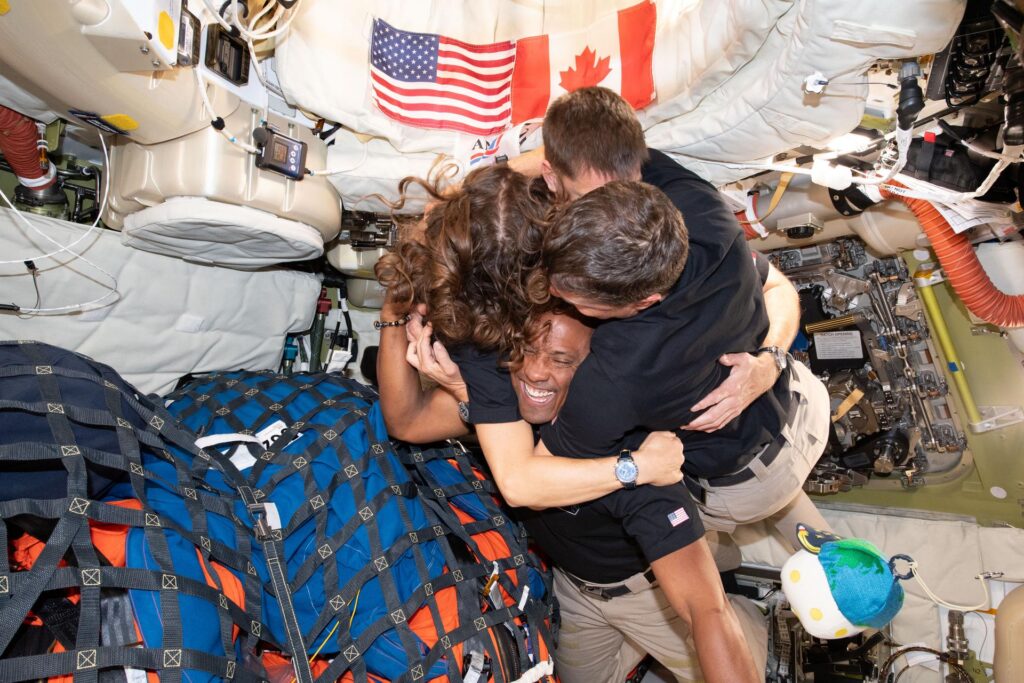
While he alluded to a specific detail he wasn’t yet ready to share publicly, Glover’s mindset was rooted in preparedness and trust in the system. "But you know, I know what happened to Columbia, and that this is a system with no backup. But I was not worried. I wasn’t focused on that because we had already said we’re go for launch—and go for launch is go for entry." His priority was to execute his role flawlessly, as he had trained. "Reid needs me to be on. I need him to be on. What I’m saying is kind of what folks are expecting. So I need to do it like we’ve trained to do it."
The critical nature of reentry meant that any issues with the heat shield or parachutes would be beyond his immediate control. "Whether or not the heat shield worked, there was nothing I could do. I couldn’t go outside and hold my hands over the spot," he explained. His focus remained on the immediate tasks, such as ensuring the parachutes deployed correctly and being ready to execute any necessary post-splashdown procedures. "So the best I could do is if a parachute didn’t go out, to assess ‘do I need to do anything?’ Or if the risers didn’t cut after we hit the water, to not get flipped over, I would have had to flip a switch, and I need to flip the right switch. So I just wanted to be present."
The Symphony of Descent: From Intense Freefall to Elation
The sounds of reentry were also a significant, and at times surprising, element of the experience. "The sounds were something we didn’t simulate. There’s so much we didn’t model correctly on entry," Glover admitted. He described a sequence of unexpected noises during the descent, including a "bump-bump-bump."
A particularly vivid moment occurred after the drogue parachutes deployed. Unlike the Crew Dragon, where the drogues seemed to assist in the deployment of the main parachutes, Orion experienced a brief period of freefall. "We were in free fall again. It wasn’t scary. I was just amazed because Dragon didn’t do that," Glover recalled. "I think the drogues on Dragon actually helped pull out the mains, so we stayed under tension. In Orion, we had a few seconds of free fall after the drogues. I just was—wow. That sensation was very vivid."
The deployment of the main parachutes brought a wave of relief and exhilaration. "And when those parachutes came out, when the mains came out, it was like God himself led us down to the water," he described with a broad smile. "And I had a big old grin on my face. It was intense. It went from intense to pure elation."

The successful splashdown marked the culmination of years of preparation and a significant milestone for the Artemis program. As Glover noted, "I know we’re on to something. I know the 10 days we were up there are a big part of it, but I’m gonna say this to you as a person because, you know, I consider you a friend. A part of this is how we frame what we’re doing now, what we do next, the stories we choose to tell. There’s a lot of this we haven’t talked to you about, but now we have the challenge of keeping it going, and it’s just as much on you as it is on me. We have to figure out how to keep this going." His sentiment underscores the ongoing collaborative effort required to maintain public engagement and support for the ambitious future of lunar exploration.
Related posts: