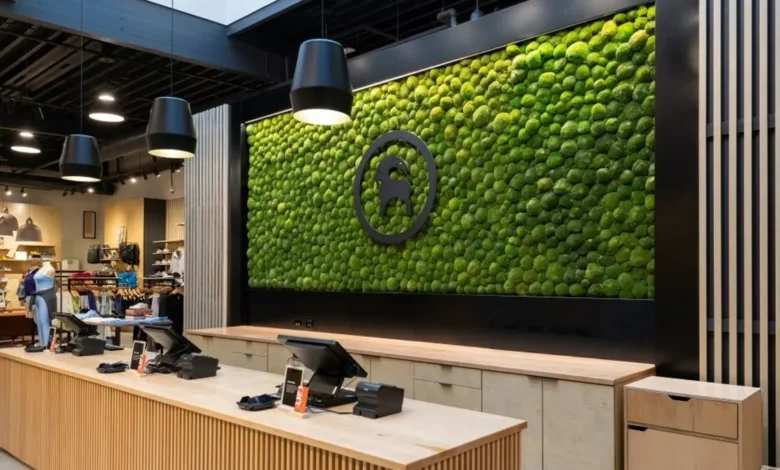
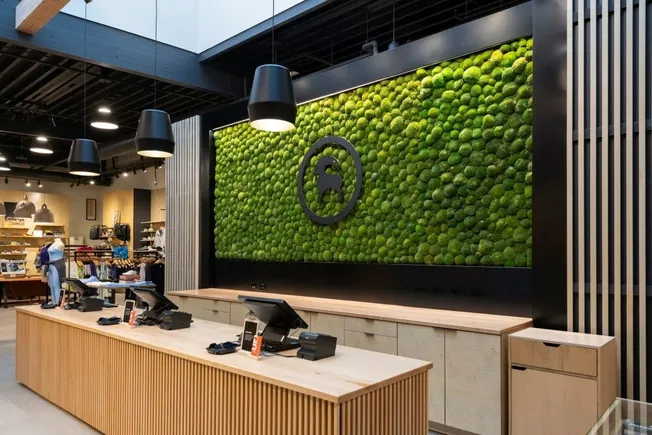
Park City, Utah – Backcountry, a prominent online and brick-and-mortar retailer specializing in outdoor gear and apparel, has announced the launch of "Backcountry Garage," an innovative incubator program designed to foster partnerships with emerging brands in the outdoor industry. This strategic initiative underscores the company’s commitment to continuous innovation and aggressive expansion, building on a recent series of acquisitions that are reshaping its market presence. The move signals a clear intent to identify and nurture the next generation of outdoor brands, focusing on products that champion accessibility, sustainability, and quality.
The unveiling of Backcountry Garage comes on the heels of several pivotal developments for the retailer. Most notably, the company recently acquired cycling technology firm Velotech Inc. in September, incorporating its well-known brands such as BikeTiresDirect, TriSports, and Western Bikeworks into its growing portfolio. This acquisition, along with the integration of Coalatree – an outdoor lifestyle brand focused on sustainable apparel and gear, also referenced in connection with the incubator – demonstrates a deliberate strategy to diversify and strengthen Backcountry’s offerings across key outdoor segments. These actions are part of a broader corporate strategy initiated since Backcountry itself was acquired by CSC Generation Enterprise approximately two years ago, in late 2022, a move that brought Competitive Cyclist, MotoSport, and Steep and Cheap under the same umbrella.
Strategic Rationale Behind Backcountry Garage and Recent Acquisitions
Backcountry’s leadership views the Backcountry Garage incubator as a critical engine for future growth and a testament to its belief in the power of constant innovation. Kevin Lenau, President of Backcountry, articulated the vision in a recent press release, stating, "At Backcountry, we believe constant innovation is the most powerful way to improve our customers’ experience outside. Backcountry Garage is how we keep pushing when much of the industry is waiting – partnering with builders and founders who are rethinking how great gear should perform so our community feels the difference every day on the trail, at the crag, and in their own backyards." This statement highlights a proactive stance in a market often characterized by established players and incremental changes.
The incubator will serve as a rigorous evaluation platform, assessing potential partner brands based on their "merit, strategic fit, and potential for long-term partnership." This multi-faceted approach suggests that Backcountry is not merely looking for quick wins but aiming to build enduring relationships that align with its core values and market aspirations. J.M. Fabrizi, the newly appointed director of Backcountry Garage, has been tasked with spearheading this initiative, including guiding Coalatree through its next phase of growth. Fabrizi’s mandate emphasizes positioning the incubator as a nexus for brands that prioritize accessibility, sustainability, and quality – three pillars increasingly vital to modern consumers in the outdoor sector. "Our goal with Backcountry Garage is to be the premier destination for innovators in the outdoor space," Fabrizi might elaborate, "providing them with the resources, mentorship, and market reach they need to scale, while simultaneously enriching our product offering with fresh, purpose-driven gear."
Industry analysts suggest that such incubator models offer a dual benefit: they provide emerging brands with crucial resources, mentorship, and market access, while simultaneously offering the parent company a pipeline of innovative products and fresh ideas without the full risk of in-house development. "This model allows Backcountry to stay agile and responsive to evolving consumer preferences," noted Sarah Jenkins, a retail industry consultant. "Instead of relying solely on internal R&D, they can tap into a broader ecosystem of innovators, fostering a culture of collaboration that can accelerate product development and market penetration. It’s a smart way to de-risk innovation in a competitive market."
A Chronology of Strategic Moves
Backcountry’s current strategic trajectory can be understood through a series of key events, demonstrating a deliberate and accelerating strategy to expand its market reach and product diversity through external growth:
- Late 2022 (Approximate): CSC Generation Enterprise acquires Backcountry.com, along with its subsidiaries Competitive Cyclist, MotoSport, and Steep and Cheap, for an undisclosed sum. This acquisition was a significant turning point, bringing the established outdoor retailer under the umbrella of a firm known for revitalizing and scaling direct-to-consumer (DTC) brands. CSC Generation’s business model typically involves acquiring traditional retailers, investing in their digital transformation, and integrating them into a shared operational platform to achieve efficiencies and growth. This initial acquisition laid the groundwork for the subsequent expansion strategy.
- Early 2023/2024 (Approximately Seven Months Prior to Incubator Launch): Backcountry completes the acquisition of Velotech Inc. The Portland, Oregon-based cycling retailer brought with it specialized platforms like BikeTiresDirect, TriSports, and Western Bikeworks. This move significantly bolstered Backcountry’s footprint in the lucrative and rapidly growing cycling market, encompassing everything from road biking to mountain biking and triathlon sports. The integration of these highly specialized retailers allowed Backcountry to offer a more comprehensive selection of cycling components, apparel, and accessories, appealing to a dedicated enthusiast base. The global bicycle market, valued at over $50 billion in 2022, is projected to grow consistently, making this a strategically vital acquisition.
- Recent Past: Backcountry acquires Coalatree. While specific dates were not publicly disclosed, its mention in the context of J.M. Fabrizi’s role within Backcountry Garage suggests it is one of the initial beneficiaries or examples of the company’s new acquisition and incubation strategy. Coalatree, known for its eco-conscious approach and functional outdoor wear made from recycled and sustainable materials, aligns well with the stated focus areas of accessibility, sustainability, and quality, embodying the kind of brand Backcountry Garage aims to champion.
- Present Day: Launch of Backcountry Garage. This formalizes the company’s commitment to seeking out and partnering with up-and-coming brands, creating a structured pathway for integration and growth. It signifies a proactive and forward-looking approach to maintaining relevance and competitiveness in a dynamic market, allowing Backcountry to tap into grassroots innovation.
Broader Industry Context: The Rise of Brand Holding Companies
Backcountry’s strategy is not an isolated phenomenon but rather reflects a growing trend in the retail sector: the emergence and expansion of brand holding companies. Companies like Pattern Brands and Mammoth Brands (formerly Harry’s Inc.) have pioneered this model, demonstrating its efficacy in a fragmented and competitive consumer market.
Pattern Brands, for instance, has successfully leveraged acquisitions like the Poketo brand to not only expand its product offerings but also to accelerate its entry into brick-and-mortar retail, creating a diversified portfolio of home and lifestyle goods. Similarly, Harry’s Inc., which rebranded to Mammoth Brands, has aggressively grown its portfolio of subsidiaries, including the acquisition of baby care brand Coterie and personal care brands such as Mando, LumÄ“ and Flamingo. This approach allows these entities to achieve economies of scale in areas like marketing, logistics, and technology, while maintaining distinct brand identities that resonate with specific consumer segments.
The rationale behind this strategy is compelling. In an era where direct-to-consumer (DTC) brands can gain traction quickly but often struggle to scale independently, larger entities offer crucial capital, operational expertise, and robust distribution networks. For the acquiring companies, it provides a means to:
- Diversify Revenue Streams: Reduce reliance on a single brand or product category, mitigating market risks.
- Capture Niche Markets: Acquire specialized brands that cater to specific, often underserved, consumer segments, thereby expanding overall market reach.
- Innovate Faster: Integrate new product ideas and technologies from agile, smaller brands, shortening product development cycles.
- Leverage Synergies: Combine back-end operations, supply chains, and marketing efforts across multiple brands to reduce costs and increase efficiency.
- Expand Market Share: Grow overall presence in a fragmented market by aggregating smaller, specialized players.
"The DTC landscape is incredibly crowded, and while starting a brand is easier than ever, scaling it profitably is a monumental challenge," explains Dr. Emily Chang, a professor of retail management at a leading business school. "Holding companies provide a lifeline for promising brands, offering the resources to overcome growth hurdles. For the parent company, it’s an efficient way to innovate and expand without having to build everything from scratch, which is crucial in fast-moving consumer goods sectors."
The Outdoor Retail Market: Dynamics and Opportunities
The outdoor retail market is a robust and expanding sector, driven by increasing consumer interest in health, wellness, and environmental stewardship. According to the Outdoor Industry Association, the outdoor recreation economy contributes significantly to national GDP, supporting millions of jobs. In the U.S. alone, the market for outdoor gear and apparel is valued in the tens of billions of dollars annually, with consistent growth in categories like cycling, hiking, camping, and watersports. Global market forecasts predict continued expansion, driven by urbanization and a desire for experiential consumption.
Key trends influencing this market include:
- Sustainability and Ethical Production: Consumers are increasingly prioritizing eco-friendly products and brands with strong environmental and social credentials. This trend aligns perfectly with Backcountry Garage’s stated focus on sustainability, as brands demonstrating genuine commitment to these values often command higher loyalty and willingness to pay.
- Technological Innovation: Advancements in materials science, digital integration (e.g., GPS, smart wearables, connected gear), and product design continue to push boundaries, creating opportunities for specialized, high-performance gear. Incubators like Backcountry Garage can accelerate the adoption of these innovations.
- Accessibility and Inclusivity: A growing emphasis on making outdoor activities enjoyable and accessible to a broader demographic, moving beyond traditional extreme sports enthusiasts. This includes adaptive gear, diverse sizing, and marketing that reflects a wider range of participants.
- Direct-to-Consumer (DTC) Growth: While established brands maintain significant market share, DTC players continue to disrupt the market by offering specialized products, personalized experiences, and direct engagement with consumers, often bypassing traditional retail channels.
Backcountry’s strategy to leverage both acquisitions and an incubator program positions it to capitalize on these trends. By identifying brands that are inherently aligned with sustainability and accessibility, Backcountry can enhance its brand image and attract a wider customer base. The cycling acquisitions, in particular, tap into a sector that has seen a resurgence in popularity, partly fueled by a renewed focus on personal health and outdoor activities during recent global events.

Implications for Consumers and the Outdoor Industry
For consumers, Backcountry’s expanded portfolio and incubator program could translate into a more diverse and innovative array of products. The focus on accessibility means potentially more user-friendly and affordable gear, while the emphasis on sustainability promises environmentally conscious choices, resonating with a growing segment of ethical consumers. Enthusiasts may find a broader selection of highly specialized products through the integrated cycling platforms and future incubator partnerships, benefiting from curated offerings and expert advice.
However, there are also potential implications for the competitive landscape. A more consolidated Backcountry, backed by CSC Generation, could exert greater market influence. While this might lead to more efficient supply chains and potentially better pricing for some items, it also raises questions about market diversity and the ability of truly independent, small brands to thrive without aligning with larger entities. A hypothetical founder of an emerging outdoor brand, while seeing the appeal of an incubator for capital and distribution, might also express concerns about maintaining their brand’s unique ethos within a larger corporate structure.
For the outdoor industry as a whole, Backcountry Garage could serve as a model for fostering innovation. If successful, it might encourage other large retailers or private equity firms to adopt similar strategies, further accelerating the consolidation and professionalization of the outdoor gear market. The challenge for Backcountry will be to integrate these diverse brands effectively while preserving their unique identities and innovative spirit. Managing a sprawling portfolio requires sophisticated operational capabilities, careful brand stewardship, and a deep understanding of each brand’s specific customer base, ensuring that the distinctive appeal of each acquired or incubated brand is not diluted.
Future Outlook and Potential Challenges
The launch of Backcountry Garage and the ongoing acquisition strategy mark an ambitious chapter for Backcountry. The company is clearly aiming to solidify its position as a leading force in outdoor retail, not just as a seller of products, but as a curator and accelerator of innovation. The success of this strategy will hinge on several factors:
- Effective Integration: Seamlessly integrating newly acquired brands and products into Backcountry’s existing infrastructure, from e-commerce platforms to supply chain logistics, without disrupting customer experience.
- Brand Nurturing: Providing adequate support and resources to incubator brands without stifling their independent spirit or creative drive, ensuring they continue to produce truly innovative products.
- Market Responsiveness: Continuously adapting to evolving consumer preferences and technological advancements in the fast-paced outdoor industry, staying ahead of trends rather than reacting to them.
- Competitive Landscape: Navigating intense competition from established giants like REI, specialty retailers, and the ever-present threat of general e-commerce platforms like Amazon, which also increasingly feature outdoor gear.
Should Backcountry successfully execute this strategy, it stands to emerge as a more dynamic and diversified player, capable of appealing to a broader spectrum of outdoor enthusiasts. The "Backcountry Garage" represents more than just an incubator; it is a declaration of intent, signaling Backcountry’s ambition to not just sell the gear, but to actively shape the future of outdoor exploration and adventure through strategic partnerships and relentless innovation. The coming years will reveal whether this bold approach translates into sustained growth and an even stronger foothold in the fiercely competitive outdoor retail market, or if the complexities of managing a diverse brand ecosystem present unforeseen challenges.