Marks & Spencer Unveils Major Revamp of Sparks Loyalty Scheme, Promising Personalized Real Money Rewards and Strategic Virgin Group Partnership

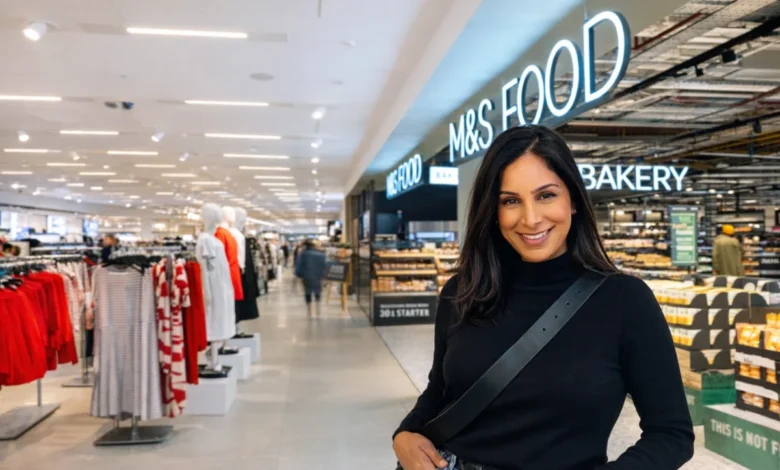
British retail giant Marks & Spencer (M&S) has officially launched a significantly refreshed iteration of its Sparks loyalty scheme, promising customers a "more rewarding, personalised experience." This extensive overhaul, driven by direct customer feedback and leveraging advanced AI and data analytics, aims to redefine customer engagement and bolster the brand’s position in a highly competitive retail landscape. A key element of this transformation is a strategic new partnership with the Virgin Group, integrating aspirational lifestyle rewards into the everyday shopping experience.
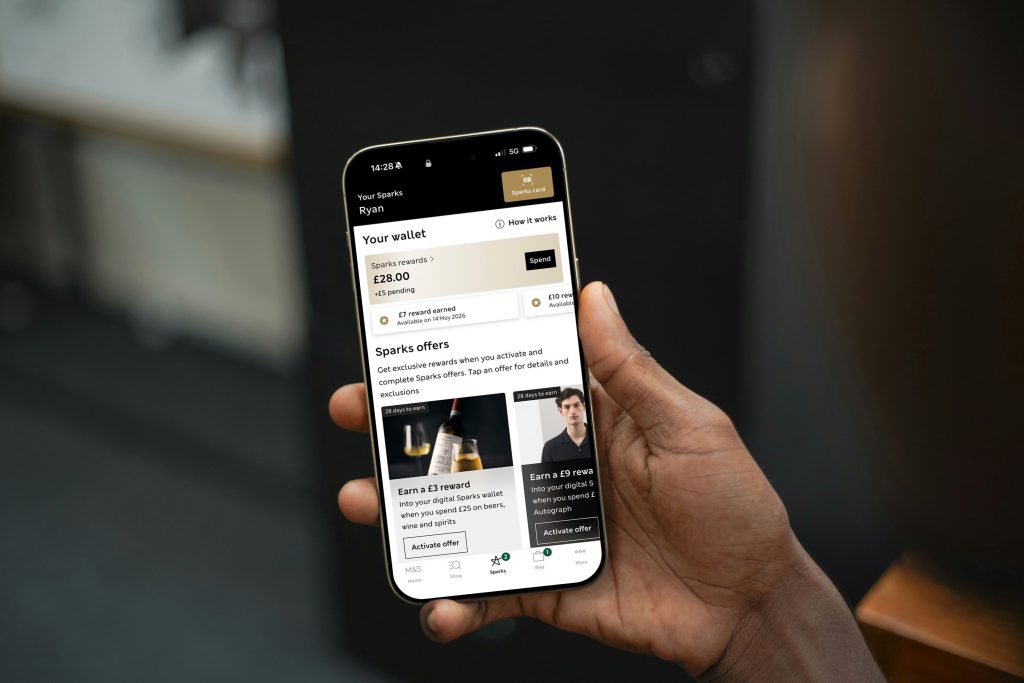
The unveiling of the revitalised programme follows extensive customer consultation and a rigorous development process, addressing long-standing calls from thousands of Sparks cardholders for a more tangible and consistently rewarding system. The core of the new scheme revolves around offering genuine money rewards that customers can spend across M&S’s extensive food, clothing, home, and beauty departments. These offers are meticulously personalised for each individual shopper, dynamically refreshing every Tuesday, ensuring relevance and engagement.
The Evolution of Sparks: A Response to Customer Demand and Market Dynamics
M&S initially introduced the Sparks card in 2015, positioning it as a ‘members club’ rather than a traditional points-based loyalty scheme. Its unique selling proposition at the time included personalised offers, opportunities to win prizes, and the ability to donate to a chosen charity with every scan. While innovative in its focus on personalisation over points, the original scheme often faced criticism for a perceived lack of clarity regarding its benefits and for not always delivering consistently valuable rewards in the eyes of many customers. Shoppers frequently compared it unfavourably to direct discount or cashback programmes offered by competitors such as Tesco’s Clubcard or Sainsbury’s Nectar.
In an increasingly challenging retail environment, where consumer spending power is constrained by economic pressures and competition for customer loyalty is fierce, M&S recognised the imperative to evolve. The brand’s ongoing transformation strategy, spearheaded by CEO Stuart Machin, has focused on enhancing value, quality, and digital capabilities. A robust and highly engaging loyalty programme is a critical component of this strategy, aiming to drive repeat purchases, increase customer lifetime value, and deepen brand affinity.
Sharry Cramond, M&S’s Loyalty Director, elaborated on the genesis of the new scheme, stating that one of the initial and most crucial steps was to directly engage with M&S customers. "We spoke to thousands of our customers," Cramond revealed during the launch event, underscoring the customer-centric approach. Beyond internal feedback, the team also conducted comprehensive global surveys of various loyalty programmes to identify best practices and innovative features that could be adapted for the M&S context. This thorough research underpinned the design principles of the new Sparks.
Key Features and Mechanics of the Refreshed Sparks Programme
The revamped Sparks scheme introduces several compelling features designed to enhance its appeal and utility:
- Real Money Rewards: Departing from a purely discount or points-based model, the new programme allows customers to earn tangible monetary rewards. These "Sparks rewards" are deposited directly into a customer’s digital wallet and can be redeemed against any M&S purchase, offering immediate and clear value. This direct financial incentive is a significant upgrade, providing a more transparent and universally appealing benefit.
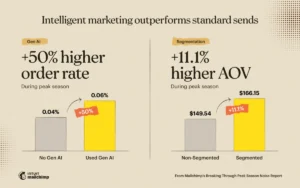
- Hyper-Personalisation Powered by AI: At the heart of the new Sparks is an advanced AI and data-driven engine. This technology continuously analyses individual spending habits, preferences, and engagement with previous offers to generate highly personalised rewards. The offers are not static; they refresh every Tuesday, ensuring a dynamic and continually relevant experience for each user. Cramond emphasised that M&S wants the new scheme to be "as targeted and personalised as possible," learning and adapting if a customer doesn’t engage with a particular offer, presenting alternative options in subsequent weeks. This continuous learning model aims to maximise the perceived value and utility of the rewards for each individual.
- Strategic Partnership with Virgin Group: A cornerstone of the new programme is the exclusive collaboration with the Virgin Group, designed to extend the scope of rewards beyond M&S’s core retail offerings into aspirational lifestyle experiences. This partnership is built on a significant customer overlap, with Andrea Burchett, Chief Loyalty Director at Virgin Group, noting, "We have over a 50 per cent overlap between Virgin customers and M&S, so it was just such a natural fit for us to come together."
- Enhanced Earning Opportunities: M&S customers can now earn additional Sparks rewards by engaging with Virgin experiences. Examples include a significant £130 back into their Sparks wallet when booking a Virgin Holiday, or 5% back on train tickets booked through Virgin. This allows customers to accrue substantial savings on high-value purchases.
- Virgin Points Integration: Conversely, customers using the Virgin Red app will be able to earn Virgin Points when shopping at M&S. These points can then be redeemed across the wide array of Virgin Group products and services, from flights and holidays to broadband and experiences.
- Exclusive Perks: Virgin Red members and M&S credit card customers will also benefit from additional perks, such as preferential rates on travel money, further enhancing the value proposition of the integrated loyalty ecosystem.
- Grand Prize Incentives: To celebrate the launch, the partnership is offering customers the chance to win a million Virgin Points, a prize that could translate into aspirational experiences such as a business class flight to New York or a stay in one of Virgin’s exclusive properties. This aspirational element adds an exciting dimension to the loyalty programme.
- Retained and Valued Features: While introducing significant changes, M&S has thoughtfully retained several beloved features from the original Sparks scheme. These include the ability for customers to donate to a charity of their choice with every scan, the popular baby club, the free birthday cake offer, and the coffee stamp card. These elements, which foster goodwill and offer consistent, albeit smaller, perks, demonstrate M&S’s commitment to customer preferences and community engagement.
Rigorous Development and Testing
The journey to the refreshed Sparks programme was marked by a comprehensive development and testing phase. After extensive customer feedback and global scheme analysis, M&S piloted the new programme with its entire workforce of 65,000 employees. This large-scale internal trial served as a crucial testing ground, allowing for real-world feedback and refinement before the public launch. The insights gathered from employee usage helped fine-tune the personalisation engine and ensure a seamless user experience.
The continuous learning aspect of the AI-powered scheme means that it is designed to evolve. If a customer consistently ignores certain types of offers, the system will adapt and present different options, aiming to maximise relevance and engagement over time. This iterative approach ensures the programme remains dynamic and responsive to individual customer behaviour.
Expert Perspectives and Psychological Impact
The launch event featured a panel discussion with key figures involved in the scheme’s development and independent experts, providing deeper insights into its rationale and potential impact. The panel included Jeanette Kwakye (co-host of the Martin Lewis Money Show), Sharry Cramond, Andrea Burchett, Rotimi Merriman-Johnson (creator of Mr Moneyjar), psychologist Dr. Audrey Tang, and campaign star Emily Atack.
Rotimi Merriman-Johnson, commenting on the broader shift in consumer expectations, stated, "People look to trusted voices and creators and as creators and as organisations, loyalty is no longer automatic. It has to be earned." He lauded the new M&S rewards programme for its tangible benefits: "you’re being rewarded in pounds, you’re giving personalised offers, you’re being rewarded based on how you actually shop." He also highlighted the added value for existing Virgin Red members or M&S credit card customers, such as preferential rates on travel money.
Andrea Burchett from Virgin Group underscored the synergy between the two brands, citing the significant customer overlap and shared values. "M&S, as you all know, is very much known for quality, value and service, and it really helps Virgin bring everyday relevance to our brand," she explained. The integration ensures that rewards are seamlessly added to a customer’s wallet as soon as an applicable product or service is purchased, removing any waiting periods. She further elaborated on the seamless integration for Virgin Red app users, allowing them to earn Virgin Points directly at M&S, creating a reciprocal benefits flow.
Dr. Audrey Tang, a psychologist on the panel, offered a fascinating perspective on the emotional impact of the personalised rewards. She drew a parallel between the "glimmers"—small, positive moments in everyday life that uplift mood—and the personalised offers from Sparks. "If you’re opening your app and you’re getting to me, it’s like a spark. It’s a similar kind of concept, a spark of something which is tailored to you, you’re remembered, you’re thought about," Dr. Tang explained. She emphasised that these small, tailored gestures can contribute to overall happiness and a sense of being valued by the retailer.
Emily Atack, the star of the launch campaign, echoed this sentiment, highlighting how the new scheme fosters a feeling that "the retailer cares." She specifically praised the parenting club as an example of M&S "having her back." Atack articulated the universal human desire for validation: "We all like a little pat on the back. We all like to get rewards. We all like to feel validated… the loyalty of knowing in this difficult current climate, when people are spending their money, they’re getting something back." Her comments underscore the psychological resonance of receiving tangible rewards, particularly in an era of economic uncertainty where every saving counts.
Broader Implications and Market Impact
The relaunch of the M&S Sparks scheme represents a significant strategic move for the retailer, with several potential implications for both M&S and the wider UK retail loyalty landscape.
For M&S, the enhanced programme is expected to:
- Boost Customer Retention and Engagement: By offering more tangible and relevant rewards, M&S aims to increase the frequency of customer visits and overall spend, fostering deeper loyalty among its millions of existing Sparks cardholders.
- Improve Brand Perception: A more rewarding and transparent loyalty scheme can significantly enhance brand perception, positioning M&S as a customer-first retailer that truly values its patrons.
- Drive Data-Driven Insights: The AI-powered personalisation engine will generate richer data on customer preferences and behaviour, allowing M&S to refine its marketing strategies, product assortments, and store experiences even further.
- Strengthen Competitive Edge: In a crowded market, a genuinely rewarding and differentiated loyalty programme can serve as a powerful differentiator against rivals, particularly those in the grocery sector known for their strong loyalty offerings.
For the broader retail industry, the M&S Sparks refresh, particularly its partnership with Virgin Group, could set a new benchmark for cross-sector loyalty collaborations. The integration of everyday retail with aspirational travel and lifestyle rewards offers a compelling model for creating more comprehensive and valuable loyalty ecosystems. This approach moves beyond transactional benefits to create a more holistic value proposition for consumers.
The emphasis on "real money rewards" also signals a shift in consumer expectations and retailer responses in the current economic climate. As households face ongoing cost-of-living pressures, direct financial benefits are highly appealing. Loyalty programmes that deliver clear, spendable value are likely to gain significant traction, potentially influencing other retailers to re-evaluate their own reward structures.
Furthermore, the sophisticated use of AI and data for hyper-personalisation highlights the growing importance of technology in modern loyalty programmes. The ability to dynamically adapt offers based on individual behaviour moves away from generic promotions, making loyalty schemes genuinely more relevant and effective for both customers and retailers.
In conclusion, the refreshed M&S Sparks loyalty scheme, with its focus on personalised real money rewards and a pioneering partnership with Virgin Group, marks a pivotal moment for the iconic British retailer. It represents a robust response to customer demands, a strategic embrace of advanced technology, and a forward-looking approach to fostering enduring customer loyalty in an ever-evolving retail landscape.