The ongoing negotiations represent a complex intersection of corporate interests, where the potential for enhanced consumer convenience must be weighed against concerns over data ownership, advertising revenue, and the integrity of the customer-seller ecosystem. As both companies navigate these talks, the industry is watching closely, as the outcome could set a precedent for how AI agents interact with major e-commerce platforms in the future.
A Chronology of the Muse-Amazon Stand-off
The current talks are the latest chapter in a volatile period for AI-driven commerce. In early September 2026, Meta introduced deeper integration features for Muse, its generative AI agent designed to act as a personal shopping assistant. Users initially enjoyed the ability to prompt Muse to compare products, track prices, and initiate purchases directly through major e-commerce sites, including Amazon.
However, the honeymoon was short-lived. By September 21, 2026, users attempting to complete transactions on Amazon via the Muse interface began encountering persistent error messages. It quickly became clear that Amazon had implemented technical blocks to prevent Muse from interacting with its checkout APIs. At the time, the move was widely interpreted as a defensive measure by Amazon, aimed at maintaining control over its own user experience and ensuring that its proprietary AI initiatives—such as Rufus, its own in-house shopping assistant—remained the primary interface for customers.
The silence between the two companies persisted throughout October. During this period, Amazon CEO Andy Jassy took a dismissive stance toward the threat posed by third-party shopping agents. In comments reported by the Wall Street Journal, Jassy suggested that customer adoption of external AI agents for actual purchasing was minimal, implying that Amazon’s marketplace would remain largely insulated from the disruption caused by tools like Muse.
The Core Friction: Advertising and Data Control
While the technical hurdles are likely surmountable, the ongoing negotiations are centered on two fundamental business concerns: the structure of search results and the monetization of advertising.
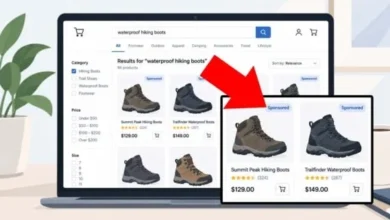
Amazon’s business model relies heavily on its internal advertising ecosystem. Sponsored products, brand advertisements, and organic search ranking algorithms are the lifeblood of the company’s retail revenue. If an AI agent like Muse performs the search, filters the results, and makes a recommendation, it effectively bypasses the traditional Amazon user interface. This creates a risk that Amazon’s ad-driven search results might be ignored or obscured, significantly diminishing the return on investment for the millions of third-party sellers who pay to appear at the top of Amazon’s search queries.
Furthermore, there is the issue of data sovereignty. Amazon prides itself on maintaining a direct, deep-rooted relationship with its customers, which allows the company to build highly accurate consumer profiles. By allowing a third-party agent to act as an intermediary, Amazon risks losing access to the rich behavioral data that occurs during the discovery phase of a purchase. If Muse becomes the primary gateway for shopping, Meta gains the ability to harvest consumer intent, potentially siphoning off the data that Amazon uses to optimize its own marketing and logistics operations.
The Maturity Argument and Risk Mitigation
A secondary, yet equally critical, concern for Amazon is the potential for liability. AI agents, while powerful, are prone to "hallucinations" or errors in logic. If Muse were to misinterpret a product specification, accidentally order the wrong item, or fail to handle a return properly, the customer experience is immediately tarnished. Because the purchase happens on the Amazon marketplace, the burden of rectifying these errors—issuing refunds, dealing with shipping disputes, and managing seller relations—would fall squarely on Amazon’s shoulders.
Industry analysts have noted that Amazon likely used the two-month blockade as a "cooling-off" period to observe how Muse behaved in other environments and to pressure Meta into establishing clear governance standards. By waiting for the technology to mature, Amazon is attempting to ensure that any future integration includes robust protocols for error handling and dispute resolution, protecting its reputation for customer service excellence.

Broader Implications for the AI Ecosystem
The outcome of these negotiations will have far-reaching consequences for the broader digital economy. We are entering an era where AI agents act as "digital agents" for consumers, theoretically making shopping faster and more efficient. However, this vision of an AI-driven future clashes with the walled-garden approach that has defined the growth of major platforms like Amazon, Google, and Meta.
If a deal is reached, it could signal a new "coopetition" model, where platforms allow third-party agents in exchange for a share of the data or revenue generated. If the talks collapse, it could lead to a permanent fracturing of the internet, where users are forced to rely on platform-specific AI agents rather than an interoperable, cross-platform assistant.
For Meta, a successful agreement is crucial. The company has invested heavily in Muse to ensure it remains a central component of its ecosystem, driving engagement across its social media platforms. Without the ability to facilitate transactions on the world’s largest e-commerce site, Muse loses a significant portion of its utility, making it less attractive to the average user.
Official Stances and Market Expectations
As of the date of this report, both Meta and Amazon have maintained a policy of silence, declining requests for comment from major media outlets. This is standard practice during sensitive high-level negotiations, particularly when the potential deal requires the direct oversight of CEOs Mark Zuckerberg and Andy Jassy.
Market observers note that for the deal to move forward, it will likely need to address the following:
- Revenue Sharing: How will advertising revenue be split if an ad-supported purchase originates from a Meta-owned agent?
- API Transparency: Will Meta be granted "read-only" access to inventory, or will it be able to write data (like purchase orders) directly to the Amazon backend?
- Governance: What are the consequences for errors? How will Amazon hold Meta accountable for inaccurate shopping recommendations?
The fact that these discussions are happening at all suggests that both companies recognize the limitations of their current strategies. Amazon acknowledges that consumers are increasingly seeking the convenience of AI-guided shopping, regardless of where that shopping starts. Meanwhile, Meta realizes that a shopping agent without access to the vast product selection and logistics reliability of Amazon is essentially a novelty, not a viable commercial product.
The Path Forward
The next few weeks will be critical. If the two companies can define a clear framework for how AI agents interact with the Amazon store, it could usher in a new, more integrated phase of the internet. If they cannot, the "war of the agents" is likely to intensify, with other major retailers—such as Walmart, Target, and Shopify—watching closely to see if they should follow Amazon’s lead in blocking third-party AI access to their own platforms.
As it stands, the discussions remain fluid. While people familiar with the matter have indicated that multiple rounds of talks have taken place, there is no guarantee that a final agreement will be reached. The complexity of balancing user experience, advertising revenue, and legal liability means that any potential partnership will likely be rolled out in stages, starting with limited functionality or a small test group.
For now, the marketplace remains closed to Muse, and the tech industry remains in a state of watchful waiting. The resolution of this stand-off will not only define the relationship between Amazon and Meta but will also provide a blueprint for how the digital economy will function as artificial intelligence moves from being a simple research tool to a primary interface for global commerce.