Nvidia CEO Jensen Huang Hired Crisis PR Firm Months Before Admitting Affair with Executive Linked to Chinese Intelligence Probe

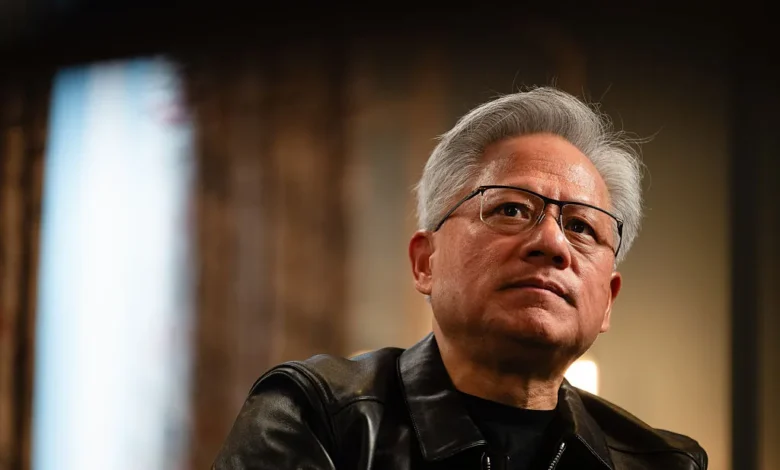
Nvidia Chief Executive Officer Jensen Huang retained the high-profile crisis communications firm Heller Inc. more than a year before publicly acknowledging an extramarital affair with a technology executive suspected of having ties to Chinese intelligence operations. The strategic public relations move, which predates the formal disclosure of the personal relationship by over twelve months, underscores the meticulous planning and crisis mitigation strategies often deployed by executives at the helm of the world’s most valuable technology corporations.
The revelation sheds light on the intersection of corporate governance, personal conduct, and geopolitical tensions amid tightening restrictions on advanced semiconductor exports. As artificial intelligence infrastructure becomes a primary vector of geopolitical competition between the United States and China, the private lives and corporate associations of tech leaders face unprecedented scrutiny from regulators, intelligence agencies, and investors alike.
The Retention of Heller Inc. and the PR Playbook
According to investigative reporting by Wired, Jensen Huang engaged Heller Inc.—a boutique crisis communications agency founded by Risa Heller—well before his personal relationship became a matter of public record. Heller Inc. has built a formidable reputation managing intense personal scandals, corporate crises, and high-stakes reputational management for prominent public figures, particularly men facing sexual misconduct allegations or intense media scrutiny.
Risa Heller’s past roster of high-profile clients includes figures such as former U.S. Representative Anthony Weiner, celebrity chef Mario Batali, and former New Yorker writer Jeffrey Toobin. The firm is known for aggressive, protective media management designed to contain fallout, neutralize damaging narratives, and navigate complex investigative journalism inquiries.
Internal directives at Nvidia reportedly mirrored this early defensive posture. Shortly after an explosive New York Times report published in October 2025—which detailed regulatory questions surrounding billions of dollars in Nvidia chip acquisitions by a little-known Singapore-based firm—Nvidia’s internal communications team was instructed to copy Heller Inc. on all press inquiries regarding Jensen Huang. This procedural shift indicated that leadership anticipated the scrutiny surrounding supply chain compliance to potentially intersect with personal disclosures or broader investigations.
Chronology of Events: From Supply Chain Scrutiny to Personal Disclosures
The unfolding narrative follows a complex timeline that bridges international trade compliance, corporate reporting, and personal disclosures:

- October 2025: The New York Times publishes an investigative piece questioning whether Nvidia inadvertently helped Chinese entities evade stringent U.S. chip export controls. The report highlights Megaspeed, a Singapore-registered data center company with deep ties to China, which had acquired nearly $2 billion worth of advanced Nvidia processors. The article features Alice Huang, the CEO of Megaspeed, standing alongside Jensen Huang at a prominent industry gathering in Taipei.
- Late 2025: Nvidia’s internal communications department integrates Heller Inc. into media response protocols for inquiries directed at the chief executive, signaling early awareness of potential reputational vulnerabilities.
- November 2026: Nvidia officially issues a public statement on behalf of Jensen Huang. The CEO acknowledges an extramarital affair with a former executive associated with Megaspeed, though the statement does not explicitly name Alice Huang.
- November 2026: Concurrently, Nvidia’s Board of Directors announces an independent investigation into the matter, prompted by emerging intelligence reports suggesting that Huang may have been the target of a foreign intelligence gathering operation.
Corporate Governance and the Board’s Response
The revelation of an executive relationship tied to potential foreign intelligence surveillance places extraordinary pressure on Nvidia’s Board of Directors. Corporate governance standards for publicly traded multinational corporations require rigorous oversight, particularly when a key executive’s personal conduct could introduce security vulnerabilities or compromise intellectual property and strategic trade secrets.
In its official announcement, Nvidia’s board emphasized its commitment to transparency and thorough investigation. The independent inquiry is tasked with determining the full scope of the relationship, whether any confidential company information or proprietary technology was exposed, and whether internal compliance protocols were breached.
While Jensen Huang remains one of the most influential figures in the global technology landscape—having steered Nvidia to unprecedented market capitalization on the back of the generative AI boom—the board’s decision to launch an independent probe reflects the gravity of allegations involving foreign intelligence entities.
Geopolitical Context: Semiconductors and National Security
The backdrop of this scandal is the fierce technological rivalry between Washington and Beijing over advanced artificial intelligence hardware. Nvidia’s graphics processing units (GPUs) are the gold standard for training and deploying large language models and complex neural networks. Consequently, these semiconductors are subject to strict U.S. Department of Commerce export controls designed to prevent the People’s Republic of China from acquiring cutting-edge computing capabilities for military and advanced intelligence applications.
The initial scrutiny began with Megaspeed’s massive $2 billion acquisition of Nvidia chips through intermediary channels. In the global semiconductor market, managing compliance with export restrictions is a monumental logistical and legal challenge. When the supply chain inquiry converged with personal disclosures regarding the CEO and a key executive from the implicated firm, the situation transformed from a regulatory compliance story into a multi-layered national security and corporate governance crisis.
Implications for Nvidia and the Tech Industry
The convergence of personal misconduct, corporate crisis management, and international espionage investigations carries significant implications for Nvidia and the wider technology sector:
- Heightened Executive Scrutiny: Boards of directors across Silicon Valley are likely to re-evaluate executive oversight policies, particularly regarding relationships with suppliers, partners, or foreign nationals operating in sensitive geopolitical zones.
- Reputational and Market Impact: Although Nvidia’s market dominance in AI hardware remains formidable, sustained media attention and regulatory inquiries could introduce volatility or draw closer oversight from federal agencies, including the Committee on Foreign Investment in the United States (CFIUS) and the Department of Justice.
- The Evolution of Crisis PR: The early hiring of specialized crisis communication firms like Heller Inc. highlights a growing trend among corporate executives: anticipating personal and professional vulnerabilities well before public exposés hit the headlines.
As the independent board investigation proceeds, stakeholders will be watching closely to see what conclusions are reached regarding foreign intelligence exposure, supply chain integrity, and the future leadership structure of the world’s leading artificial intelligence chipmaker. Neither Risa Heller nor representatives for Nvidia have provided immediate comments beyond the formal statements released by the company.