Under Armour Pursues Aggressive Brand Elevation Strategy Amid Persistent Revenue Declines

Under Armour is embarking on a comprehensive, multi-year transformation strategy aimed at repositioning the brand as a premium force in the athletic apparel and footwear market. This pivot, characterized by a leaner product assortment, a reduction in promotional activity, and a shift toward high-impact, story-driven marketing, comes as the Baltimore-based retailer navigates a period of sustained financial contraction. As the company works to regain its footing, it has begun to overhaul its global store footprint and streamline its operations to focus on brand prestige rather than volume.
Financial Context and Q2 Performance
The urgency of this transition is underscored by the company’s recent financial disclosures. For the second quarter of the 2026 fiscal year, Under Armour reported total revenue of $1.2 billion, representing a 7% year-over-year decline. The contraction was widespread, affecting nearly every major geography, with the notable exception of Latin America. The company’s core business segments—apparel, footwear, and accessories—all experienced downturns, culminating in a net loss of $425,000 for the quarter.
These figures build upon a multi-year trend that has seen the company lose approximately one-fifth of its quarterly revenue over the last three years. While management has characterized some of these losses as intentional—a direct consequence of pulling back on deep discounts and clearing out excess inventory—market analysts remain cautious. The financial performance reflects a struggle to maintain market share in an increasingly competitive landscape dominated by entrenched rivals like Nike, Adidas, and surging specialty performance brands.

The SKU Reduction Initiative: Less is More
A central pillar of Under Armour’s turnaround plan is a radical simplification of its product catalog. Under the guidance of leadership, the company successfully executed a 25% reduction in Stock Keeping Units (SKUs) by May 2026. However, executives have signaled that this is only the beginning. The company has committed to an additional 25% reduction in the coming months, aiming to refine its assortment to focus only on the most high-performing, innovative items.
The logic behind this strategy is twofold: operational efficiency and price integrity. By reducing the number of disparate items offered, Under Armour aims to lower its supply chain complexity and focus its manufacturing capabilities on its most iconic product lines. Simultaneously, the company is attempting to end its reliance on constant discounting. The goal is to shift consumer perception by ensuring that the vast majority of products sold—even in outlet channels—are sold at full, premium prices. This move is designed to restore the brand’s image as a premium performance label, distancing it from the "discount bin" reputation that often plagues brands that over-saturate the wholesale market.
Marketing Transformation: From Commodity to Storytelling
Perhaps the most visible change in the Under Armour strategy is a complete overhaul of its marketing philosophy. Under the current leadership, the company is moving away from broad, high-frequency advertising in favor of fewer, more meaningful, and cinematic campaigns. The brand is shifting its budget toward one "major product story" per month, attempting to create cultural moments rather than merely filling advertising slots.
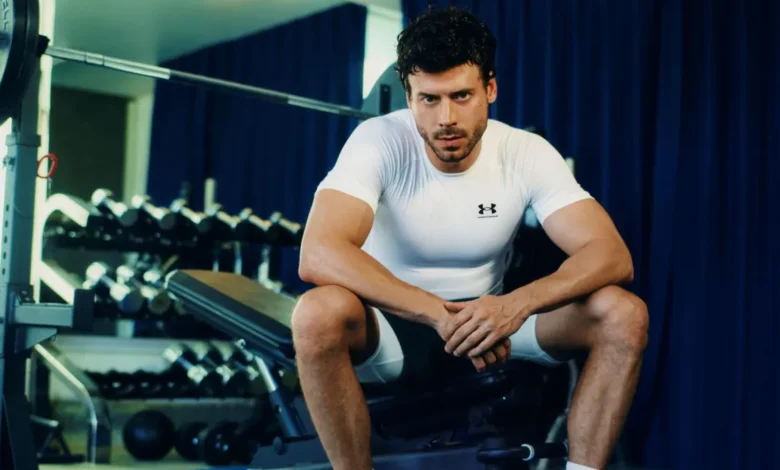
This shift was evidenced by the appointment of actor François Arnaud as a global brand ambassador in July 2026, a move tied to the "Heated Rivalry" campaign. Furthermore, the company has experimented with pop-culture crossovers, such as the partnership with the K-pop boy band BoyNextDoor to promote the launch of the "Bouncy Tee."

During a recent earnings call, leadership emphasized that simply placing a logo on a garment is no longer sufficient in the modern retail environment. The company acknowledged that it has spent years treating its products as commodities. The new mandate is to weave innovation into a narrative that resonates with the lifestyle and athletic goals of its target demographic. As the leadership noted, "A shirt or a shoe without a story is just a shirt or a shoe." By leveraging its deep roots in performance innovation, the company hopes to reclaim the "cool factor" that defined its early years.
Industry Reaction and Analyst Perspectives
The market’s reaction to Under Armour’s pivot has been decidedly mixed. The Telsey Advisory Group, in a recent assessment, noted that while the company has demonstrated commendable discipline in controlling costs and managing its inventory levels, the "proof is in the pudding." Analysts are waiting to see if the reduction in SKUs and the revamped marketing will actually translate into top-line revenue growth. To date, there is little empirical evidence that the brand’s new direction is resonating with a broader consumer base or driving significant market share gains.
Neil Saunders, Managing Director at GlobalData, provided a more critical outlook on the company’s trajectory. Saunders argued that Under Armour’s challenges are systemic rather than cyclical. According to his analysis, the brand suffers from a "fundamental problem with its relevance to consumers." He pointed to the brand’s presence in third-party retail environments, such as Dick’s Sporting Goods, where he contends that Under Armour sections often appear "random and disconnected."
The core of the issue, according to Saunders, is a lack of identity. Under Armour has struggled to define itself as either a high-fashion streetwear brand or a strictly technical performance gear manufacturer, often producing items that sit uncomfortably in the middle. For the company to successfully execute its turnaround, it must resolve this identity crisis and present a more cohesive, high-quality assortment that justifies the premium price points it is currently chasing.

Future Outlook and Operational Challenges
As Under Armour moves into the latter half of 2026 and into 2027, the focus will remain on the efficacy of its "premium positioning" strategy. The success of this endeavor will hinge on three critical factors:
- Consumer Acceptance of Full Pricing: Can the company convince its historically discount-oriented customer base to pay full price for its new, smaller product assortment?
- Retail Partner Alignment: Will wholesale partners like Dick’s and other major retailers be able to execute the brand’s vision for a more "premium" in-store presentation, or will the brand continue to struggle with visual clutter?
- Product Innovation vs. Marketing Hype: While marketing is a focus, the brand must ensure that its product innovation remains world-class. Marketing can draw consumers into the store, but the actual performance and quality of the apparel and footwear will dictate whether they return.
The brand’s leadership remains optimistic, citing the "desire" and the "budget" required to execute the vision. However, the path forward is narrow. The retail industry is currently characterized by high volatility, and consumers are increasingly discerning about where they spend their discretionary income.
Chronology of the 2026 Turnaround
- May 2026: Under Armour officially concludes its first major initiative to reduce its SKU count by 25%, marking the beginning of the "leaner, more premium" phase.
- July 23, 2026: The company announces actor François Arnaud as a global brand ambassador, signaling a shift toward more celebrity-driven, story-focused marketing.
- August 2026: The brand debuts the "Bouncy Tee" in partnership with K-pop group BoyNextDoor, marking a push into global lifestyle-oriented marketing.
- November 6, 2026: The company reports a 7% decline in Q2 revenue to $1.2 billion and outlines plans for a second 25% reduction in SKUs.
As Under Armour continues to shed its legacy of aggressive discounting and broad, uncoordinated product launches, it is essentially trying to rebuild its identity in real-time. The coming fiscal quarters will be pivotal. Investors and industry analysts will be watching to see if the "fewer, bigger, better" marketing mantra can actually stabilize the revenue base and begin to reverse the decline in brand equity that has plagued the company for the better part of the decade. For now, the company is in a holding pattern, betting that a more disciplined, premium-focused approach will eventually yield a more profitable and relevant business model.