
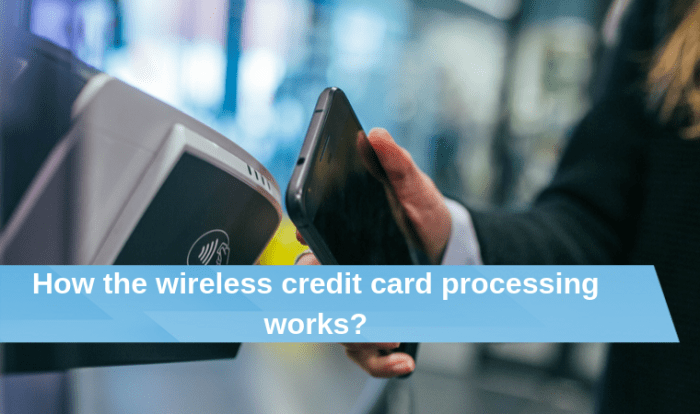
Wireless credit cards how soon and how pervasive? This exploration dives into the rapidly evolving world of contactless payments, examining the potential for widespread adoption and the factors influencing its timeline. From the core functionalities and technological underpinnings to consumer acceptance and regulatory hurdles, we’ll analyze every facet of this transformative payment method.
The introduction will detail the core functionalities of wireless credit cards, differentiating them from traditional cards. It will explain the fundamental technological principles enabling wireless transactions, and provide examples of current and emerging wireless payment systems. A comparison table will illustrate the key differences between wireless and traditional cards, covering security, convenience, cost, and other crucial aspects.
Introduction to Wireless Credit Cards

Wireless credit cards are a rapidly evolving payment technology that promises a more seamless and secure way to make transactions. These cards leverage advancements in wireless communication and contactless payment systems to eliminate the need for physical card swiping or manual entry of card details. This shift from traditional methods offers substantial benefits in terms of convenience and security, although challenges remain.The core functionalities of wireless credit cards extend beyond simply replacing physical cards.
They integrate seamlessly with mobile payment platforms and offer enhanced security features, such as tokenization and biometric authentication. This article delves into the fundamental technologies driving this innovation, explores current and emerging wireless payment systems, and compares wireless credit cards to their traditional counterparts.
Definition of Wireless Credit Cards
Wireless credit cards, also known as contactless credit cards, are credit cards that use near-field communication (NFC) or other wireless technologies to facilitate transactions without requiring physical contact with a payment terminal. They rely on short-range radio waves to transmit payment information, making the process quick and efficient.
Core Functionalities of Wireless Credit Cards
Wireless credit cards go beyond simply replacing traditional plastic cards. They leverage the following key functionalities:
- Contactless Payments: Transactions are initiated by bringing the card near a compatible payment terminal, eliminating the need for manual entry or card insertion. This greatly speeds up the transaction process.
- Mobile Integration: Many wireless credit cards integrate with mobile payment apps, enabling users to manage their accounts, track spending, and receive notifications directly on their smartphones.
- Enhanced Security: Security protocols like tokenization and biometric authentication protect sensitive payment data, reducing the risk of fraud compared to traditional cards.
Technological Principles Enabling Wireless Transactions
The underlying technology behind wireless credit cards is based on near-field communication (NFC) and other wireless technologies. NFC uses short-range radio waves to transmit data between devices. Other technologies like magnetic secure transmission (MST) and radio frequency identification (RFID) also play roles in facilitating wireless transactions.
“NFC utilizes electromagnetic fields to transmit data between two devices that are in close proximity.”
The data transmission is encrypted, protecting the cardholder’s information.
Examples of Current and Emerging Wireless Payment Systems
Numerous wireless payment systems are currently in use or emerging. Examples include Apple Pay, Google Pay, Samsung Pay, and various proprietary systems offered by banks. These systems rely on NFC technology to enable contactless payments. Emerging systems are exploring innovative features like biometric authentication and integrated loyalty programs.
Comparison of Wireless and Traditional Credit Cards
| Feature | Wireless Credit Card | Traditional Credit Card |
|---|---|---|
| Security | Generally more secure due to tokenization and biometric authentication; less susceptible to skimming | More vulnerable to skimming and fraud due to physical handling |
| Convenience | Faster transaction processing; greater ease of use in contactless environments | Requires physical insertion and swiping, potentially slower |
| Cost | Potentially slightly higher initial setup cost; no additional transaction fees | No significant initial cost; may have transaction fees in some cases |
| Acceptance | Growing acceptance at merchants; not as ubiquitous as traditional cards in all areas | Widely accepted at most merchants |
Timeline and Adoption Rate
The evolution of payment methods has been remarkable, moving from cash and checks to the digital age. Wireless credit cards represent a significant leap in this journey, promising convenience and security. Understanding their timeline and adoption rate provides insight into the pace of technological change and the factors influencing consumer behavior.The global push for contactless payments has significantly impacted the speed at which wireless credit cards are being adopted.
This trend is being driven by the convenience they offer, alongside rising security concerns around physical cards. Furthermore, the development of robust infrastructure for processing these transactions is accelerating the widespread acceptance of this technology.
Key Milestones in Wireless Credit Card Development
Several key milestones have marked the progression of wireless credit card technology. These developments have paved the way for the current level of adoption and influence future innovations. Early prototypes and pilot programs laid the foundation for the technology, while the introduction of standardized protocols enabled seamless interoperability between different systems.
Wireless credit cards—how soon will they become ubiquitous? It’s a fascinating question, especially considering the recent news about Computer Associates expanding their Red Hat Linux relationship. This partnership suggests a growing reliance on open-source technology, which could potentially pave the way for new security measures in the future, impacting the speed and spread of wireless credit cards.
Ultimately, the widespread adoption of wireless credit cards depends on several factors, but this technological shift feels inevitable.
- Early 2000s: Initial prototypes and pilot programs emerged, demonstrating the feasibility of contactless payments. These early trials focused on establishing secure transmission protocols and payment processing infrastructure.
- Mid-2000s: Development of EMV (Europay, MasterCard, Visa) chip technology began to influence the industry. This technology, while initially focused on physical cards, laid the groundwork for future contactless payment solutions.
- Late 2000s – Early 2010s: The rise of smartphones and mobile wallets created a fertile ground for wireless payment adoption. Companies started integrating contactless payment options into their mobile applications, making payments more accessible and convenient.
- 2010s – Present: Growing acceptance by merchants, coupled with consumer awareness and acceptance of the technology, led to widespread adoption and integration into everyday transactions. This period saw a surge in the number of contactless terminals and mobile payment options available.
Growth Trajectory of Wireless Credit Card Usage
The growth of wireless credit card usage worldwide has been substantial. The increasing availability of contactless payment options has led to a noticeable shift in consumer behavior.Global contactless payment transaction volumes have surged over the past decade. Various market research firms provide data on the rapid growth in this sector, which continues to grow at a steady pace.
Wireless credit cards are definitely on the horizon, but how soon and how pervasive they’ll become is anyone’s guess. The ongoing debate about taxing online purchases, like the recent push by lawmakers to ban internet taxes, lawmakers renew fight for internet tax ban , could significantly impact the adoption of these cards. Ultimately, the future of wireless credit cards hinges on a lot of factors, and the legal landscape is certainly playing a role.
- Significant growth in contactless payment transactions across various regions highlights the trend. Data from leading payment networks indicates a marked increase in the volume of transactions processed using contactless technology.
- Adoption rates differ across countries, influenced by factors like infrastructure development, consumer awareness, and regulatory environments. Developing countries are rapidly adopting these technologies as they provide efficiency in financial transactions.
Factors Driving Adoption of Wireless Credit Cards
Several factors have fueled the rapid adoption of wireless credit cards. These factors highlight the value proposition that wireless payment methods offer consumers and businesses.
- Convenience: The ease of use and speed of wireless payments are key drivers. Consumers appreciate the elimination of the need to physically handle cards, which reduces the risk of loss or theft.
- Security: Enhanced security measures, including encryption and tokenization, have addressed concerns about fraudulent activities. This contributes to consumer confidence in using contactless payment methods.
- Merchant Acceptance: Widespread adoption by merchants encourages wider usage. The accessibility of terminals and point-of-sale systems accepting contactless payments is a crucial element.
- Consumer Awareness and Education: Awareness campaigns and education programs play a significant role in promoting the benefits of wireless credit cards. This increases understanding and confidence in using these technologies.
Adoption Rates Across Regions and Demographics
Adoption rates for wireless credit cards vary across different regions and demographics. These variations are influenced by the interplay of economic factors, technological infrastructure, and consumer behavior.
- North America: High adoption rates due to early market penetration and infrastructure development. The availability of mobile payment solutions and the widespread use of smartphones have significantly impacted this region’s adoption.
- Europe: High adoption rates driven by the early development of contactless standards and merchant acceptance. The regulatory framework and consumer trust have played a crucial role in the widespread acceptance.
- Asia-Pacific: Rapid adoption rates driven by the development of mobile payment platforms and infrastructure development. The rise of digital payments in the region is contributing to the increase in the use of wireless credit cards.
Historical Evolution of Wireless Payment Methods, Wireless credit cards how soon and how pervasive
The transition from traditional to wireless payment methods has been gradual, driven by technological advancements and changing consumer needs.
| Method | Date | Details |
|---|---|---|
| Cash | Pre-20th Century | Dominant payment method. |
| Checks | Early 20th Century | Replaced cash for some transactions. |
| Credit Cards | Mid-20th Century | Introduced a new era of convenience. |
| Contactless Cards | Late 2000s | Early stages of wireless payment. |
| Mobile Wallets | 2010s | Integration with smartphones for payments. |
| NFC-based Payments | 2010s-Present | Significant growth in contactless transactions. |
Technological Advancements and Security: Wireless Credit Cards How Soon And How Pervasive
Wireless credit cards represent a significant leap forward in payment technology, but their security is paramount. This evolution necessitates constant innovation in cryptographic techniques and secure communication protocols to mitigate potential risks. The journey toward seamless and secure wireless transactions is ongoing, driven by the need to balance convenience with robust protection against fraud.The transition to wireless payment methods requires a paradigm shift in security protocols.
Traditional methods, relying on physical card readers and signatures, are less effective in the digital age. Consequently, sophisticated security measures must be implemented to safeguard sensitive financial data transmitted wirelessly. This involves a combination of encryption, authentication, and robust transaction authorization procedures.
Security Protocols in Wireless Credit Card Transactions
Wireless credit card transactions utilize a range of security protocols to protect sensitive data. These protocols ensure data integrity, confidentiality, and authenticity throughout the transaction lifecycle. The primary goal is to prevent unauthorized access and manipulation of transaction information.
- Tokenization: A crucial aspect of security is tokenization. This involves replacing sensitive card numbers with unique, non-sensitive tokens during the transaction process. The token acts as a placeholder for the actual card number, making it significantly harder for fraudsters to intercept and utilize the sensitive data. This significantly reduces the risk of a breach leading to fraudulent charges, as the real card number is not transmitted directly.
- Encryption: Encryption plays a vital role in safeguarding data transmitted wirelessly. Modern encryption methods, such as Advanced Encryption Standard (AES), are employed to scramble data into an unreadable format. This prevents unauthorized parties from intercepting and deciphering the transaction information. Encryption ensures that only authorized parties can access the data.
- Secure Communication Channels: Secure communication channels, like TLS/SSL, form a critical layer of protection. These protocols establish an encrypted connection between the user’s device and the payment gateway, ensuring that data transmitted is protected from eavesdropping. Using these secure channels prevents unauthorized access during transmission.
- Multi-Factor Authentication: Implementing multi-factor authentication (MFA) adds an extra layer of security. Beyond a simple password, MFA requires users to verify their identity through multiple means, such as one-time passwords (OTPs) or biometric verification. This prevents unauthorized access even if a password is compromised.
Potential Security Vulnerabilities
Despite advancements, wireless credit cards remain susceptible to various vulnerabilities. Understanding these vulnerabilities is crucial for developing effective mitigation strategies.
Wireless credit cards are a fascinating tech development, but how quickly they’ll become ubiquitous remains to be seen. The recent announcement by CBS Sportsline of a new e-commerce reseller program, CBS Sportsline announces newe commerce reseller program , might offer some insight into how rapidly such innovations gain traction in specific sectors. Ultimately, the widespread adoption of wireless credit cards likely hinges on consumer acceptance and the broader infrastructure supporting these types of payments.
- Man-in-the-Middle Attacks: A potential vulnerability arises from man-in-the-middle attacks, where an attacker intercepts communication between the user’s device and the payment gateway. This allows the attacker to potentially manipulate or steal sensitive data.
- Phishing and Malware: Phishing scams and malicious software (malware) can compromise a user’s device, potentially gaining access to sensitive information like credit card details. Phishing attacks often lure users into revealing their credentials through fraudulent websites or emails.
- Weak Authentication Mechanisms: Weak authentication mechanisms, relying on easily guessable passwords or lacking MFA, can be exploited to gain unauthorized access to accounts. Strengthening authentication protocols is vital to mitigate this risk.
Comparison of Security Measures
Different security measures offer varying levels of protection. Evaluating the strengths and weaknesses of each measure is crucial for designing robust security strategies.
| Security Protocol | Strengths | Weaknesses |
|---|---|---|
| Tokenization | Hides sensitive card numbers, reducing risk of data breaches | Requires a secure tokenization system and potential performance overhead |
| Encryption (AES) | Scramble data, protecting from eavesdropping | Vulnerable to sophisticated attacks if the key is compromised |
| Secure Communication Channels (TLS/SSL) | Establish secure connection between parties, protecting data in transit | Effectiveness depends on the strength of the encryption algorithm and implementation |
| Multi-Factor Authentication | Adds an extra layer of security, preventing unauthorized access | Requires user cooperation and can be inconvenient for users |
Infrastructure and Accessibility
Wireless credit cards promise a frictionless future for payments, but their widespread adoption hinges on robust infrastructure and equitable access across regions. The underlying technology, while advancing rapidly, faces challenges in deployment and compatibility, particularly in areas with limited existing payment networks or outdated infrastructure. This necessitates careful planning and investment to ensure that the benefits of wireless payments are accessible to all.
Required Infrastructure for Wireless Transactions
The infrastructure supporting wireless credit card transactions is multifaceted, encompassing a complex interplay of elements. This includes robust mobile networks, reliable internet connectivity, and secure payment gateways. The speed and reliability of these networks directly impact transaction speed and user experience. Moreover, the infrastructure must be able to handle the anticipated surge in transactions, ensuring scalability and minimizing delays.
Accessibility and Availability Across Regions
Accessibility of wireless credit card services varies significantly across regions. Developed countries, with well-established mobile networks and payment systems, generally have greater adoption rates. In contrast, developing countries often face limitations in infrastructure, creating hurdles for the seamless integration of wireless payment systems. These limitations may include insufficient mobile network coverage, low internet penetration, or inadequate digital literacy among the population.
This disparity in access underscores the need for tailored solutions and phased rollouts to bridge the gap in accessibility.
Impact of Technological Limitations on Adoption
Technological limitations, such as inconsistent mobile network quality or variations in smartphone availability, can significantly affect wireless credit card adoption in specific areas. Regions with limited or unreliable mobile coverage may experience higher transaction failure rates and user frustration, potentially deterring adoption. Furthermore, the varying levels of smartphone penetration can impact the accessibility of wireless payment services. These factors necessitate the development of adaptable technologies that can operate effectively across diverse environments.
Expanding Wireless Credit Card Infrastructure in Developing Countries
Expanding wireless credit card infrastructure in developing countries requires a multi-pronged approach. This includes targeted investments in mobile network expansion and internet access. Furthermore, initiatives to promote digital literacy and financial inclusion can play a crucial role in encouraging adoption. Government partnerships and collaborations with mobile network operators are essential to overcome infrastructure limitations and create inclusive payment systems.
Examples of successful pilot programs in emerging economies could offer valuable insights and lessons for broader implementation.
Wireless Payment Technologies
Various wireless payment technologies exist, each with its own set of strengths and weaknesses, and potential impacts on infrastructure.
- Near Field Communication (NFC): NFC uses short-range radio waves to enable contactless payments. Pros include speed and ease of use. Cons include potential security vulnerabilities if not properly implemented. Infrastructure impact is minimal as it relies on existing payment networks.
- Magnetic Secure Transmission (MST): MST uses existing magnetic stripe readers to facilitate contactless transactions. Pros include compatibility with older devices. Cons include slower transaction speeds compared to NFC. Infrastructure impact is minimal, requiring only slight adjustments to existing payment infrastructure.
- Mobile Wallets: Mobile wallets act as digital repositories for payment information, enabling secure and convenient wireless transactions. Pros include the ability to store multiple payment methods. Cons include the need for secure storage and potential for data breaches. Infrastructure impact is significant, requiring robust mobile network coverage and secure payment gateways.
Future Trends and Potential
Wireless credit cards are poised to evolve beyond simple payment methods, impacting various sectors of the financial landscape. Their seamless integration with existing technologies, such as smartphones and IoT devices, is creating exciting possibilities for future applications. This transformative potential necessitates a critical examination of emerging trends and the profound impact these cards will have on financial transactions.
Emerging Trends in Wireless Credit Card Technology
The future of wireless credit cards hinges on several key advancements. Increased processing speeds and improved security protocols are crucial for widespread adoption. Biometric authentication, such as fingerprint or facial recognition, is likely to become more prevalent, offering a layer of enhanced security. Furthermore, the integration of blockchain technology into these systems could provide greater transparency and security by creating tamper-proof transaction records.
Potential Future Applications of Wireless Credit Cards
Wireless credit cards will extend beyond traditional retail transactions. Imagine a future where your credit card acts as a universal access key, opening doors, activating appliances, or even paying for utilities automatically. This level of integration could revolutionize the way we interact with technology and manage our finances. The potential applications are far-reaching, from automating recurring payments to offering personalized financial recommendations.
Impact on the Financial Industry
The widespread adoption of wireless credit cards will significantly impact the financial industry. Banks and financial institutions will need to adapt to this new paradigm, developing innovative services and platforms to accommodate the evolving needs of consumers. This will involve enhancing existing infrastructure, creating secure payment gateways, and fostering seamless integration with other financial platforms. This shift could lead to increased competition and the emergence of new financial models.
Revolutionizing Financial Transactions
Wireless credit cards could revolutionize financial transactions by creating more efficient and personalized experiences. Imagine a scenario where you pay for groceries, gas, and other expenses automatically without needing to pull out your physical card. This could dramatically reduce friction in transactions and improve customer satisfaction. Furthermore, the ability to track spending patterns and receive personalized financial advice could lead to better financial management for consumers.
Potential Future Applications Table
| Potential Application | Projected Impact |
|---|---|
| Automated Bill Payments | Significant reduction in manual bill payment efforts, leading to greater financial efficiency. |
| Smart Home Integration | Enhanced convenience and security in home management, facilitating automatic utility payments and appliance control. |
| Personalized Financial Advice | Increased financial literacy and empowerment for consumers, leading to better financial decisions. |
| Universal Access Key | Enhanced security and convenience for access control to physical locations and devices. |
| Integrated Loyalty Programs | Increased customer engagement and brand loyalty through personalized rewards and incentives. |
Consumer Perspectives and Acceptance
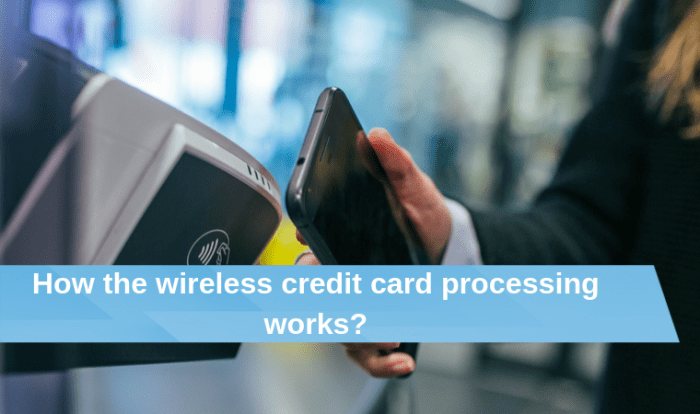
The shift towards contactless payments has significantly impacted consumer attitudes towards wireless credit cards. Consumers are increasingly comfortable with mobile wallets and other digital payment methods, creating a fertile ground for the adoption of wireless credit cards. However, trust and security remain critical factors in driving widespread acceptance.
Consumer Attitudes and Opinions
Consumer attitudes towards wireless credit cards are diverse, ranging from enthusiastic acceptance to cautious skepticism. Many consumers are drawn to the convenience and speed of wireless transactions, especially in a world increasingly reliant on mobile technology. Others are concerned about security risks and potential privacy violations. Understanding these varying perspectives is crucial for businesses and financial institutions seeking to successfully implement wireless credit card systems.
Factors Influencing Consumer Adoption
Several factors significantly influence consumer adoption of wireless credit cards. Ease of use and seamless integration with existing mobile payment systems are paramount. The perceived security of the payment system, including robust encryption and fraud protection measures, also plays a critical role. Furthermore, the perceived value proposition, including potential rewards programs and discounts associated with wireless transactions, can motivate consumer adoption.
Finally, consumer confidence in the issuing bank or financial institution is a key element.
Benefits from a Consumer Perspective
Wireless credit cards offer numerous benefits for consumers. Convenience is a key advantage, allowing for quick and easy payments without the need for physical cards. Increased security features, such as tokenization and advanced fraud detection, contribute to a more secure payment experience. Furthermore, consumers may benefit from rewards programs, exclusive discounts, and potentially lower transaction fees compared to traditional credit cards.
Drawbacks from a Consumer Perspective
Despite the benefits, some drawbacks exist from a consumer perspective. Concerns about data security and privacy are significant. A lack of awareness about the specific security protocols and encryption methods used can lead to apprehension. Furthermore, potential compatibility issues with existing payment systems and mobile devices could create challenges for some consumers. The risk of unauthorized access to accounts also represents a considerable concern.
Importance of Building Trust and Confidence
Building trust and confidence in wireless payment systems is essential for widespread adoption. Transparent security protocols, clear privacy policies, and robust fraud protection measures are critical. Open communication with consumers about these security measures is essential to allay concerns and instill confidence. Demonstrating a commitment to security through consistent updates and security improvements further reinforces consumer trust.
“I’m hesitant about wireless credit cards. I worry about my personal information being vulnerable online.”
Consumer Survey Respondent
Regulations and Legal Frameworks
Wireless credit cards, while promising a more convenient payment experience, necessitate a robust legal and regulatory framework to ensure security, consumer protection, and financial stability. The rapid evolution of these technologies demands a dynamic approach to regulation, constantly adapting to new challenges and potential risks. This includes addressing issues of liability, fraud prevention, and data privacy in the context of wireless transactions.
Evolving Regulations Surrounding Wireless Payments
The regulatory landscape surrounding wireless payments is in a constant state of flux, adapting to technological advancements and consumer behavior. Existing regulations often need to be reinterpreted or expanded to encompass the unique characteristics of contactless and near-field communication (NFC) transactions. This necessitates close collaboration between regulatory bodies, industry stakeholders, and technology developers to establish clear guidelines and avoid regulatory hurdles that could impede innovation.
Examples include the evolving requirements for transaction authentication, data security protocols, and consumer rights related to unauthorized charges.
Potential Legal Challenges or Risks
Wireless credit cards present unique legal challenges. One key area is establishing liability in case of fraud or unauthorized transactions. Determining the responsibility between the cardholder, the issuer, and the merchant can be complex. Another area of concern is data privacy. The transmission and storage of sensitive financial information raise significant privacy concerns that require stringent regulations regarding data security and protection.
Further, the integration of these systems with existing financial infrastructure requires careful consideration to prevent disruptions and ensure seamless operation.
Impact of Regulations on Wireless Payment Adoption
Clear and consistent regulations are crucial for fostering trust and adoption of wireless payment systems. Vague or contradictory regulations can create uncertainty for consumers and businesses, leading to hesitancy in adopting the technology. For instance, countries with well-defined regulations regarding liability and fraud prevention often see higher adoption rates compared to those with unclear or outdated guidelines. This is because transparent and predictable rules help businesses and consumers feel confident in using these systems.
Relevant Regulatory Bodies and Their Roles
Numerous regulatory bodies play critical roles in the wireless payment sector, each with a specific mandate. Their responsibilities span from overseeing consumer protection to enforcing security standards. This interdependency is vital for ensuring a balanced and secure ecosystem.
- Central Banks: Often the primary regulatory body overseeing financial institutions and payment systems. They define guidelines for transaction processing, fraud prevention, and consumer protection standards. For example, the Federal Reserve System in the United States has played a crucial role in establishing guidelines for secure payment networks.
- Payment Systems Associations: Industry associations help establish best practices and guidelines for payment processors and merchants. These organizations often work closely with regulatory bodies to ensure industry standards align with regulatory requirements.
- Data Protection Authorities: Governments establish these bodies to protect consumer data and ensure compliance with privacy regulations. They play a key role in defining standards for data security, handling of sensitive financial information, and data breaches.
Final Review
In conclusion, the future of wireless credit cards appears promising, with potential for significant disruption in the financial industry. While technological advancements and security protocols are crucial, consumer acceptance and regulatory frameworks play pivotal roles in the widespread adoption of this technology. Ultimately, the answer to the question of how soon and how pervasive wireless credit cards will become hinges on a complex interplay of technological advancements, security measures, infrastructure development, and consumer attitudes.
The potential for revolutionizing financial transactions is substantial, but challenges remain in ensuring a smooth and secure transition.