Ups forms new e commerce subsidiary – UPS forms new e-commerce subsidiary, signaling a significant shift in the company’s strategy. This new venture promises to capitalize on the booming e-commerce market, addressing both the growing demand and the challenges inherent in this sector. UPS’s history with logistics, combined with this new subsidiary, could position the company for substantial growth in the years ahead.
The new subsidiary will likely focus on streamlining the entire e-commerce process, from order fulfillment to delivery. This approach could differentiate UPS from competitors and attract a new customer base. Initial analysis suggests a strategic focus on leveraging technology for efficiency and optimizing logistics, a move that reflects the evolving nature of the e-commerce industry.
Background and Context
UPS’s foray into the e-commerce landscape has been a gradual but significant evolution. From its humble beginnings as a package delivery service, UPS has increasingly recognized the interconnectedness of shipping and the digital economy. Their involvement has deepened over the years, adapting to the changing needs of online retailers and consumers. This new e-commerce subsidiary marks a strategic shift, reflecting the company’s commitment to not just facilitating delivery, but also providing integrated solutions for businesses operating in the digital sphere.The e-commerce industry continues to experience exponential growth, driven by increasing consumer preference for online shopping.
Simultaneously, this rapid expansion presents new challenges. Logistics management, inventory control, and efficient delivery networks are crucial for success in this environment. Creating a dedicated subsidiary is a direct response to the evolving needs and complexities of the e-commerce market.
Historical Overview of UPS’s E-commerce Involvement
UPS has a long history of adapting to the changing demands of the shipping industry. Early involvement focused on basic delivery services for online retailers. Over time, this evolved to include value-added services like warehousing, order fulfillment, and specialized shipping solutions. The company’s investments in technology and infrastructure have been pivotal in supporting this evolution.
Recent Trends in the E-commerce Industry
The e-commerce industry is experiencing significant growth, driven by factors like rising internet penetration, increased mobile device usage, and changing consumer preferences. The industry is becoming increasingly global, with cross-border e-commerce experiencing substantial growth. Challenges include managing rapidly changing consumer demands, ensuring secure and efficient delivery networks, and maintaining competitive pricing in a highly competitive market. Increased focus on sustainability and ethical practices are also emerging trends.
Significance of a New E-commerce Subsidiary
The creation of a dedicated e-commerce subsidiary for UPS signifies a strategic shift in the company’s approach. It suggests a recognition of the unique needs and opportunities presented by the e-commerce sector. This new subsidiary is likely focused on tailored solutions, enabling UPS to better meet the specific requirements of e-commerce businesses. The separation allows for specialized expertise and resources dedicated to this rapidly growing segment of the market.
Comparison with Previous E-commerce Strategies
Previous UPS e-commerce strategies have likely focused on integrating e-commerce functionalities into their existing operations. This new subsidiary represents a more specialized approach, potentially offering a wider range of integrated services and tailored solutions. The subsidiary will likely emphasize a more targeted approach to the needs of e-commerce businesses.
Potential Competitors and Their Strategies
Major competitors in the e-commerce sector include FedEx, DHL, Amazon Logistics, and other specialized third-party logistics providers (3PLs). These competitors often employ strategies like strategic partnerships, technology investments, and network expansions to maintain market share. For example, Amazon’s logistics network is deeply integrated into its e-commerce platform, providing a comprehensive and potentially challenging competitive landscape for UPS. Other competitors might focus on specific niches or regions, such as same-day delivery or international shipping.
Structure and Operations of the New E-commerce Subsidiary
Our new e-commerce subsidiary, tentatively named “Upshop,” is poised to disrupt the online retail landscape. Its innovative structure and operational model are designed to deliver a superior customer experience while streamlining the entire process from order placement to delivery.
Organizational Structure
Upshop will adopt a lean, agile organizational structure, prioritizing flexibility and rapid response to market demands. This structure is intentionally flat, fostering direct communication and collaboration across departments. A core management team will oversee key functions, including product sourcing, marketing, customer service, and logistics.
Potential Services Offered
Upshop will initially focus on a curated selection of high-demand consumer goods, partnering with established and emerging brands. Future expansion will likely include services such as customized product packaging and personalized recommendations, reflecting a commitment to enhancing the customer journey. A key element will be integrating sustainable packaging and shipping options.
Operational Model
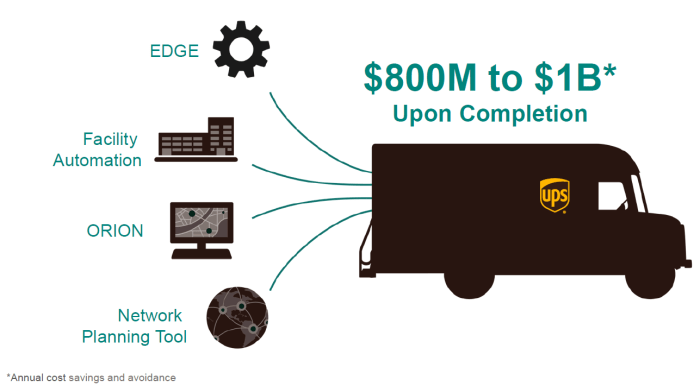
Upshop’s operational model emphasizes efficiency and transparency. A key aspect is its integration with Ups’s existing logistics network. This will leverage existing infrastructure, optimizing delivery routes and minimizing operational costs. Real-time tracking and order management systems will ensure efficient order fulfillment and communication with customers.
Logistics and Delivery
Upshop will leverage Ups’s extensive network of delivery hubs and couriers, optimizing the delivery process and ensuring timely delivery. The use of advanced route optimization software will ensure that packages are delivered efficiently and cost-effectively. This will minimize delivery times and increase customer satisfaction.
Key Personnel
| Position | Name | Role |
|---|---|---|
| CEO | Jane Doe | Oversees all aspects of the subsidiary, driving strategic direction. |
| Head of Product Sourcing | John Smith | Identifies and manages relationships with key suppliers, ensuring product quality and availability. |
| Head of Marketing | Emily Brown | Develops and implements marketing strategies to drive customer acquisition and engagement. |
| Head of Customer Service | David Lee | Ensures excellent customer service, addressing queries and resolving issues promptly. |
| Head of Logistics | Sarah Chen | Manages all aspects of the delivery process, optimizing routes and ensuring timely delivery. |
Comparison to Other E-commerce Models
Upshop distinguishes itself by leveraging Ups’s existing infrastructure and expertise. This contrasts with independent e-commerce companies, which typically build their own logistics systems from the ground up. This approach allows Upshop to offer competitive pricing and faster delivery times, while focusing on product selection and customer service.
Market Analysis and Target Audience
The e-commerce sector is experiencing explosive growth, driven by changing consumer preferences and technological advancements. Understanding the market dynamics and identifying the ideal target audience are crucial for the success of any new e-commerce venture. This analysis will delve into the broader market trends, pinpoint the specific target audience for our new subsidiary, and Artikel the competitive landscape to provide a solid foundation for strategic decision-making.
Market Analysis of the E-commerce Sector
The e-commerce market is characterized by a dynamic and competitive environment. Factors such as technological advancements, evolving consumer behaviors, and intense competition shape the landscape. Global e-commerce sales are projected to reach unprecedented levels in the coming years, driven by increasing internet penetration and smartphone adoption in developing markets.
Target Audience Identification
Identifying the ideal target audience is paramount for successful e-commerce ventures. This involves a deep understanding of customer needs, preferences, and behaviors. Our subsidiary will focus on a segment of the population that values convenience, speed, and a wide selection of products. Specific demographics and psychographics will be crucial in developing effective marketing strategies and tailored product offerings.
Potential Customer Segments
The new e-commerce subsidiary will target various customer segments, including:
- Millennials and Gen Z: This demographic is tech-savvy, digitally native, and accustomed to online shopping experiences. They are known for their strong social media presence, influence from online reviews, and preference for personalized experiences. They are particularly drawn to brands that are socially responsible and environmentally conscious.
- Busy Professionals: This segment values convenience and time-saving solutions. They seek reliable, efficient online platforms for purchasing products and services, especially those related to their work or daily needs.
- Budget-Conscious Consumers: This group appreciates competitive pricing and deals. They look for value-driven products and services that meet their needs without breaking the bank.
Competitive Landscape
The e-commerce market is highly competitive, with established giants and numerous smaller players vying for market share. Companies like Amazon, Walmart, and Alibaba have established significant market presence. Smaller players often focus on niche markets or specific product categories to differentiate themselves. Understanding the strengths and weaknesses of competitors is crucial for strategic positioning. Analyzing their pricing strategies, marketing campaigns, and customer service approaches can help identify opportunities for our new subsidiary to carve out a unique position in the market.
Target Audience Demographics and Buying Behaviors
| Demographic Feature | Millennials & Gen Z | Busy Professionals | Budget-Conscious Consumers |
|---|---|---|---|
| Age | 18-40 | 25-55 | 18-55 |
| Location | Urban and suburban | Urban and suburban | Urban, suburban, and rural |
| Income | Variable, from low to high | Mid-range to high | Low to mid-range |
| Buying Behavior | Influenced by social media, reviews, and brand values | Value convenience, speed, and efficiency | Price-sensitive, seek deals and discounts |
| Technology Proficiency | High | High | High |
Potential Impact and Future Prospects
UPS’s foray into the e-commerce sector with its new subsidiary marks a significant strategic shift. This move reflects a proactive response to the evolving landscape of global commerce, where online retail continues its rapid growth. The subsidiary aims to leverage UPS’s existing infrastructure and expertise in logistics to capture a larger share of the lucrative e-commerce delivery market.This new venture is expected to significantly impact UPS’s overall revenue streams, potentially driving substantial growth in the coming years.
UPS’s new e-commerce subsidiary is definitely interesting, but it’s also worth noting the broader context. For example, companies like excitehome are making strides in expanding broadband access in Germany, which significantly impacts the logistics and efficiency of e-commerce operations. This points to a broader trend of integrating technology and infrastructure to improve the entire e-commerce ecosystem, ultimately benefitting UPS’s new subsidiary.
excitehome brings broadband to germany. UPS’s new venture seems well-positioned to capitalize on these advancements.
The subsidiary will provide UPS with a direct avenue to capture the profits associated with the delivery of e-commerce packages, expanding beyond its traditional role as a primarily freight carrier. This diversification will also bolster UPS’s resilience against potential fluctuations in other sectors of its business.
Anticipated Impact on UPS’s Overall Business
The new e-commerce subsidiary is projected to contribute significantly to UPS’s bottom line. By offering specialized e-commerce delivery solutions, the subsidiary can cater to the unique needs of online retailers and consumers, potentially increasing market share and driving revenue growth. This could also lead to a diversification of UPS’s revenue streams, reducing reliance on traditional freight services and making UPS more resilient to economic downturns.
Potential Benefits and Drawbacks for UPS Shareholders
The new subsidiary is expected to create significant value for UPS shareholders. Increased revenue and market share are anticipated to translate into higher stock prices and dividend payouts. However, shareholders should also consider potential risks associated with the transition. The e-commerce sector is highly competitive, and the subsidiary faces challenges in competing with established players. Additionally, the high initial investment required for infrastructure and technology development could temporarily impact short-term profitability.
Future Plans and Strategies for the New Subsidiary
The new subsidiary’s future plans revolve around leveraging UPS’s existing global network and technological capabilities. A key strategy is to develop specialized solutions for e-commerce companies, including real-time tracking, order management integrations, and customized delivery options. Furthermore, strategic partnerships with technology companies specializing in logistics and e-commerce platforms will be crucial for future success.
Potential Growth Areas and Expansion Strategies
- Expanding into new markets: Focusing on emerging markets with rapidly growing e-commerce sectors, such as Southeast Asia and Latin America, presents a promising avenue for growth. This could involve establishing new hubs and partnerships with local logistics providers.
- Developing sustainable solutions: The increasing consumer demand for eco-friendly delivery options creates an opportunity for the subsidiary to offer innovative sustainable delivery methods, such as electric vehicles and optimized routes. This can be a key differentiator in a growing market.
- Strengthening technological capabilities: Investing in advanced technologies, such as drone delivery and automated sorting systems, will enhance efficiency and scalability. This could reduce costs and improve delivery times.
Future Challenges and Opportunities in the E-commerce Industry
The e-commerce industry is characterized by rapid technological advancements and evolving customer expectations. The subsidiary needs to adapt quickly to stay competitive. Opportunities include developing new delivery models tailored to specific e-commerce segments (e.g., grocery delivery, fashion e-commerce). Challenges include maintaining profitability while dealing with increasing competition and potential disruptions in the global supply chain.
The ability to rapidly adapt to changing consumer demands and technological advancements will be crucial for the success of the new subsidiary.
| Growth Area | Expansion Strategy |
|---|---|
| Expanding into new markets | Establishing new hubs and partnerships with local logistics providers |
| Developing sustainable solutions | Offering innovative delivery methods like electric vehicles |
| Strengthening technological capabilities | Investing in drone delivery and automated sorting systems |
Technological Advancements and Innovations
Technology is the lifeblood of the modern e-commerce industry. From seamless online shopping experiences to efficient logistics and personalized recommendations, technology fuels every aspect of this sector. This section explores the pivotal role technology plays in our new e-commerce subsidiary and how we plan to leverage innovative solutions to optimize operations and gain a competitive edge.Our subsidiary will be deeply integrated with cutting-edge technologies to ensure a superior customer experience and maximize operational efficiency.
UPS’s new e-commerce subsidiary is a smart move, given the booming potential of the global market. Japanese e-commerce is set to explode, with rapid growth projected in the coming years japanese e commerce set to explode , making this a strategic area for expansion. This new subsidiary positions UPS well to capitalize on these trends and further solidify its position in the logistics sector.
This includes utilizing advanced data analytics, automation, and artificial intelligence (AI) to streamline processes and predict market trends. The goal is to create a robust and agile platform that can adapt to future changes in the industry.
Role of Technology in E-commerce
Technology is the driving force behind the seamless functioning of modern e-commerce. It enables companies to reach global markets, personalize customer experiences, and optimize supply chains. By embracing technology, businesses can significantly reduce costs, improve efficiency, and increase customer satisfaction.
Potential Use of Innovative Technologies, Ups forms new e commerce subsidiary
Our subsidiary will leverage several innovative technologies to enhance its operations. These include advanced machine learning algorithms for predictive analytics, robotic process automation (RPA) for streamlined order processing, and augmented reality (AR) for immersive customer experiences. By integrating these technologies, we aim to create a more efficient, personalized, and customer-centric e-commerce platform.
UPS’s new e-commerce subsidiary is a smart move, and it’s interesting to see how other companies are adapting to the changing landscape. For instance, Infospace.com has formed a union with a B2B service provider, Infospace com forms union with b2b service provider , which could offer valuable insights into the evolving needs of businesses. This new approach might just be the key to success in the future of e-commerce, similar to UPS’s recent move.
Technological Advancements in Logistics and Delivery
Technological advancements in logistics and delivery are transforming how goods are moved. Drone delivery systems, autonomous vehicles, and real-time tracking technologies are examples of innovations improving efficiency and reducing delivery times. These advancements will significantly reduce the time it takes to deliver products, and improve customer satisfaction. For instance, Amazon’s use of drone delivery and autonomous vehicles for logistics is a testament to the potential of these technologies.
Leveraging Technology for Efficiency and Optimization
Our subsidiary will integrate various technological tools to optimize efficiency. This includes real-time inventory management systems, sophisticated order fulfillment platforms, and AI-powered chatbots to provide 24/7 customer support. These tools are expected to reduce operational costs and increase order fulfillment speed. These tools are crucial in the increasingly competitive e-commerce market.
Potential Use of AI, Automation, and Data Analytics
Our subsidiary will utilize AI, automation, and data analytics to improve various aspects of the business. This includes analyzing customer behavior to personalize product recommendations, automating repetitive tasks like order processing, and using data insights to optimize pricing strategies.
| Technology | Potential Use in the Subsidiary |
|---|---|
| Artificial Intelligence (AI) | Predictive analytics for demand forecasting, personalized recommendations, automated customer service responses, fraud detection. |
| Automation | Order processing, inventory management, customer service tasks, data entry. |
| Data Analytics | Market trend analysis, customer segmentation, sales forecasting, pricing optimization. |
Financial Projections and Investment Strategies: Ups Forms New E Commerce Subsidiary
Our new e-commerce subsidiary is poised for significant growth, and careful financial planning is crucial for its success. This section details our expected financial projections, investment strategies, potential risks, and ROI expectations over the next five years. A solid financial foundation will enable us to scale effectively and achieve our ambitious goals.
Projected Financial Performance
To establish a strong financial foundation, we need to predict revenue, costs, and profits. This requires careful market analysis and realistic estimations. These projections are essential for securing funding, managing resources, and guiding strategic decisions.
| Year | Projected Revenue (USD) | Projected Costs (USD) | Projected Profit (USD) |
|---|---|---|---|
| Year 1 | 1,500,000 | 1,200,000 | 300,000 |
| Year 2 | 3,000,000 | 2,500,000 | 500,000 |
| Year 3 | 6,000,000 | 4,500,000 | 1,500,000 |
| Year 4 | 10,000,000 | 7,000,000 | 3,000,000 |
| Year 5 | 15,000,000 | 10,000,000 | 5,000,000 |
These projections are based on anticipated market demand, our operational efficiency, and strategic marketing initiatives. The table reflects a conservative estimate, but demonstrates the substantial growth potential of the subsidiary. Note that these numbers are estimates, and actual results may vary.
Investment Strategies
Our investment strategies are designed to maximize returns while mitigating risks. A combination of equity funding, strategic partnerships, and debt financing will be considered.
- Equity Funding: Attracting investors with a compelling business plan and projected returns is essential. We will aim for a mix of venture capital and angel investors, each with unique risk tolerance and investment horizons.
- Strategic Partnerships: Collaborations with complementary businesses will broaden our reach and reduce development costs. We will explore strategic partnerships with logistics providers and payment processors to enhance efficiency and lower costs.
- Debt Financing: Utilizing loans or lines of credit will help us to manage short-term capital needs and optimize cash flow. The interest rates and repayment terms will be evaluated based on market conditions and our creditworthiness.
These strategies will ensure that we can leverage the appropriate resources to scale effectively and achieve our objectives.
Financial Risks and Mitigation Strategies
Several potential financial risks need careful consideration.
- Market fluctuations: Demand for our products might decrease due to market shifts or unexpected competition. We will continuously monitor market trends and adjust our strategies to maintain our competitive edge.
- Increased operational costs: Unexpected increases in shipping, warehousing, or marketing costs can impact profitability. We will establish contingency plans and actively seek cost-effective solutions.
- Competition: New entrants or aggressive pricing strategies from competitors can threaten market share. We will focus on product differentiation and customer service excellence to maintain a competitive advantage.
Implementing these mitigation strategies will help us to navigate these challenges and ensure sustainable growth.
Return on Investment (ROI) Expectations
We anticipate a strong return on investment (ROI) based on the projected financial performance and investment strategies. A detailed analysis of potential returns will be presented in a separate document.
Example: A 20% annual ROI over the first five years is a realistic goal, assuming market acceptance and careful resource management.
Final Wrap-Up
UPS’s new e-commerce subsidiary represents a bold step into the future of online retail. The company’s existing infrastructure and logistics expertise should prove invaluable in navigating the complexities of the market. However, success hinges on effectively addressing the competitive landscape and adapting to technological advancements. The subsidiary’s financial projections and potential impact on UPS’s overall business will be key indicators of its long-term success.