Toyota goes e commerce alone – Toyota goes e-commerce alone, challenging the automotive industry’s traditional sales model. This bold move raises critical questions about the future of car purchasing. Will Toyota’s independent e-commerce platform be a game-changer, or will it face significant hurdles? This exploration delves into the potential benefits, challenges, and market analysis surrounding this ambitious venture, considering the company’s existing online presence and the competitive landscape.
Toyota’s current online presence, including its website features, sales channels, and customer service, will be examined in detail, contrasting it with its competitors. The potential benefits of a dedicated e-commerce platform, from improved customer experience to expanded market reach, will be assessed alongside the associated risks. This analysis will also consider the impact on Toyota’s existing dealerships, along with illustrative case studies and technological considerations.
Toyota’s Existing E-commerce Presence
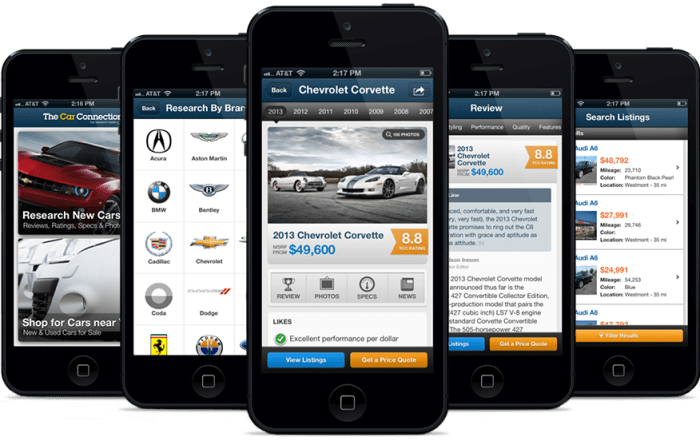
Toyota, a global automotive giant, has a significant online presence, but its e-commerce capabilities are evolving. Their current online strategy aims to provide information and connect with potential customers, but it falls short of a fully integrated e-commerce experience. This analysis delves into Toyota’s current online offerings, comparing them to competitors and highlighting areas for potential improvement.
Overview of Toyota’s Online Presence
Toyota’s website serves as a primary hub for information. It features detailed vehicle specifications, pricing, and financing options. However, the ability to directly purchase vehicles online is limited. Currently, online tools primarily focus on research and discovery, with the final purchase often requiring in-person interaction at a dealership. This approach contrasts sharply with many competitors who have established robust online ordering and configuration systems.
Website Features and Functionality
| Feature | Description | Strengths | Weaknesses |
|---|---|---|---|
| Vehicle Information | Comprehensive details on models, trims, features, and specifications. | Provides thorough information for research. | Limited customization options for online configuration. |
| Pricing and Financing | Displays pricing and financing options. | Helps customers understand financial aspects. | Does not offer complete online financing applications or approvals. |
| Service Scheduling | Allows customers to schedule service appointments online. | Convenient for routine maintenance. | Limited to service-related interactions; no online parts ordering. |
| Parts Catalog | Provides a list of parts and accessories. | Enables customers to research parts. | Does not allow online ordering or direct purchase of parts. |
| Dealership Locator | Helps users find nearby dealerships. | Essential for in-person interactions. | No integration with online sales or service options. |
Comparison to Competitors
Many competitors, such as Tesla, offer significantly more comprehensive online experiences. Tesla’s website allows customers to fully configure vehicles, place orders, and even schedule deliveries online. Similarly, Ford and other manufacturers are expanding their online ordering and customization features, showcasing a shift towards a more digitally-driven sales process. Toyota’s current approach lags in comparison, particularly in the areas of online ordering and configuration.
Customer Feedback and Reviews
Customer feedback on Toyota’s online experience is mixed. While many appreciate the detailed vehicle information and service scheduling options, several report frustration with the limited online purchasing capabilities. Online reviews often highlight the preference for a more integrated online experience, similar to competitors’ offerings. This suggests a need for improvements in online ordering and potentially even a more personalized approach to online customer service.
Potential Benefits of Independent E-commerce
Toyota’s current e-commerce presence, while potentially useful, might not fully leverage the potential of a dedicated, independent platform. A dedicated platform allows for a more tailored approach to customer needs and brand image. It provides a unique opportunity to differentiate Toyota from competitors and build stronger customer relationships.An independent e-commerce platform offers greater control over the customer experience, enabling Toyota to directly interact with consumers and gather valuable data about preferences and needs.
This data can then be used to personalize product offerings and marketing campaigns. This approach stands in contrast to using third-party platforms where control over branding and experience is limited.
Improved Customer Experience
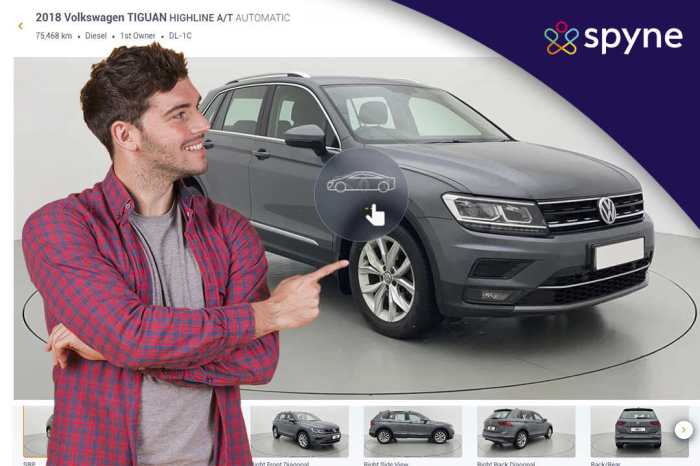
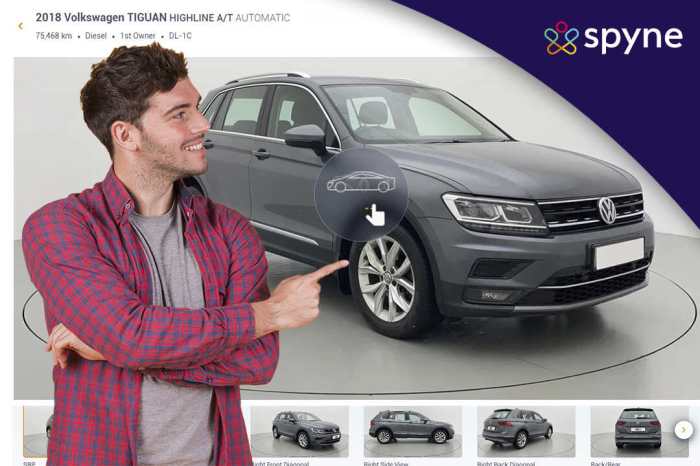
A dedicated platform enables Toyota to design a more seamless and intuitive customer journey. Features such as personalized recommendations, virtual showrooms, and interactive 360-degree vehicle views can enhance the online shopping experience. This direct interaction can address specific customer concerns and build trust.
Enhanced Pricing Strategies
An independent e-commerce platform provides opportunities for more dynamic pricing strategies, potentially adjusting prices based on demand, inventory levels, and competitor offerings. This allows for more competitive pricing and greater profitability.
Expanded Product Availability and Customization
An independent platform offers more flexibility in displaying and presenting various vehicle models, trims, and options. Customers can see a wider range of available features and configurations, leading to more informed purchasing decisions. Customization options can be more prominently featured, encouraging customers to explore tailored vehicles.
Strengthened Brand Image and Customer Loyalty
A dedicated platform allows for a more cohesive and targeted brand message. Toyota can showcase its commitment to innovation, sustainability, and customer satisfaction through dedicated content and features. Personalized customer interactions and exclusive offers foster loyalty and encourage repeat business.
Impact on Sales Channels and Market Reach, Toyota goes e commerce alone
A dedicated platform can improve sales conversion rates by offering a more engaging shopping experience. It can be integrated with existing sales channels, providing a comprehensive customer journey. This integration would extend Toyota’s market reach, allowing the company to target a broader audience and attract new customers.
Hypothetical User Journey on an Independent Toyota E-commerce Platform
A potential user journey on an independent Toyota e-commerce platform begins with browsing the platform’s virtual showroom. Users can explore different vehicle models, filter by features and price, and virtually test-drive cars. Personalized recommendations and 360-degree views provide detailed information. A dedicated finance calculator helps customers explore various financing options, while an interactive configurator allows for customizing their desired vehicle.
The user can then add their preferred vehicle to a cart and proceed to checkout. A streamlined payment process and secure delivery options are critical for a positive user experience.
Challenges of a Sole E-commerce Strategy: Toyota Goes E Commerce Alone
A solely online e-commerce strategy, while offering potential benefits, presents unique challenges for a legacy brand like Toyota. Shifting a significant portion of sales online requires careful consideration of various factors, from logistics and fulfillment to customer perception and competitive pressures. This analysis delves into the potential pitfalls of a purely digital approach, comparing it to a multi-channel strategy.Adopting a sole online e-commerce presence requires a fundamental shift in Toyota’s operations, from customer service to supply chain management.
The complexities involved in managing all aspects of the sales process through a digital channel necessitate a thorough understanding of potential difficulties and proactive mitigation strategies. This analysis highlights the crucial aspects that need attention, emphasizing the importance of meticulous planning and execution.
Logistics and Order Fulfillment
Efficient logistics and order fulfillment are critical to a successful online sales strategy. Challenges include managing inventory across multiple online platforms, ensuring timely delivery, and handling potential issues like returns and damaged goods. A comprehensive fulfillment system is essential to avoid delays and maintain customer satisfaction. Poor order fulfillment can severely damage brand reputation.
- Inventory Management: Maintaining accurate inventory levels across various online channels and ensuring real-time updates is crucial. Inadequate inventory management can lead to stockouts, impacting customer satisfaction and potentially generating negative publicity.
- Shipping and Delivery: High shipping costs and delivery time expectations can significantly affect profitability and customer experience. Effective strategies for optimizing shipping costs, such as strategic partnerships with logistics providers, are necessary. Factors like regional variations in shipping costs and delivery times need careful consideration.
- Order Processing: Efficient order processing, including order tracking, handling, and confirmation, is critical to maintain customer satisfaction. A well-defined and executed process is needed to avoid errors and delays. A streamlined system is essential to prevent delays and maintain customer trust.
Customer Service
Customer service is paramount in any sales strategy, especially in a purely online environment. Maintaining a high level of responsiveness and support is crucial for building trust and loyalty. A robust online customer service platform that allows customers to easily access information, track orders, and resolve issues is essential.
- Customer Support Channels: Providing multiple customer support channels, such as email, live chat, and phone support, is essential to accommodate diverse customer preferences and needs. Ensuring quick and effective responses across these channels is vital for customer satisfaction.
- Handling Returns and Issues: Establishing a clear and efficient process for handling returns and resolving customer issues is crucial. The process must be transparent and straightforward to avoid negative customer experiences. Timely and satisfactory resolution of issues builds trust.
- Feedback Mechanisms: Implementing systems for gathering customer feedback and addressing concerns is essential for continuous improvement. Actively monitoring and responding to customer feedback can help identify areas for improvement and build customer loyalty.
Market Reach, Brand Awareness, and Competition
Expanding market reach and maintaining brand awareness are significant challenges for a sole online strategy. Building a strong online presence requires investment in digital marketing, content creation, and . Maintaining brand recognition among existing customers and attracting new customers are crucial for success.
- Digital Marketing: Developing effective digital marketing campaigns is crucial for reaching target audiences and building brand awareness. The campaigns must align with Toyota’s brand identity and resonate with the online customer base. Careful consideration of marketing channels is necessary.
- Brand Awareness: Building brand awareness in a competitive digital market requires significant effort. Strategies for showcasing the brand’s history, values, and innovative technologies must be meticulously developed. Maintaining a consistent brand image across all online platforms is essential.
- Competitive Landscape: The automotive industry is highly competitive. Other manufacturers may already have a robust online presence, making it challenging to attract and retain customers. A clear understanding of competitors’ online strategies is necessary.
Comparison to Multi-Channel Approach
A multi-channel approach, which combines online and offline sales channels, often presents fewer challenges. The combination of physical showrooms and an online presence provides a more comprehensive customer experience. It allows for a wider reach and can leverage the strengths of both channels.
| Challenge | Description | Impact |
|---|---|---|
| Logistics | Managing inventory across multiple channels (physical stores and online), potentially leading to stock discrepancies and fulfillment complexities. | Increased operational complexity and potential for customer dissatisfaction due to delayed or unavailable products. |
| Order Fulfillment | Coordinating order fulfillment between online and offline channels to avoid confusion and delays in delivery. | Difficulties in maintaining consistent order processing and delivery times across channels, potentially leading to inconsistencies in customer experience. |
| Customer Service | Handling customer inquiries and issues through multiple channels (phone, email, online chat, physical store). | Higher operational cost associated with managing diverse customer service channels. |
| Market Reach | Balancing online and offline presence to maximize reach and engagement with customers. | Requires significant investment in both online and offline channels, potentially diluting marketing resources. |
| Brand Awareness | Maintaining a consistent brand image across physical stores and online platforms. | Requires careful brand management and coordination between online and offline channels to avoid inconsistent messaging and brand dilution. |
Market Analysis and Competitive Landscape
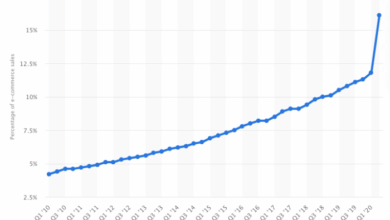
The automotive industry is undergoing a significant digital transformation, with e-commerce playing an increasingly crucial role. Understanding the current landscape and the strategies of competitors is vital for Toyota as it embarks on its independent e-commerce journey. This section analyzes the current market, compares Toyota’s potential approach with others, and highlights emerging trends.The current e-commerce landscape in the automotive industry is characterized by a mix of established players and innovative startups.
Major automakers, including Tesla, are actively developing and expanding their online sales platforms, while dedicated online retailers are gaining traction. This competitive environment demands a robust strategy for Toyota to ensure success.
Current E-commerce Landscape in Automotive
The automotive e-commerce market is dynamic, with established players like Tesla, Edmunds, and Carvana shaping the current landscape. These platforms offer various services, including online vehicle browsing, financing options, and virtual test drives. While traditional dealerships remain prominent, the shift towards online sales is undeniable, and Toyota needs to adapt to remain competitive. The rise of used car marketplaces further complicates the scene, creating a more fragmented and competitive market.
Prominent Players in Online Car Sales
Several companies have successfully established a strong presence in online car sales. Tesla, through its direct-to-consumer model, has become a leader in online vehicle ordering and delivery. Carvana and Vroom have successfully utilized online platforms to offer a streamlined used car purchasing experience. These companies have created innovative models for customer engagement, focusing on user-friendly interfaces, transparent pricing, and efficient delivery processes.
Toyota’s Potential Strategy Compared to Competitors
Toyota’s potential independent e-commerce strategy needs to differentiate itself from competitors. Tesla’s direct-to-consumer approach is one model, while Carvana and Vroom focus on streamlined used car sales. Toyota could leverage its extensive dealer network to create a hybrid model, combining online browsing and ordering with local test drives and personalized service through dealerships. A key difference will likely lie in the degree of integration between online and offline sales channels.
Emerging Trends in Online Car Sales and E-commerce
Emerging trends include the rise of virtual reality (VR) and augmented reality (AR) experiences for virtual test drives, integration of AI for personalized recommendations and financing options, and the use of blockchain technology for secure transactions. These innovations aim to enhance the customer experience and streamline the entire buying process. Additionally, the increasing use of data analytics to tailor offers and promotions will play a crucial role.
SWOT Analysis for Toyota’s Independent E-commerce Platform
| Category | Strengths | Weaknesses | Opportunities | Threats ||—|—|—|—|—|| Strengths | Extensive brand recognition and global presence. Strong manufacturing and supply chain capabilities. | Existing dealer network and relationships might resist change. Lack of direct-to-consumer experience. | Tap into emerging markets.
Toyota’s foray into e-commerce is certainly intriguing, but it’s worth noting the parallel with RealNetworks’ recent privacy initiative following a significant breach. Like Toyota, RealNetworks is likely re-evaluating its approach to data security and user trust after a security incident, as highlighted in their new privacy initiative here. Ultimately, both companies face the challenge of building trust in a digital world, and Toyota’s e-commerce push will likely need to address similar concerns to succeed.
Leverage data analytics for personalized customer experience. | Increased competition from existing and new players. Rapid technological advancements. || Weaknesses | Limited direct-to-consumer experience. Existing dealer network may resist change.
| | | Disruption by innovative startups. || Opportunities | Expanding into new market segments (e.g., electric vehicles). Offering unique services (e.g., personalized vehicle customization). | | | Rapid changes in consumer preferences and technology. || Threats | Intense competition from established and emerging players.
Rapid technological advancements in the automotive industry. | | | |
Strategies to Counter Competitors and Capitalize on Trends
Toyota can counter competitors by emphasizing its reliability and reputation, creating a comprehensive online experience, and offering personalized customer service. A crucial strategy will be to utilize data analytics to tailor offers and provide a smooth online purchasing journey, while maintaining the trusted local service offered by dealerships. Adapting to emerging trends, like VR/AR and AI integration, will be critical to maintain a competitive edge.
Potential Strategies for a Sole E-commerce Approach
Toyota’s foray into a dedicated e-commerce platform presents a unique opportunity to connect directly with customers and potentially streamline its sales processes. A successful independent platform requires careful planning and execution, encompassing strategies for marketing, customer acquisition, and pricing. This section explores potential strategies to achieve a robust and profitable e-commerce presence.A comprehensive e-commerce strategy for Toyota needs to be adaptable and responsive to market changes.
The platform should leverage digital tools and technologies to offer a seamless and personalized experience, from browsing vehicles to completing a purchase. This necessitates understanding and addressing customer needs and expectations in the digital age.
Marketing and Advertising Campaigns
A robust marketing strategy is crucial for driving traffic and generating interest in Toyota’s e-commerce platform. This involves a multi-faceted approach combining digital marketing tactics with traditional strategies. Targeted advertising campaigns on social media platforms, search engines, and automotive-focused websites can be highly effective in reaching the desired customer segments. Leveraging influencer marketing with automotive enthusiasts can also generate considerable buzz and brand awareness.
- Content Marketing: Creating high-quality content, such as informative blog posts, videos showcasing vehicle features, and interactive 360-degree vehicle tours, can attract potential buyers and establish Toyota as a leader in online automotive information. This aligns with the brand’s reputation for quality and innovation.
- Search Engine Optimization (): Optimizing the e-commerce platform’s website and product listings for relevant s will improve its visibility in search engine results. This ensures potential customers can easily find Toyota vehicles through online searches.
- Paid Advertising: Employing targeted paid advertising campaigns on platforms like Google Ads and social media can further enhance visibility and drive traffic to the platform. A/B testing different ad copy and visuals can optimize campaign performance.
Customer Acquisition and Retention
Acquiring new customers and retaining existing ones are essential for the long-term success of the e-commerce platform. Building a loyal customer base through excellent service and personalized experiences is key. Customer relationship management (CRM) systems can track customer interactions and preferences, allowing for tailored communications and offers.
- Referral Programs: Implementing referral programs incentivizes existing customers to recommend the platform to their networks, generating new leads and expanding the customer base. Incentivizing repeat purchases and referrals can drive a significant increase in customer acquisition.
- Loyalty Programs: Establishing a loyalty program rewards repeat customers and fosters a sense of community. Tiered benefits based on purchase history and engagement can encourage continued loyalty.
- Exceptional Customer Service: Providing prompt and helpful customer support via various channels (phone, email, live chat) is vital. Addressing customer concerns quickly and efficiently builds trust and confidence in the platform.
Pricing Strategy
A well-defined pricing strategy is crucial for attracting customers and maximizing profitability. It should account for various vehicle models, options, and market conditions. Transparency in pricing is essential to avoid potential customer dissatisfaction.
| Vehicle Model | Base Price | Options | Final Price |
|---|---|---|---|
| Hybrid Sedan | $30,000 | Navigation, sunroof | $32,500 |
| SUV | $40,000 | Leather seats, advanced safety features | $45,000 |
Toyota can adopt a strategy similar to other online retailers, offering competitive pricing while ensuring profit margins are maintained. This includes considering dynamic pricing based on demand and market fluctuations.
Online Sales Strategies in Other Industries
Learning from successful online sales strategies in other industries can provide valuable insights for Toyota. Companies like Amazon and Warby Parker have successfully implemented strategies for customer acquisition, product presentation, and order fulfillment.
“Amazon’s focus on customer experience, combined with its vast product selection and streamlined ordering process, has been a significant driver of its success.”
“Warby Parker’s unique approach to online eyewear sales, emphasizing virtual try-on options and personalized recommendations, has resonated with customers.”
By analyzing and adapting successful strategies from other industries, Toyota can improve its e-commerce platform and better meet the evolving needs of its customers.
Potential Impact on Existing Dealerships
Toyota’s foray into a standalone e-commerce platform presents a complex set of opportunities and challenges for its existing dealership network. This shift will undoubtedly reshape the traditional dealership model, demanding adaptation and potentially redefining the roles and responsibilities of both Toyota and its dealers. The successful integration of e-commerce with the physical dealership network will be crucial for a smooth transition and to maximize benefits for all stakeholders.
Impact on Dealership Sales Roles
The introduction of an independent e-commerce platform will directly impact the sales roles within dealerships. While online sales will undoubtedly increase, the traditional role of the dealership salesperson will evolve. They will likely transition to roles that involve personalized customer interaction, pre-purchase consultations, and after-sales support. This shift emphasizes the importance of training and reskilling initiatives for dealership staff.
Toyota’s solo foray into e-commerce is interesting, but it’s worth noting how General Motors is taking a more aggressive approach. They’re reportedly pumping a billion dollars into a new e-commerce unit, even developing a “web car” – a concept that’s certainly going to shake up the automotive industry. This bold move by GM makes Toyota’s independent e-commerce strategy seem almost…
cautious in comparison. Ultimately, though, both companies are recognizing the growing importance of online sales in the auto sector.
Opportunities for Collaboration and Integration
A well-structured e-commerce platform can create opportunities for collaboration between dealerships and the centralized online presence. Dealerships can become crucial hubs for in-person vehicle demonstrations, test drives, and personalized financing options. A potential model could leverage the combined strengths of both approaches: online browsing and research, followed by in-person interaction for final purchase decisions. This hybrid approach will allow for tailored experiences that online tools alone cannot provide.
Potential Concerns and Challenges for Dealerships
Dealerships may face concerns regarding the potential loss of sales volume if a significant portion of the transaction occurs online. Competition from the online platform may also affect their profit margins. Additionally, dealers might face challenges in adapting to new technologies and online sales processes. There may also be concerns about a potential reduction in customer foot traffic at dealerships, which can affect their revenue streams dependent on physical sales.
Possible Solutions to Address Concerns
Addressing these concerns requires a proactive approach. Dealerships should be equipped with the necessary tools and training to compete effectively in the evolving landscape. Strategies like offering exclusive in-person experiences, such as personalized vehicle customization or extended warranties, could be key. Moreover, the introduction of digital marketing and customer relationship management (CRM) tools can help dealerships maintain a strong presence in their local communities.
Toyota’s foray into e-commerce seems ambitious, but it’s interesting to see how other players are innovating. There’s definitely more movement on the Linuxe commerce front, particularly with the rising adoption of open-source solutions. This could potentially impact Toyota’s strategy significantly, especially if they’re hoping to leverage emerging technologies for their e-commerce endeavors. Ultimately, Toyota’s e-commerce push remains a fascinating development to watch.
more movement on the linuxe commerce front
Building a strong brand identity that distinguishes in-person interactions from the online platform is vital.
Table Comparing and Contrasting Dealership Roles and E-commerce Platform
| Aspect | Dealership Role | E-commerce Role |
|---|---|---|
| Sales | Personalized consultations, test drives, financing, in-person sales | Online browsing, product configuration, virtual consultations, online ordering |
| Inventory Management | Physical inventory, limited customization options | Centralized inventory management, wider selection, potential for greater customization options |
| Customer Service | In-person service, after-sales support | Online support, order tracking, potential for remote service options |
| Marketing | Local advertising, community engagement | Digital marketing, national/global reach, data-driven targeting |
| Profit Margins | Potential impact on profit margin due to online competition | Potential for increased profit through streamlined operations, lower overhead |
Illustrative Case Studies
Going fully online isn’t a leap of faith for every industry. Many companies have successfully transitioned to primarily or exclusively online sales channels, revealing valuable lessons applicable to Toyota’s potential e-commerce strategy. Analyzing their journeys and adapting their best practices to the unique challenges of the automotive sector offers valuable insights.
Successful Online-Only Retailers
Numerous retailers have demonstrated the viability of an entirely online business model. Companies like Warby Parker, a direct-to-consumer eyewear brand, have thrived by offering personalized online experiences and leveraging digital marketing. Similarly, Casper, a mattress company, achieved significant growth through a streamlined online process and customer-centric design. These examples highlight the importance of user-friendly websites, efficient order fulfillment, and a clear understanding of customer needs.
The key takeaway is that success hinges on a strong digital presence and a customer-centric approach.
Automotive Industry Parallels
While the automotive industry has traditionally relied heavily on dealerships, the examples of Warby Parker and Casper show the potential for direct-to-consumer models to gain traction. Companies like Tesla, with its significant online presence and direct sales, illustrate that a fully online approach in the automotive sector is not unprecedented. However, the complexity of automobiles, including customization options and the need for test drives, presents unique challenges.
Successful online-only automotive companies have found ways to address these complexities, paving the way for strategies Toyota could emulate.
Product Display and Showcasing
Online product presentation needs to go beyond simple images. High-quality, interactive 360-degree views, allowing customers to virtually explore the vehicle from every angle, are crucial. Detailed specifications, including engine performance and interior features, need to be presented in a clear and easily accessible manner. Video demonstrations, showcasing vehicle handling and key features, are another effective strategy. Using virtual reality (VR) technology to allow potential customers to experience the interior space of a car virtually is also an option to enhance the online customer experience.
Integrating augmented reality (AR) could further personalize the experience, letting customers “try on” different exterior colors or customize interior options in their own living room.
Online Configurators and Customization
Robust online configurators are essential for allowing customers to personalize their vehicles. This should include options for different trims, colors, interiors, and accessories. Offering a wide range of customization options through the online platform is crucial. The process should be intuitive and straightforward, enabling customers to visualize their dream vehicle and complete the purchase process without unnecessary complications.
The process needs to be transparent, with clear pricing and delivery details visible at each step. This empowers customers with information, encouraging them to engage further.
Lessons Learned from Case Studies
- Focus on a seamless customer journey, from browsing to purchase.
- Provide detailed and accurate product information.
- Develop engaging and interactive online experiences.
- Offer robust online customization options.
- Ensure efficient and reliable order fulfillment.
These examples, along with others, illustrate the possibilities for online-only automotive sales. Toyota, with its extensive experience and resources, is well-positioned to leverage these lessons for a successful transition to a direct-to-consumer model. Adaptation and innovation will be key.
Technological Considerations
Going fully independent in e-commerce requires a robust technological foundation. A seamless online experience, coupled with secure transactions and data management, is paramount. This means investing in cutting-edge technology that can scale with future growth and adapt to evolving consumer needs. Failing to address these technical considerations could lead to a frustrating customer experience, ultimately impacting sales and brand perception.
Secure Online Sales Platform
A secure online sales platform is crucial for building trust and confidence with customers. This platform must support all aspects of the sales process, from browsing and configuring vehicles to finalizing the purchase. The platform needs to be highly secure, employing robust encryption protocols to protect sensitive customer data and financial information. Real-time fraud detection and prevention systems are also essential to minimize risks.
Consideration should also be given to multi-factor authentication for added security layers.
Payment Processing and Data Management
Reliable payment processing is essential. Integration with various payment gateways and support for multiple payment methods are vital. A robust customer data management system is equally important. This system needs to be compliant with all relevant data privacy regulations (like GDPR). It should also allow for efficient customer relationship management (CRM) and personalized marketing campaigns.
Mobile Optimization and Accessibility
Today’s consumers primarily access the internet via mobile devices. The online platform must be fully optimized for mobile viewing and navigation. This includes responsive design, intuitive touch interfaces, and fast loading times. Furthermore, ensuring accessibility for users with disabilities is not just a best practice, it’s a legal and ethical imperative. This includes considerations for screen readers, alternative text for images, and keyboard navigation.
Software and Platform Integration
Integrating various software and platforms is vital for efficiency and streamlined operations. This might include inventory management systems, order fulfillment platforms, and customer support tools. The choice of software should be carefully evaluated to ensure seamless integration and compatibility with the existing IT infrastructure. Testing and validation are critical steps before full deployment.
Potential Technology Partners and Vendors
Choosing the right technology partners is crucial for success. This involves evaluating vendors for their experience in the automotive industry, their security protocols, and their scalability. Consider vendors who specialize in e-commerce platforms, secure payment processing, and cloud-based solutions.
- Cloud-based e-commerce platforms, like Shopify or Magento, offer robust solutions with scalability.
- Specialized automotive e-commerce platforms, which are tailored to handle complex vehicle configurations and pricing.
- Secure payment gateways like Stripe or PayPal provide robust transaction processing and fraud prevention.
- Customer Relationship Management (CRM) systems like Salesforce or HubSpot help manage customer interactions and personalize experiences.
- Inventory management systems for precise tracking of vehicle availability and stock.
- Order fulfillment platforms for smooth handling of customer orders and logistics.
Final Wrap-Up
Toyota’s decision to go e-commerce alone presents both exciting possibilities and considerable challenges. The potential for enhanced customer experience and market reach is substantial, but the need to overcome logistical hurdles, maintain brand awareness, and manage the transition for existing dealerships is undeniable. The success of this initiative hinges on careful planning, execution, and a deep understanding of the evolving automotive market.
The long-term impact on the industry remains to be seen, but Toyota’s gamble warrants close observation.