Sony puts net playstation games in 7 eleven – Sony puts PlayStation games in 7-Eleven, a surprising new retail strategy that’s shaking up the video game industry. This move raises several intriguing questions: what are Sony’s motivations for this unconventional partnership? How will 7-Eleven adapt to handling video game distribution? And what impact will this have on consumers and the broader gaming market? Let’s dive deep into this unexpected collaboration.
Sony’s recent push into unconventional retail channels suggests a calculated shift in their business strategy. This bold move may be driven by a desire to expand their reach to a wider audience, potentially including those who don’t typically frequent traditional video game retailers. By partnering with 7-Eleven, a ubiquitous retail presence, Sony gains access to a large customer base that might not otherwise be exposed to PlayStation games.
The implications for the video game industry as a whole are significant, potentially influencing future retail strategies for other gaming companies. The accessibility this offers to consumers is also worth examining. Will it expand the market and attract new players, or will it be met with resistance from existing gamers?
Sony’s Strategy
Sony’s recent foray into placing PlayStation games in 7-Eleven stores represents a significant shift in their video game distribution strategy. This unconventional approach suggests a move beyond traditional retail channels and a desire to reach new customer segments and potentially boost revenue streams. The move signifies a proactive adaptation to changing consumer habits and the evolving landscape of the gaming industry.This strategy, while novel, likely stems from a calculated analysis of market trends and consumer behavior.
Sony is likely seeking to expand their reach and maximize the potential of their games, particularly targeting a demographic that may not traditionally engage with dedicated game retailers. This expansion into new distribution channels demonstrates Sony’s willingness to explore innovative approaches to market their products.
Potential Motivations Behind the Partnership
Sony likely sees significant advantages in partnering with 7-Eleven. Increased brand visibility and accessibility are key motivators. 7-Eleven’s extensive retail network offers a large footprint, potentially exposing PlayStation games to a broader audience than traditional brick-and-mortar stores or online platforms. This strategy could also leverage 7-Eleven’s existing infrastructure for convenient pick-up and purchase options.
Sony putting PlayStation games in 7-Eleven is a pretty interesting move. It’s definitely a new way to get your hands on digital games, but it also raises questions about internet privacy, particularly when considering the internet privacy kid data battle brews that are brewing. Ultimately, it’s just another example of how companies are trying to make games more accessible and convenient, but the details about the data collected and used need to be clearer.
The 7-Eleven strategy could be a game changer for the whole industry, so it’s something to watch closely.
Potential Revenue Models
Several revenue models could be employed in this partnership. Sony might receive a percentage of each sale, generating revenue directly from each game sold. Alternatively, 7-Eleven might charge a markup, allowing them to generate a profit while Sony also benefits. Another model involves tiered pricing or bundled offers to encourage impulse purchases. A successful revenue model would need to consider the pricing strategy of 7-Eleven, the cost of distribution through their channels, and the potential for increased sales compared to traditional methods.
Target Audience
This new distribution method aims to capture a wider demographic. The target audience could include casual gamers, those who prefer convenience, and individuals who may not typically purchase games from dedicated retailers. Students, young professionals, or those in rural areas where dedicated game stores are less prevalent are likely to be within the target audience. A wider demographic is a possible key to success for Sony.
Comparison with Traditional Retail Methods
Traditional retail methods, typically involving dedicated game stores and online marketplaces, offer specialized expertise and a broader selection of gaming products. Conversely, the 7-Eleven approach provides convenience and widespread accessibility, reaching consumers in more commonplace locations. The difference lies in the trade-off between specialized services and broad reach. This method aims to bridge the gap between these approaches.
Long-Term Implications for the Video Game Industry
This strategy could influence the future of video game distribution. The emergence of non-traditional retail channels might lead to more innovative and adaptable distribution models. This could mean a greater variety of retail options, making games more accessible to diverse audiences and potentially affecting the future profitability of dedicated gaming stores. It could lead to more creativity in distribution strategies for the industry as a whole.
Potential Customer Demographics
| Demographic | Description | Potential Impact |
|---|---|---|
| Casual Gamers | Individuals who play games occasionally or for leisure. | Increased accessibility for casual gamers, who might not visit dedicated game stores. |
| Students | College students or high schoolers | High foot traffic in 7-Eleven stores could expose this demographic to the games. |
| Young Professionals | Individuals in their 20s and 30s who are employed | Convenience of buying games at 7-Eleven could attract this demographic. |
| Rural Residents | Individuals living in areas with limited access to dedicated game stores. | Increased accessibility for residents in rural areas. |
| Impulse Buyers | Consumers who make unplanned purchases. | Impulse buys at 7-Eleven could boost sales. |
7-Eleven’s Role
Sony’s decision to place PlayStation games in 7-Eleven stores presents a significant opportunity for both companies. This strategic partnership could transform 7-Eleven from a primarily convenience store into a gaming destination, offering a unique and engaging experience for its customers. The move recognizes the growing popularity of gaming and the potential to tap into a wider demographic.The partnership provides 7-Eleven with a chance to expand its product offerings beyond its traditional food and beverage items.
This diversification can lead to increased revenue streams and potentially capture a new customer base. It’s a bold move, but one that could significantly impact the store’s overall market positioning.
Strategic Benefits for 7-Eleven
-Eleven stands to gain substantial benefits from this partnership. The expanded product line offers a unique opportunity to attract a younger demographic, broadening the customer base beyond traditional convenience store shoppers. This demographic often has disposable income for entertainment purchases, offering increased sales potential.
Sony putting PlayStation games in 7-Eleven stores is a pretty cool move, right? It’s definitely interesting to see how they’re expanding their reach. Speaking of reaching out to new audiences, I’m also excited about the upcoming official eBay book, slated for a fall release. This book promises to give some fascinating insights into the platform’s history and evolution.
Still, I’m more focused on how this game distribution strategy at 7-Eleven will impact the overall gaming landscape.
Potential Marketing Strategies
-Eleven can leverage its extensive network and brand recognition to promote these games effectively. Joint marketing campaigns with Sony, including social media promotions, in-store displays, and potential tie-in merchandise (branded cups, t-shirts, etc.) are viable options. Utilizing targeted promotions, such as bundles with snacks or drinks, can also drive sales. Special events, like game tournaments or meet-and-greets with gaming influencers, could further enhance the appeal and create a buzz around the initiative.
Impact on 7-Eleven’s Customer Base
The introduction of video games could significantly impact 7-Eleven’s existing customer base, potentially attracting new customers who may not have frequented the store before. The addition of gaming provides a compelling reason for customers to visit, potentially boosting overall store traffic and dwell time. However, the impact will depend on the successful implementation of the marketing strategy and the overall appeal of the games offered.
Sony putting PlayStation games in 7-Eleven stores is a pretty interesting move. It’s a clever way to make gaming more accessible, but it’s also a bit of a departure from traditional retail. This strategy might remind you of how Beyond.com is expanding its reach with a new co-branded app store, beyond com launches co branded mysoftware store , which is potentially a broader approach to digital distribution.
Ultimately, Sony’s move to 7-Eleven could lead to more diverse gaming experiences for the average consumer.
Comparison with Existing Product Offerings
-Eleven’s current product offerings primarily focus on convenience food and beverages. The addition of video games represents a substantial shift, introducing a new dimension to the store’s experience. The key difference is the engagement factor. Games offer interactive entertainment, contrasting with the typically passive consumption of food and drinks.
Challenges in Handling and Managing Distribution
Managing the distribution and handling of video games presents some unique challenges. Inventory management, security measures to prevent theft, and potential issues with game compatibility and software updates will require careful planning and execution. The need for dedicated space and staff training to handle and support game sales is crucial.
Potential Revenue Streams Beyond Game Sales
-Eleven can explore revenue streams beyond simply selling the games. Offering in-store gaming stations, hosting tournaments, or creating partnerships with local gaming communities could provide additional income. This can potentially lead to higher customer loyalty and attract a wider range of customers, including families and those who might not be frequent purchasers of gaming products.
Potential Challenges and Opportunities
| Challenges | Opportunities |
|---|---|
| Inventory management and security of games | Attracting a younger demographic and increasing customer traffic |
| Staff training and customer support for gaming | Creating unique in-store experiences (e.g., tournaments, events) |
| Potential compatibility issues with different platforms | Developing new revenue streams (e.g., gaming stations, merchandise) |
| Competition from dedicated gaming stores | Leveraging 7-Eleven’s existing brand recognition and retail network |
Market Analysis
The video game retail landscape is undergoing a significant transformation, driven by evolving consumer preferences and technological advancements. Traditional brick-and-mortar stores are facing increasing pressure from digital distribution platforms. This new strategy by Sony, leveraging 7-Eleven’s vast retail network, presents a compelling case study in adapting to these changing times. This analysis will explore the implications of this distribution model for the current market, existing retailers, and future game releases.
Current Video Game Retail Market Summary
The video game retail market is a complex ecosystem, encompassing physical stores, digital marketplaces, and emerging hybrid models. Physical retailers like GameStop and Best Buy have historically dominated the market but have seen declining sales in recent years. This decline is attributable to the increasing popularity of digital distribution platforms like Steam and the PlayStation Store. The emergence of online marketplaces has created a more competitive environment, putting pressure on traditional retailers to adapt or risk obsolescence.
Potential Impact on Existing Retailers
This new distribution method presents a significant challenge to existing video game retailers. The sheer scale of 7-Eleven’s presence and its established customer base could potentially divert significant sales from competitors. However, retailers may adapt by focusing on unique selling propositions, such as exclusive merchandise or in-store events. Further, they may explore partnerships or collaborations with other brands to maintain market share.
Target Market for PlayStation Games
The target market for PlayStation games at 7-Eleven locations is broad. It encompasses both existing PlayStation gamers and potential new players. The accessibility of 7-Eleven locations, particularly in suburban and rural areas, could attract a wider demographic. This broader reach will allow Sony to target new consumers who might not typically visit dedicated game stores. Moreover, the availability of games in a familiar and convenient setting will appeal to casual gamers as well as hardcore enthusiasts.
Potential Competitors and Their Reactions, Sony puts net playstation games in 7 eleven
Several competitors, including GameStop, Best Buy, and other retailers, may react to Sony’s strategy by adjusting their own distribution models. They could explore partnerships with convenience stores or enhance their online presence. Some might focus on creating unique experiences within their physical stores to differentiate themselves. It is likely that we will see a rise in promotional activities, exclusive deals, and other strategies to maintain their customer base.
A direct response from competitors might involve strategic price wars or offering exclusive bundles.
Impact on Future Video Game Releases
This distribution model could significantly influence future video game releases. Publishers might consider alternative distribution strategies, potentially increasing the number of games released through hybrid or entirely physical-to-convenience store models. The potential for faster turnaround times in getting games to consumers, coupled with the increased availability in locations like 7-Eleven, may impact the release cycle and frequency of new games.
Potential Competitors and Strategies for Handling Video Game Distribution
| Competitor | Potential Strategy |
|---|---|
| GameStop | Explore partnerships with 7-Eleven or other convenience stores. Focus on exclusive merchandise and in-store events. |
| Best Buy | Enhance their online presence and offer curated game bundles. Collaborate with streaming services to provide added value. |
| Amazon | Maintain their online dominance and possibly introduce physical game sales in 7-Eleven locations to compete with Sony. |
| Other retailers | Adapt their strategies to address the shift in consumer behavior, explore new distribution channels, and possibly consider partnerships with convenience stores to maintain competitiveness. |
Pricing Strategies for PlayStation Games at 7-Eleven
Pricing strategies for PlayStation games at 7-Eleven locations will likely vary based on factors such as game popularity, release date, and local market conditions. Pricing will likely be competitive with other retailers and take into account the cost of distribution and store margins. Potentially, introductory discounts and special offers could be used to attract customers to the new platform.
Furthermore, bundles combining games with other 7-Eleven products or services might be employed to increase sales and customer engagement.
Potential Impact on Consumers
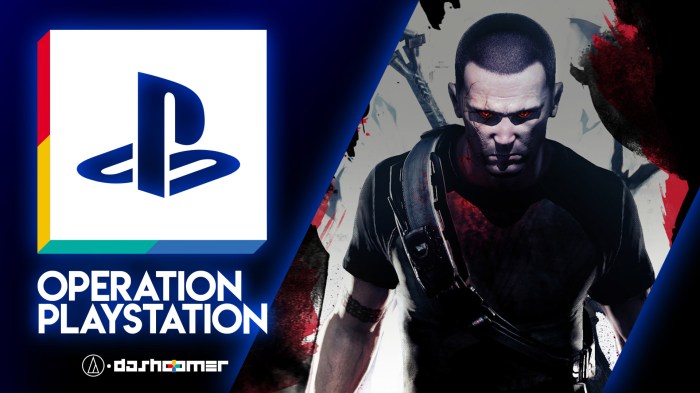
Sony’s foray into 7-Eleven convenience stores for PlayStation game distribution presents a fascinating case study in retail strategy. This unconventional approach raises several intriguing questions about consumer behavior and the future of game acquisition. The accessibility offered by this model, combined with the potential for impulse purchases, could significantly reshape how consumers engage with gaming.This new distribution channel directly impacts consumer convenience and potentially alters the dynamics of the gaming market.
By placing games in a readily accessible location, Sony aims to broaden the reach of its product, potentially attracting a wider audience. However, the success of this model hinges on understanding the potential benefits and drawbacks for consumers, comparing it to existing methods, and evaluating the challenges that might arise.
Potential Benefits for Consumers
The primary benefit of purchasing games at 7-Eleven is its unparalleled accessibility. Consumers, particularly those in densely populated areas or those without easy access to traditional retail stores, can now purchase games conveniently. This convenience factor is crucial, as it reduces the time and effort needed to acquire games, potentially increasing the overall demand. Further, 7-Eleven’s widespread presence in communities can drive greater awareness and adoption of PlayStation games.
Accessibility of the New Distribution Model
This new distribution model provides an unprecedented level of accessibility for consumers. Imagine a student grabbing a snack after school and simultaneously picking up a new game, or a commuter buying a game during a quick break. This accessibility could especially benefit younger audiences, who often prioritize convenience and readily available options. The widespread presence of 7-Eleven stores ensures that PlayStation games are readily available in diverse locations and communities.
Potential Drawbacks of Purchasing Games at 7-Eleven
While accessibility is a key advantage, there are potential drawbacks. Limited stock or availability of games at any given 7-Eleven location could be a significant hurdle. Consumers might find their desired game out of stock, leading to frustration and missed opportunities. Furthermore, the pricing strategy at 7-Eleven might not always be competitive with traditional retail stores or digital download options.
Comparison with Digital Downloads and Physical Stores
Comparing this model to digital downloads, the convenience of instant access and the elimination of storage space are significant advantages. However, physical copies offer a tangible ownership experience that many consumers value. Traditional retail stores provide a wider selection and potentially better deals. 7-Eleven, in this case, bridges the gap between these two models by providing physical copies in a highly accessible environment.
Potential Issues with Limited Stock or Availability
The limited stock at individual 7-Eleven locations presents a significant challenge. If a specific game is highly sought-after or if demand outstrips supply, consumers might encounter stock shortages. This could lead to disappointment and dissatisfaction, potentially harming the brand’s image. Careful inventory management and consistent supply chain coordination are crucial for mitigating this issue.
Potential for Impulse Purchases
The convenient placement of games within 7-Eleven stores significantly increases the potential for impulse purchases. The visibility of games alongside everyday items could trigger unplanned purchases, driving unexpected sales for Sony. This strategy might appeal to consumers who are looking for a quick and easy way to acquire a new game.
Consumer Reactions and Feedback
| Consumer Type | Potential Reaction | Feedback Example |
|---|---|---|
| Casual Gamer | Positive reaction to accessibility, impulse purchase potential. | “Great! I can grab a game while I grab my coffee.” |
| Hardcore Gamer | Mixed reaction, concerned about stock availability and pricing. | “I hope they have my desired title in stock. Pricing needs to be competitive.” |
| Budget-conscious Gamer | Positive reaction if pricing is competitive. | “Nice, but the price needs to be reasonable.” |
| Parents | Potential for increased engagement with gaming if easily accessible. | “This is a good option for my kids to try different games without a huge commitment.” |
Future Trends: Sony Puts Net Playstation Games In 7 Eleven
Sony’s foray into 7-Eleven for PlayStation game distribution is a bold move with potentially significant ripple effects across the gaming industry. This innovative approach opens doors to new partnerships, distribution channels, and consumer engagement strategies. Understanding the potential future impact requires analyzing various factors, including the evolution of retail partnerships, the gaming industry’s response, and the regulatory environment.
Potential Future Partnerships
Sony’s success with 7-Eleven hinges on the potential for similar partnerships with other retailers. This strategy could extend beyond physical retail spaces. Imagine collaborations with online retailers, mobile game distributors, or even entertainment complexes. Such collaborations could broaden the accessibility of PlayStation games, reaching a wider demographic and expanding the game library’s reach. For instance, a partnership with a major bookstore chain could offer physical copies of games alongside books, increasing cross-selling opportunities.
Impact on the Gaming Industry
This strategy could significantly reshape the gaming industry in the next five years. Increased accessibility through convenient retail locations could boost sales figures, particularly for casual gamers. It could also foster innovation in game distribution models. The proliferation of digital distribution has already revolutionized the industry, and this hybrid approach may see the resurgence of physical game sales.
A key element to watch will be how other game publishers respond and adapt to this changing landscape.
Adoption by Other Gaming Companies
The success of Sony’s strategy could incentivize other gaming companies to explore similar distribution models. This could lead to a more competitive landscape, potentially pushing down prices for games or creating new avenues for game promotion. For instance, Nintendo, with its strong focus on unique hardware and software, might explore similar retail partnerships to increase its reach and diversify its sales channels.
Other game developers could consider partnering with streaming services or mobile app stores to expand their audience.
Regulatory Considerations
Any significant shift in game distribution requires careful consideration of regulatory implications. Anti-trust concerns regarding monopolistic practices and market dominance could arise. Potential conflicts between intellectual property rights and retail agreements need to be addressed. For example, agreements with retailers could need clauses that prevent unauthorized re-selling of games at discounted rates. Clear legal frameworks are crucial for maintaining a fair and competitive marketplace.
Technological Advancements
Technological advancements could further enhance this distribution model. Improved logistics for managing game inventories across numerous retail locations are crucial. Innovative game delivery systems that reduce waiting times or provide seamless digital access to games within the retail environment could improve the consumer experience. The development of augmented reality (AR) or virtual reality (VR) technologies could offer enhanced in-store gaming experiences, potentially attracting more customers.
Future Scenarios for the Video Game Industry
| Scenario | Key Factors | Impact ||—|—|—|| Increased Competition | Diverse distribution models, new partnerships | More options for consumers, potentially lower prices || Retail-Focused Resurgence | Physical retail partnerships, hybrid models | Potential revitalization of physical game sales, new revenue streams || Digital Dominance | Continued growth of digital distribution | Continued dominance of digital platforms, potentially diminishing physical game sales || Hybrid Model Growth | Increased adoption of combined physical and digital distribution models | Increased sales for both physical and digital versions, optimized consumer experience |
End of Discussion
Sony’s decision to place PlayStation games in 7-Eleven stores presents a fascinating case study in retail innovation. The strategic implications for both companies are substantial, and the potential impact on the gaming market could be far-reaching. While this move may offer unique advantages, such as broader accessibility, potential challenges remain, including the need to adapt to a new distribution model and the complexities of managing inventory in a non-traditional retail environment.
The long-term success of this strategy will depend on various factors, including consumer reception, competitive responses, and the ability of both Sony and 7-Eleven to navigate the intricacies of this new venture.