Security leaks found at dozens of e commerce sites – Security leaks found at dozens of e-commerce sites are raising serious concerns about online shopping safety. This widespread issue highlights the vulnerability of sensitive consumer data and could significantly impact consumer trust in online retailers. Past breaches have shown how quickly such events can erode confidence and alter shopping habits. From compromised payment information to exposed personal details, the potential damage is substantial.
We’ll explore the various facets of this crisis, including the types of vulnerabilities exploited, the financial implications for businesses, and the potential legal and regulatory responses.
This article will analyze the various types of security vulnerabilities, examining how attackers exploit weaknesses in e-commerce systems. We will also delve into the financial repercussions for affected companies, exploring potential losses and long-term consequences. Further, the legal and regulatory landscape will be examined, discussing possible repercussions for affected platforms. Finally, we’ll offer practical mitigation strategies and best practices for enhancing security protocols and preventing future breaches.
Impact on Consumer Confidence
Recent security leaks affecting dozens of e-commerce platforms have raised concerns about the safety of online transactions. This erosion of trust can have far-reaching consequences, impacting not only individual shopping habits but also the overall health of the e-commerce industry. Consumers are increasingly wary of sharing sensitive information online, and this shift in perception necessitates a careful examination of the potential ramifications.E-commerce platforms face a significant challenge in rebuilding consumer confidence following security breaches.
The leaks can lead to a decline in online shopping activity as consumers become hesitant to provide personal data or complete transactions on compromised sites. This behavior shift is influenced by a number of factors, including the severity of the breach, the nature of the compromised data, and the perceived responsiveness of the affected platforms.
Potential Negative Effects on Consumer Trust
Consumer confidence in e-commerce platforms is a delicate balance, and security breaches can severely disrupt this equilibrium. Data breaches often result in a loss of trust, leading to a decrease in the number of transactions and a general reluctance to engage in online shopping. Consumers may be more likely to favor alternative, perceived safer, shopping methods, impacting revenue and profitability for e-commerce companies.
A lack of transparency and effective communication following a breach can further exacerbate negative perceptions.
Influence on Future Online Shopping Behavior
Security leaks can profoundly alter future online shopping behavior. Consumers may adopt more cautious approaches, like scrutinizing website security certificates and looking for verified payment gateways. They might also seek out platforms with a proven track record of security measures and robust data protection policies. A significant shift towards privacy-focused alternatives or a return to physical stores could also be observed.
Examples of Past Incidents
Several past security breaches have resulted in similar consumer reactions. For instance, the 2017 Equifax breach, impacting millions of consumers, resulted in a significant drop in credit card applications and a decline in consumer trust in credit reporting agencies. Similarly, numerous data breaches involving major retailers have led to similar anxieties about the security of personal information online.
The impact of these events often lingers, shaping future shopping choices and influencing overall consumer confidence.
Comparison of Security Breach Impacts
| Breach Type | Platform | Consumer Reaction | Duration of Impact |
|---|---|---|---|
| Payment Information Breach | Online Retail Giant | Significant drop in online purchases, increased use of alternative payment methods | 6-12 months |
| Account Credentials Breach | Online Travel Agency | Reduced bookings, increased concerns about account security | 3-6 months |
| Personal Information Breach | Social Media Platform | Reduced engagement, reluctance to share personal data | 12-18 months |
| Product Data Breach | E-commerce Marketplaces | Widespread skepticism about product authenticity, increased demand for verification | Variable, depending on the severity of the breach |
Types of Security Vulnerabilities

E-commerce sites, while offering convenience, often become targets for malicious actors exploiting various security vulnerabilities. Understanding these vulnerabilities is crucial for protecting sensitive data and maintaining consumer trust. These breaches can have devastating consequences, impacting not only financial losses but also reputation and customer loyalty. Knowing the types of attacks and the common weaknesses in security practices allows businesses to implement robust countermeasures.The increasing sophistication of cyberattacks necessitates a comprehensive understanding of the potential avenues for exploitation.
This includes not only the technical vulnerabilities but also weaknesses in security practices and procedures. Understanding these aspects allows businesses to strengthen their defenses and mitigate risks.
Injection Flaws
Injection flaws occur when untrusted data is sent to an interpreter as part of a command or query. Attackers can exploit these flaws to manipulate the interpreter, potentially gaining unauthorized access or altering data. SQL injection is a common example, where malicious SQL code is injected into a database query. Cross-site scripting (XSS) is another prevalent injection flaw where attackers inject malicious scripts into web pages viewed by other users.
Broken Authentication and Session Management
Weak authentication mechanisms and inadequate session management practices are frequent targets for attackers. Attackers can exploit vulnerabilities in login processes, password resets, or session tokens to impersonate legitimate users. Poorly implemented password policies, lack of multi-factor authentication, and easily guessable passwords significantly increase the risk. A compromised account can grant attackers access to sensitive information and functionalities.
Sensitive Data Exposure
Failure to protect sensitive data, such as credit card numbers, social security numbers, or personally identifiable information (PII), is a critical vulnerability. Insufficient encryption, inadequate access controls, and weak security protocols make data susceptible to breaches. Data breaches can lead to significant financial and reputational damage for the affected businesses.
XML External Entity (XXE) Injection
XXE vulnerabilities arise from improperly configured XML processors. Attackers can leverage XXE vulnerabilities to access local files, make external network requests, or launch denial-of-service attacks. This vulnerability can be exploited to gain unauthorized access to internal systems or to disrupt services.
Yikes, security leaks at dozens of e-commerce sites are a serious concern. It’s a reminder to always double-check your online security practices. Fortunately, Dell is stepping up its game with new PCs offering high-speed internet connectivity, like dell offers high speed internet with new pcs. This tech advancement, however, doesn’t negate the ongoing need for vigilance in protecting our online data from potential breaches.
Insecure Deserialization
Insecure deserialization occurs when untrusted data is deserialized without proper validation or security measures. Attackers can exploit this vulnerability to execute arbitrary code, potentially leading to remote code execution (RCE) attacks. This flaw often goes unnoticed in legacy systems or poorly maintained applications.
Cross-Site Request Forgery (CSRF)
CSRF attacks trick users into performing unwanted actions on a web application in which they are currently authenticated. Attackers exploit this vulnerability by crafting malicious requests that are automatically submitted by the victim’s browser. This can lead to unauthorized data modification or account takeover.
Insufficient Logging and Monitoring
Lack of comprehensive logging and monitoring mechanisms hinders the ability to detect and respond to security incidents. Without adequate logs and monitoring tools, attackers can remain undetected for extended periods. Limited visibility into system activities makes it difficult to pinpoint vulnerabilities and breaches.
Vulnerabilities in External Dependencies
Applications frequently rely on external libraries or components. Security vulnerabilities in these external dependencies can expose the entire application to risks. Outdated or vulnerable libraries can be exploited by attackers, leading to compromised systems.
Security Misconfiguration
Incorrectly configured security settings, including default accounts, permissions, or firewalls, can expose applications to attacks. Improperly configured web servers, databases, or other systems can allow unauthorized access. Often, these configurations are overlooked during deployment or maintenance.
Command Injection
Command injection occurs when untrusted data is used to construct commands that are executed by the underlying operating system. This vulnerability allows attackers to execute arbitrary commands, leading to system compromise. Attackers can use this to gain control of the server or access sensitive data.
| Vulnerability Type | Description | Example | Mitigation Strategies |
|---|---|---|---|
| Injection Flaws | Untrusted data used in commands or queries | SQL Injection, XSS | Input validation, parameterized queries, output encoding |
| Broken Authentication | Weak authentication mechanisms | Password reuse, lack of MFA | Strong passwords, MFA, robust authentication protocols |
| Sensitive Data Exposure | Failure to protect sensitive data | Unencrypted data in transit, insecure storage | Encryption, access controls, data masking |
| XXE Injection | Improperly configured XML processors | Accessing local files, network requests | XML input validation, disable external entities |
Financial Implications
E-commerce platforms face significant financial risks when security breaches occur. Beyond the immediate reputational damage, these incidents often result in substantial financial losses. These losses can manifest in various ways, including direct costs of remediation, lost revenue, and potential legal liabilities. Understanding these financial implications is crucial for both companies and consumers to assess the true cost of these vulnerabilities.
Direct Costs of Remediation
The immediate financial impact of a security breach often revolves around the costs of fixing the issue. This includes expenses like hiring cybersecurity experts to investigate the breach, implementing enhanced security measures to prevent future incidents, and potentially notifying affected customers. The complexity of the breach, the scale of the affected data, and the required security upgrades all contribute to these direct costs.
For example, a breach affecting customer credit card information might necessitate replacing compromised cards, while a breach exposing sensitive personal data might require extensive data anonymization and remediation. Companies need to factor in the costs of these necessary measures in their risk assessment and mitigation strategies.
Lost Revenue and Reduced Customer Confidence
Beyond the immediate remediation costs, a security breach can severely impact a company’s revenue. Reduced customer confidence, fear of future breaches, and a decline in online transactions can significantly decrease sales. For instance, if a major retailer experiences a data breach, customers might hesitate to shop on their platform, opting for competitors. This loss of consumer trust translates directly into a decrease in revenue and profits.
Companies often struggle to regain customer trust after a breach, and this loss of loyalty can be long-lasting.
Potential Legal Liabilities
Security breaches can expose e-commerce companies to significant legal liabilities. Depending on the nature of the breach and the jurisdiction, fines, legal settlements, and lawsuits from affected customers are potential outcomes. Companies may be required to compensate individuals for damages resulting from identity theft, financial losses, or emotional distress. The legal ramifications of a breach can extend far beyond the initial costs of remediation.
A notable example is the case of Target in 2013, which faced significant legal costs and a substantial loss in reputation after a major data breach.
So, dozens of e-commerce sites are reporting security breaches. This isn’t surprising, considering the frequency of these types of attacks. Meanwhile, Microsoft is facing a class action suit, potentially related to the vulnerabilities exploited in these breaches. This could lead to significant financial repercussions for the company, which could also have a cascading effect on the security practices of other e-commerce sites.
The ongoing security leaks found at dozens of e-commerce sites highlight the urgent need for improved cybersecurity measures across the board. microsoft to face class action suit
Table of Potential Financial Costs of a Security Breach
| Breach Cost | Category of Loss | Mitigation Strategy |
|---|---|---|
| $100,000 – $1,000,000 | Customer data breach (e.g., credit card numbers, addresses, email addresses); compromised systems; temporary downtime | Robust security protocols, data encryption, incident response plan, data backup and recovery |
| $1,000,000 – $10,000,000 | Extensive customer data breach; significant system damage; loss of critical business data; legal action | Comprehensive security audits, penetration testing, incident response team, business continuity plan |
| Over $10,000,000 | Major data breach impacting critical systems; significant regulatory fines; loss of customer trust and confidence; permanent system damage; major disruption of business operations | Proactive security measures, regular vulnerability assessments, dedicated security team, robust disaster recovery planning |
Legal and Regulatory Responses: Security Leaks Found At Dozens Of E Commerce Sites
E-commerce platforms facing security breaches face a complex web of legal and regulatory scrutiny. The fallout can extend far beyond the immediate technical fix, impacting their reputation, finances, and even their continued operation. Understanding the potential legal landscape is crucial for both businesses and consumers.
Potential Legal Repercussions for Affected Platforms
The legal repercussions for e-commerce platforms experiencing security breaches can be substantial. These breaches can lead to lawsuits from affected consumers, regulatory investigations, and potentially hefty fines. Breaches expose companies to potential liability for damages, including financial losses, emotional distress, and reputational harm. Depending on the severity of the breach and the jurisdiction, criminal charges could also be brought against individuals or organizations involved in the security lapse.
Existing Regulations and Laws Related to Data Security
Numerous regulations and laws worldwide address data security and privacy. These vary considerably in their scope and enforcement mechanisms. Examples include the General Data Protection Regulation (GDPR) in Europe, the California Consumer Privacy Act (CCPA) in the US, and similar legislation in other regions. These regulations often mandate specific security measures, establish rights for data subjects, and Artikel penalties for non-compliance.
They are designed to safeguard consumer data and hold organizations accountable for its protection.
Likely Regulatory Actions That Could Follow
Regulatory bodies will likely investigate security breaches to assess compliance with existing data security regulations. This might involve audits of the company’s security practices, interviews with personnel, and the review of incident response procedures. The severity of the breach and the company’s demonstrated commitment to data security will influence the regulatory response. If significant shortcomings are found, regulatory actions could range from warnings and fines to the imposition of stricter compliance requirements or even legal action.
The GDPR, for example, empowers regulators to levy significant penalties for non-compliance.
Potential Legal Actions and Penalties
| Breach | Legal Action | Penalty | Responsible Body |
|---|---|---|---|
| Unauthorized access to customer credit card information | Class action lawsuit, regulatory investigation | Millions of dollars in fines, injunctions, consumer restitution | State Attorneys General, Federal Trade Commission (FTC) |
| Failure to implement adequate security measures | Regulatory investigation, injunctions, civil penalties | Significant financial penalties, mandatory security upgrades | Data protection authorities, sector-specific regulatory bodies |
| Violation of data breach notification laws | Civil penalties, fines, mandatory corrective actions | Variable fines, depending on the jurisdiction and the severity of the violation | State Attorneys General, data protection authorities |
| Malicious hacking | Criminal charges, civil lawsuits | Significant fines, imprisonment | Local law enforcement, Federal agencies (e.g., FBI) |
Technical Analysis of Breaches
E-commerce platforms are increasingly sophisticated targets for cybercriminals, and understanding the technical intricacies of these breaches is crucial for mitigating future risks. The vulnerabilities exploited often leverage known weaknesses in software, infrastructure, and security protocols, frequently exploited through well-known attack vectors. This analysis delves into the specific methods attackers use, and provides insight into the potential vulnerabilities exploited in the recent string of e-commerce site breaches.The security vulnerabilities discovered in these e-commerce breaches are often rooted in a combination of factors, from insecure coding practices in web applications to outdated software libraries.
The recent security leaks at dozens of e-commerce sites highlight the crucial need for robust security measures when setting up shop in cyberspace. Protecting customer data is paramount, and understanding the complexities of online security is essential for anyone venturing into the digital marketplace. This requires careful consideration of every step in the process, from selecting reliable payment gateways to implementing strong encryption protocols.
A deeper dive into the intricacies of online commerce can be found in my previous post on setting up shop in cyberspace. Ultimately, these leaks serve as a stark reminder of the ongoing threat to online businesses, emphasizing the continuous need for vigilance and proactive security measures.
Attackers frequently exploit these vulnerabilities to gain unauthorized access, potentially leading to significant data breaches. This analysis will provide a breakdown of common attack vectors, highlighting the methods used by attackers to exploit these weaknesses.
SQL Injection
SQL injection vulnerabilities arise when attackers inject malicious SQL code into input fields, manipulating database queries. This can lead to unauthorized data retrieval, modification, or deletion. A common scenario involves attackers inputting specially crafted strings into a login form, which, if not properly sanitized, can alter the database query to bypass authentication checks.
Cross-Site Scripting (XSS)
Cross-site scripting (XSS) attacks involve injecting malicious scripts into web pages viewed by other users. Attackers leverage vulnerabilities in web applications to inject scripts that execute within the victim’s browser, potentially stealing cookies, session tokens, or redirecting users to malicious websites. For instance, attackers might inject JavaScript code into a comment section on a product page, which, when executed by other users, could steal their login credentials.
Cross-Site Request Forgery (CSRF)
Cross-site request forgery (CSRF) attacks trick users into performing unwanted actions on a web application in which they’re currently authenticated. Attackers create malicious web pages or links that, when clicked, execute unauthorized requests on behalf of the victim. For example, a malicious link could be disguised as a harmless promotional email, tricking the user into making a fraudulent purchase or changing their account settings.
Broken Authentication and Session Management
Vulnerabilities in authentication and session management mechanisms allow attackers to compromise user accounts and gain unauthorized access to sensitive data. Weak password policies, ineffective session token management, or improperly secured login pages are common vulnerabilities exploited. This often involves attackers exploiting predictable or easily guessed passwords, or hijacking active user sessions by guessing or exploiting weak session tokens.
Malicious Code/Malware
The infiltration of malicious code or malware, often hidden within seemingly harmless files or software, is another significant attack vector. This can compromise server systems and gain unauthorized access to sensitive data, often leading to further attacks or the spread of malware. Attackers often use social engineering tactics to trick users into downloading malicious attachments or clicking on infected links.
Table: Common Attack Vectors, Security leaks found at dozens of e commerce sites
| Attack Vector | Description | Vulnerability Exploited | Countermeasures |
|---|---|---|---|
| SQL Injection | Injecting malicious SQL code into input fields. | Improper input validation and sanitization in database interactions. | Parameterization of database queries, input validation, and stored procedures. |
| XSS | Injecting malicious scripts into web pages. | Lack of output encoding or sanitization in web applications. | Output encoding, input validation, and Content Security Policy (CSP). |
| CSRF | Tricking users into performing unwanted actions. | Lack of proper protection against CSRF attacks in web applications. | CSRF tokens, double-submit cookie, and proper use of HTTP methods. |
| Broken Authentication | Compromising user accounts. | Weak password policies, insecure session management. | Strong password requirements, secure session management, and two-factor authentication. |
| Malicious Code/Malware | Infiltration of malicious code. | Lack of security controls for file uploads, downloads, or code execution. | File type validation, code signing, and regular security audits. |
Mitigation Strategies and Prevention
E-commerce platforms face a constant threat of security breaches, and the consequences can be devastating. Understanding and implementing robust mitigation strategies is crucial for protecting sensitive customer data and maintaining trust. A proactive approach, rather than a reactive one, is essential to prevent future leaks and minimize financial and reputational damage.
Strengthening Authentication and Authorization
Robust authentication mechanisms are fundamental to preventing unauthorized access. Multi-factor authentication (MFA) adds a layer of security by requiring users to provide multiple forms of verification, such as a password and a one-time code sent to their mobile device. This significantly reduces the risk of account compromise, even if a password is leaked. Implementing strong password policies, including enforcing complexity requirements and regular password updates, is also vital.
Secure Data Encryption
Data encryption, particularly for sensitive information like credit card numbers and personal details, is paramount. Employing end-to-end encryption, which protects data both in transit and at rest, safeguards information from unauthorized access and tampering. This encryption should be applied to all customer data, regardless of storage location. Furthermore, encryption keys should be managed securely to prevent unauthorized decryption.
Vulnerability Management and Penetration Testing
Regular vulnerability assessments and penetration testing are essential to identify and address potential weaknesses in systems. These tests simulate real-world attacks to expose vulnerabilities before malicious actors exploit them. The results of these tests should be analyzed thoroughly, and remediation plans developed and implemented promptly.
Secure Development Practices
Integrating security into the software development lifecycle (SDLC) is crucial. This involves incorporating security considerations throughout the entire development process, from design to deployment. Security training for developers is essential to ensure they understand and implement secure coding practices. This proactive approach minimizes vulnerabilities inherent in the code.
Network Security Enhancements
Implementing robust network security measures, including firewalls, intrusion detection systems, and access controls, is critical. These measures create a barrier against external threats, protecting the network infrastructure from unauthorized access and attacks. Regular security audits and updates to network security protocols are also important to ensure continuous protection.
Incident Response Planning
Developing a comprehensive incident response plan is vital for handling security breaches effectively. This plan should Artikel the procedures for detecting, containing, and recovering from security incidents. A well-defined incident response plan will minimize the impact of a breach and help restore trust with customers.
Regular Security Audits and Updates
Regular security audits and software updates are crucial for maintaining a strong security posture. Regular audits help identify vulnerabilities and weaknesses in systems, and updates patch known vulnerabilities to prevent exploitation. This ongoing effort ensures that systems are up-to-date with the latest security measures and protections.
Table of Security Recommendations
| Recommendation | Description | Impact | Implementation |
|---|---|---|---|
| Multi-factor Authentication (MFA) | Requiring multiple forms of authentication (e.g., password, one-time code) | Increased security, reduced account compromise risk | Implement MFA for all user accounts, especially administrator accounts. |
| Data Encryption | Protecting sensitive data using encryption | Confidentiality and integrity of data | Implement end-to-end encryption for all customer data, including during transit and storage. |
| Vulnerability Scanning | Identifying and mitigating vulnerabilities | Proactive security posture | Schedule regular vulnerability scans and penetration tests, and prioritize remediation efforts. |
| Secure Development Practices | Integrating security into the software development lifecycle | Minimized vulnerabilities in code | Train developers on secure coding practices and incorporate security testing throughout the development process. |
Industry Response and Recommendations
The repeated security breaches at e-commerce sites highlight a critical need for a unified and proactive industry response. Companies are not operating in a vacuum; their security posture is directly intertwined with the overall health of the digital ecosystem. This necessitates collaborative efforts to identify vulnerabilities, share best practices, and ultimately, prevent future leaks.The industry’s response to these recurring breaches is multifaceted, encompassing a range of initiatives from individual company actions to industry-wide recommendations.
This includes not only technical fixes but also a shift in the overall security culture within the e-commerce sector.
Industry Body Recommendations
The e-commerce sector relies on several industry bodies to establish standards and best practices. These bodies play a critical role in guiding companies towards a more secure future. The Payment Card Industry Data Security Standard (PCI DSS), for instance, sets stringent requirements for handling payment information, demanding regular security assessments and adherence to established protocols. Other industry groups, like the National Institute of Standards and Technology (NIST), provide guidelines and frameworks for developing robust security measures across various sectors, including e-commerce.
These organizations publish regular updates and recommendations to reflect evolving threats and technologies.
Industry-Wide Best Practices
Several best practices can help prevent future security breaches in the e-commerce industry. These practices are essential for mitigating risks and bolstering the overall security posture of online businesses.
- Proactive Vulnerability Assessments: Regular penetration testing and vulnerability assessments are crucial. These assessments identify potential weaknesses in systems before malicious actors can exploit them. For instance, companies should routinely conduct security audits to pinpoint vulnerabilities in their software and infrastructure.
- Multi-Factor Authentication (MFA): Implementing MFA is a critical security measure to add an extra layer of protection beyond simple passwords. This approach makes it significantly harder for attackers to gain unauthorized access, even if they manage to compromise a password. Many major e-commerce platforms are now actively enforcing MFA policies for all users.
- Secure Coding Practices: Developing secure software from the ground up is paramount. Companies must incorporate security considerations throughout the software development lifecycle (SDLC). This includes training developers on secure coding techniques and employing automated security tools to identify and fix vulnerabilities during development. An example would be the use of static analysis tools to detect potential vulnerabilities in code.
- Strong Data Encryption: All sensitive data, especially payment information, should be encrypted both in transit and at rest. This practice ensures that even if attackers gain access to the data, it remains unreadable. Implementing encryption protocols is a fundamental requirement for e-commerce platforms handling financial transactions.
Hypothetical Industry-Wide Security Awareness Program
A comprehensive security awareness program would significantly enhance the industry’s collective resilience against attacks. This program would focus on education, training, and proactive engagement.
- Employee Training Modules: A robust training program would equip employees at all levels with the knowledge and skills needed to recognize and respond to potential security threats. These modules would cover topics such as phishing scams, social engineering tactics, and best practices for password management.
- Regular Security Updates: Providing ongoing updates on emerging threats and vulnerabilities would help keep employees informed and prepared for evolving attack vectors. This could involve webinars, newsletters, or internal security bulletins.
- Simulated Phishing Exercises: Conducting simulated phishing attacks can identify employees who are vulnerable to these types of attacks. These exercises provide valuable feedback and allow companies to reinforce their security awareness training. Results from these exercises could inform adjustments to the program.
- Security Champion Program: Identifying and fostering a network of security champions within each company can empower individuals to champion security best practices and encourage others to adopt secure behaviors. This internal network would provide support and encourage peer-to-peer learning.
Impact on Customer Data
E-commerce sites, a cornerstone of modern commerce, are increasingly vulnerable to cyberattacks. These breaches often expose sensitive customer data, leading to significant financial and reputational damage. Understanding the types of data compromised, their value, and the resulting impact on trust is crucial for both consumers and businesses.The digital age has made customer data a valuable asset, but also a tempting target.
Hackers can exploit vulnerabilities in systems to steal personal information, financial details, and even sensitive personal documents, thereby severely impacting individuals and businesses. This exposure often results in financial losses, identity theft, and eroded trust in the e-commerce platform.
Types of Customer Data Potentially Compromised
Customer data encompasses a wide range of information, including personally identifiable information (PII), financial data, and transactional details. The scope of potential compromise can range from basic contact information to more sensitive details like credit card numbers, social security numbers, and medical records (if stored). The value of this data varies, with some information being highly sought after by cybercriminals for financial gain or identity theft.
Sensitivity and Value of Compromised Data
The sensitivity and value of compromised data directly correlates with its potential for harm. Personal information, such as names, addresses, and email addresses, while seemingly innocuous, can be used to build a profile of a person, facilitating targeted phishing attacks or identity theft. Financial data, including credit card numbers and bank account details, represents a significant monetary value and can be used for fraudulent transactions.
Sensitive data like medical records or government-issued identification documents can have severe consequences for individuals.
Examples of Data Breaches Impacting Customer Trust
Numerous high-profile data breaches have eroded customer trust in e-commerce platforms. Cases like the Target breach, where millions of credit card numbers were stolen, demonstrate the devastating impact on customer confidence and the long-term consequences for businesses. These incidents underscore the importance of robust security measures to protect customer data and maintain trust. The fallout from these incidents includes not only financial losses for victims but also reputational damage for the affected companies.
Table Illustrating Data Types, Description, Impact, and Protection Strategies
| Data Type | Description | Impact | Protection Strategies |
|---|---|---|---|
| Personally Identifiable Information (PII) | Name, address, phone number, email address, date of birth | Identity theft, fraud, targeted attacks | Strong passwords, multi-factor authentication, data encryption, regular security audits |
| Financial Data | Credit card numbers, bank account details, payment information | Financial losses, fraudulent transactions, account compromise | Secure payment gateways, tokenization, data encryption, regular security audits |
| Transactional Data | Purchase history, order details, shipping information | Targeted phishing, account compromise, potential for fraud | Data encryption, secure storage, access controls, regular security audits |
| Sensitive Data | Medical records, government IDs, financial statements | Severe financial loss, identity theft, potential for legal ramifications | Data encryption, secure storage, access controls, restricted access levels, regular security audits |
Last Point
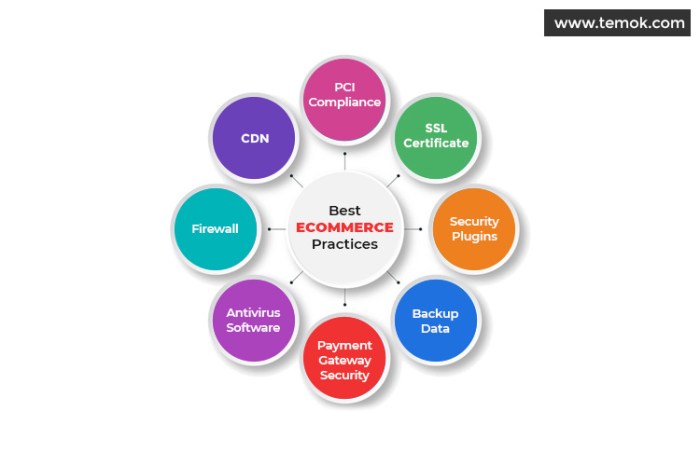
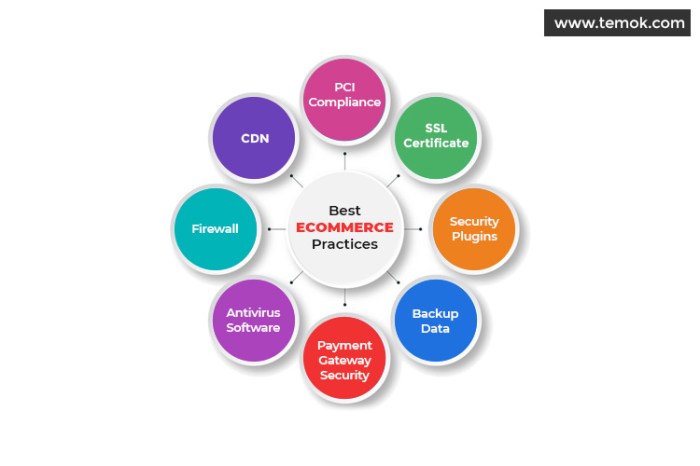
The widespread security leaks found at dozens of e-commerce sites underscore the critical need for robust security measures in the digital age. The potential for financial loss, legal ramifications, and eroded consumer trust is substantial. Implementing strong security protocols, adopting industry best practices, and fostering a culture of security awareness are essential to mitigating future risks and safeguarding sensitive customer data.
Consumers should also be vigilant and proactive in protecting their own information. This comprehensive analysis offers valuable insights for both businesses and consumers navigating the complex landscape of online commerce.