
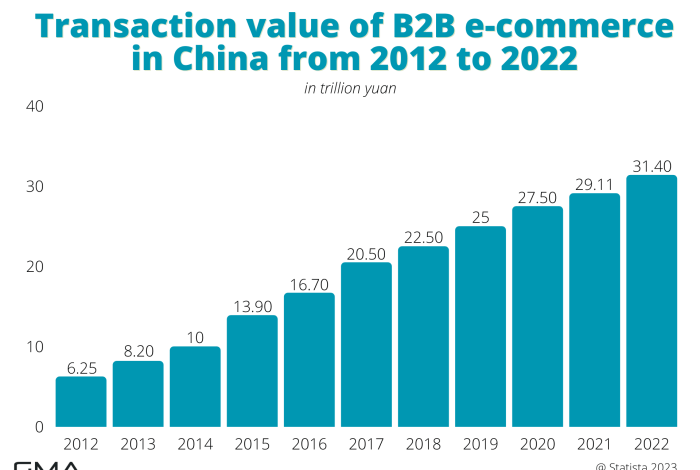
Report wireless b2b e commerce developing in china – Report: Wireless B2B e-commerce developing in China sets the stage for this enthralling narrative, offering readers a glimpse into a dynamic market. This report dives deep into the rapidly evolving landscape of wireless B2B e-commerce in China, exploring market trends, technological advancements, regulatory hurdles, customer behavior, and the future outlook for this sector. From the bustling marketplaces to the innovative technologies driving growth, we’ll uncover the key factors shaping this exciting frontier of commerce.
The report explores the current state of wireless B2B e-commerce in China, highlighting key market segments such as enterprise and retail solutions. It analyzes the impact of technological advancements like cloud computing, big data, and AI, and examines the competitive dynamics within the industry. Furthermore, it delves into the regulatory landscape, customer behavior, and the future projections for this sector.
The report concludes with an overview of potential opportunities and challenges for businesses operating in this market.
Market Overview
Wireless B2B e-commerce in China is experiencing robust growth, driven by the increasing adoption of mobile devices and the rising demand for efficient and convenient business transactions. This sector is rapidly evolving, transforming how businesses purchase and manage wireless products and services. The market presents substantial opportunities for both established players and new entrants, but also intense competition and challenges in navigating the complexities of the Chinese market.The burgeoning digital economy in China, coupled with the country’s extensive mobile infrastructure, fuels the demand for wireless B2B e-commerce solutions.
Businesses across various sectors are seeking streamlined procurement processes and enhanced communication channels, which the platform providers are fulfilling.
Key Market Trends and Growth Drivers
The wireless B2B e-commerce market in China is being propelled by several key trends. These include the increasing adoption of cloud-based solutions, the growing preference for mobile-first platforms, and the rising demand for personalized services tailored to specific industry needs. Businesses are increasingly looking for solutions that provide real-time data, inventory management tools, and secure payment options. This trend is expected to continue, driving further growth in the sector.
Major Players and Market Shares
Several prominent players dominate the wireless B2B e-commerce landscape in China. These include established online marketplaces and specialized platforms focused on specific wireless product categories. Precise market share data is difficult to obtain, but key players are actively vying for market leadership by offering competitive pricing, comprehensive product portfolios, and advanced logistics. Examples of major players include Alibaba’s business-to-business platform, alongside several smaller specialized providers, who cater to particular industries or product types.
Competitive Dynamics
Competition in the wireless B2B e-commerce sector is intense. Players are competing on various fronts, including pricing, product offerings, customer service, and technological capabilities. The competitive landscape is marked by a mix of established players with significant resources and newer entrants seeking to disrupt the market. Successful players in this sector understand the critical need to adapt quickly to evolving market demands and technological advancements.
Strategic partnerships and acquisitions are likely to become increasingly important to gain a competitive edge.
Market Segmentation
This table Artikels the key market segments within the wireless B2B e-commerce sector in China. It highlights the diversity of businesses leveraging these platforms and the varied needs within each segment.
| Segment | Description | Market Size (estimated) | Growth Rate (estimated) |
|---|---|---|---|
| Enterprise Solutions | Platforms catering to large corporations requiring bulk purchases, customized solutions, and robust supply chain management tools. | $XX Billion (estimate) | XX% (estimate) |
| Retail Solutions | Platforms designed for retailers to source wireless products and services efficiently, often with features like inventory management and real-time tracking. | $YY Billion (estimate) | YY% (estimate) |
| Government Procurement | Platforms facilitating procurement of wireless solutions for government agencies and public institutions. | $ZZ Billion (estimate) | ZZ% (estimate) |
| SME Solutions | Platforms specifically designed for small and medium-sized enterprises (SMEs) to access wireless products and services, often with simplified pricing and features. | $AA Billion (estimate) | AA% (estimate) |
Technological Advancements
The wireless B2B e-commerce landscape in China is rapidly evolving, driven by significant technological advancements. These innovations are reshaping how businesses operate, communicate, and conduct transactions. From enhanced security protocols to sophisticated AI-powered tools, the sector is benefiting from cutting-edge technology.The adoption of cloud computing, big data analytics, and AI is transforming the efficiency and effectiveness of wireless B2B e-commerce platforms.
These technologies are enabling platforms to offer more personalized experiences, improve logistics, and enhance security. The impact on various businesses varies depending on their size, industry, and existing technological infrastructure.
Cloud Computing in Wireless B2B E-commerce
Cloud computing is becoming increasingly crucial for wireless B2B e-commerce platforms in China. Its scalability and flexibility allow platforms to handle fluctuating demands and accommodate the growing volume of transactions. This scalability is particularly important for handling surges in activity during peak seasons or promotional periods. Businesses are leveraging cloud-based solutions for various aspects of their operations, from storing and managing product data to processing payments and handling customer support.
China’s wireless B2B e-commerce sector is booming, with reports showing significant growth. This aligns nicely with the recent news of Amazon’s massive growth and equally massive losses, amazon com reports big growth big losses. While Amazon’s struggles highlight the challenges in global e-commerce, the developing Chinese market still offers substantial opportunities for companies looking to capitalize on the trend.
Big Data Analytics in the Wireless B2B E-commerce Sector
Big data analytics plays a significant role in optimizing business strategies and improving customer experiences. By analyzing vast amounts of data from various sources, including transaction history, customer preferences, and market trends, wireless B2B e-commerce platforms can gain valuable insights. These insights can be used to personalize product recommendations, tailor marketing campaigns, and improve logistics. This data-driven approach allows for a more dynamic and responsive approach to market fluctuations and changing customer demands.
AI Integration in Wireless B2B E-commerce
AI is revolutionizing customer service and operations within wireless B2B e-commerce platforms. AI-powered chatbots are becoming increasingly sophisticated, capable of handling a wide range of customer inquiries and requests, improving response times and reducing operational costs. Predictive analytics, another application of AI, allows platforms to anticipate future trends and adjust their strategies accordingly. This proactive approach is key to staying ahead of the curve and maintaining a competitive edge in the market.
Adoption Rates of Technologies by Businesses
The adoption rate of these technologies varies considerably among businesses. Larger enterprises, with established IT infrastructure, are generally more adept at integrating cloud computing, big data analytics, and AI into their operations. Smaller businesses, however, often face challenges in adopting these technologies due to budgetary constraints and a lack of expertise. However, a growing number of startups are developing cloud-based solutions tailored to the specific needs of smaller businesses, thus bridging the gap.
China’s wireless B2B e-commerce sector is booming, with reports highlighting significant growth. This rapid expansion is fascinating, but it’s also interesting to compare it to the recent news about Amazon’s financial performance, which saw a rise in revenue but also increased losses. amazon reports rise in revenues and losses This juxtaposition raises questions about the overall health of the global e-commerce landscape and how these trends might impact the Chinese market’s future.
Regardless, the development of wireless B2B e-commerce in China continues to be a compelling area of study.
Comparison of Technological Capabilities of Market Players
Different wireless B2B e-commerce platforms in China demonstrate varying degrees of technological sophistication. Some platforms excel in cloud computing infrastructure, while others are more advanced in big data analytics or AI integration. The overall technological capability of a platform often correlates with its market position and the specific needs of its target customer base.
Recent reports highlight the booming wireless B2B e-commerce sector in China. This growth is fascinating, especially considering how companies like Ubid are innovating in the business-to-business space. Ubid forms business auction alliance to potentially further drive this trend, and potentially influence the entire landscape of e-commerce auctions. This certainly suggests a dynamic and evolving marketplace, which further fuels the exciting developments within China’s wireless B2B e-commerce sector.
| Platform | Cloud Computing | Big Data Analytics | AI Integration |
|---|---|---|---|
| Platform A | Highly scalable, diverse cloud options | Advanced algorithms for predictive analysis | Sophisticated chatbots, personalized recommendations |
| Platform B | Robust cloud infrastructure, focus on security | Comprehensive data visualization tools | Basic AI-powered customer support |
| Platform C | Cost-effective cloud solutions | Real-time data processing for quick insights | AI-driven inventory management |
Regulatory Landscape
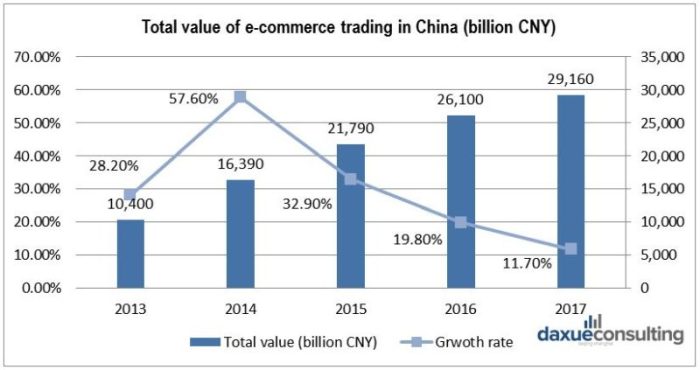
The Chinese government’s approach to regulating B2B e-commerce, especially in the wireless sector, is complex and constantly evolving. Navigating this landscape is crucial for businesses aiming to establish or expand their operations in this market. Regulations are often tailored to specific industry needs and technological advancements, making it essential for businesses to stay informed and adapt their strategies accordingly.The regulatory environment for wireless B2B e-commerce in China is characterized by a blend of national policies, sector-specific rules, and local interpretations.
These policies aim to foster innovation, promote market competition, and ensure consumer protection. However, the sheer volume and complexity of regulations can create hurdles for foreign businesses, especially in areas where interpretation or enforcement are not clear-cut.
Government Policies and Initiatives
Chinese authorities have implemented various policies aimed at fostering innovation and development within the wireless B2B e-commerce sector. These policies frequently emphasize digitalization, technological advancements, and the promotion of domestic companies. For instance, initiatives focused on promoting 5G infrastructure and digital transformation often indirectly support the growth of wireless B2B e-commerce platforms. Furthermore, national strategies for industrial upgrading frequently include provisions that indirectly impact the development of the wireless sector.
Legal and Compliance Requirements
Operating a wireless B2B e-commerce business in China demands adherence to numerous legal and compliance requirements. These include but are not limited to: data privacy regulations (like the Cybersecurity Law), intellectual property rights protections, and consumer protection laws. Foreign companies, particularly, must be meticulous in ensuring compliance with these regulations, often requiring expert legal counsel to navigate the intricacies of local laws.
Penalties for non-compliance can be significant, ranging from fines to suspension of operations.
Potential Risks and Challenges
Businesses operating in the Chinese wireless B2B e-commerce market face several risks stemming from the regulatory environment. The constant evolution of policies and the potential for varying interpretations by different regulatory bodies can lead to uncertainty and operational challenges. The implementation of new regulations, or changes to existing ones, can also lead to significant disruptions for companies unprepared for such adjustments.
Furthermore, the complexities of the legal system and the potential for differing enforcement across regions can lead to operational difficulties and potential conflicts.
Key Regulations and Policies
| Regulation/Policy | Description | Impact on Businesses |
|---|---|---|
| Cybersecurity Law | Mandates data security and protection for online transactions. | Requires businesses to implement robust data security measures and comply with data privacy standards. |
| Consumer Protection Law | Artikels consumer rights and responsibilities in online transactions. | Businesses need to ensure fair practices, clear terms of service, and effective dispute resolution mechanisms. |
| Anti-Monopoly Law | Aims to prevent monopolies and maintain fair competition in the market. | Businesses need to avoid practices that could lead to anti-competitive behavior. |
| Intellectual Property Law | Protects intellectual property rights, including patents and trademarks. | Companies need to secure and protect their intellectual property and ensure that their operations do not infringe on the intellectual property rights of others. |
| Regulations on Cross-border E-commerce | Specify rules and procedures for international transactions. | Companies engaging in cross-border trade need to comply with specific regulations concerning cross-border data transfer and payments. |
Customer Behaviour and Preferences
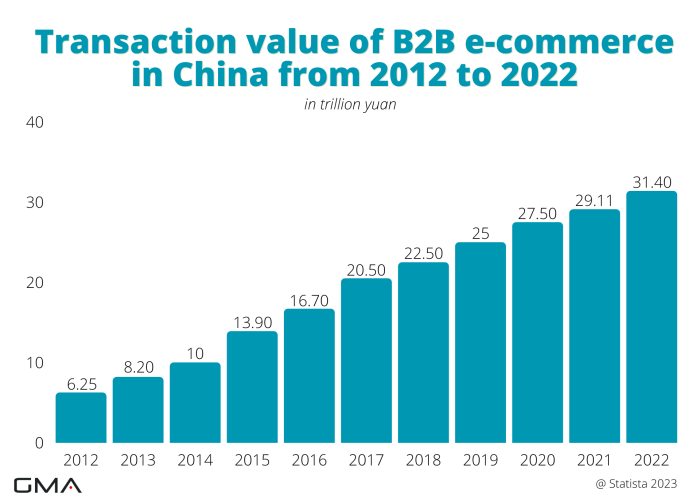
Navigating the intricacies of B2B e-commerce requires a deep understanding of customer behavior. In the wireless B2B sector, understanding the motivations and preferences of businesses purchasing equipment is crucial for tailoring marketing strategies and product development. This section delves into the key factors influencing purchasing decisions, highlighting evolving preferences across different customer segments.Businesses in the wireless B2B e-commerce market are driven by a complex interplay of factors, moving beyond simple price comparisons.
The selection process is often influenced by a combination of technical specifications, vendor reputation, service agreements, and projected return on investment (ROI). This multifaceted approach necessitates a nuanced understanding of the various customer segments and their specific requirements.
Factors Influencing Purchasing Decisions
Understanding the drivers behind purchasing decisions is paramount for success in the wireless B2B e-commerce landscape. These decisions are seldom based on a single factor, but rather a convergence of priorities that are crucial to the success of a business’s operations.
| Factor | Description | Significance |
|---|---|---|
| Technical Specifications | Businesses prioritize specific technical features like bandwidth, range, security protocols, and compatibility with existing infrastructure. | Crucial for ensuring seamless integration and optimal performance. |
| Vendor Reputation and Reliability | A strong track record of service, support, and product quality is paramount. Past performance and references are often highly valued. | Builds trust and confidence in the vendor’s ability to deliver. |
| Pricing and Cost Models | Pricing structures, including volume discounts, subscription models, and lifecycle costs, heavily influence the purchasing decisions. | Cost-effectiveness is a major consideration in business decisions. |
| Service Level Agreements (SLAs) | Businesses seek clear and comprehensive SLAs that address uptime guarantees, maintenance protocols, and support response times. | Ensures a dependable service offering that minimizes disruptions to operations. |
| Return on Investment (ROI) Projections | Businesses assess the long-term value proposition and expected return on investment when evaluating different solutions. | Demonstrates the value proposition and justifies the cost of the purchase. |
| Integration with Existing Infrastructure | Seamless integration with existing networks and systems is crucial. The ability to minimize disruptions during implementation is a critical concern. | Reduces implementation time and complexity. |
Evolving Customer Preferences
Customer preferences in the wireless B2B e-commerce market are dynamic and constantly evolving. Technological advancements and changing business needs are driving these shifts.The growing adoption of cloud-based solutions and software-defined networking (SDN) is prompting businesses to prioritize flexible and scalable wireless infrastructure. This trend is evident in the increasing demand for network virtualization and automation capabilities. Real-world examples include large enterprises opting for cloud-based wireless solutions to manage their remote workforces more effectively.
Customer Segmentation, Report wireless b2b e commerce developing in china
Different customer segments exhibit unique purchasing behaviors and priorities. Understanding these segments is essential for tailored marketing efforts. Small businesses, for instance, might prioritize affordability and ease of use, while large enterprises often seek highly customized solutions and extensive support services.
Future Outlook: Report Wireless B2b E Commerce Developing In China
The wireless B2B e-commerce landscape in China is poised for significant growth in the coming years. Driven by factors like increasing digital adoption, a burgeoning mobile-first consumer base, and the ongoing expansion of 5G infrastructure, the sector is expected to experience substantial expansion. This projection is based on trends observed in other rapidly developing markets and China’s unique technological and economic context.The future presents both exciting opportunities and considerable challenges for businesses operating within this space.
Adaptability, innovation, and a deep understanding of evolving consumer preferences will be key to success. This necessitates a proactive approach to technological advancements, regulatory compliance, and a keen awareness of the changing dynamics of the market.
Projected Growth Trajectory
China’s wireless B2B e-commerce is expected to experience substantial growth, driven by factors such as the continued expansion of 5G networks and the increasing penetration of high-speed internet access. This expansion is anticipated to fuel the growth of online transactions and enhance efficiency within the supply chain. Companies focusing on vertical integration and streamlined logistics will be well-positioned to capture this expansion.
Historical data suggests a compound annual growth rate (CAGR) of 15-20% for the next five years, with the potential for even higher growth if key enabling factors, such as improved digital infrastructure and supportive government policies, are realized.
Potential Opportunities for Businesses
The emergence of new technologies, like AI-powered chatbots and augmented reality (AR) applications, creates numerous opportunities for businesses. These technologies can enhance the customer experience, streamline operations, and foster stronger business-to-business relationships. Businesses can leverage these opportunities by creating innovative solutions that integrate these technologies into their existing infrastructure. For instance, AR-based training programs for equipment maintenance can increase efficiency and reduce downtime in manufacturing sectors.
Challenges for Businesses
Competition in the wireless B2B e-commerce sector will intensify as more companies enter the market. Addressing security concerns related to data breaches and fraud will be critical. Maintaining customer trust and ensuring a seamless and secure online experience is essential for long-term success. Another significant challenge is navigating the evolving regulatory landscape. Keeping up with regulatory changes and ensuring compliance with data privacy regulations will be paramount for companies operating in this sector.
Emerging Trends and Technologies
Several emerging trends and technologies are reshaping the future of wireless B2B e-commerce in China. The integration of AI into customer service, predictive analytics for supply chain management, and the development of blockchain-based solutions for secure transactions are a few key examples. The seamless integration of these technologies into existing workflows will be critical for businesses to remain competitive.
Strategic Investments and Innovations
Companies in the wireless B2B e-commerce sector should consider strategic investments in areas like cloud computing infrastructure, advanced cybersecurity measures, and the development of innovative mobile applications. Furthermore, investment in talent acquisition and training will be essential for developing a skilled workforce capable of leveraging these technologies. For example, companies can invest in research and development to create AI-powered tools that can automate tasks and streamline business processes.
Potential Future Trends and Challenges
| Trend | Description | Impact |
|---|---|---|
| Increased Use of AI | AI-powered chatbots, personalized recommendations, and predictive analytics will become more prevalent in B2B e-commerce platforms. | Improved customer experience, increased efficiency, and better decision-making for businesses. |
| Growth of Mobile-First Platforms | Mobile commerce will continue to dominate, with businesses focusing on responsive design and optimized mobile experiences. | Wider accessibility for customers, improved engagement, and enhanced convenience. |
| Focus on Cybersecurity | Data breaches and fraud will remain significant concerns, requiring robust security measures. | Increased need for advanced security solutions, ensuring customer trust, and protecting sensitive data. |
| Regulatory Scrutiny | Evolving regulations related to data privacy and consumer protection will require businesses to comply with evolving standards. | Need for legal expertise, compliance with data privacy policies, and potential for increased costs. |
Conclusive Thoughts
In conclusion, the report on wireless B2B e-commerce in China paints a picture of a market poised for significant growth. The confluence of technological innovation, evolving customer preferences, and a supportive (though not without challenges) regulatory environment creates a compelling opportunity. This report highlights the key factors driving the development of this market, providing a roadmap for businesses seeking to navigate this dynamic environment and capitalize on the potential for future success.
China’s wireless B2B e-commerce sector promises to be a key player in the global economy.