
Oregon stings four web tobacco dealers for minor sales, igniting a debate about online sales regulations. This case highlights the complexities of enforcing laws in the digital age, as retailers adapt to new online business models. The dealers are accused of minor sales, but the repercussions could be far-reaching for the tobacco industry, potentially affecting practices elsewhere. What specific violations did they commit?
How will this affect online sales in Oregon, and beyond?
This case examines the specifics of the violations, the relevant legal framework in Oregon, and the potential impacts on the tobacco industry, both locally and nationally. We’ll delve into public perception, enforcement procedures, and potential penalties for similar offenses. The case also serves as a microcosm for larger trends in regulating online sales of regulated products, including potential adjustments in online sales strategies and emerging trends.
Background of the Oregon Tobacco Case
Oregon recently took action against several online tobacco vendors for underage sales. This highlights the ongoing challenge of enforcing laws regarding tobacco sales, especially in the digital marketplace. The case underscores the need for vigilance in monitoring online retailers to prevent underage access to tobacco products.The Oregon Department of Justice (DOJ) initiated investigations and successfully pursued legal action against the targeted online tobacco dealers.
This demonstrates the state’s commitment to enforcing its tobacco control laws and safeguarding public health.
Specific Violations Committed
The web tobacco dealers violated Oregon’s laws by knowingly facilitating the sale of tobacco products to minors. These violations were likely determined through evidence of transactions, potentially including direct communication or interactions that revealed the purchaser’s age. Their actions were clearly a breach of the legal requirements in Oregon.
Legal Framework in Oregon
Oregon’s tobacco control laws are designed to protect minors from accessing tobacco products. These laws aim to prevent youth from developing nicotine addiction and associated health problems. The legal framework in Oregon includes a range of provisions, and the key is that tobacco sales to minors are strictly prohibited.
Specific Laws Violated
Oregon’s laws regarding tobacco sales to minors likely include, but are not limited to, the following:
- Prohibition of Sales to Minors: This fundamental law prohibits the sale of tobacco products to individuals under the legal smoking age. This law covers both in-person and online transactions.
- Penalties for Violations: Violations of the prohibition against sales to minors are punishable by fines, and in severe cases, criminal charges. This deterrent mechanism helps ensure compliance with the law.
- Online Sales Regulations: While Oregon might not have specific laws dedicated solely to online tobacco sales, existing laws on sales to minors likely apply in these scenarios. The interpretation and enforcement of these laws, in relation to online transactions, is a significant aspect of this case.
Enforcement of the Laws
The successful prosecution of the tobacco dealers indicates that the Oregon Department of Justice is actively investigating and pursuing cases related to illegal tobacco sales. Their actions serve as a deterrent to other potential violators and emphasize the seriousness with which Oregon views the sale of tobacco to underage individuals.
Oregon’s crackdown on those four web tobacco dealers for minor sales highlights the ongoing battle against illicit online commerce. Interestingly, a parallel story is emerging with Vitamins.com securing a funding and promotion deal, perhaps demonstrating a shift in online retail priorities. While Vitamins.com navigates this new chapter, the focus remains on enforcing regulations against illegal tobacco sales in Oregon, ensuring consumer safety and compliance with age restrictions.
vitamins com secures funding promotion deal
Impact on the Tobacco Industry: Oregon Stings Four Web Tobacco Dealers For Minor Sales
The Oregon case, while seemingly targeting small-scale online vendors, carries significant implications for the entire tobacco industry, particularly its online presence. The severity of the penalties and the focus on minor sales raise concerns about the future of online tobacco sales in the state and beyond. This case is more than just a local crackdown; it’s a potential bellwether for broader regulatory shifts.This ruling is likely to prompt a reassessment of sales strategies and a tightening of compliance measures across the industry.
The emphasis on enforcing existing laws signals a potential shift toward more stringent regulations for online retailers, potentially impacting the ease of access to tobacco products in the digital marketplace. The implications extend beyond Oregon, potentially influencing similar cases and regulatory approaches in other states.
Potential Ramifications for Online Tobacco Sales in Oregon
The Oregon case sets a precedent that online tobacco retailers must meticulously comply with all regulations, including those related to minor sales. This could result in increased scrutiny and more stringent requirements for verification of age and transaction procedures. The penalties levied in the case highlight the significant legal risks involved in online tobacco sales, potentially leading to a decrease in online retailers or a significant increase in the complexity and cost of doing business.
Influence on Similar Sales Practices Elsewhere
The ruling’s impact extends beyond Oregon’s borders. Similar sales practices in other states may face heightened scrutiny. States with existing regulations or those considering stricter legislation on online tobacco sales may adopt a more aggressive enforcement stance, mirroring Oregon’s approach. This could lead to a domino effect, pushing other states to implement more rigorous verification systems and stricter penalties for violations.
The case serves as a cautionary tale, encouraging other states to take a closer look at their existing regulations and potentially strengthen their enforcement efforts.
Oregon’s crackdown on four web tobacco dealers for minor sales highlights the ongoing battle against online illicit commerce. It’s a fascinating parallel to the questions surrounding brick-and-mortar retailers like Circuit City and their struggles with the rise of e-commerce. Are legacy retailers like Circuit City truly scared of the digital onslaught? Is Circuit City scared of e-commerce?
Ultimately, the Oregon stings, like many similar enforcement actions, demonstrate the ever-present need for online retailers to be vigilant about compliance with regulations.
Strategies for Retailers to Avoid Similar Legal Issues
To avoid similar legal issues, retailers must prioritize compliance. Implementing robust age verification systems, such as advanced ID checks, and utilizing secure payment gateways with robust fraud detection are crucial. Furthermore, maintaining comprehensive records of all transactions and adhering to all applicable local and state regulations is paramount. Employing a proactive compliance strategy, rather than a reactive one, is critical.
Retailers should consult with legal professionals specializing in tobacco sales regulations to stay informed about the latest developments and avoid pitfalls.
Comparison with Past Regulations Concerning Online Tobacco Sales
Historically, online tobacco sales have been a gray area, with regulations varying widely across jurisdictions. Past regulations have often been less stringent, with a greater emphasis on interstate commerce considerations. The Oregon case represents a significant departure from this trend. The case emphasizes a shift toward stricter enforcement and greater scrutiny of online tobacco sales, particularly when it comes to the protection of minors.
It demonstrates a growing emphasis on local control and accountability in the face of evolving digital commerce.
Public Perception and Reactions
Public reaction to Oregon’s sting operation targeting underage tobacco sales online has been mixed, highlighting the complexities of regulating online commerce and the public’s evolving views on tobacco use. Initial responses ranged from support for the state’s efforts to crack down on illegal sales to concerns about the impact on legitimate online businesses and the potential for overreach. The case has sparked a wider conversation about the challenges of enforcing regulations in the digital age.The case serves as a reminder that online platforms are not immune to the need for regulation, and that enforcement efforts must adapt to the evolving landscape of online commerce.
This necessitates a nuanced approach that balances the need for public safety with the protection of legitimate businesses and consumer rights.
Public Opinion Summary
Public opinion regarding the sting operation is varied and complex. Some citizens strongly support the state’s actions, viewing them as a necessary measure to protect youth from tobacco products. Others express concerns about the potential for unintended consequences, such as harming small businesses that rely on online sales. The perceived effectiveness of the operation, along with the perception of the fairness of the enforcement approach, has shaped overall public sentiment.
Potential Shifts in Consumer Behavior
The sting operation may influence consumer behavior in the online tobacco market. Some consumers might shift their purchasing habits, seeking alternative channels for acquiring tobacco products. This could lead to a rise in illegal or unregulated online markets, making enforcement efforts more challenging. Conversely, some consumers may be deterred from purchasing tobacco online, potentially leading to a decrease in sales in the unregulated online market.
The long-term impact on consumer behavior will depend on the success of regulatory efforts and the availability of alternative products.
Role of Social Media
Social media played a significant role in shaping public discourse surrounding the Oregon case. Discussions on platforms like Twitter and Facebook ranged from passionate support for the state’s actions to criticism of the operation. These discussions often highlighted different perspectives on the effectiveness of online regulation and the need for balanced solutions. Social media also facilitated the rapid spread of information, both accurate and inaccurate, influencing public perception of the case.
The immediacy of social media allows for a rapid and sometimes inflammatory exchange of views, which can impact the public’s understanding of complex issues.
Arguments Against and In Support of the State’s Actions
Arguments against the state’s actions often center on the potential for overreach in regulating online commerce. Critics may argue that the operation unfairly targets legitimate businesses or that the penalties imposed are disproportionate to the offenses. The arguments supporting the state’s actions often emphasize the importance of protecting youth from tobacco use and the need for stronger regulations to prevent underage sales.
The enforcement efforts are presented as a necessary step in protecting public health. These differing perspectives underscore the ongoing debate about the balance between protecting public health and fostering a thriving online marketplace.
Oregon’s crackdown on four web tobacco dealers for minor sales highlights the ongoing struggle to regulate online commerce. This highlights the need for innovative solutions, like the way Allaire fuses Linux and e-commerce, allaire fuses linux and e commerce , to improve security and compliance in online markets. Ultimately, effective regulation of online sales, like those involving tobacco, requires adaptability and forward-thinking strategies to keep up with the ever-changing digital landscape.
Enforcement and Legal Processes

Oregon’s crackdown on underage tobacco sales highlights a serious commitment to public health. The legal process, while seemingly straightforward in this case of minor sales, underscores the complexities of enforcing regulations and upholding public health laws. Understanding the steps involved, from initial investigation to potential penalties, is crucial for comprehending the implications of such actions.
Enforcement Procedures
Oregon authorities employ a multi-faceted approach to enforcing tobacco sales regulations. This involves proactive monitoring of businesses suspected of selling tobacco to minors, often utilizing informants or undercover agents. Once a violation is suspected, the investigation begins. This includes gathering evidence, such as witness statements, store security footage, and purchase records.
Legal Process Overview
The legal process, while varying based on the specifics of each case, generally follows a set pattern. It begins with an investigation and concludes with sentencing, a crucial step for setting a precedent to deter future violations. The prosecution seeks to prove beyond a reasonable doubt that a violation occurred.
Legal Process Steps
| Step | Description | Timeline (estimated) | Responsible Party |
|---|---|---|---|
| Investigation | Initial investigation and evidence gathering, including interviewing witnesses, reviewing surveillance footage, and collecting sales records. | 1-3 months | State Attorney General’s office |
| Charges Filed | Formal charges are filed against the tobacco dealer(s), outlining the specific violations. | 2-4 months | Prosecuting attorney |
| Pre-trial Procedures | Hearings, motions, discovery where both sides present evidence and arguments. This phase allows for potential plea bargains. | 3-6 months | Courts |
| Trial | Presentation of evidence and arguments by both the prosecution and defense. A jury or judge determines guilt or innocence. | 2-8 weeks | Courts |
| Sentencing | The judge determines the appropriate penalty, considering the severity of the violation and any prior offenses. | Varies | Judge |
Potential Penalties
The penalties for underage tobacco sales vary based on the severity of the violation and the number of previous offenses.
| Violation Type | Penalty Range |
|---|---|
| Minor Sales | Fines from $500 to $10,000 |
| Repeat Offenses | Fines from $10,000 to $25,000 |
| Additional Penalties | Imprisonment (up to a year), injunctions prohibiting future tobacco sales, and community service. |
Future Implications and Trends
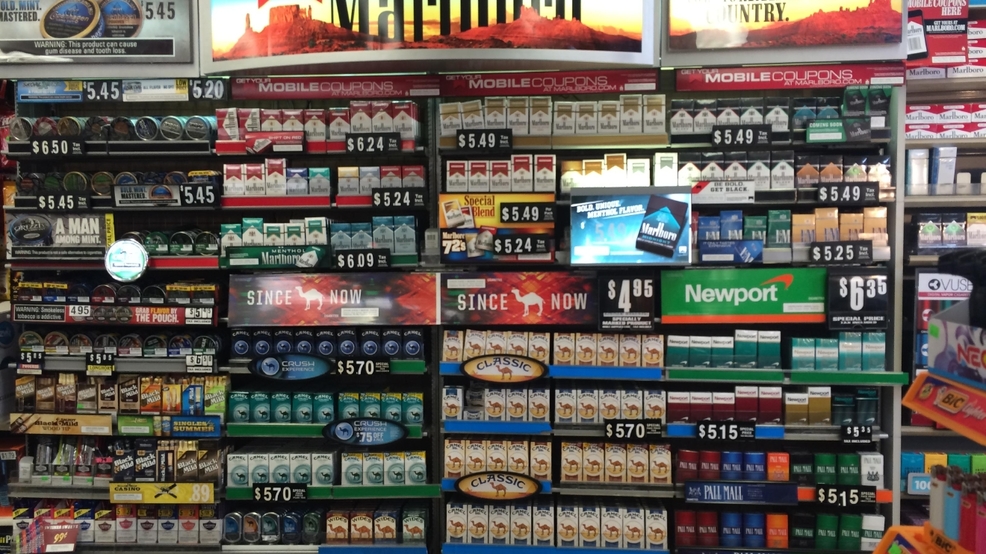
The Oregon case, while seemingly focused on minor tobacco sales, has significant implications for the future of online sales in general, particularly for regulated goods. The legal precedents set by this case could ripple through other states and industries, potentially impacting how companies operate and how governments regulate online marketplaces. This scrutiny will undoubtedly force adjustments in online sales strategies and raise the bar for regulatory compliance in the digital age.The outcome of the Oregon case underscores the need for greater clarity and consistency in online sales regulations.
As online commerce continues to grow, the challenges of enforcing existing laws in this evolving landscape will become increasingly apparent. The industry will likely adapt by adopting more stringent verification procedures and scrutinizing sales practices. This, in turn, will affect the costs and complexities of online retail.
Potential Long-Term Consequences for Online Sales
The Oregon ruling suggests a shift towards stricter enforcement of existing laws in the online marketplace. This could result in higher compliance costs for businesses, especially smaller retailers who may not have the resources to implement robust verification systems. This could lead to a reduction in the number of online sellers for regulated products, especially if the costs become prohibitive.
Furthermore, consumers might face increased difficulty accessing products, potentially leading to more complicated supply chains and higher prices.
Potential Adjustments in Online Sales Strategies
Businesses will likely implement stricter measures to verify customer identities and ensure compliance with regulations. This might include more rigorous age verification processes, enhanced transaction monitoring, and a heightened focus on tracking orders. Companies may also adopt more transparent and easily accessible compliance policies to mitigate the risk of legal challenges. There may be a move toward more localized sales or partnerships with brick-and-mortar stores in areas where online sales of regulated products are highly scrutinized.
Emerging Trends in Regulating Online Sales of Regulated Products
Emerging trends include the development of sophisticated software tools for automated verification and real-time compliance monitoring. This will allow businesses to proactively identify and prevent potential violations. The use of AI and machine learning algorithms to detect fraudulent activity and suspicious transactions is also on the rise. There’s also a growing emphasis on cross-border collaboration and information sharing between regulatory bodies to combat illegal sales across jurisdictions.
Examples of Approaches from Other States or Countries
Several states and countries have implemented varying degrees of regulation for online sales of tobacco and other regulated products. For example, some jurisdictions have established stricter age verification requirements, while others have focused on tracking and tracing sales data. International examples can be observed in Europe, where strict rules regarding online sales of pharmaceuticals and alcohol are already in place.
These approaches can offer insights into potential strategies for future regulations in the US.
Illustrative Case Examples
The Oregon case, while unique in its focus on minor sales, highlights a broader trend of stricter enforcement against tobacco sales, particularly to minors. Understanding how similar cases have been handled in other jurisdictions can provide valuable insight into the potential impact of such actions. Analyzing outcomes from past instances can help predict how the industry and public may respond to similar interventions.
Comparative Case Summaries, Oregon stings four web tobacco dealers for minor sales
Several states have implemented regulations and enforcement measures targeting tobacco sales to minors, leading to similar legal battles and public scrutiny. These cases offer a glimpse into the potential outcomes and challenges associated with such initiatives.
| Case Name | State | Key Differences | Outcomes |
|---|---|---|---|
| California v. “Smoke-Free Solutions” | California | Focused on deceptive marketing practices and targeting underage customers. The business was a large retailer with a well-established online presence. | The company was fined a significant amount, and the state’s attorney general’s office secured a permanent injunction to cease the business’s online sales to minors. This case demonstrates the importance of enforcing regulations against all types of tobacco sales, even those conducted online. |
| New York v. “City Smokes” | New York | The case involved multiple instances of minor sales and a failure to comply with state-mandated identification checks. “City Smokes” was a brick-and-mortar store with a limited online presence. | The store was ordered to pay substantial fines, and the owner received a suspended sentence. The case emphasized the importance of stringent enforcement procedures, especially in physical locations where sales to minors are easier to monitor. |
| Florida v. “Tobacco Emporium” | Florida | The case involved a retailer that deliberately targeted minors through social media, offering discounts and promotions. The company operated primarily online. | The retailer faced significant penalties, including an injunction prohibiting future online sales to minors and the closure of its social media accounts. This highlights the effectiveness of multi-faceted enforcement strategies to tackle online sales and deceptive marketing practices. The case also illustrates the need for close collaboration between regulatory agencies and social media platforms. |
Similarities and Differences
The cases presented share similarities with the Oregon case, including the focus on preventing sales to minors. However, differences exist in the specific methods of sale (online vs. in-store), the scale of the operation (single store vs. a larger company), and the degree of deceptive practices employed. While the Oregon case is concentrated on minor sales, the other examples show a broader approach to addressing underage tobacco use.
Data Points and Impact
The data from these cases shows that actions taken against retailers for sales to minors can result in substantial penalties and changes in business practices. The outcomes demonstrate the seriousness with which the legal system views sales to minors. In the case of “Smoke-Free Solutions”, for example, the significant fine serves as a deterrent to other companies engaging in similar practices.
The data also underscores the importance of proactive enforcement strategies to curb underage tobacco use. The New York case and the Florida case, respectively, underscore the importance of enforcing regulations against tobacco retailers, both online and in physical locations.
End of Discussion
Oregon’s actions in targeting these web tobacco dealers for minor sales have significant implications for online retailers. The case illustrates the evolving challenges in regulating online commerce and the importance of staying compliant with rapidly changing legal landscapes. We’ve examined the legal processes, potential penalties, and the potential impact on future online sales strategies. Ultimately, this case underscores the need for clear and adaptable regulations in the digital age to ensure both compliance and consumer safety.