New online bill service could drive up postage rates, potentially reshaping the postal industry. This shift towards digital bill payments could dramatically impact postal service revenue streams, leading to significant financial challenges for the industry. Consumer adoption of online services will play a crucial role, along with the technological infrastructure needed to support the transition. The potential for cost savings for consumers, environmental benefits, and competitive pressures all add layers of complexity to this evolving landscape.
We’ll explore the various facets of this transformation, from financial implications to consumer behavior and technological solutions.
The introduction of a new online bill service presents a multifaceted challenge for postal services. Revenue projections will vary depending on the level of consumer adoption, demanding careful analysis to predict potential losses. Simultaneously, understanding consumer behavior and adoption patterns is critical to crafting strategies that encourage the use of the new service. Technological aspects, including data security and platform choices, must be addressed to ensure smooth implementation and user confidence.
The economic impact on both the postal service and related industries will also be examined, alongside the potential environmental benefits of reduced paper consumption.
Impact on Postal Service Revenue: New Online Bill Service Could Drive Up Postage Rates
The rise of online bill pay services presents a significant challenge to traditional postal services, threatening their core revenue stream. This shift necessitates a proactive approach to understanding the potential impact and formulating strategies to mitigate the loss. While online bill pay offers convenience to consumers, it directly impacts the postal service’s reliance on mailed bills and statements.The postal service’s revenue is heavily reliant on postage fees, which directly correlate with the volume of mailed correspondence.
A decline in mail volume, driven by increasing online bill payment adoption, will inevitably lead to a reduction in postage revenue. This reduction is not uniform and depends on various factors, including the level of online bill service adoption, the specific demographics of users, and the postal service’s response strategies.
Revenue Streams and Mail Volume
The postal service’s revenue is primarily derived from postage fees on mailed items. This includes bills, statements, and other mailings. The shift towards online bill payment directly affects this revenue stream, potentially reducing the demand for mailed correspondence. A substantial portion of the postal service’s revenue comes from these mailings. Lower mail volume leads to lower revenue, impacting the postal service’s ability to maintain operations and provide services.
New online bill services might surprisingly increase postage costs. It seems counterintuitive, but think about it – a surge in digital billing could actually lead to more physical mail being sent, especially if companies need to send out paper-based statements alongside digital copies for those who prefer that method. This is where services like e stamp targets small business with intuit alliance come in handy, potentially offering a more efficient and affordable way to handle postage, which could lessen the impact of this trend.
Ultimately, though, the rising cost of postage for online billing is a potential issue to watch out for.
Scenarios of Online Bill Service Adoption
Different levels of online bill service adoption will have varying impacts on postal service revenue. Here are some illustrative scenarios:
- Low Adoption: If online bill payment adoption remains low, the impact on postage revenue will be minimal. The postal service will likely maintain a significant portion of its current revenue streams.
- Moderate Adoption: A moderate increase in online bill payment adoption will result in a noticeable reduction in postage revenue. The postal service will see a decline in revenue from mailed bills and statements. Strategies for mitigating this impact will be crucial.
- High Adoption: Significant adoption of online bill payment will lead to a substantial decrease in postage revenue. The postal service may experience a considerable drop in revenue from mailed correspondence, potentially impacting operational efficiency and service provision.
Mitigation Strategies
The postal service can employ several strategies to mitigate revenue loss from online bill payment:
- Diversification of Revenue Streams: The postal service should explore alternative revenue streams to compensate for the decrease in postage revenue. This includes expanding into new markets, like package delivery or specialized services, and potentially increasing prices on certain services to offset the losses.
- Focus on High-Value Services: The postal service should prioritize and focus on high-value services, such as package delivery, that are less susceptible to the impact of online bill payment.
- Partnerships with Online Bill Pay Providers: Collaborating with online bill pay providers could potentially offer new opportunities for revenue generation, such as commissions on bill payments processed through their platforms.
- Promoting Alternative Services: Promoting and developing alternative services, such as digital communication tools, could reduce the reliance on mailed bills and statements.
Revenue Projection Comparison
The following table illustrates potential revenue projections under varying online bill service adoption scenarios:
| Adoption Scenario | Projected Revenue (in millions) | Impact on Postage Revenue |
|---|---|---|
| Low (10% online adoption) | $X | Minimal impact |
| Moderate (50% online adoption) | $Y | Significant reduction |
| High (90% online adoption) | $Z | Substantial reduction, potentially impacting service |
Note: $X, $Y, and $Z represent projected revenue figures under each scenario. Actual figures will vary based on specific market conditions and adoption rates.
Consumer Behavior and Adoption
The introduction of a new online bill service will undoubtedly impact consumer behavior. Understanding how consumers react to this change is crucial for the service’s success. This involves analyzing their current habits, motivations, and potential roadblocks to adoption. Successful implementation requires a strategy that anticipates and addresses these factors.
Consumer Reactions to New Online Bill Services
Consumers will likely react to the new online bill service in diverse ways, ranging from enthusiastic adoption to cautious skepticism. Factors like perceived ease of use, security concerns, and existing payment preferences will play significant roles in shaping their responses.
Factors Influencing Consumer Adoption
Several key factors influence a consumer’s decision to adopt online bill payment options. Ease of use is paramount; a user-friendly interface and intuitive navigation are critical. Security is another crucial element; consumers must feel confident that their financial data is protected. Furthermore, the perceived value proposition, such as convenience and potential cost savings, will strongly influence adoption rates.
Potential Barriers to Consumer Adoption
Several obstacles can hinder consumer adoption of online bill payment. A lack of trust in the security of online platforms and a general apprehension towards new technologies can act as significant barriers. Furthermore, a lack of digital literacy, or the absence of necessary digital infrastructure like reliable internet access, can prevent some users from adopting the service. Finally, the convenience of existing methods, like physical mail or in-person payments, might also discourage adoption.
Consumer Responses by Demographics
Consumer responses to the new online bill service will likely vary based on demographics. Different groups may have differing levels of comfort and familiarity with technology. Here’s a table illustrating potential responses:
| Demographic Group | Likely Response | Potential Barriers | Strategies for Overcoming Barriers |
|---|---|---|---|
| Millennials (ages 25-40) | High adoption rate due to high digital literacy and familiarity with online services. | Potential concern about the novelty of the service. | Emphasize ease of use, highlight security features, and offer introductory incentives. |
| Gen X (ages 41-55) | Moderate adoption rate, with a potential slower uptake than Millennials. | Higher concern about security and complexity. | Emphasize security features through multiple channels, provide simplified tutorials, and offer personalized support. |
| Baby Boomers (ages 56-75) | Lower adoption rate, potentially requiring more hand-holding and support. | Lack of digital literacy and familiarity with online platforms. | Offer simplified interfaces, provide in-person support and workshops, and utilize trusted testimonials from other Baby Boomers. |
| Low-income Households | Adoption may be lower due to limited internet access or digital literacy. | Financial constraints, lack of reliable internet access. | Offer mobile-friendly options, provide free access to internet resources, and partner with local community centers. |
Technological Implications
The shift towards digital bill delivery necessitates a robust technological infrastructure. This new online bill service requires careful consideration of the underlying technology to ensure reliability, security, and a positive user experience. Successful implementation hinges on a secure and user-friendly platform that minimizes friction and maximizes accessibility.
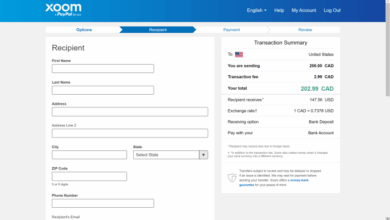
New online bill services might actually increase postage costs. It seems counterintuitive, but if more bills are sent digitally, then companies like Xoom, who are buying back into email services like xoom com buys into e mail again , could face a need for physical delivery of certain documents. This could, in turn, impact the price of postage for the remaining traditional mail.
Ultimately, the new online bill service trend might not be as eco-friendly as it seems at first glance.
Technological Infrastructure Requirements
A robust online bill service demands a sophisticated technological foundation. This includes secure servers with high availability, capable of handling substantial data volumes and user traffic. Scalability is critical to accommodate future growth in user base and transaction volume. Furthermore, reliable payment processing integrations are essential to enable seamless transactions. Data backups and disaster recovery plans are paramount to mitigate potential disruptions.
Comparison of Technological Platforms
Several platforms offer viable solutions for an online bill service. Cloud-based platforms offer scalability, cost-effectiveness, and managed infrastructure. Alternatively, on-premise solutions provide greater control and security but demand significant upfront investment and ongoing maintenance. The choice depends on factors like budget, security requirements, and the desired level of control. A hybrid approach combining elements of both cloud and on-premise solutions might also be considered, offering a balance between control and scalability.
Security Measures for Customer Data
Protecting sensitive customer data is paramount. Implementing strong encryption protocols for data transmission and storage is essential. Multi-factor authentication (MFA) adds an extra layer of security, requiring users to provide multiple forms of verification to access accounts. Regular security audits and penetration testing are vital to identify and address vulnerabilities proactively. Data anonymization techniques and access controls further enhance security.
Compliance with relevant data privacy regulations (like GDPR or CCPA) is also critical.
Technological Solutions and Their Pros and Cons
| Technological Solution | Pros | Cons |
|---|---|---|
| Cloud-Based Platform (e.g., AWS, Azure) | Scalability, cost-effectiveness, managed infrastructure, rapid deployment, flexibility | Vendor lock-in, potential security concerns if not properly managed, reliance on internet connectivity |
| On-Premise Platform (e.g., self-hosted servers) | Greater control over security, data privacy, and infrastructure | High upfront investment, ongoing maintenance costs, limited scalability, potential for downtime if not properly managed |
| Hybrid Platform (combination of cloud and on-premise) | Balance of control and scalability, potentially lower cost compared to fully on-premise solutions | Increased complexity in management, potential for security vulnerabilities if not carefully integrated |
Economic Considerations

The shift towards online bill payment carries significant economic implications, impacting not only the postal service but also related industries and consumers. This transition necessitates a careful examination of the potential financial ramifications for all stakeholders. Understanding these factors is crucial for navigating the evolving landscape of financial transactions.
Potential Economic Consequences for the Postal Service
The decline in mailed bills directly affects the postal service’s revenue streams. Reduced postage volume translates into a decrease in revenue, potentially impacting their operational efficiency and financial stability. This impact is not uniform; different postal service operations will experience varying degrees of impact. For example, mail sorting facilities may experience reduced throughput, leading to adjustments in staffing levels or operational procedures.
Similarly, delivery routes may be adjusted or consolidated to reflect the changing volume of mail.
Potential Cost Savings for Consumers
Consumers stand to gain substantial cost savings by adopting online bill payment. The elimination of postage fees, envelope costs, and potentially even printing costs can significantly reduce the financial burden of managing bills. For example, a household that pays 10 bills monthly via mail could save hundreds of dollars annually by switching to an online service. Furthermore, online services often offer features like automatic payments, which can reduce the risk of late fees and associated penalties.
Impact on Related Industries
The rise of online bill payment will inevitably affect related industries. Printing and stationery businesses, which traditionally benefited from bill printing and mailing, will face reduced demand. However, this shift presents an opportunity for innovation. These industries may need to adapt by exploring new avenues, such as providing digital printing or document management services. For example, companies might offer digital bill organization and payment tools for consumers.
Economic Impact on the Postal Service and Related Industries, New online bill service could drive up postage rates
The table below illustrates the potential economic impact on the postal service and related industries, considering various levels of online bill service adoption.
| Online Bill Service Adoption Level | Impact on Postal Service Revenue | Impact on Related Industries (Printing/Stationery) | Impact on Consumer Costs |
|---|---|---|---|
| Low (10-25% adoption) | Slight decrease in revenue, minimal impact on operations | Reduced demand, potential for diversification | Minor cost savings |
| Medium (25-50% adoption) | Significant decrease in revenue, operational adjustments likely | Noticeable decline in demand, need for restructuring | Moderate cost savings |
| High (50-75% adoption) | Dramatic decrease in revenue, substantial operational changes required | Significant decline in demand, possible closures or mergers | Significant cost savings |
| Very High (75%+ adoption) | Severe decrease in revenue, potentially requiring substantial restructuring | Significant decline in demand, significant restructuring or closure of businesses | Maximum cost savings |
Environmental Impact
Shifting to online bill payments promises a significant reduction in the environmental footprint compared to traditional mail services. The reduction in paper consumption, transportation emissions, and overall carbon footprint are substantial benefits, particularly in a world grappling with climate change. This transition towards digital solutions holds promise for a more sustainable future, while still ensuring efficient and accessible service.
Paper Consumption Reduction
The volume of paper used for printing and mailing bills is considerable. Every piece of paper represents resources consumed in its production and contributes to deforestation. Switching to online bill delivery eliminates the need for this paper, leading to a direct reduction in paper consumption. This is a significant environmental benefit, particularly when considering the global scale of bill delivery.
Furthermore, reduced paper demand translates to a lower impact on forests and associated biodiversity.
Carbon Footprint Reduction
The transportation of physical bills, whether by mail truck or other means, generates significant carbon emissions. Each delivery trip contributes to greenhouse gas emissions. Online bill payments eliminate these transportation-related emissions. Consider a scenario where millions of bills are delivered each month. Eliminating these trips dramatically reduces the carbon footprint, contributing to a cleaner environment and a more sustainable economy.
The cumulative effect of such shifts, when adopted widely, is significant and demonstrably positive.
Environmental Benefits of Online Bill Services
Online bill payment services offer a range of environmental advantages. They significantly reduce the amount of paper used, minimizing the environmental impact of production and disposal. The elimination of transportation-related emissions associated with traditional mail delivery methods further enhances the environmental sustainability of online solutions. A reduction in paper consumption also implies a reduction in the need for logging and the associated environmental damage.
These factors, when considered together, paint a clear picture of the environmental benefits of online bill services.
Comparison of Environmental Footprints
| Factor | Traditional Mail | Online Bill Services |
|---|---|---|
| Paper Consumption | High | Low |
| Transportation Emissions | High (due to delivery) | Low (eliminates delivery) |
| Waste Generation | High (paper waste) | Low (minimal waste) |
| Carbon Footprint | High | Low |
The table above illustrates a clear contrast between the environmental impacts of traditional mail and online bill services. The reduction in paper and transportation emissions is evident, highlighting the significant environmental advantages of digital solutions. The potential for long-term environmental benefits is substantial and presents a compelling case for the adoption of online bill payments.
So, this new online bill service might actually increase postage costs. It’s a bit ironic, considering how magazines finally found a successful web model, allowing them to significantly reduce print circulation and, consequently, postage needs. This shift to digital delivery could lead to more people opting for online bill payments, which, in turn, might mean the postal service needs to raise rates to compensate for the reduced print-based revenue.
It’s a bit of a balancing act, isn’t it?
Competition and Market Analysis
The online bill payment market is highly competitive, with established players vying for market share. New entrants, like the proposed postal service offering, must consider the existing landscape to develop a viable strategy. Understanding the strengths and weaknesses of current providers is crucial for developing a competitive edge. This analysis explores the current market players, their strategies, and potential differentiation points for the postal service.The postal service’s foray into online bill payment presents a unique opportunity to leverage its existing infrastructure and brand recognition.
However, it must also acknowledge the challenges posed by entrenched competitors and the need to develop a distinct value proposition. Strategies to stand out in the digital realm are paramount for success.
Competitive Landscape Overview
The online bill payment market is dominated by established players like PayPal, Venmo, and various bank-owned platforms. These services typically offer integrated payment options, often linked to bank accounts, and boast a user-friendly interface. Many offer features like automated payments, reminders, and expense tracking. This broad spectrum of services, tailored to diverse user needs, creates a formidable competitive environment.
For instance, the convenience of automated payments coupled with features like budgeting tools, attracts many users.
Potential Strategies for Differentiation
The postal service needs to differentiate itself to attract customers. Leveraging its physical presence and existing customer base could be a key differentiator. For example, the service could offer localized support, allowing customers to access assistance at physical post offices. This combination of digital and physical engagement could prove beneficial. Additionally, integrating with existing postal services, such as mail delivery and package tracking, could enhance user experience.
This seamless integration could create a compelling value proposition, attracting a customer base accustomed to postal services.
Potential Competitors and Their Offerings
Key competitors include online payment platforms like Stripe, Square, and payment processors integrated into banking systems. These platforms offer extensive transaction capabilities and often feature APIs for seamless integration with other services. Furthermore, many banks and financial institutions offer their own bill pay solutions, leveraging existing customer relationships and offering tailored features. For example, a specific bank might offer discounted bill payments or loyalty programs.
Summary of Strengths and Weaknesses of Online Bill Services
| Online Bill Service | Strengths | Weaknesses |
|---|---|---|
| PayPal | Established brand, wide user base, integrated payment options, diverse transaction features | Potential for high transaction fees, reliance on third-party payment networks |
| Venmo | User-friendly interface, peer-to-peer payment capabilities, social integration | Limited business-to-business (B2B) features, potential security risks associated with social interactions |
| Bank-integrated services | Security, often linked to existing accounts, familiar interface | Limited flexibility for non-bank users, potentially limited features compared to specialized platforms |
| Proposed Postal Service | Leveraging existing infrastructure, potentially low fees, local support option | Potential lack of extensive user base, need to develop robust online presence |
Long-Term Implications
The rise of online bill payment services presents a significant long-term challenge for the postal service. While initially, the shift might seem detrimental, the postal service can proactively adapt and even thrive by embracing innovation and diversifying its offerings. The key is not just to react to this change, but to proactively shape its future role in the digital age.
Adapting Postal Service Operations
The postal service needs to re-evaluate its core operations to account for the changing landscape. This includes examining delivery routes, optimizing sorting processes, and leveraging technology to streamline internal procedures. By embracing automation, the postal service can reduce costs and increase efficiency. Investing in advanced sorting technologies, such as automated mail sorting systems and AI-powered route optimization, will be crucial for maintaining profitability.
Furthermore, exploring partnerships with private sector companies for specialized services, such as package delivery, could enhance revenue streams.
Developing Alternative Revenue Streams
The decline in traditional mail volume necessitates a proactive approach to revenue diversification. The postal service should consider new service offerings, such as specialized package handling for e-commerce businesses, and enhanced financial services, such as money orders or small-value payments. Exploring partnerships with other government agencies or non-profit organizations to leverage existing infrastructure for specialized mail services can provide valuable revenue opportunities.
The postal service can also consider developing a broader range of value-added services, such as document storage or secure mail handling for sensitive materials.
Potential Future Scenarios
The impact of online bill services on the postal service will unfold in various ways, each with different implications for its operations and revenue. Here are a few possible scenarios:
- Scenario 1: Aggressive Adaptation: The postal service successfully adapts to the changing market by aggressively pursuing new revenue streams, developing innovative delivery models, and integrating advanced technologies. This scenario suggests a more resilient and profitable postal service capable of navigating the digital shift effectively. This scenario is exemplified by the evolution of FedEx and UPS, who adapted their services beyond basic mail delivery.
- Scenario 2: Gradual Decline: The postal service fails to adapt its operations to the changing market. Reduced mail volume leads to a gradual decline in revenue and workforce reductions. This scenario, though potentially less desirable, could result from a lack of proactive investment in technology or new service development. This outcome is mirrored in the decline of some traditional brick-and-mortar retail stores as online shopping gained prominence.
- Scenario 3: Strategic Partnerships: The postal service successfully partners with private sector companies or other government agencies. This collaborative approach could leverage each entity’s strengths, resulting in innovative solutions for mail delivery, package handling, and other services. This scenario is evident in the current partnerships between major retailers and logistics companies.
Impact on Postal Service Infrastructure
The shift to digital bill payment will likely necessitate a reduction in certain infrastructure needs. The service may need to close some smaller post offices or consolidate facilities. This process should be carefully managed to minimize community disruption. In the past, similar structural changes occurred in response to changing consumer preferences, like the growth of mobile banking, and the associated reduction in demand for physical checkbooks.
End of Discussion
Ultimately, the transition to online bill payments will necessitate a significant adaptation by the postal service. Mitigating revenue loss, fostering consumer adoption, and navigating the technological and economic challenges are paramount. A shift towards alternative revenue streams and operational adjustments will be necessary to maintain the postal service’s relevance in the face of this digital transformation. The environmental benefits of reduced paper usage are significant, and the long-term implications of this shift will be critical to consider for both the postal industry and the broader economy.