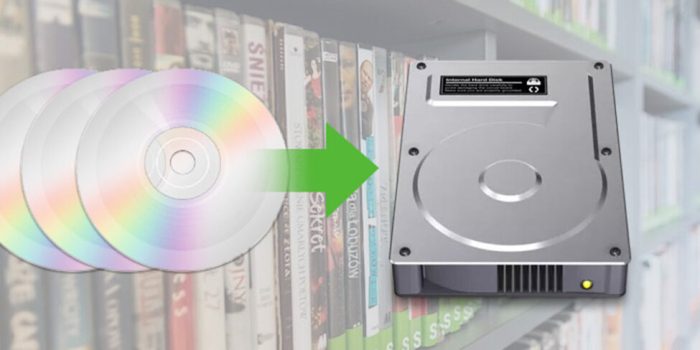
Movie studios sue web sites for passing dvd copying secrets, highlighting a long-standing battle between industry giants and online communities. This conflict reveals a complex interplay of technological advancements, legal battles, and evolving public perceptions of intellectual property in the digital age. The struggle to control the distribution of copyrighted material online has significant implications for the movie industry’s future, as well as the evolution of the internet itself.
The legal battles illustrate the constant tug-of-war between protecting creative works and fostering access to content.
This deep dive examines the historical context of DVD copying, the legal precedents set by these lawsuits, and the impact on the online market. From the rise and fall of file-sharing platforms to the emergence of streaming services, this discussion uncovers how technological advancements and legal challenges have shaped the landscape of movie distribution. The ethical considerations surrounding intellectual property in the digital realm are also explored, alongside the evolving public opinion on piracy.
Background of DVD Copying and Piracy
The rise of the DVD ushered in a new era of home entertainment, but also a surge in piracy. Consumers, eager to access movies without paying, found innovative ways to copy DVDs, leading to a complex battle between studios and pirates. This battle, fueled by technological advancements and evolving anti-piracy measures, continues to shape the film industry today.The early days of DVD saw a rapid adoption rate.
Consumers were attracted by the superior picture and sound quality compared to VHS, but the ease of copying DVDs made them a target for piracy. This widespread copying not only affected the revenue streams of movie studios but also impacted the creativity and innovation within the industry.
Historical Overview of DVD Copying Practices
DVD copying emerged as a significant issue almost immediately after the format’s widespread release. Early methods relied on physical duplication of discs, often using specialized equipment and knowledge of the format. The internet played a crucial role in facilitating the sharing of copying techniques and tools. Forums and online communities became hubs for exchanging information on how to bypass copy protection measures and create high-quality copies.
This early phase involved specialized hardware and knowledge, making it accessible primarily to technically savvy individuals. However, as technology advanced, the ease of copying increased dramatically.
Evolution of Anti-Piracy Measures
Movie studios responded to the piracy threat by implementing increasingly sophisticated anti-piracy measures. Early efforts focused on simple copy protection schemes, like CSS (Content Scramble System). However, these measures were often circumvented by resourceful pirates, leading to a continuous arms race between studios and the piracy community. This led to the development of more complex and sophisticated protection schemes, including regional coding, which restricted playback based on geographic location.
Movie studios are constantly battling the spread of pirated DVDs, and suing websites for leaking copying secrets is a common tactic. Interestingly, a new browser offers ISPs a potential revenue stream, potentially impacting how piracy is dealt with in the future. This new browser, which is designed to directly benefit Internet Service Providers, could lead to new strategies for combating illegal copying, mirroring the efforts of movie studios to stop the spread of unauthorized DVD copies.
new browser offers isps money making opportunity Ultimately, the fight against pirated DVDs remains a complex one, with both legal and technological challenges.
Later, studios employed advanced encryption techniques and watermarking, which made it difficult to create perfect copies.
Economic Impact of DVD Piracy
DVD piracy had a significant economic impact on the movie industry. The loss of revenue from illegal copies directly affected studio profits, impacting their ability to invest in new productions, marketing, and distribution. This loss in revenue was not just a financial hit, but it also impacted the creative process. Reduced revenue meant fewer films could be produced, fewer actors and crew could be employed, and fewer new technologies could be developed.
Examples of Successful and Unsuccessful Anti-Piracy Strategies
Early anti-piracy strategies, while having some initial success, were often easily circumvented. This led to a cycle of innovation and adaptation. The introduction of regional coding, while effective in some respects, was also criticized for hindering the global distribution of films. Some successful strategies focused on educating consumers about the harm of piracy and the importance of supporting the creative industry.
These campaigns aimed to shift public perception and encourage responsible consumption.
Methods of DVD Copying, Effectiveness, and Studio Responses
| Method | Effectiveness | Studio Response | Impact on Consumers |
|---|---|---|---|
| Physical Duplication (Early Methods) | Moderately effective, but easily bypassed with specialized equipment. | Initial implementation of CSS and regional coding. | Limited impact on consumers as it required technical knowledge. |
| Digital Copying (Using Specialized Software) | Highly effective, especially with advancements in software and hardware. | Development of more sophisticated encryption, watermarking, and digital rights management (DRM) systems. | Increased availability of illegal copies, but also the development of tools to circumvent these systems. |
| Internet Sharing (Online Forums and Communities) | Extremely effective in disseminating information and techniques for copying. | Focus on online monitoring and takedown of illegal content, legal action against websites facilitating piracy. | Facilitated widespread access to pirated copies, impacting consumer demand for legal products. |
Legal Battles and Court Cases

The battle against online DVD copying services has been a protracted legal war, pitting major movie studios against websites facilitating the distribution of pirated copies. These legal skirmishes have profoundly impacted the landscape of intellectual property rights, forcing a constant evolution in how copyright holders approach online infringement and how courts interpret digital piracy in the context of traditional copyright laws.
The stakes are high, as these cases have set important precedents for future litigation, shaping the way online piracy is handled and the rights of content creators are protected.
Prominent Court Cases
Several high-profile cases have been instrumental in defining the legal parameters of online DVD copying. These cases often involved websites that hosted or facilitated the sharing of pirated DVDs, and the studios sought injunctions and monetary damages. The outcomes of these cases have set significant precedents for the treatment of digital piracy, influencing both the legal strategies employed and the perceived risk of online infringement.
Examples include cases where specific websites were shut down, or where individuals operating such websites were held accountable.
Legal Precedents
These legal battles have established key precedents that have guided subsequent court decisions in cases involving online copyright infringement. Crucially, courts have affirmed the principle that websites facilitating the distribution of pirated content can be held liable for copyright infringement. This is often based on the “contributory infringement” doctrine, which holds parties responsible for infringing activities even if they aren’t directly involved in the act of copying.
The precedents have influenced the approach of both movie studios and internet service providers (ISPs) to online copyright infringement.
Comparative Analysis of Legal Strategies
| Studio Strategy | Website Strategy | Court Ruling | Impact on Industry |
|---|---|---|---|
| Seek injunctions against websites, demanding the removal of infringing content. | Claim that the website was simply a platform, and therefore not responsible for the actions of users. | Varying rulings, depending on the specific case and the level of active involvement of the website. | Set precedents for legal battles against online piracy. |
| Use of Digital Millennium Copyright Act (DMCA) takedown notices to demand removal of infringing content. | Argument that the DMCA doesn’t apply to websites that merely host user-uploaded content. | Court decisions have often sided with studios in cases where the website actively facilitated infringement. | Increased pressure on websites to address copyright issues. |
| Filing lawsuits for damages and monetary compensation. | Defense strategies often focused on limited liability and the challenges of monitoring user-generated content. | Success rates varied, reflecting the complexities of online copyright infringement. | Deterrent to those who operate websites hosting infringing material. |
Key Arguments in Legal Battles
The key arguments in these legal battles revolved around the nature of online platforms and the degree of responsibility they bear for user-generated content. Studios argued that websites actively facilitating DVD copying were directly involved in infringement, while websites countered that they were merely passive hosts and should not be held accountable for the actions of their users. The courts weighed the extent of the website’s involvement in the infringement, taking into account factors such as the website’s policies, the nature of the content, and the website’s technical capabilities to monitor and remove infringing material.
Outcomes and Impact
The outcomes of these legal battles have significantly impacted the broader landscape of intellectual property rights in the digital age. These cases demonstrated the challenges of enforcing copyright in a digital environment where content can be easily shared and distributed. They highlighted the need for a balance between protecting copyright holders and fostering free expression online. The rulings have impacted the operation of websites, influencing their policies and the ways they deal with copyright infringement.
Further, the decisions have influenced the approach of content creators and distributors in dealing with digital piracy.
Impact on the Online Market: Movie Studios Sue Web Sites For Passing Dvd Copying Secrets
The legal battles surrounding DVD copying and piracy profoundly reshaped the online market for movie distribution. These conflicts, spanning decades, forced a dramatic evolution in how movies were accessed and shared online, ultimately impacting everything from file-sharing networks to the rise of streaming services. The constant legal pressure on illegal platforms and the subsequent shifts in user behavior have been a defining characteristic of this period.The struggle between content creators and online piracy created a dynamic feedback loop.
As studios pursued legal action against piracy websites, users and developers sought increasingly sophisticated ways to circumvent these measures. This dynamic led to a continuous cycle of innovation and adaptation, pushing the boundaries of technology and legal frameworks. This ongoing tension shaped the landscape of the online market for years to come.
Evolution of Online File-Sharing and Peer-to-Peer Networks
The rise of peer-to-peer (P2P) networks like Napster and Kazaa coincided with the increasing availability of pirated DVDs. These networks provided a platform for users to share files, including movies, easily and quickly. Legal battles against these platforms often resulted in their closure or significant alterations to their operation. This demonstrated how legal actions could directly impact the functionality and availability of online file-sharing platforms.
The closure of Napster, for instance, was a turning point in the history of online file-sharing, highlighting the power of copyright holders to curtail unauthorized distribution through legal channels.
Influence on the Development of Streaming Services
The legal battles surrounding DVD copying played a crucial role in the development and acceptance of streaming services. As the accessibility of pirated movies through P2P networks increased, legitimate distributors realized the potential of providing legal alternatives. Streaming services emerged as a viable response to the challenges of online piracy, offering a structured and controlled way for users to access movies legally.
These services, while initially facing challenges from established piracy sites, gradually gained traction by providing a more organized and often higher-quality experience than the haphazard nature of many illegal downloads.
Comparison of Impacts on Legitimate and Piracy Websites
Legal actions had drastically different impacts on legitimate streaming services and piracy websites. Legitimate streaming services, facing challenges from piracy, responded with increased security measures and enhanced user experiences to attract customers and reduce piracy. On the other hand, piracy websites, constantly facing legal threats, often adapted to evade these challenges by changing their domain names or using different technologies.
This constant struggle highlighted the contrasting responses and outcomes for legitimate and illegal online platforms.
Table Illustrating the Rise and Fall of Online Platforms
| Platform | Rise | Fall | Impact |
|---|---|---|---|
| Napster | Early adopter of P2P technology, enabling widespread file sharing, including movies. | Closed down due to copyright infringement lawsuits. | Demonstrated the vulnerability of P2P networks to legal challenges and paved the way for more secure and controlled online file-sharing models. |
| Kazaa | Highly popular P2P network, allowing users to share and download movies and other files. | Faced legal battles and eventually adjusted its operations, though the impact of the early legal battles was significant. | Highlighted the difficulty in controlling online file sharing, while also demonstrating the necessity of legal recourse for copyright holders. |
| Pirate Bay | Emerged as a prominent torrent index, providing a large library of pirated movies. | Repeated legal battles and takedowns, though not a complete shutdown, illustrating the persistent challenge in combating online piracy. | Showcased the challenges and resilience of piracy platforms in the face of legal action. |
| Various Streaming Services | Provided legal alternatives to pirated content, offering a more structured and organized way to access movies. | Continues to evolve and innovate to maintain user engagement and protect against piracy, showcasing the need for a continually evolving online presence. | Demonstrated the potential of legitimate online platforms to offer a better experience than illegal downloads, with the ongoing evolution emphasizing the significance of legal alternatives. |
Technological Advancements and Countermeasures
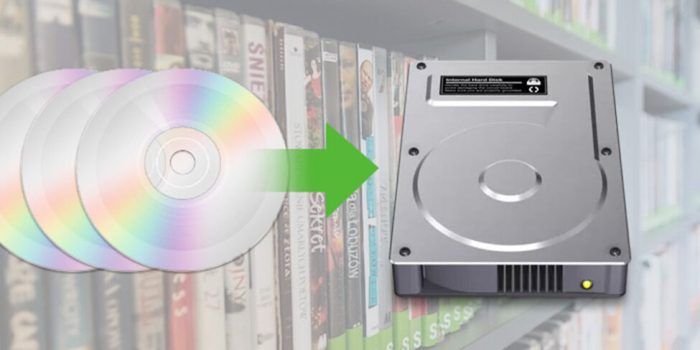
The fight against DVD piracy has been a constant evolution, mirroring the rapid advancement of technology itself. Early methods of copying DVDs were relatively simple, but as technology progressed, so did the methods of protection. This dynamic interplay between piracy and countermeasures shaped the landscape of the movie industry and the online market.The evolution of DVD copying methods and anti-piracy measures has been a complex dance between ingenuity and innovation.
As technology became more sophisticated, so did the methods of circumventing copy protection. This necessitated a constant refinement of protection mechanisms to stay ahead of the curve.
DVD Copying Methods Evolution
The ability to copy DVDs has changed dramatically over time. Early methods relied on physical manipulation of the disc, such as using specialized equipment to create copies. These methods were often cumbersome and required specialized tools. As computers and software became more powerful, digital copying methods emerged, enabling much faster and more efficient replication. This shift from physical to digital methods significantly increased the scale and speed of piracy.
Timeline of Technological Developments
The following timeline illustrates key developments that impacted the ability to copy DVDs:
- Early 2000s: Physical DVD copying methods, relying on specialized equipment, were prevalent. Early digital copying software emerged, but was often cumbersome and less effective than physical methods.
- Mid-2000s: The rise of powerful personal computers and more sophisticated software dramatically increased the speed and ease of digital DVD copying. Piracy methods became more accessible to the average consumer.
- Late 2000s: The advent of powerful software and specialized hardware further refined digital DVD copying methods. Piracy networks and online forums played a crucial role in disseminating these tools.
- Present Day: The focus has shifted to digital content delivery and streaming services. DVDs are less prevalent, and piracy methods are adapting to new digital platforms.
Role of Digital Rights Management (DRM)
Digital Rights Management (DRM) technologies are designed to protect digital content from unauthorized copying. These technologies employ various techniques to control access and distribution. The effectiveness of DRM technologies has been a key point of contention.
Evolution of DVD Encoding Techniques
DVD encoding techniques have evolved alongside piracy methods. Early encoding techniques were relatively simple, making it easier for pirates to circumvent protection. The development of more sophisticated encoding algorithms aimed to counter piracy efforts, making it harder to create accurate copies.
Movie studios are constantly battling the spread of pirated DVDs, and suing websites for sharing copying secrets is a common tactic. Interestingly, this ongoing legal battle seems to mirror the tech world’s current dynamics, as Verity throws support to Red Hat, a significant Linux company. This support, detailed in the article verity throws support to red hat , highlights the growing complexities of intellectual property protection in both physical and digital realms.
Ultimately, the fight against illegal DVD copying continues, a struggle that transcends the simple issue of movie piracy.
Impact on Piracy Methods
Advancements in encoding techniques have directly impacted piracy methods. As encoding became more complex, pirates had to develop more sophisticated techniques to bypass the protections. This constant arms race between content owners and pirates is a key characteristic of the digital age.
Movie studios are apparently still battling the digital age, suing websites for sharing DVD copying secrets. This legal action, while seemingly focused on piracy, might be a reflection of broader anxieties about online distribution, particularly given the recent spike in online holiday traffic, as seen in online holiday traffic up despite mixed reviews. Ultimately, the fight over DVD copying secrets feels like a last-ditch effort to control the changing landscape of media consumption.
DRM Effectiveness and Challenges
| DRM Type | Effectiveness | Challenges | Impact |
|---|---|---|---|
| Early DVD Copy Protection | Limited effectiveness against determined pirates. | Easily circumvented by dedicated software and hardware. | Failed to significantly curb DVD piracy, but provided a framework for future development. |
| Advanced DVD Copy Protection | More effective against basic copying methods. | Sophisticated piracy methods and specialized software countered the new protection. | Showed the need for continuous innovation in protection techniques. |
| Digital Rights Management (DRM) | Varying effectiveness based on implementation and sophistication. | Circumvention tools and methods continue to emerge. | Impact on piracy is significant, but not entirely conclusive. |
Ethical Considerations and Public Opinion
The legal battles surrounding DVD copying and piracy have extended far beyond the realm of intellectual property law. They delve into the ethical implications of pursuing websites and individuals involved in sharing or facilitating access to copyrighted material. Public perception plays a crucial role in shaping the narrative, and the debate around intellectual property rights in the digital age has become increasingly complex.The ethical debate centers on the balance between protecting creators’ rights and ensuring access to information and entertainment.
Movie studios’ actions, while legally justified in some contexts, often evoke strong reactions from the public. This response is often shaped by personal experiences, economic factors, and evolving societal attitudes towards intellectual property.
Ethical Implications of Legal Actions
Movie studios’ legal actions against websites facilitating DVD copying raise ethical concerns about the extent to which copyright holders can control access to and distribution of their work. The question of fair use and the role of technology in circumventing copyright protection are central to this debate. Arguments against the studios’ actions often highlight the potential for stifling creativity and hindering the free exchange of information.
The argument is often made that the legal actions disproportionately target those who use such sites for personal, non-commercial use.
Public Perception of Studio Actions
Public perception of movie studios’ actions is often polarized. Some view the studios as necessary defenders of intellectual property, protecting the livelihoods of artists and filmmakers. Others see the actions as overly aggressive, particularly when directed at individuals engaging in non-commercial or limited use. The perceived severity of the penalties and the impact on users, including potential criminal charges, also contribute to the negative public perception.
Debate Surrounding Intellectual Property in the Digital Age
The digital age has fundamentally altered the landscape of intellectual property rights. The ease with which digital content can be copied and distributed has created new challenges for copyright holders. The debate focuses on how to adapt existing legal frameworks to address these new realities while respecting both creators’ rights and public access to information. This debate involves not only legal and economic considerations but also philosophical and societal ones.
A key aspect of this debate is whether digital distribution should be treated as equivalent to physical distribution in terms of copyright restrictions.
Examples of Public Opinion Regarding Piracy
Public opinion on the legality and morality of piracy is multifaceted. Some individuals argue that piracy is a necessary evil in a world where access to content is often limited or expensive. Others firmly condemn piracy as theft and a violation of artists’ rights. Public forums and social media often display this split opinion, with passionate arguments on both sides.
Perspectives on the Issue
| Perspective | Argument | Supporting Evidence | Impact |
|---|---|---|---|
| Copyright Holders | Protecting creators’ rights is essential for the continued production of high-quality content. | Loss of revenue from piracy directly impacts creators’ ability to produce new works. | Maintains a legal framework for protecting intellectual property. |
| Consumers | Access to affordable entertainment is crucial. | Piracy allows for cheaper access to movies and TV shows. | Can lead to circumvention of copyright and potential legal issues. |
| Technology Providers | Technology must be neutral and not promote or prohibit specific uses. | Tools for sharing files exist independent of intent to violate copyright. | May face pressure to comply with copyright restrictions. |
Current Trends and Future Implications
The movie industry is undergoing a dramatic transformation, driven by the rise of streaming services and the ever-evolving digital landscape. This shift presents both exciting opportunities and significant challenges for studios, distributors, and consumers alike. Understanding these trends is crucial for navigating the future of movie distribution and consumption.
Current Trends in Movie Distribution and Consumption
The movie industry is increasingly reliant on digital platforms for distribution and consumption. Streaming services like Netflix, Amazon Prime Video, and Disney+ have dramatically altered how movies are accessed and enjoyed. This shift has led to a significant rise in demand for digital content, alongside the continued importance of theatrical releases for blockbuster films. The flexibility offered by streaming allows for wider accessibility and greater convenience for consumers, but it also presents new challenges for traditional distribution models.
The Future of Online Movie Distribution and Potential Legal Challenges, Movie studios sue web sites for passing dvd copying secrets
The future of online movie distribution hinges on the ability to balance accessibility with the protection of intellectual property rights. The rise of piracy and the ease of online sharing necessitates robust legal frameworks to deter unauthorized distribution. Challenges include the need for efficient anti-piracy measures, the negotiation of fair compensation for creators, and adapting to the ever-changing technological landscape.
For example, the emergence of new technologies, such as peer-to-peer sharing networks, necessitates ongoing legal and technical adaptations to safeguard content rights.
The Role of Streaming Services and Digital Downloads in the Current Market
Streaming services and digital downloads have become indispensable components of the modern movie market. They offer consumers unprecedented access to a vast library of films, enabling personalized viewing experiences and convenient on-demand access. The success of these platforms hinges on maintaining a balance between accessibility and profitability, while addressing concerns about fair compensation for creators and distributors. For instance, the ongoing debate about fair compensation for artists in the streaming age underscores the evolving nature of the market.
Potential Impact of Emerging Technologies on Intellectual Property Rights
Emerging technologies like artificial intelligence and blockchain could significantly impact intellectual property rights in the future. AI could play a crucial role in detecting and preventing piracy, while blockchain technology offers potential solutions for secure content distribution and transparent royalty payments. These advancements hold the promise of bolstering protections for creative works and fostering a more sustainable model for the entertainment industry.
For example, the development of AI-powered tools to identify and combat piracy could represent a significant advancement in protecting intellectual property.
Challenges and Opportunities for the Movie Industry in the Digital Age
The digital age presents both formidable challenges and exciting opportunities for the movie industry. Adapting to changing consumer preferences, safeguarding intellectual property, and fostering innovative distribution models are paramount. The industry must embrace technological advancements to remain competitive and profitable. One significant opportunity is the potential to reach a global audience through digital platforms.
Potential Future Scenarios
| Scenario | Legal Framework | Technological Advancements | Impact on Industry |
|---|---|---|---|
| Increased reliance on AI for piracy detection | Strengthened legal frameworks for digital content protection | Advanced AI algorithms for content identification and distribution tracking | Reduced piracy rates, increased revenue for studios, potential for job displacement in content monitoring |
| Decentralized content distribution through blockchain | New legal frameworks for digital ownership and royalties | Cryptocurrency-based payment systems for content access | Potential for greater transparency and artist compensation, but challenges in adoption and regulatory hurdles |
| Rise of personalized content streaming platforms | Continued legal battles around data privacy and content access | AI-powered recommendation systems for tailored content offerings | Enhanced user experience, increased engagement, but potential for content homogenization and loss of diversity |
Final Wrap-Up
In conclusion, the movie studios’ lawsuits against websites for facilitating DVD copying represent a crucial chapter in the evolution of the movie industry’s response to digital piracy. The struggle continues, as the industry navigates the complex terrain of legal challenges and technological advancements. The future of movie distribution hinges on finding a balance between protecting intellectual property and fostering access to content in a rapidly evolving digital landscape.