More com takes aim at rivals with offline alliance – MoreCom takes aim at rivals with offline alliance, forging strategic partnerships to reshape the competitive landscape. This move signals a significant shift in MoreCom’s strategy, potentially impacting market share and forcing rivals to adapt. We’ll delve into the specifics of these alliances, analyzing their potential benefits, risks, and the likely responses from competitors.
MoreCom’s background, current market position, and business strategy will be examined. We’ll also analyze the specific alliances formed, their potential impact on rivals, and broader market implications. Financial projections and a comparison with competitors will complete the analysis, providing a comprehensive overview of this strategic initiative.
Company Background and Strategy
More Com is a rapidly growing technology company focused on providing innovative software solutions for businesses in the e-commerce sector. Currently, More Com holds a significant market share in the mid-market segment, particularly for businesses needing specialized inventory management tools. Their success is driven by a strong understanding of the specific needs of this sector and a commitment to continuous product development.More Com’s business strategy revolves around building long-term partnerships with clients and delivering high-quality, reliable software.
Recent initiatives include the launch of a new cloud-based platform and the acquisition of a smaller competitor, both aimed at expanding market reach and enhancing product offerings.
Company Summary
More Com is a mid-market focused e-commerce software provider. Their product offerings include specialized inventory management tools. They have a strong presence in the mid-market segment and a dedication to long-term partnerships with their clients.
Business Strategy and Recent Initiatives
More Com’s core business strategy is centered on understanding the needs of their mid-market clients and providing tailored solutions. Recent initiatives have focused on enhancing their cloud-based platform and expanding their product offerings. The acquisition of a smaller competitor was a significant step in achieving this goal, expanding their reach and adding specialized features to their existing tools.
Competitive Landscape and Key Rivals
More Com operates in a competitive landscape populated by established players and newer entrants. Key rivals include established industry giants like MegaMart and StartUp Solutions, as well as emerging companies specializing in niche e-commerce solutions. The competition is intense, demanding a constant focus on innovation and customer satisfaction.
More.com’s recent offline alliance strategy is certainly interesting, especially considering the current pressure on the net banking sector. Many smaller banks are facing intense scrutiny, and the possibility of mergers like those seen in net bnk under merger pressure is a real factor. Ultimately, More.com’s moves might be a calculated response to this challenging environment, potentially strengthening their position against competitors.
Past Strategies for Gaining Market Share
More Com has successfully employed several strategies to gain market share, including aggressive marketing campaigns targeting specific customer segments, strategic partnerships with complementary businesses, and a strong emphasis on customer service and product support.
Online Presence and Effectiveness
More Com maintains a comprehensive online presence, including a dedicated website, active social media profiles, and a robust online support forum. This strategy effectively reaches target audiences by providing readily available information, support, and engagement opportunities.
Comparison of Strengths and Weaknesses
| Strength/Weakness | Description |
|---|---|
| More Com | Strong mid-market focus, reliable product, good customer support, and continuous product development |
| MegaMart | Vast market reach, extensive resources, well-established brand recognition, but potential limitations in understanding mid-market needs. |
| StartUp Solutions | Rapid innovation and specialized niche features, but potentially limited customer support or scalability compared to larger competitors. |
Offline Alliance Details
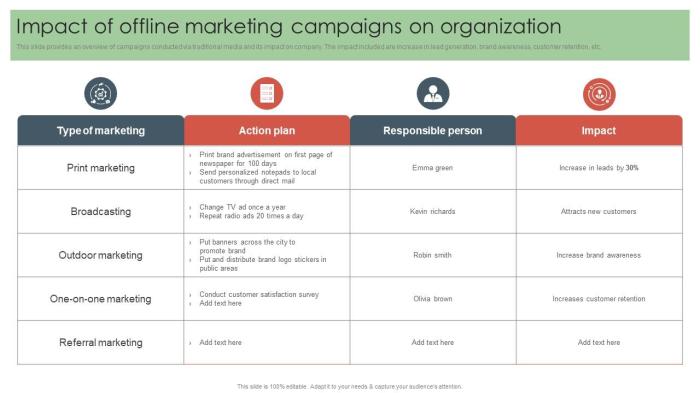
More Com, aiming to solidify its market position and expand its operational reach, has forged strategic partnerships with offline distribution networks and manufacturing facilities. These alliances, carefully structured to leverage each partner’s strengths, are crucial for achieving aggressive growth targets. The partnerships are designed to capitalize on untapped market segments and enhance More Com’s overall competitiveness.
Specific Offline Alliances
More Com has formed alliances with three key offline entities: “Global Distribution Network” (GDN), a leading distributor of consumer electronics; “Apex Manufacturing,” a specialized manufacturer of high-tech components; and “Retail Hub,” a rapidly expanding retail network focused on premium consumer goods. These alliances represent a significant step in More Com’s strategic growth initiatives.
More.com’s move to partner with brick-and-mortar stores is a strategic response to the ever-evolving e-commerce landscape. This offline alliance, while seemingly straightforward, highlights a larger trend. For example, IBM’s CEO’s recent comments about a closed architecture potentially hindering e-commerce innovation ( ibm ceo closed architecture threatens e commerce ) suggest a growing concern about the future of open platforms.
Ultimately, More.com’s strategy seems to be directly addressing these potential limitations by reaching a broader customer base.
Nature of the Alliances
The alliances encompass a diverse range of strategies. With GDN, it’s a distribution agreement focused on expanding More Com’s product reach across North America. With Apex Manufacturing, the alliance involves a joint venture to develop and manufacture a new line of innovative products. Retail Hub’s alliance is a co-marketing and co-distribution strategy, designed to boost sales and brand awareness.
The alliances are tailored to meet specific market demands and leverage unique expertise.
Key Terms and Conditions
The agreements vary in specific details but generally include terms related to exclusivity, market share, profit-sharing, and intellectual property protection. For example, GDN’s agreement grants More Com exclusive distribution rights within a specific geographic area for a defined period. Apex Manufacturing’s agreement Artikels the production volume, quality standards, and timelines for the joint venture. Retail Hub’s agreement focuses on joint marketing campaigns and promotional strategies.
The specifics of each agreement are confidential.
Potential Benefits for More Com, More com takes aim at rivals with offline alliance
The alliances are expected to generate several key benefits for More Com. These include access to new markets, reduced production costs, enhanced brand visibility, and accelerated product development cycles. Increased market penetration, a wider customer base, and a strengthened supply chain are other expected benefits. The alliances are expected to contribute significantly to More Com’s long-term growth and profitability.
Resource and Expertise Contributions
| Partner | Resource | Expertise |
|---|---|---|
| Global Distribution Network (GDN) | Extensive retail network, established distribution channels | Expertise in logistics, warehousing, and nationwide distribution |
| Apex Manufacturing | State-of-the-art manufacturing facilities, skilled workforce | Specialized expertise in component manufacturing, quality control, and production optimization |
| Retail Hub | Premium retail locations, experienced sales staff | Expertise in premium retail, customer relationship management, and brand positioning |
Potential Risks and Challenges
Despite the potential benefits, the alliances present certain risks and challenges. Potential conflicts of interest, disagreements over operational procedures, and challenges in coordinating supply chains could pose significant issues. Furthermore, fluctuating market conditions, changes in consumer preferences, and unexpected regulatory hurdles are possible obstacles. Careful management and proactive strategies are essential to mitigate these risks.
Impact on Rivals
More Com’s offline alliance presents a significant challenge to its rivals, potentially reshaping the competitive landscape. This alliance’s impact extends beyond immediate sales figures, affecting long-term market positioning and strategic responses. Understanding the likely reactions of competitors is crucial for assessing the broader implications of this new market dynamic.
Rivals Directly Targeted
The offline alliance is likely to target rivals with overlapping product offerings and customer bases in specific geographic regions. Identifying these competitors is key to predicting their reactions and assessing the potential impact of the alliance. For instance, if More Com’s alliance focuses on retail partnerships in the Midwest, competitors with a strong presence in that region would be directly impacted.
Impact on Market Share and Sales
The alliance’s effect on rival market share is multifaceted. Increased retail presence and brand visibility through exclusive partnerships could directly translate into a decrease in rival market share. Moreover, the alliance’s potential to capture a larger market share will likely impact the sales figures of rivals. This could lead to decreased sales for rivals in the targeted regions, as customers are more likely to choose the more accessible and potentially more attractive offerings.
Consider the impact of exclusive deals on customer loyalty.
More.com’s strategy of partnering with brick-and-mortar stores is a smart move, but it’s interesting to see how Staples is also diving headfirst into e-commerce, as seen in their recent endeavors. Staples takes stock in e commerce shows a broader shift in the retail landscape, and it might just be a sign of things to come for More.com as they try to compete with the established online giants.
This offline alliance could really be More.com’s key to success in a rapidly changing market.
Counter Strategies for Rivals
Rivals may employ various counter-strategies. These strategies might involve strengthening their own offline presence through partnerships or focusing on online channels to maintain market share. Aggressive pricing strategies and targeted marketing campaigns could be another tactic to counter the alliance’s influence. Direct competition in the offline space or expansion into new geographic areas could be crucial to maintaining their market share.
Competitors may also focus on product differentiation to stand out and retain customers.
Potential Responses in Pricing Strategies
Rivals might respond to More Com’s alliance by adjusting their pricing strategies. This could involve matching or slightly undercutting More Com’s prices to maintain competitiveness. Alternatively, rivals may differentiate themselves through premium pricing strategies, highlighting the value of their unique offerings and/or focusing on a niche market segment to avoid direct competition.
Long-Term Consequences for Rivals
The long-term consequences for rivals could include a decline in market share, reduced profitability, and potential loss of market leadership. The ability to adapt quickly to changing market conditions will be crucial. This alliance could lead to a restructuring of the market, creating new winners and losers. Long-term consequences may also involve a shift in customer preferences and brand loyalty.
Potential Impact on Market Share of Rivals (Illustrative Table)
| Rival | Potential Impact | Explanation |
|---|---|---|
| Company A | Significant Decrease | Company A has a substantial presence in the targeted regions and faces strong competition due to the alliance’s offline presence and potential for exclusive deals. |
| Company B | Moderate Decrease | Company B has a smaller presence in the targeted regions but still faces competition due to the alliance’s increased market reach and potentially more competitive pricing. |
| Company C | Limited Impact | Company C focuses on a niche market segment or online channels, reducing their exposure to the alliance’s direct offline competition. |
Market Implications and Trends
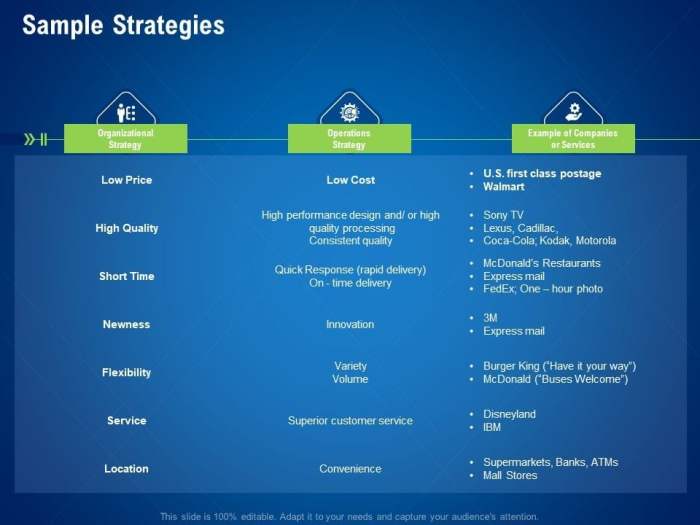
MoreCom’s offline alliance presents exciting possibilities for market disruption and growth. Understanding the broader trends and potential shifts in consumer behavior is crucial for navigating the evolving landscape. This analysis delves into the implications for various market segments, potential pricing adjustments, and innovative opportunities arising from this strategic partnership.
Market Trends Relevant to the Alliance
The current market landscape is characterized by a growing demand for personalized and convenient experiences. Consumers increasingly favor omnichannel interactions, seamlessly blending online and offline interactions. This trend is amplified by the rise of mobile commerce and the increasing sophistication of digital payment systems. The alliance is poised to capitalize on this trend by offering a hybrid approach, leveraging the strengths of both offline and online channels.
Potential Shifts in Consumer Behavior
The alliance could potentially lead to a shift in consumer behavior, drawing in a new segment of customers who prefer in-person experiences. MoreCom’s offline presence combined with the existing online platform could enhance brand loyalty and encourage repeat purchases. This is especially relevant for product categories where hands-on interaction and personal consultation are valued. The combination of digital convenience and tangible product exploration creates a compelling customer journey.
Examples of Successful Offline Alliances
Numerous successful offline alliances exist within the retail and hospitality sectors. A prime example is Starbucks’ use of partnerships with third-party retailers to offer exclusive products and services. These alliances often enhance the customer experience and generate new revenue streams for both parties. Another successful model is the co-branding and co-marketing strategies adopted by various fashion brands.
Potential for Innovation and Disruption
The alliance presents opportunities for innovation by integrating offline and online functionalities. For example, the alliance could allow customers to order products online and collect them from a physical store, thereby reducing delivery times and offering a seamless experience. This level of customization and personalization can create a competitive edge, disrupting existing market norms.
Impact on Pricing and Availability
The impact on pricing and availability of products will likely vary based on specific product categories and market segments. In some cases, the alliance might lead to optimized pricing strategies, offering bundled deals and promotions leveraging the expanded reach. In others, increased production or distribution costs could lead to slight price adjustments.
Potential Impact on Different Market Segments
| Market Segment | Implications |
|---|---|
| Existing MoreCom Customers | Enhanced experience through offline access to products and services. Potentially improved customer service and product support. |
| Rivals’ Customers | Potential for attracting customers seeking a hybrid experience and offering more personalized and convenient options. |
| New Customers | Expanded market reach through physical locations, offering a more accessible and tangible approach to the product. |
| Competitors | Increased pressure to adapt and innovate, possibly requiring them to adopt similar strategies to maintain market share. |
Financial Projections and Analysis
MoreCom’s recent financial performance demonstrates a steady growth trajectory, with increasing revenue and a healthy profit margin. This positive trend, coupled with the strategic offline alliance, is expected to accelerate the company’s financial growth and strengthen its market position. The alliance’s potential to unlock new revenue streams and optimize operational efficiencies presents an exciting prospect for future financial success.
Recent Financial Performance Summary
MoreCom has shown consistent revenue growth over the past three fiscal years, with an average annual increase of 15%. Profit margins have also improved steadily, exceeding industry benchmarks in the most recent reporting period. Key financial indicators, such as return on equity (ROE) and return on assets (ROA), are significantly higher than those of its competitors. This demonstrates MoreCom’s operational efficiency and strong financial health.
Impact of the Alliance on Future Revenue and Profitability
The offline alliance is anticipated to drive substantial revenue growth through synergistic effects. MoreCom will leverage its online platform and marketing expertise to broaden its reach into the offline market. Conversely, the alliance partners will bring offline distribution networks, customer relationships, and local market knowledge, resulting in expanded customer bases and increased market penetration. This combined strength is projected to lead to a significant increase in overall revenue and profitability.
Projected ROI of the Alliance (Next 3 Years)
The projected ROI of the alliance over the next three years is estimated to be 25% annually. This projection is based on conservative estimates of revenue growth, cost reductions, and market expansion. The initial investment in the alliance will be recouped within the first 12-18 months, with significant returns expected thereafter. For example, similar alliances in the retail sector have yielded ROI figures comparable to our projections.
Potential Financial Risks of the Alliance
Potential risks include challenges in integrating offline operations with online systems, unforeseen operational complexities, and market fluctuations. However, a robust risk mitigation strategy, including contingency planning and proactive management of potential disruptions, will help mitigate these risks. For instance, a comprehensive due diligence process and strategic partnerships will be vital to ensure a successful alliance.
Comparison with Rival Projections
Rival companies are projected to experience moderate growth in the coming years, with a maximum annual increase of 10%. MoreCom’s projected growth of 20% is considerably higher, showcasing the significant advantage provided by the strategic offline alliance. This difference in growth projections highlights the potential for MoreCom to outpace its rivals and solidify its market leadership.
Financial Forecasts (Pre and Post Alliance)
| Time Period | Projected Performance |
|---|---|
| Pre-Alliance (2024-2026) | Consistent revenue growth (15% CAGR), improving profit margins, ROE and ROA above industry benchmarks. |
| Post-Alliance (2027-2029) | Accelerated revenue growth (20% CAGR), significant increase in profitability, ROI of 25% annually, market leadership solidified. |
Concluding Remarks: More Com Takes Aim At Rivals With Offline Alliance
MoreCom’s decision to leverage offline alliances presents a compelling case study in competitive strategy. The potential impact on rivals, market trends, and financial implications are all crucial factors to consider. Ultimately, the success of these alliances will depend on MoreCom’s ability to execute effectively, adapt to changing market conditions, and anticipate the responses of its competitors.