
Medtronic brings e commerce to medical device industry – Medtronic brings e-commerce to the medical device industry, a game-changer poised to reshape how healthcare professionals access and utilize critical medical equipment. This shift offers exciting opportunities to streamline processes, improve accessibility, and potentially revolutionize patient care. Medtronic’s existing business model, while successful, faces challenges in distribution and reach. E-commerce promises to address these head-on, offering new avenues for both B2B and potentially B2C transactions.
This exploration delves into Medtronic’s potential e-commerce strategies, considering various models like B2B and D2C. It analyzes platform choices, security protocols, and the crucial regulatory landscape. Furthermore, the impact on customer experience, supply chain optimization, and tailored marketing strategies are all examined. We’ll also look at potential pitfalls and the future of e-commerce in the medical device sector.
Introduction to Medtronic’s E-commerce Strategy
Medtronic, a global leader in medical technology, boasts a vast portfolio of medical devices and therapies. Their traditional business model relies heavily on a network of distributors and authorized dealers, catering to hospitals, clinics, and individual healthcare professionals. However, the landscape of the medical device industry is evolving rapidly, and Medtronic faces challenges in ensuring equitable access and efficient distribution to patients and providers.The traditional distribution model, while effective in some aspects, presents hurdles in terms of accessibility and timely delivery, particularly in remote areas or for specific patient needs.
Medtronic’s move into e-commerce for medical devices is a big deal. It’s a fascinating shift, but it’s important to consider the implications for diverse customer bases. For instance, a recent study, u s hispanic e shoppers indifferent to language , highlights that language barriers aren’t necessarily a major obstacle for online shoppers, which could be a significant factor for Medtronic.
This suggests that Medtronic’s e-commerce strategy might be more broadly successful than initially predicted, potentially reaching a wider range of patients.
The rising demand for personalized medicine and the increasing emphasis on patient empowerment also necessitate a more direct and personalized approach to service. E-commerce, with its potential to bypass intermediaries and connect directly with customers, presents a promising avenue for Medtronic to overcome these challenges and improve its reach and efficiency.
Medtronic’s Existing Business Model
Medtronic’s current business model is primarily focused on providing medical devices and therapies to healthcare institutions. This involves intricate partnerships with distributors, enabling wide geographical coverage. These distributors manage the supply chain, handle logistics, and often provide technical support. The model is efficient for bulk orders and established healthcare facilities. However, it might not be ideal for individual patients or specialized needs requiring immediate access.
Challenges in the Current Market
Medtronic faces significant challenges in the current market, particularly regarding distribution and accessibility. Geographical limitations and the intricate nature of the healthcare system make it difficult to reach patients and providers effectively. Moreover, variations in regulatory requirements across different regions and the complex approval processes for new medical devices add further layers of complexity. E-commerce offers a potential solution to address these hurdles.
How E-commerce Can Address Challenges
E-commerce has the potential to address the accessibility and distribution challenges faced by Medtronic. By establishing an online platform, Medtronic can bypass intermediaries, reducing costs and streamlining the process for patients. Direct-to-consumer sales could offer a more streamlined approach for specialized devices or personalized care. Furthermore, an e-commerce platform can provide valuable insights into patient needs and preferences, fostering the development of innovative and patient-centric products.
Types of Medical Devices and Potential E-commerce Applications
| Type of Medical Device | Typical Customer Segment | Potential E-Commerce Application |
|---|---|---|
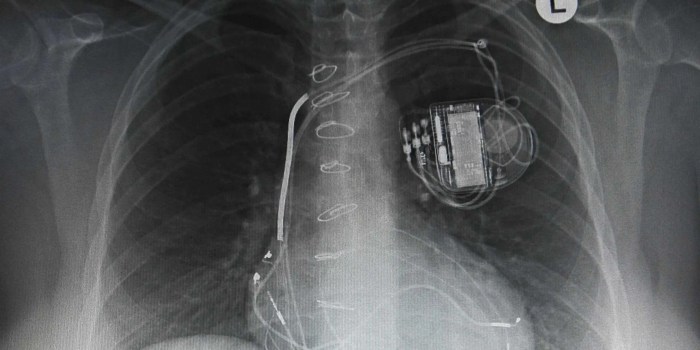
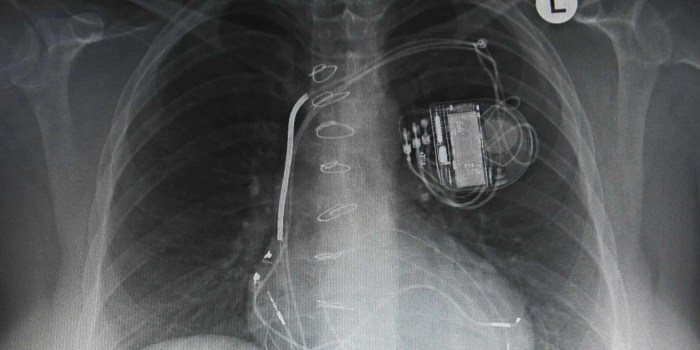
| Pacemakers and Implantable Defibrillators | Hospitals, clinics, and individual patients (with physician referral) | Online patient portal for remote monitoring, medication management, and scheduling appointments. Secure online ordering and delivery for authorized healthcare professionals. |
| Surgical Instruments and Robotic Systems | Surgeons and hospitals | Online product catalogs, detailed specifications, and virtual demonstrations for surgeons. Secure online ordering and delivery with real-time tracking. |
| Diabetes Management Devices | Diabetic patients and healthcare professionals | Online ordering and delivery of supplies. Online educational resources and support groups for patients. Integration with continuous glucose monitoring systems. |
| Neurovascular Devices | Hospitals, neurologists, and interventional radiologists | Online product demonstrations, training materials, and case studies. Secure online ordering and delivery with expert support. |
| Heart Valves and Cardiovascular Devices | Cardiologists and hospitals | Online product specifications, pricing, and ordering system for hospitals. Secure online communication channels for patient support and follow-up. |
Analysis of E-commerce Implementation Strategies
Medtronic’s foray into e-commerce for medical devices presents a fascinating case study in navigating the complex intersection of technology, healthcare regulations, and patient needs. This transition requires a strategic approach that considers the unique characteristics of medical devices and the various stakeholder interactions. This analysis will delve into different e-commerce models, platform choices, and the critical security and regulatory considerations that Medtronic must address.E-commerce strategies for medical devices necessitate a thorough understanding of the specific needs of the healthcare ecosystem.
The approach should prioritize security, transparency, and regulatory compliance to maintain trust and ensure patient safety. A comprehensive plan that takes into account the complexities of the medical device market is crucial for success.
E-commerce Models for Medical Devices
Medtronic can leverage a multifaceted approach to e-commerce, catering to different customer segments. B2B (business-to-business) models are crucial for direct sales to hospitals and clinics. B2C (business-to-consumer) models, though potentially more complex, can reach individual patients in specific situations. A D2C (direct-to-consumer) model, particularly for certain consumer-focused products, could offer new avenues for outreach and market penetration.
The selection of an appropriate model hinges on the specific product, target market, and desired level of interaction with healthcare providers.
Platforms for E-commerce Presence
Medtronic has numerous platform options for its e-commerce initiatives. Proprietary platforms offer greater control and integration with existing systems, but might be costly to develop and maintain. Cloud-based platforms provide scalability and flexibility, but require careful consideration of data security and compliance. Third-party platforms provide readily available infrastructure, but might lack the customized features needed for complex medical device transactions.
Security and Regulatory Considerations
The secure handling of sensitive medical data is paramount in the e-commerce environment. Data encryption, access controls, and regular security audits are essential. Regulatory compliance, including HIPAA and FDA guidelines, is critical for maintaining patient privacy and ensuring device safety. Transparency in the supply chain and device lifecycle is also important for regulatory oversight and patient trust.
A dedicated security team and ongoing risk assessment are critical.
Comparison of E-commerce Platforms
| Platform Type | Strengths | Weaknesses | Suitability for Medical Devices |
|---|---|---|---|
| Proprietary Platform | Full customization, tight integration with existing systems | High development and maintenance costs, limited scalability | Suitable for highly specialized or regulated products, but may not be cost-effective for large volumes. |
| Cloud-Based Platform | Scalability, flexibility, reduced upfront investment | Vendor lock-in, potential security vulnerabilities if not carefully managed, compliance requirements need to be met. | Suitable for various product lines and growth, but rigorous security protocols are necessary. |
| Third-Party Platform | Pre-built infrastructure, quick implementation | Limited customization options, potential for data security and regulatory compliance gaps | Suitable for initial phases or specific products, but thorough vetting and compliance checks are essential. |
Impact on Customer Experience and Accessibility
Medtronic’s foray into e-commerce promises a significant shift in how medical professionals interact with their products and services. This digital transformation will impact not only the purchasing process but also the overall customer experience, aiming to provide more accessible and efficient solutions. A well-executed e-commerce strategy can streamline operations, reduce administrative burdens, and ultimately lead to better patient care.
Enhanced Professional Customer Experience
Medtronic’s e-commerce platform can offer medical professionals a more streamlined and efficient purchasing experience. This includes features like secure online ordering, detailed product information, interactive demonstrations, and readily available support materials. By centralizing these resources, Medtronic can improve the speed and accuracy of ordering, reduce paperwork, and improve the overall experience for healthcare providers. This efficiency can be crucial in a fast-paced clinical environment.
Medtronic’s move into e-commerce for medical devices is a fascinating development, but it raises interesting questions about broader industry trends. The digital revolution is impacting everything, from how we buy groceries to how we access healthcare. Considering the challenges faced by local governments, like the ongoing debate about internet taxes – as highlighted in this recent article about mayors and counties wont drop internet tax issue – it’s clear that digital commerce is affecting more than just the medical device industry.
Ultimately, Medtronic’s e-commerce push could significantly change how patients access and purchase critical medical equipment.
Expanded Access for Patients and Providers
The digital marketplace has the potential to increase access to critical medical devices. E-commerce solutions can broaden reach, making devices available to healthcare providers in remote areas or underserved communities who may not have easy access to traditional distribution channels. This can also enhance the availability of specific, niche devices or technologies. Moreover, it can allow for faster delivery of essential medical equipment, potentially saving valuable time in critical situations.
Successful E-commerce Implementations in Healthcare
Several healthcare companies have successfully leveraged e-commerce platforms to enhance their customer experience and expand their reach. Companies like [Insert example of a successful e-commerce healthcare company] have effectively used digital channels to provide detailed product information, online ordering, and secure payment processing. This demonstrates the feasibility of similar implementations in the medical device sector, and suggests that Medtronic can expect positive results from this strategy.
Personalized Recommendations and Tailored Product Offerings
The ability to personalize product recommendations and offer tailored product offerings is a key aspect of a robust e-commerce strategy. Medtronic’s platform can leverage customer data to provide customized product suggestions based on specific needs and preferences. For instance, a hospital with a high volume of cardiac procedures could receive targeted recommendations for relevant cardiac devices, or a clinic focusing on pediatrics could benefit from product recommendations suitable for their patient population.
This approach could significantly improve the efficiency of device selection and ensure that healthcare providers have the most suitable equipment for their specific requirements.
Supply Chain and Logistics Considerations: Medtronic Brings E Commerce To Medical Device Industry
Medtronic’s foray into e-commerce necessitates a thorough reevaluation and streamlining of its existing supply chain and logistics. This shift demands careful consideration of the unique challenges presented by medical device distribution, particularly in ensuring timely delivery, maintaining product integrity, and adhering to stringent regulatory requirements. Adapting to the digital landscape requires a holistic approach, encompassing not only the online platform but also the entire supply chain network.
Impact on the Existing Supply Chain
Medtronic’s e-commerce strategy will directly impact its existing supply chain by introducing new channels and demand patterns. The shift to online ordering will necessitate a greater emphasis on real-time inventory management, enhanced communication between suppliers and distributors, and a more agile response to fluctuating demand. This shift could potentially lead to increased efficiency in some areas, but also present logistical complexities that need proactive management.
For instance, a surge in online orders for a specific device could strain existing warehousing and distribution networks, requiring adjustments to optimize capacity and efficiency.
Streamlining Logistics and Fulfillment
A key aspect of successful e-commerce implementation is a robust and efficient logistics and fulfillment system. This requires a meticulous approach to order processing, packaging, and delivery, considering the unique characteristics of medical devices. Implementing a sophisticated warehouse management system (WMS) can improve inventory tracking, optimize storage space, and automate order fulfillment. Furthermore, establishing strategic partnerships with reliable third-party logistics providers (3PLs) experienced in handling sensitive and regulated goods can alleviate the strain on internal resources.
This approach will ensure timely delivery, while also minimizing potential delays or damage to the product.
Logistics Challenges and Solutions
| Challenge | Potential Solution ||—|—|| Maintaining Product Integrity during Transportation: | Utilizing specialized packaging materials and temperature-controlled shipping methods for temperature-sensitive devices. Implementing real-time tracking and temperature monitoring throughout the delivery process. || Meeting Regulatory Compliance: | Ensuring that all shipping and handling procedures adhere to relevant regulations, including those pertaining to medical device transportation. This may involve training staff on specific regulations and procuring specialized shipping containers.
|| Managing Inventory Fluctuations: | Implementing a real-time inventory management system capable of anticipating and adjusting to fluctuating demand. This system should be able to predict and respond to peaks and dips in demand. Utilizing forecasting models to anticipate order volume and allocate resources accordingly. || Efficient Order Processing: | Automating order processing through a robust e-commerce platform. This automation reduces manual errors, speeds up processing, and improves accuracy.
Integrating the platform with existing inventory management systems to facilitate real-time updates. || Delivery Time and Cost: | Establishing strategic partnerships with delivery services that specialize in time-sensitive and temperature-controlled shipments. Optimizing the distribution network to minimize delivery times and costs. |
Infrastructure Adjustments and Investments
Medtronic will require substantial infrastructure adjustments and investments to support its e-commerce platform. This will involve upgrading existing warehouse facilities to accommodate increased order volumes and implement modern technologies like automated storage and retrieval systems (AS/RS). Investing in robust IT infrastructure, including secure data centers, high-speed networks, and advanced software, is crucial for managing large volumes of online transactions and ensuring the integrity of patient data.
Additionally, expanding the existing fleet of delivery vehicles or partnering with specialized medical logistics providers will be necessary to meet the demands of e-commerce operations. Investing in sophisticated tracking systems, including real-time temperature monitoring, is crucial to ensuring product integrity during transit.
Marketing and Sales Strategies for E-commerce
Medtronic’s foray into e-commerce presents a unique opportunity to expand its reach and enhance customer interactions. A robust marketing strategy is crucial to effectively communicate the value proposition of online ordering to healthcare professionals and patients. This involves not only promoting the platform but also educating users about its benefits and ease of use. Success hinges on a well-defined approach that targets specific needs and preferences within the healthcare ecosystem.A successful e-commerce strategy for Medtronic must go beyond simple product listings.
It must emphasize the streamlined process, cost-effectiveness, and enhanced accessibility that online ordering provides. This approach requires a thorough understanding of the target audience, including specific needs and preferences of healthcare professionals, and tailoring marketing messages accordingly. This includes understanding the purchasing process, decision-making factors, and preferred communication channels.
Comprehensive Marketing Strategy
A comprehensive marketing strategy should encompass various channels and tactics to maximize reach and engagement. This should include targeted advertising, content marketing, and strategic partnerships to drive traffic and conversions. Key components of this strategy should include a strong understanding of the target audience and their motivations. It also involves developing compelling narratives around the platform’s value proposition, emphasizing ease of use, cost savings, and accessibility.
A consistent brand message across all platforms is essential for building brand recognition and trust.
Educating Healthcare Professionals
Effective education is vital to integrate online ordering into the existing workflows of healthcare professionals. This involves showcasing the platform’s intuitive design, streamlined ordering process, and integration with existing electronic health records (EHRs). Demonstrating the time and cost savings associated with online ordering can significantly impact adoption rates. Practical webinars, user guides, and interactive demonstrations can be highly effective in addressing concerns and promoting the platform.
Furthermore, highlighting the potential for improved inventory management and supply chain efficiency through online ordering is crucial.
Marketing Channels
A multifaceted approach across various channels is essential for reaching the target audience effectively.
| Marketing Channel | Target Audience | Specific Tactics |
|---|---|---|
| Search Engine Optimization () | Healthcare professionals searching for medical supplies | Optimizing website content and product listings for relevant s, building high-quality backlinks, and enhancing site structure for better search engine rankings. |
| Paid Search Advertising (PPC) | Healthcare professionals actively seeking medical devices | Targeted advertising campaigns on search engines like Google, focusing on specific s and demographics, and tracking campaign performance for optimization. |
| Social Media Marketing | Healthcare professionals and related stakeholders | Engaging content, targeted advertising, and community building on platforms like LinkedIn, and creating relevant and engaging content. |
| Email Marketing | Registered healthcare professionals and customers | Targeted email campaigns promoting new products, special offers, and platform updates, and personalized messaging based on user preferences. |
| Content Marketing | Healthcare professionals and researchers | Creating informative blog posts, articles, and case studies on medical device advancements, and supply chain optimization, demonstrating the platform’s value and educational resources. |
| Industry Events and Conferences | Healthcare professionals | Exhibiting at relevant industry events and conferences, providing demonstrations of the platform, and networking with key stakeholders. |
Data Analytics for Optimization
Medtronic can leverage data analytics to track key performance indicators (KPIs) and optimize e-commerce campaigns. This involves monitoring website traffic, conversion rates, order frequency, and customer feedback to identify areas for improvement. Analyzing user behavior on the platform provides insights into preferred product categories, browsing patterns, and areas where the user experience could be enhanced. A/B testing different marketing materials and website layouts can help determine the most effective strategies for driving conversions.
Data-driven insights are essential for continuously refining the platform and marketing strategies to maximize return on investment.
Future Trends and Opportunities in Medtronic’s E-commerce
Medtronic’s foray into e-commerce presents exciting opportunities for growth and innovation. The potential for enhanced customer experience, increased accessibility, and streamlined supply chains is significant. This section explores future developments in e-commerce and how Medtronic can leverage emerging technologies to stay ahead of the curve.The medical device industry is evolving rapidly, and Medtronic must adapt its e-commerce strategy to meet the changing needs of healthcare professionals and patients.
This includes embracing new technologies and understanding how competitors are positioning themselves in the digital landscape.
Potential Future Developments in E-commerce
The landscape of online shopping is constantly shifting, driven by technological advancements and evolving customer expectations. Medtronic needs to be proactive in anticipating these changes to maintain a competitive edge. These developments include the increasing use of personalized recommendations, augmented reality (AR) for product visualization, and the growing role of artificial intelligence (AI) in customer service and product development.
Medtronic can leverage these advancements to provide more targeted and informative experiences to its customers.
Emerging Technologies for Integration
Medtronic can integrate innovative technologies to enhance its e-commerce platform and customer experience. These technologies include AI-powered chatbots for instant customer support, virtual reality (VR) demonstrations of medical devices, and personalized learning resources for healthcare professionals.
- AI-Powered Chatbots: AI chatbots can handle routine inquiries, provide immediate support, and collect valuable customer feedback. This can significantly reduce wait times and improve customer satisfaction. For example, a chatbot could provide answers to frequently asked questions about specific medical devices, or guide users through the ordering process.
- VR Demonstrations: VR can provide immersive experiences for healthcare professionals to visualize the functionality of medical devices in a simulated environment. This is particularly valuable for complex surgical procedures or training purposes. Imagine a surgeon practicing a minimally invasive surgery on a VR model of a patient’s anatomy before performing the actual procedure. This level of detail could improve training efficiency.
- Personalized Learning Resources: Creating customized training materials for healthcare professionals regarding the use of specific Medtronic products can enhance their knowledge and skill set. This will improve the effectiveness of their usage of Medtronic products.
Comparison with Competitors
Medtronic’s competitors are also actively investing in e-commerce solutions. Analyzing their strategies provides valuable insights. Some competitors focus on providing extensive online resources and educational materials to support their products. Others emphasize streamlined ordering processes and fast delivery times. Medtronic can learn from these approaches and adapt its strategy to differentiate itself in the market.
Medtronic’s move into e-commerce for medical devices is a smart play, mirroring the innovative shift seen in other industries. Just like how Ticketmaster is revolutionizing the ticketing experience with its next generation online service, ticketmaster launches next generation online service , Medtronic is likely to see a surge in efficiency and patient access. This e-commerce strategy should ultimately improve patient care and streamline the supply chain for the medical device industry.
Potential New Business Models
Medtronic’s e-commerce platform could facilitate new business models. These include subscription-based services for maintenance and repair of medical devices, remote patient monitoring through a dedicated online platform, and online training courses for healthcare professionals.
- Subscription-Based Maintenance: Offering a subscription service for the maintenance and repair of medical devices could generate recurring revenue and enhance customer loyalty. This service could include regular checkups, remote diagnostics, and scheduled repairs. This model is gaining traction in other industries, and could work well in healthcare.
- Remote Patient Monitoring: Developing an online platform for remote patient monitoring can improve patient outcomes and reduce hospital readmissions. This platform could allow for continuous data collection, real-time monitoring, and timely intervention. This will be particularly valuable for chronic conditions.
- Online Training Courses: Creating online training courses for healthcare professionals on the use and maintenance of Medtronic products can enhance the expertise of healthcare professionals, leading to improved patient care. This is an ideal opportunity for Medtronic to enhance the value proposition of its products.
Potential Challenges and Mitigation Strategies
Medtronic’s foray into e-commerce presents exciting opportunities but also potential hurdles. Navigating the complexities of the medical device industry, while simultaneously embracing digital transformation, demands a proactive approach to anticipate and mitigate potential issues. This section explores critical challenges and Artikels effective strategies to ensure a successful and secure online platform.
Identifying Potential Obstacles
Medtronic faces several potential obstacles in its e-commerce initiative. These range from logistical issues to concerns about maintaining the highest standards of safety and security. The specific challenges include:
- Complex Regulatory Compliance: Medical devices are subject to stringent regulations. E-commerce platforms must comply with all relevant regulations, including those related to product listings, data security, and user interactions. Failure to meet these requirements could lead to significant penalties and reputational damage.
- Maintaining Product Integrity: The physical nature of medical devices necessitates careful consideration of storage, handling, and transportation. E-commerce must ensure the integrity of products from the manufacturer to the customer’s doorstep. Any compromise in product integrity could have severe consequences for patient safety.
- Ensuring Secure Payment Processing: Handling sensitive financial transactions online demands robust security measures. Implementing a secure payment gateway and complying with data protection regulations like HIPAA is paramount to prevent fraud and data breaches.
- Building Trust and Credibility: Establishing trust with customers is crucial for e-commerce success. Patients and healthcare providers need assurance that the platform is reliable and trustworthy, offering high-quality products and services.
- Managing Supply Chain Fluctuations: Disruptions in the supply chain, a common occurrence in various industries, can affect the availability of medical devices. A well-defined contingency plan is essential to ensure continuous supply and maintain customer satisfaction.
Addressing Challenges with Structured Strategies
A structured approach to mitigating these obstacles is essential. A proactive strategy encompassing risk assessment, regulatory compliance, and robust security measures will help ensure a smooth transition to e-commerce. This approach must be comprehensive, considering all stages of the process from product listing to customer service.
- Proactive Risk Assessment: Identifying potential risks and vulnerabilities in the e-commerce platform is crucial. This includes evaluating potential disruptions in the supply chain, potential security threats, and challenges in regulatory compliance. A comprehensive risk assessment should be performed regularly to anticipate and address issues.
- Enhanced Regulatory Compliance: Ensuring complete adherence to all relevant regulations is vital. This includes working closely with regulatory bodies to understand the specific requirements for medical device e-commerce and developing internal policies and procedures that reflect those requirements. Compliance with HIPAA and other regulations is essential.
- Robust Security Measures: Protecting sensitive patient data is paramount. Implementing robust security measures, such as encryption and multi-factor authentication, is critical. Regular security audits and vulnerability assessments should be part of the ongoing strategy.
- Customer Support System Development: Building a dedicated and efficient customer support system is essential for addressing customer queries and concerns. The system should provide 24/7 access to support staff with expertise in medical devices. Real-time support options, such as live chat, are crucial.
Establishing a Robust Customer Support System
A dedicated customer support system is crucial for addressing customer queries and concerns in real time. This system must provide prompt, accurate, and empathetic assistance. Effective customer support is a significant differentiator in the competitive healthcare landscape. A comprehensive customer support system can foster trust and confidence.
- Multi-Channel Support: Offering various support channels, including phone, email, and live chat, allows customers to choose the method that best suits their needs. This flexibility caters to different preferences and ensures that customers receive assistance promptly.
- Trained Staff: Staff must be well-versed in medical device knowledge and regulatory guidelines. Providing ongoing training and resources for the support team is essential.
- Comprehensive Documentation: Creating detailed FAQs, knowledge bases, and support materials allows customers to find answers to common questions independently. This reduces the burden on support staff and ensures consistent responses.
- Customer Feedback Mechanisms: Implementing systems to gather and analyze customer feedback is crucial for identifying areas for improvement in the support system.
Cybersecurity and Data Protection Measures
Protecting sensitive patient data is a top priority. The security of medical data necessitates a comprehensive approach that prioritizes encryption, access controls, and regular security audits. Data breaches can have devastating consequences for both patients and the company.
- Data Encryption: All sensitive data must be encrypted both in transit and at rest. This includes patient information, financial data, and other sensitive details.
- Access Controls: Implementing strict access controls to limit access to sensitive data is vital. Only authorized personnel should have access to specific information, and access privileges should be regularly reviewed.
- Regular Security Audits: Regular security audits and vulnerability assessments help identify potential weaknesses in the system. These assessments should be performed by qualified security professionals to ensure comprehensive coverage.
- Compliance with HIPAA: Adherence to HIPAA regulations for protecting protected health information (PHI) is mandatory. This includes implementing appropriate safeguards to prevent unauthorized access, use, or disclosure of PHI.
Illustrative Case Studies (Medical Device E-commerce)
Diving into the world of medical device e-commerce reveals a fascinating array of successful implementations. These case studies offer invaluable insights into the strategies, challenges, and ultimately, the potential of online sales in this critical sector. Understanding how other companies have navigated this landscape provides valuable lessons for Medtronic’s own e-commerce initiatives.
Examples of Successful E-commerce Implementations, Medtronic brings e commerce to medical device industry
Several companies have successfully launched e-commerce platforms for medical devices, demonstrating the feasibility and benefits of this approach. These platforms typically offer a combination of features designed to enhance the customer experience and streamline the process.
- Company A: This company, specializing in orthopedic implants, developed a secure online platform for ordering and managing inventory. The platform incorporated detailed product information, 3D models, and interactive tutorials, empowering surgeons to make informed decisions. Real-time inventory tracking and streamlined order fulfillment further enhanced efficiency.
- Company B: A manufacturer of cardiac devices, Company B focused on a B2B e-commerce solution. This platform facilitated secure communication, streamlined ordering, and provided access to customized product information and training materials. Key benefits included enhanced collaboration and reduced administrative overhead for healthcare providers.
- Company C: This company, offering a range of diagnostic imaging equipment, integrated its e-commerce platform with its existing customer relationship management (CRM) system. This integration allowed for personalized recommendations, targeted marketing campaigns, and enhanced customer support, leading to improved customer satisfaction and loyalty.
Key Features and Benefits of Successful Implementations
Successful e-commerce implementations in the medical device industry often share common features and benefits.
- Secure and Compliant Platforms: Security is paramount. Platforms must adhere to strict regulatory requirements and industry best practices to ensure data privacy and confidentiality.
- Comprehensive Product Information: Clear and detailed product information, including specifications, images, and videos, empowers customers to make informed decisions. Interactive tools, such as 3D models, are particularly valuable.
- Streamlined Ordering and Fulfillment: Efficient ordering processes, including secure payment gateways and real-time inventory updates, are critical for a positive customer experience.
- Enhanced Customer Support: Dedicated customer support channels, including FAQs, live chat, and email, ensure that customers have access to assistance when needed.
Metrics and Success Indicators
Measuring the effectiveness of e-commerce initiatives is crucial for demonstrating ROI and identifying areas for improvement.
- Conversion Rates: The percentage of visitors who complete a purchase. High conversion rates indicate a successful user experience.
- Average Order Value (AOV): The average amount spent per order. Increased AOV suggests successful upselling or cross-selling strategies.
- Customer Acquisition Cost (CAC): The cost of acquiring a new customer through e-commerce. Lower CAC indicates efficient marketing campaigns.
- Customer Lifetime Value (CLTV): The total revenue generated by a customer throughout their relationship with the company. A higher CLTV suggests a successful customer retention strategy.
Comparative Analysis of Case Studies
The following table summarizes the key strengths and weaknesses of the illustrative case studies discussed:
| Case Study | Key Strengths | Key Weaknesses |
|---|---|---|
| Company A | Strong product information, streamlined ordering, efficient inventory management | Potential for complexity in navigation for non-medical professionals |
| Company B | Enhanced B2B collaboration, customized product information | Limited reach to individual consumers, reliance on existing relationships |
| Company C | Personalized recommendations, targeted marketing, enhanced customer support | Potential for integration challenges with existing CRM systems |
Ultimate Conclusion
Medtronic’s foray into e-commerce presents a compelling opportunity to improve accessibility and efficiency within the medical device industry. By carefully navigating the regulatory and logistical hurdles, Medtronic can potentially unlock significant advantages in patient care and operational efficiency. This initiative also sets the stage for exciting future developments in healthcare technology, and we’ll explore the potential challenges and opportunities in detail.