

Macmillan usa updates linux mandrake – Macmillan USA updates Linux Mandriva, a fascinating look back at a significant moment in the evolution of both publishing and open-source software. This deep dive explores the historical context of Macmillan’s involvement in technology publishing, particularly their coverage of Linux distributions like Mandriva. We’ll trace the rise and evolution of Mandriva, examining its key features and comparing it to other Linux distributions of the time.
The analysis delves into the impact of Linux on the publishing industry, and how this relationship may evolve in the future, potentially paving the way for new collaborations between Macmillan and the Linux community.
The updated content will likely cover the key features and characteristics of the Mandriva/Mandrake Linux distribution, detailing its improvements and changes over time. This will be contrasted with the evolution of Macmillan’s technology publishing and their approach to covering Linux and open-source software. Ultimately, the piece will offer a glimpse into the potential future interactions between Macmillan USA and the Linux world, highlighting potential collaborative projects and industry adaptations.
Historical Context of Macmillan USA and Linux Distributions
Macmillan USA, a prominent publisher of educational and professional materials, has a rich history in the book industry. Their involvement in the computer field, particularly in the realm of technical documentation and guides, has spanned decades, reflecting the evolution of computing technology. This history intersects with the development of open-source operating systems like Linux, particularly with the rise of Linux distributions such as Mandriva/Mandrake.
Understanding this connection provides a clearer picture of the technological landscape and the changing publishing landscape of the time.The evolution of Linux distributions, especially the path of Mandriva/Mandrake, is a testament to the collaborative and community-driven nature of open-source software development. From its initial release, Linux has experienced significant growth and diversification, leading to various distributions designed for different use cases and user communities.
Macmillan USA’s updates to Linux Mandrake are interesting, but the recent news about the potential breakup of Microsoft, as detailed in this report on prosecutors’ proposal report prosecutors propose microsoft breakup plan , is definitely grabbing more attention. Perhaps the tech world’s focus on antitrust issues will eventually have an impact on how Macmillan USA approaches future Linux distribution updates.
It’s still a long shot, but it’s something to consider when we look at the broader tech landscape.
This evolution reflects a broader trend of adapting open-source software to meet specific needs and preferences.
Macmillan USA’s Involvement in Computer Books
Macmillan USA has a long history of publishing computer books, providing valuable resources for users and professionals. From foundational texts on programming languages to advanced guides on specific software applications, their publications have catered to a diverse range of needs. This involvement was crucial in the early days of personal computing, providing practical and informative materials for those navigating the nascent field.
Their publications played a role in disseminating knowledge about computing, which facilitated the growth of the industry.
Evolution of Linux Distributions, Particularly Mandriva/Mandrake
The Linux kernel, the core of the Linux operating system, was initially developed by Linus Torvalds. The subsequent development of distributions like Mandriva/Mandrake was crucial in making Linux accessible to a wider audience. Distributions bundled the kernel with essential utilities, applications, and desktop environments, streamlining the installation and usage experience. The evolution of these distributions was marked by iterative improvements in user experience, system stability, and feature integration.
Mandriva, known for its focus on ease of use and stability, became a popular choice for desktop users and home systems.
Key Milestones in the Development of Open-Source Operating Systems
Several key milestones significantly shaped the development of Linux and its adoption. The development of the X Window System provided a graphical user interface, making Linux more user-friendly. The creation of the GNU project and its collection of utilities and libraries significantly contributed to the completeness and functionality of Linux distributions. The growth of the open-source community facilitated the continuous improvement and maintenance of Linux, creating a vibrant ecosystem of developers and contributors.
Intersection of Macmillan USA and Linux
While a direct intersection between Macmillan USA and Linux distributions in a formal publishing partnership might not be readily apparent, the underlying theme is the publishing of books and software related to open-source and Linux systems. Macmillan’s role in disseminating technical knowledge through books would likely have indirectly contributed to the understanding and adoption of Linux systems. This can be inferred from the publisher’s broad interest in technology and the corresponding need for materials related to the expanding open-source landscape.
Comparison of Linux Distributions (Including Mandriva/Mandrake)
The Linux distribution landscape has been characterized by a variety of choices. Different distributions focused on specific features, user groups, and functionalities. This led to variations in market share over time.
| Distribution | Key Features | Market Share (Estimated, approximate years) |
|---|---|---|
| Mandriva/Mandrake | User-friendly interface, stability, and strong desktop environment | Significant market share during the early 2000s |
| Red Hat | Strong enterprise support, reliability, and robust server solutions | Dominant market share in enterprise deployments |
| Ubuntu | Active community support, user-friendly interface, and extensive software repository | High market share among desktop users, particularly in the early 2010s |
| Fedora | Cutting-edge technology, community-focused, and a platform for testing new releases | A strong following among developers and users interested in the latest software |
This table provides a basic comparison of different Linux distributions and their approximate market share at different points in time. The exact market share figures can vary based on the source and the specific time frame.
Macmillan USA’s Role in Technology Publishing
Macmillan USA, a prominent player in the publishing industry, has a rich history, spanning various genres. Its foray into technology publishing reveals a commitment to keeping pace with the evolving landscape of computing and related fields. Understanding Macmillan’s approach to covering Linux and open-source software within their publications provides insight into their editorial strategy and the evolving needs of their target audience.Macmillan’s technology publishing endeavors have historically encompassed a broad spectrum of topics.
Their books have often been instrumental in bridging the gap between complex technical concepts and the needs of the average reader. The publications reflected the evolving technological landscape and the changing demands of their audience. This includes not just theoretical discussions, but practical applications, case studies, and examples to help readers grasp the practical implications of the technology being discussed.
Types of Technology-Related Publications
Macmillan USA has produced a wide array of technology publications. These publications have addressed various areas, from fundamental computer science concepts to advanced programming techniques. Their range includes programming guides, tutorials, reference manuals, and in-depth explorations of specific technologies. This broad range speaks to the diverse interests and needs of their readership.
Macmillan’s Approach to Covering Linux and Open Source
Macmillan’s approach to covering Linux and open-source software in their publications likely varied over time. Initially, it might have focused on introductory material, helping readers understand the basics of these operating systems and software models. As Linux gained wider adoption, the focus likely expanded to include more advanced topics, catering to the growing community of developers and users.
They likely addressed specific Linux distributions, including those popular at the time.
Target Audience for Macmillan’s Technology Books, Macmillan usa updates linux mandrake
The target audience for Macmillan’s technology books varied based on the specific book. For introductory texts, the target was likely a broad range of individuals interested in learning about computers and software. For more advanced texts, the target audience was more likely focused on experienced programmers, computer scientists, and other technical professionals. There was likely a significant overlap in the audiences, with some books catering to both novice and expert readers.
Specific Linux-Related Books
Unfortunately, without access to Macmillan’s complete catalog, pinpointing specific Linux-related books is difficult. However, the nature of their publishing history suggests that they likely published books covering aspects of Linux installation, configuration, and application development. Given their commitment to covering open-source software, they likely provided information on using Linux for specific tasks and projects.
Table of Technology Books Published by Macmillan USA
| Book Type | Description | Target Audience |
|---|---|---|
| Introductory Programming | Covers basic programming concepts, using various languages. | Students, hobbyists, and beginners. |
| Advanced Programming | Focuses on specific programming paradigms and techniques. | Experienced programmers and developers. |
| Operating Systems | Explores different operating systems, including Linux and Windows. | Students, professionals, and those seeking a deeper understanding. |
| Networking | Explores concepts and implementation of computer networks. | Professionals, students, and hobbyists interested in networking. |
| Database Management | Focuses on concepts, implementation, and management of databases. | Professionals and students in the fields of computer science and information technology. |
Mandriva/Mandrake Linux Distribution: Macmillan Usa Updates Linux Mandrake
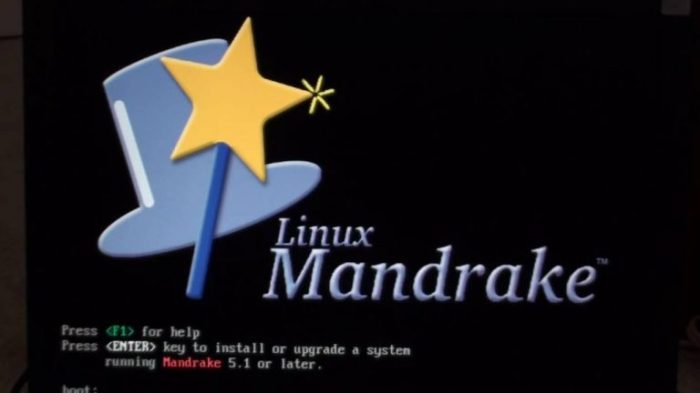
Mandriva/Mandrake, a prominent player in the Linux distribution landscape, offered a unique blend of user-friendliness and advanced features. Its evolution, from a relatively obscure project to a widely recognized distribution, reflects the dynamism of the open-source community and the ever-changing needs of Linux users. Its legacy continues to inspire and inform current Linux distributions.The Mandriva/Mandrake Linux distribution stood out for its user-centric approach and a strong emphasis on desktop usability.
Early versions focused on simplifying the Linux experience for newcomers, making it accessible to those unfamiliar with the command line. Over time, it adapted to meet the demands of experienced users, incorporating powerful tools and technologies.
Key Features and Characteristics
Mandriva/Mandrake was known for its intuitive graphical user interface (GUI), making it comparatively easy to install and use. This accessibility, coupled with a wide range of pre-installed applications, targeted a broad user base. It offered a robust package management system, facilitating the addition and removal of software. Furthermore, Mandriva/Mandrake’s commitment to desktop-centric features distinguished it from other distributions, which often emphasized server applications.
Improvements and Changes Over Time
The evolution of Mandriva/Mandrake saw several key improvements. Initial versions focused on simplifying Linux for novices. Subsequent releases integrated cutting-edge technologies and enhanced graphical environments, catering to the evolving needs of users. The distribution incorporated advanced features like improved desktop environments, enhanced package management, and more extensive support for hardware.
Macmillan USA’s updates to Linux Mandrake are interesting, but honestly, the whole tech world feels a bit… off lately. Microsoft’s recent statement about not feeling respected, as detailed in this article microsoft says it got no respect , highlights a broader issue of potential miscommunication and missed opportunities. Perhaps these Linux updates are part of a larger strategy to push back against perceived industry shortcomings.
Regardless, I’m still excited to see what Macmillan USA does next with their Linux Mandrake offerings.
Comparison with Other Linux Distributions
During its active period, Mandriva/Mandrake competed with distributions like Red Hat Enterprise Linux, Fedora, and Ubuntu. Red Hat focused on enterprise-grade stability, while Fedora prioritized cutting-edge technologies. Ubuntu aimed for a broad user base with its user-friendly interface and extensive community support. Mandriva/Mandrake occupied a middle ground, targeting a diverse user group with a balanced approach.
Reasons for Success and Decline
Mandriva/Mandrake’s success stemmed from its focus on ease of use, its extensive software selection, and its commitment to a broad user base. However, challenges arose from the increasing competition and market dynamics. Rapid shifts in the Linux ecosystem, evolving user preferences, and fierce competition from established distributions contributed to the eventual decline of Mandriva/Mandrake. The distribution also faced challenges with maintaining consistent development momentum.
Major Versions and Improvements
| Version | Release Date | Key Improvements |
|---|---|---|
| Mandriva 2005 | 2005 | Enhanced desktop environment, improved package management |
| Mandriva 2006 | 2006 | Integrated support for newer hardware, improved user interface |
| Mandriva 2007 | 2007 | Expanded software repository, enhanced security features |
| Mandriva 2008 | 2008 | Support for various hardware platforms, advanced multimedia tools |
Impact of Linux on the Publishing Industry
The rise of Linux, a powerful and open-source operating system, profoundly impacted the publishing industry, particularly in the technical sector. Its accessibility and flexibility fostered a new dynamic in how information was disseminated and consumed, leading to both challenges and opportunities for publishers. This shift was not limited to Linux alone; it reflected a broader trend towards open-source software and the internet’s role in information sharing.The availability of Linux source code, coupled with its robust community support, empowered users to customize and adapt the operating system to their specific needs.
This democratization of technology directly affected the publishing landscape, forcing a reconsideration of traditional publishing models and content delivery strategies. The open nature of Linux encouraged a collaborative approach to learning and development, prompting the creation of numerous online resources, forums, and communities that supplemented, and sometimes supplanted, traditional print publications.
Changes in Technical Information Dissemination
The advent of Linux and the internet dramatically altered the way technical information was disseminated. Traditional methods of publishing, such as print books, were no longer the sole, or even primary, source for learning about Linux. Online documentation, forums, and wikis became indispensable tools for users seeking guidance and support. This shift allowed for real-time updates and a more interactive learning experience, where users could contribute to the collective knowledge base.
This fostered a dynamic ecosystem of learning and development.
Comparison of Linux Book Publishing to Other OS
Publishing books about Linux presented unique challenges and opportunities compared to other operating systems. The dynamic and evolving nature of Linux, with its constant updates and diverse distributions, demanded a different approach to content creation and maintenance. Books needed to be more focused on specific distributions, versions, or use cases, while maintaining a broader overview of the core principles.
Books on other operating systems, often with a more stable and predictable evolution, could take a more comprehensive approach, covering a wider range of topics. The demand for concise, up-to-date information on Linux was greater due to its inherent dynamism.
Potential Impact of Open-Source Software on Demand for Technical Publications
The growth of open-source software, exemplified by Linux, has had a complex impact on the demand for technical publications. While online resources and communities have become more important, there’s still a need for structured and comprehensive guides. Well-written books offer a structured approach to learning, providing a depth and context that online resources may not always deliver. For instance, specialized topics, like system administration or embedded Linux, might benefit from the structured knowledge in a book format.
However, the accessibility of free online documentation significantly impacted the sale of traditional print books.
Macmillan USA’s updates to Linux Mandrake are interesting, but the recent news about Gateway grabbing a piece of CMGI, as detailed in this article ( gateway grabs piece of cmgi ), might have more impact on the future of Linux distribution. While those Mandrake updates are solid, the Gateway/CMGI deal could reshape the entire market. It’s a compelling development that could indirectly affect how Macmillan USA approaches future Linux updates.
Evolution of Technical Publishing
| Era | Primary Medium | Key Characteristics | Impact of Linux |
|---|---|---|---|
| Pre-Internet (Pre-1990s) | Print Books | Information was static and often outdated quickly. | Limited impact. |
| Early Internet (1990s-2000s) | Print Books and Online Documentation | Online documentation emerged as a supplemental resource. | Online forums and wikis emerged as valuable sources for Linux users. |
| Modern Era (2000s-Present) | Online Resources, Interactive Learning Platforms, Print Books | Information is readily available and constantly updated. Interactive learning platforms and online communities are prevalent. | Linux-specific online resources are essential to learning and development. |
“The rise of Linux and open-source software has fundamentally changed how technical information is shared and accessed. While traditional print publications still have a place, the internet has become the primary platform for disseminating and updating this knowledge.”
Potential Future Interactions Between Macmillan USA and Linux
Macmillan USA, a prominent player in the publishing industry, has a rich history intertwined with technological advancements. The rise of open-source software, exemplified by Linux, presents both challenges and opportunities for a company like Macmillan. This exploration delves into the potential for future collaboration and the adaptation needed for Macmillan to thrive in this evolving landscape.The future interaction between Macmillan USA and the Linux community could be multifaceted, ranging from direct publishing partnerships to supporting open-source initiatives.
This dynamic relationship holds the potential for mutually beneficial outcomes. By recognizing the power and influence of open-source communities, Macmillan can adapt its strategies to engage a broader audience.
Potential Scenarios for Macmillan USA and Linux
Macmillan USA could explore publishing books specifically about Linux and related technologies. This could include tutorials, guides, and in-depth explorations of specific Linux distributions, programming languages, and open-source methodologies. This approach would capitalize on the growing interest in these areas and establish Macmillan as a trusted source for information.
Macmillan USA Publishing Books on Linux and Related Technologies
This venture would require a thorough understanding of the Linux community and its needs. Potential titles could include guides to specific distributions (e.g., Ubuntu, Fedora), tutorials on essential programming languages (e.g., Python, C++), and books on Linux system administration. Careful consideration of the target audience and the market demand for such specialized knowledge is crucial. Leveraging the expertise of open-source contributors and developers could enrich the content and provide a more practical approach.
Moreover, partnering with leading Linux distribution companies could provide valuable insights and resources.
Collaborative Projects Between Macmillan USA and the Linux Community
Collaborations between Macmillan and the Linux community could take various forms. Macmillan could offer its expertise in publishing and content creation to support open-source projects, potentially contributing to documentation, tutorials, or even translating materials into diverse languages. Conversely, the Linux community could contribute to Macmillan’s projects by providing technical reviews, testing, and feedback on content related to technology.
Such collaborative projects can help both sides to create valuable content and enhance public perception.
Challenges and Opportunities in this Space
The publishing industry faces the challenge of adapting to the rise of open-source communities, which often provide free and readily available content. Macmillan USA must explore innovative strategies to differentiate its offerings, potentially focusing on in-depth analysis, expert perspectives, and unique content angles. This might involve incorporating case studies, real-world applications, and industry insights that go beyond the basic information readily available online.
An additional opportunity is to use open-source technologies to streamline publishing processes, potentially reducing costs and enhancing efficiency.
Adapting to the Rise of Open-Source Communities
The publishing industry needs to adapt to the open-source paradigm by understanding the value proposition of open-source content. This entails recognizing that open-source communities are often driven by user engagement and collaboration, rather than traditional publishing models. Macmillan USA can explore ways to leverage these collaborative dynamics in its content creation and publishing strategies. One way to achieve this is to integrate open-source projects into Macmillan’s learning materials and resources, thus providing a more contemporary and practical approach to education.
Illustrative Examples of Macmillan’s Linux Content
Macmillan, with its rich history in publishing, can leverage its expertise to create compelling and accessible Linux-related content. This involves more than just technical specifications; it necessitates a clear and engaging presentation of complex concepts, making them digestible for a broad audience. This section will detail how Macmillan could illustrate Linux content, focusing on clear explanations and effective visual aids.Effective technical communication requires clarity and conciseness.
Jargon should be minimized, and explanations should be presented in a logical and sequential manner. Visual aids play a crucial role in enhancing understanding and retention. This section will provide examples of how Macmillan can achieve this, showcasing various methods of illustrating Linux concepts.
Illustrative Examples in Books
Macmillan can present Linux content in a way that’s accessible and engaging for readers of all levels. For introductory material, simplified diagrams and analogies can be used to explain core concepts. More advanced topics can benefit from detailed code snippets, accompanied by clear explanations of the code’s function and purpose. The choice of visual aids depends on the complexity of the subject matter and the target audience.
Explaining Linux Concepts with Diagrams
Illustrative diagrams are invaluable for visualizing abstract concepts. A diagram explaining the Linux file system hierarchy, for example, can show the relationships between directories and files. This visual representation can be significantly more effective than a purely textual explanation. Consider a diagram depicting the process of compiling a program, showing the steps from source code to executable.
Another diagram could demonstrate the structure of a Linux kernel module. Clear labeling and concise annotations are essential for effectively communicating the diagram’s message.
Screenshots and Code Snippets
Screenshots of the Linux command-line interface (CLI) can effectively illustrate the usage of specific commands. Showing a user interacting with the terminal, inputting a command, and viewing the output helps readers visualize how commands function. Code snippets, highlighting important parts of the code, are crucial for understanding how Linux commands work behind the scenes. Consider providing commented code examples demonstrating common Linux tasks.
Importance of Clear Explanations
Clear and concise explanations are paramount in technical publications. Technical jargon should be defined or avoided entirely where possible, substituting with simpler, more accessible terms. Detailed explanations of commands and their parameters, accompanied by practical examples, will make the content more user-friendly. Avoid overly complex sentences and ensure that every point is supported by a clear and logical argument.
Illustrative Table of Different Visualization Methods
| Concept | Visualization Method | Description |
|---|---|---|
| File System Hierarchy | Diagram | Visual representation of the directory structure, showing relationships between files and directories. |
| Command Execution | Screenshot | Demonstrates a user interacting with the terminal, inputting a command, and viewing the output. |
| Kernel Module Structure | Diagram | Visualizes the components and organization of a Linux kernel module. |
| Program Compilation | Diagram | Illustrates the steps involved in compiling a program from source code to executable. |
| Code Snippet | Code Listing | Highlights specific parts of code with comments, demonstrating functionality. |
Importance of Visual Aids in Technical Information
Visual aids are essential for conveying complex technical information effectively. They can transform abstract concepts into tangible, easily understood representations. Visual aids, such as diagrams and screenshots, can significantly enhance the readability and comprehension of technical material. For instance, a well-designed diagram can communicate intricate relationships in a matter of seconds, while a screenshot can demonstrate practical applications in a visually compelling way.
End of Discussion

In conclusion, Macmillan USA’s updates to their Linux Mandriva coverage represent a significant moment in the intersection of publishing and open-source software. This analysis traces the historical relationship, highlights the impact of Linux on the industry, and envisions possible future collaborations. The evolution of both Macmillan’s approach to technology publishing and the Linux distributions themselves are explored in detail, offering a comprehensive look at this dynamic interaction.
The content showcases the importance of adapting to the changing landscape of open-source communities and technology publishing.