Loyalty is the final e commerce hurdle – Loyalty is the final e-commerce hurdle, a crucial element often overlooked in the pursuit of online sales. It’s not just about getting a sale; it’s about fostering long-term relationships with customers. This exploration delves into the various aspects of customer loyalty in the digital age, from defining its different forms to understanding customer needs and the strategies for building lasting relationships.
This piece examines the key factors hindering customer loyalty in e-commerce, such as trust, security, perceived value, and effective customer service. It also explores how shipping costs, delivery times, and personalized experiences impact customer loyalty. Further, it details successful strategies for building and sustaining loyalty, including the evolution of loyalty programs and the transformative role of technology in this area.
Defining Loyalty in E-commerce
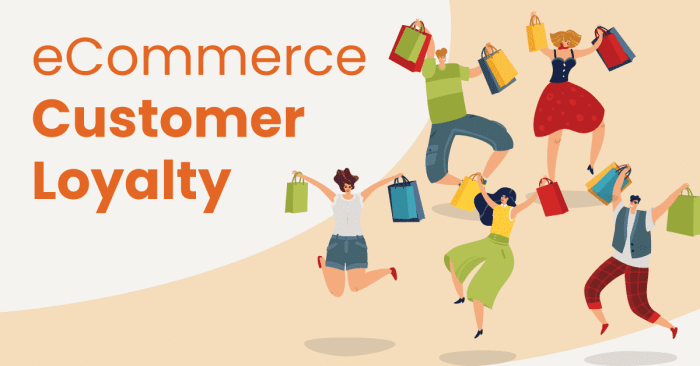
E-commerce is a dynamic landscape where customer loyalty is paramount for sustained success. Understanding what loyalty means in this context goes beyond simply repeat purchases. It involves a deeper connection with the brand, a commitment to returning, and a willingness to recommend the platform to others. Building this loyalty is crucial for long-term growth and profitability.Loyalty in e-commerce is not just about transactions; it’s about forging relationships.
Loyalty is often the final hurdle in e-commerce, especially when competing for repeat business. Companies like Mortgage.com are clearly recognizing this, as seen in their recent expansion into the B2B sector through acquisitions, mortgage com expands b2b base with acquisitions. Building trust and consistent customer experiences are crucial for long-term success in any e-commerce model.
It involves fostering trust, delivering exceptional experiences, and consistently exceeding customer expectations. This requires a nuanced understanding of customer needs and preferences, and the ability to adapt strategies to cater to these evolving demands.
Customer Loyalty in E-commerce
Customer loyalty in e-commerce encompasses a range of behaviors and attitudes. It’s not a singular metric but rather a complex interplay of factors. The key dimensions of e-commerce loyalty include repeat purchases, positive word-of-mouth referrals, and active advocacy for the brand. These demonstrate a deep connection and satisfaction with the platform.
Loyalty programs are often touted as the key to e-commerce success, but they’re frequently more about collecting data than fostering genuine connection. Recent moves by eBay, like the new personalization features detailed in their recent update, ebay gets more personal , show a potential path forward. However, the real challenge remains in translating these personalized experiences into lasting customer loyalty, proving that true devotion is still the final hurdle in the world of online shopping.
Dimensions of Customer Loyalty
Building customer loyalty in e-commerce involves nurturing several key dimensions. These dimensions demonstrate the depth of the relationship between the customer and the brand.
- Repeat Purchase Behavior: Customers who consistently return to make purchases demonstrate a strong preference for the platform. Factors influencing repeat purchases include product quality, ease of use, and a satisfying overall shopping experience. Regular promotions and personalized recommendations can also significantly influence repeat purchases.
- Positive Word-of-Mouth: Customer satisfaction often translates into positive word-of-mouth referrals. Satisfied customers are more likely to recommend the platform to friends and family, creating a powerful organic marketing channel. This organic promotion is invaluable for expanding the brand’s reach and attracting new customers.
- Brand Advocacy: Brand advocates are loyal customers who actively promote the brand. They often participate in online communities, social media discussions, and actively share their positive experiences. This form of advocacy is a powerful testament to the brand’s success and can significantly influence purchasing decisions.
Transactional vs. Relational Loyalty
In online shopping, transactional loyalty is focused on immediate purchases, often driven by discounts or promotions. Relational loyalty, on the other hand, involves a deeper connection with the brand, fostering trust and long-term relationships. Transactional loyalty is often short-lived and driven by incentives, while relational loyalty is built over time through consistent positive experiences.
Comparing Loyalty Programs
Loyalty programs are critical tools in building customer loyalty. Different e-commerce platforms implement various loyalty programs, each with its own characteristics. Some programs offer points or rewards for purchases, while others focus on personalized recommendations and exclusive access. Understanding these variations can provide valuable insights into how different platforms attract and retain customers.
Characteristics of Loyal vs. Non-Loyal Customers
| Characteristic | Loyal Customer | Non-Loyal Customer |
|---|---|---|
| Purchase Frequency | High frequency of purchases | Occasional or infrequent purchases |
| Average Order Value | Higher average order value | Lower average order value |
| Engagement with Brand Content | Actively engages with brand content, reviews, and promotions | Limited or no engagement with brand content |
| Response to Promotions | Responds positively to personalized offers and promotions | Less responsive to promotions or offers |
| Customer Service Interaction | Rarely interacts with customer service | More frequent interaction with customer service |
| Referral Rate | High likelihood of referring friends and family | Low likelihood of referring friends and family |
Identifying the Hurdle
Navigating the complexities of e-commerce requires a deep understanding of customer behavior and the factors influencing their loyalty. Beyond simply offering products, businesses must cultivate trust, address pain points, and consistently exceed expectations. This often hinges on a precise identification of the barriers that stand between a customer and a long-term, committed relationship. This exploration will delve into the key obstacles, examining their impact and highlighting strategies for overcoming them.E-commerce success hinges on customer loyalty, a crucial metric for sustainable growth.
A loyal customer base translates into repeat purchases, positive word-of-mouth referrals, and a robust brand reputation. Conversely, a lack of loyalty can manifest as decreased sales, negative reviews, and ultimately, a diminished bottom line. Identifying and addressing the obstacles to loyalty is thus a critical component of e-commerce strategy.
Key Factors Hindering Customer Loyalty
E-commerce loyalty is multifaceted, encompassing various touchpoints and customer experiences. Key factors hindering loyalty include issues with trust, security, perceived value, customer service, shipping, and the overall shopping experience. Understanding these hurdles allows businesses to proactively address them and build stronger customer relationships.
Role of Trust, Security, and Perceived Value
Trust is paramount in e-commerce. Customers need to feel confident that their personal information is secure and that the products or services they purchase will meet their expectations. A strong sense of security, facilitated by robust encryption and clear privacy policies, directly contributes to building trust. Perceived value is another crucial factor. If customers perceive a product or service as overpriced or lacking value compared to alternatives, they are less likely to remain loyal.
Offering competitive pricing, highlighting product benefits, and building a strong brand reputation are crucial for establishing perceived value.
Impact of Poor Customer Service
Poor customer service can severely damage customer loyalty. Slow response times, unhelpful representatives, and unresolved issues create negative experiences that erode trust and encourage customers to seek alternatives. Companies must prioritize responsive and helpful customer service, ensuring that every interaction leaves a positive impression.
Impact of Shipping Costs and Delivery Times
Shipping costs and delivery times are significant factors in customer loyalty. Unreasonable shipping costs can discourage purchases, and slow or unpredictable delivery times can lead to frustration and dissatisfaction. Offering transparent and competitive shipping options, along with realistic delivery estimations, is essential to maintain customer satisfaction.
Examples of Companies Successfully Overcoming the Loyalty Hurdle
Companies like Amazon, with its extensive product selection, Prime membership benefits, and rapid delivery system, have built significant customer loyalty. Similarly, companies like Warby Parker, through exceptional customer service and personalized interactions, have cultivated a loyal customer base. These examples demonstrate that loyalty is attainable when businesses prioritize customer experience and consistently exceed expectations.
Table: Common E-commerce Loyalty Issues and Potential Solutions
| E-commerce Loyalty Issue | Potential Solutions |
|---|---|
| Insecure payment processing | Implement robust encryption, utilize trusted payment gateways, and clearly communicate security measures. |
| High shipping costs | Offer free shipping on orders over a certain threshold, provide various shipping options with transparent pricing, and incentivize bulk purchases. |
| Poor customer service | Implement a multi-channel customer support system (email, phone, live chat), train representatives to handle inquiries efficiently, and actively solicit feedback. |
| Slow delivery times | Partner with reliable shipping carriers, optimize delivery routes, and provide real-time tracking information to customers. |
| Lack of product variety | Expand product offerings to meet diverse customer needs and preferences, offer personalized recommendations, and continuously update inventory. |
Understanding Customer Needs
E-commerce loyalty programs are no longer about just collecting points. Modern customers crave a deeper connection with the brands they support, demanding more than just discounts. They expect personalized experiences, seamless interactions, and a genuine understanding of their needs. This evolution necessitates a shift in how businesses approach loyalty, moving beyond transactional rewards to foster meaningful relationships.Today’s e-commerce customers expect more than just a simple reward system.
They are seeking a deeper engagement that goes beyond the immediate purchase. This involves building trust, demonstrating understanding, and delivering value that extends beyond the transactional nature of online shopping. Businesses must adapt to these evolving expectations to cultivate customer loyalty in this increasingly competitive digital landscape.
Evolving Expectations of E-commerce Customers Regarding Loyalty
E-commerce customers today are significantly more discerning about loyalty programs. They want more than just accumulating points; they expect personalized recommendations, relevant offers, and seamless integration across different touchpoints. This includes a personalized experience across all digital channels, from website navigation to mobile app interactions, and a focus on anticipating their needs and preferences.
Significance of Personalized Experiences and Tailored Offers in Fostering Loyalty
Personalization is key to fostering loyalty in e-commerce. Tailored offers, recommendations, and content based on individual customer preferences significantly increase engagement and satisfaction. A personalized experience creates a sense of value and recognition, making the customer feel understood and appreciated. This, in turn, builds trust and strengthens the customer-brand relationship.
Loyalty is the final frontier in e-commerce, isn’t it? It’s about building trust, and that’s proving tricky. Companies like Caldera and Macmillan USA are tackling a different kind of loyalty, pushing Linux to corporations. This effort could impact how we think about long-term customer relationships, and ultimately, how loyalty translates into concrete business results. Ultimately, though, loyalty remains the critical piece of the e-commerce puzzle.
Examples of Companies that Leverage Data to Understand Customer Needs and Preferences
Companies like Amazon and Netflix excel at using data to understand customer needs and preferences. Amazon’s recommendation engine, for instance, analyzes purchase history, browsing behavior, and even product reviews to suggest relevant products. This personalized approach drives repeat purchases and builds customer loyalty. Similarly, Netflix utilizes viewing history and ratings to curate tailored movie and TV show suggestions, keeping users engaged and satisfied with the platform.
Other companies, like Spotify, leverage user listening habits to create curated playlists, enhancing the user experience and fostering customer loyalty.
Role of Social Media Engagement in Building Loyalty
Social media plays a crucial role in building e-commerce loyalty. Engaging with customers on social platforms, responding to their comments and queries, and fostering a sense of community can significantly impact loyalty. By actively participating in conversations and addressing concerns, businesses demonstrate a commitment to their customers, strengthening the brand-customer relationship. Companies that effectively utilize social media to build relationships and provide valuable content often see a surge in customer loyalty and advocacy.
Customer Segments and Their Loyalty Needs
Understanding different customer segments and their specific loyalty needs is crucial for tailoring strategies effectively. Different segments have varying motivations and expectations regarding loyalty programs.
| Customer Segment | Loyalty Needs |
|---|---|
| Frequent Buyers | Personalized recommendations, exclusive discounts, and early access to new products. Recognition for their loyalty. |
| First-time Customers | A seamless onboarding experience, clear rewards structure, and a feeling of welcome and trust. |
| High-Value Customers | Exclusive access to events, VIP services, and personalized support. |
| Loyal Advocates | Recognition for their positive reviews, feedback mechanisms, and opportunities to participate in brand building initiatives. |
Addressing the Hurdle
Building trust and loyalty in e-commerce is crucial for long-term success. Customers are increasingly wary of online scams and lack of transparency. Successfully navigating these concerns is paramount to establishing a thriving online business. Strategies for addressing this hurdle are multifaceted, encompassing everything from secure transactions to exceptional customer service.
Strategies to Build Trust and Security
E-commerce platforms must prioritize secure payment gateways and robust encryption protocols to instill trust in customers. Implementing SSL certificates, employing two-factor authentication, and showcasing security badges from trusted authorities are vital steps. Clear privacy policies, easily accessible and comprehensible, demonstrate a commitment to protecting customer data. Transparency about data usage builds trust and encourages customer engagement.
Significance of Transparent Return Policies
Clear and straightforward return policies are essential for customer satisfaction. Customers need to know the process for returning unwanted items, including timelines, conditions, and associated costs. A transparent policy reduces uncertainty and fosters confidence in the purchase process. A well-defined return policy demonstrates respect for the customer’s decision-making and avoids potential conflicts. For example, a policy clearly stating the conditions for returns, like unworn or undamaged items, along with specific timeframes, greatly reduces customer apprehension.
Importance of Easy-to-Use Websites
A user-friendly website is critical for a positive online experience. Intuitive navigation, clear product descriptions, and high-quality images enhance the customer journey. Easy-to-find contact information, including live chat or phone support, demonstrates a commitment to customer service. Streamlined checkout processes and secure payment options contribute to a seamless transaction experience. A well-designed website acts as a virtual storefront, projecting professionalism and trust to the customer.
Effective Customer Service Channels and Responsiveness
Customers value prompt and helpful customer service. Multiple channels, such as email, phone, and live chat, allow customers to reach out when needed. Quick responses to inquiries and efficient resolution of issues demonstrate a commitment to customer satisfaction. Personalized support, addressing individual customer needs, builds stronger relationships and loyalty. Consider using automated systems for initial inquiries to provide immediate assistance while still having a human agent available for more complex issues.
Examples of Loyalty Programs
Effective loyalty programs incentivize repeat purchases and foster customer loyalty. Points-based systems, offering discounts or exclusive perks, encourage frequent engagement. Tiered programs, rewarding high-value customers with premium benefits, acknowledge and appreciate consistent patronage. Referral programs, incentivizing customer recommendations, expand reach and organically build a community of loyal users. For example, a coffee shop offering a free drink after 10 purchases demonstrates a loyalty program that incentivizes repeat business.
Personalized Recommendations and Product Suggestions
Personalized product recommendations and suggestions enhance customer engagement and drive sales. Utilizing customer purchase history and browsing behavior, platforms can recommend relevant products, increasing the likelihood of additional purchases. This tailored approach to product discovery demonstrates an understanding of customer preferences, fostering a more personalized shopping experience. For instance, Amazon’s product recommendations based on previous purchases are a prime example of how personalized recommendations can increase customer engagement.
Loyalty Program Structures and Effectiveness
| Loyalty Program Structure | Description | Effectiveness |
|---|---|---|
| Points-based | Customers earn points for purchases, which can be redeemed for discounts or rewards. | Generally effective, especially for frequent shoppers. |
| Tiered | Customers progress through tiers based on spending, unlocking exclusive benefits at each level. | Highly effective for attracting and retaining high-value customers. |
| Referral | Customers earn rewards for referring new customers. | Effective for driving new customer acquisition and rewarding existing loyalty. |
| Exclusive Events/Early Access | Providing early access to sales or exclusive events to loyal customers. | Effective in enhancing brand perception and creating a sense of community. |
Evolving Loyalty in the Digital Age
Loyalty in e-commerce is no longer simply about rewarding repeat customers. The digital age has fundamentally altered the landscape, demanding a dynamic and multifaceted approach. Businesses must understand how technology, particularly mobile apps and social media, is reshaping customer expectations and interactions. This evolution necessitates a data-driven strategy, utilizing insights from customer interactions to tailor experiences and predict future needs.The traditional loyalty programs of the past often felt disconnected and impersonal.
Today’s consumers expect seamless, personalized experiences across all touchpoints. This necessitates a shift from passive rewards programs to proactive engagement strategies that anticipate and fulfill customer needs. This evolving landscape is driven by technology, demanding a deeper understanding of customer behavior and a more sophisticated approach to building loyalty.
Technology’s Impact on Customer Loyalty
Technology is fundamentally transforming the concept of customer loyalty. The accessibility and ubiquity of mobile devices have dramatically altered how customers interact with brands. E-commerce platforms are no longer just transactional; they’re dynamic ecosystems where customer engagement and interaction are key. This digital shift has driven the need for personalized and proactive loyalty programs. Businesses must adapt their strategies to meet these new expectations.
Mobile Applications and Social Media Integration
Mobile applications and social media integration play crucial roles in enhancing the customer experience and fostering loyalty. Mobile apps provide direct channels for communication, personalized offers, and exclusive content, strengthening customer relationships. Social media platforms allow brands to connect with customers on a more personal level, fostering community and brand advocacy. Engagement with relevant social media content, tailored to customer interests, can significantly increase brand awareness and customer loyalty.
For example, a fashion retailer could use a mobile app to provide personalized styling recommendations based on customer preferences and recent purchases, creating a seamless and engaging experience. Similarly, a travel agency can leverage social media to host contests and interactive experiences, encouraging customer engagement and building loyalty.
Data Collection and Analysis for Tailored Experiences
Collecting and analyzing customer data is essential for tailoring experiences and understanding customer needs. Data points such as purchase history, browsing behavior, and engagement with marketing materials provide valuable insights. Analyzing this data helps brands understand individual customer preferences, allowing for the creation of targeted promotions and personalized recommendations. The effectiveness of these strategies hinges on the ability to collect, analyze, and act upon this data.
For instance, a music streaming service can analyze user listening habits to suggest new artists and genres, thereby improving customer satisfaction and loyalty.
Artificial Intelligence and Machine Learning in Predicting Customer Needs, Loyalty is the final e commerce hurdle
Artificial intelligence (AI) and machine learning (ML) are transforming how businesses anticipate and respond to customer needs. AI algorithms can analyze vast amounts of data to identify patterns and predict customer behavior. This predictive capability enables businesses to personalize offerings, anticipate needs, and deliver relevant content and promotions. For example, an e-commerce retailer can use AI to predict which customers are most likely to abandon their shopping carts and proactively offer incentives to complete the purchase.
Similarly, AI-powered chatbots can provide instant customer support and address queries effectively, improving customer satisfaction and loyalty.
Evolution of Loyalty Strategies in E-commerce
| Era | Loyalty Strategy Focus | Key Technologies | Examples |
|---|---|---|---|
| Pre-Digital | Frequent buyer programs, discounts | Coupons, loyalty cards | Mail-order catalogs, physical stores |
| Early Digital | Online loyalty programs, email marketing | Websites, email | Early e-commerce sites, online stores |
| Mobile & Social | Personalized experiences, mobile apps, social engagement | Mobile apps, social media | Retail apps, social media contests |
| AI-Powered | Predictive analytics, personalized recommendations, AI chatbots | AI, machine learning | Personalized product recommendations, chatbots for customer service |
Impact of Customer Reviews and Ratings on Loyalty
Customer reviews and ratings significantly influence loyalty. Positive reviews build trust and credibility, encouraging potential customers to make purchases. Conversely, negative reviews can damage brand reputation and deter future purchases. Managing reviews effectively and responding to both positive and negative feedback demonstrates a commitment to customer satisfaction. Businesses should actively monitor and respond to reviews and ratings in a timely manner to foster trust and address any concerns.
Companies should actively solicit feedback from customers, understanding that ratings are often a critical factor in their decision-making process. A strong reputation built on positive reviews and proactive responses to criticism can enhance customer loyalty and build a positive brand image.
Illustrative Examples: Loyalty Is The Final E Commerce Hurdle
Loyalty programs are no longer a luxury, but a necessity for e-commerce success. Understanding how successful programs function, and why others falter, is crucial for navigating the complexities of the digital marketplace. The following examples highlight key strategies and pitfalls in building lasting customer loyalty.
A Successful Loyalty Program: Starbucks Rewards
Starbucks Rewards demonstrates a highly effective loyalty program. Its structure is multifaceted, offering tiered rewards based on purchase frequency. Customers earn stars with every purchase, which can be redeemed for free drinks, food items, and exclusive merchandise. The program fosters a sense of community and encourages repeat business. Personalized offers, based on past purchases and preferences, further enhance the customer experience.
Starbucks also effectively uses its app to streamline the entire experience, making reward management and redemption simple and convenient. This holistic approach to loyalty, combining tangible rewards with a seamless digital experience, contributes significantly to their enduring success.
A Company That Failed to Build Customer Loyalty: The Case of “FlashDeals”
FlashDeals, an online retailer focused on rapid-fire sales, struggled to maintain customer loyalty. Their primary focus was on driving immediate sales, often sacrificing customer service and personalized interactions. Lack of consistent communication, inadequate customer support channels, and a failure to address customer complaints contributed to a negative perception of the brand. A lack of clear value proposition for repeat customers and a disregard for building long-term relationships resulted in high customer churn.
FlashDeals’ failure underscores the importance of prioritizing customer experience over short-term sales gains.
Improved Customer Service and Loyalty: Zappos’ Story
Zappos, renowned for exceptional customer service, provides a compelling case study. Their dedication to exceeding customer expectations, evident in their extensive training programs for customer service representatives, translates into remarkable loyalty. Fast, personalized responses to inquiries and proactive problem-solving contribute to a positive brand image and a strong sense of customer value. Zappos demonstrates that investing in customer service directly impacts customer loyalty and, consequently, increased customer lifetime value.
The positive word-of-mouth referrals, stemming from excellent service, are a testament to this.
Personalized Recommendations and Customer Lifetime Value: Amazon
Amazon’s personalized recommendations, based on purchase history and browsing behavior, are a cornerstone of their success. These recommendations increase customer lifetime value by prompting purchases of related products or services. This targeted approach encourages deeper engagement with the platform and fosters repeat business. Amazon’s ability to anticipate customer needs enhances the shopping experience and contributes to a strong customer base.
The seamless integration of recommendations into the shopping journey creates a highly valuable customer experience, demonstrating the power of personalization in boosting revenue.
A Deep Dive into a Successful Loyalty Program: Patagonia
Patagonia’s loyalty program, while not overtly branded as such, is a masterclass in building a loyal community around shared values. Their commitment to environmental sustainability and ethical sourcing resonates deeply with conscious consumers. The company actively engages with customers through informative content and events, fostering a sense of shared purpose. This approach, combining environmental responsibility with community engagement, creates a unique brand identity and fosters strong customer loyalty.
The program isn’t just about rewards; it’s about aligning with a customer’s values.
Key Takeaways from Case Studies
| Company | Success/Failure Factor | Key Takeaway |
|---|---|---|
| Starbucks | Tiered rewards, personalized offers, app integration | A well-structured loyalty program with digital tools can significantly boost customer retention. |
| FlashDeals | Focus on short-term sales, poor customer service | Prioritizing customer experience over immediate gains is essential for long-term loyalty. |
| Zappos | Exceptional customer service, proactive problem-solving | Investing in customer service leads to higher customer satisfaction and loyalty. |
| Amazon | Personalized recommendations | Targeted recommendations increase customer engagement and lifetime value. |
| Patagonia | Commitment to sustainability, community engagement | Aligning brand values with customer values builds strong, lasting loyalty. |
Summary
In conclusion, loyalty is not a fleeting trend; it’s the bedrock of sustainable e-commerce success. Building and maintaining customer loyalty requires a multifaceted approach that addresses the evolving needs of customers in the digital landscape. From understanding the nuances of customer expectations to leveraging technology and data, the strategies Artikeld in this piece provide a roadmap for businesses to overcome the loyalty hurdle and foster enduring customer relationships.